








Why Coffee BIB Boxes Become Soft During Cold Brew Delivery
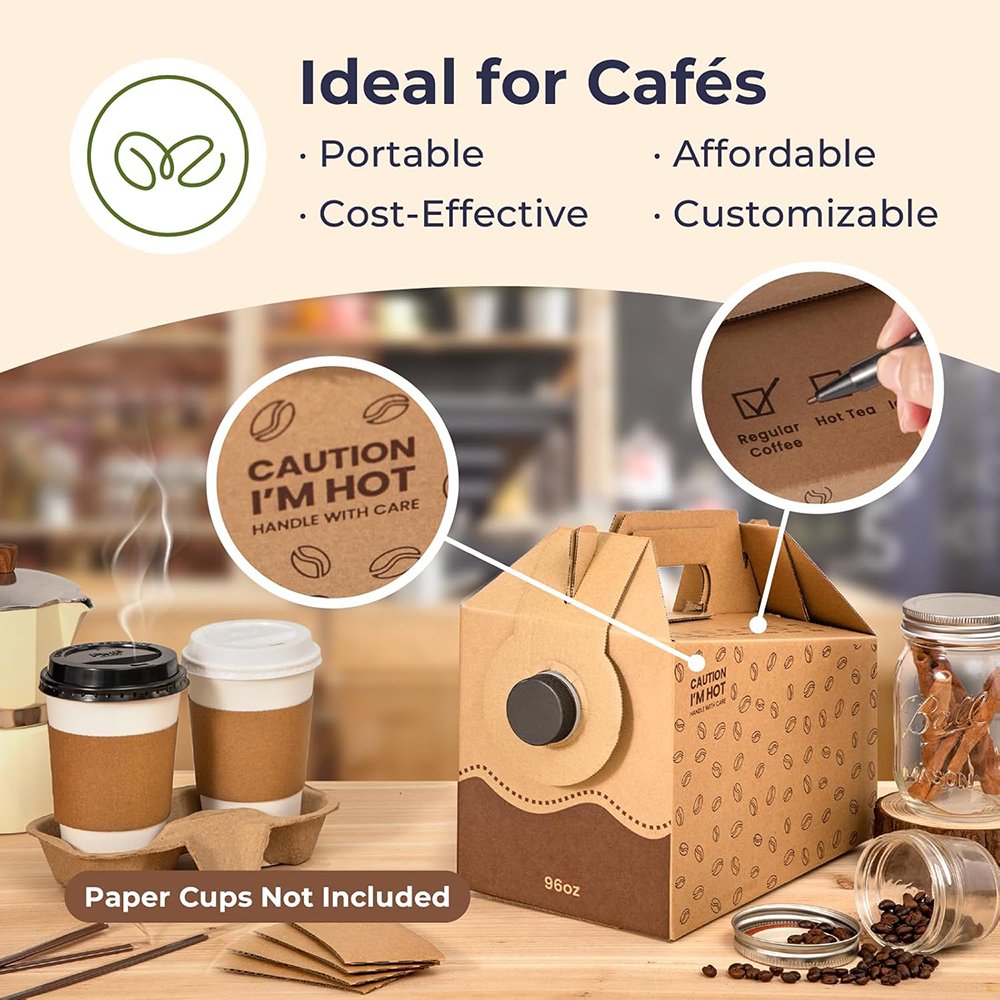
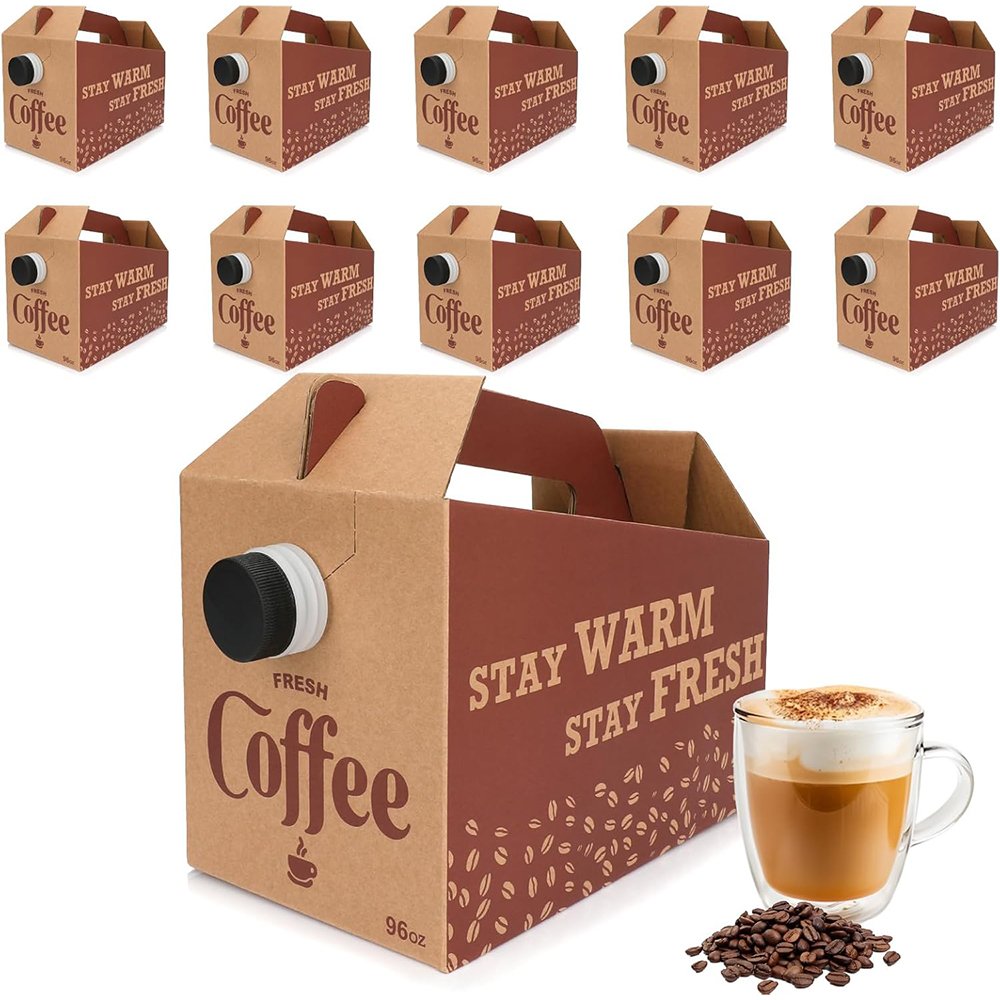
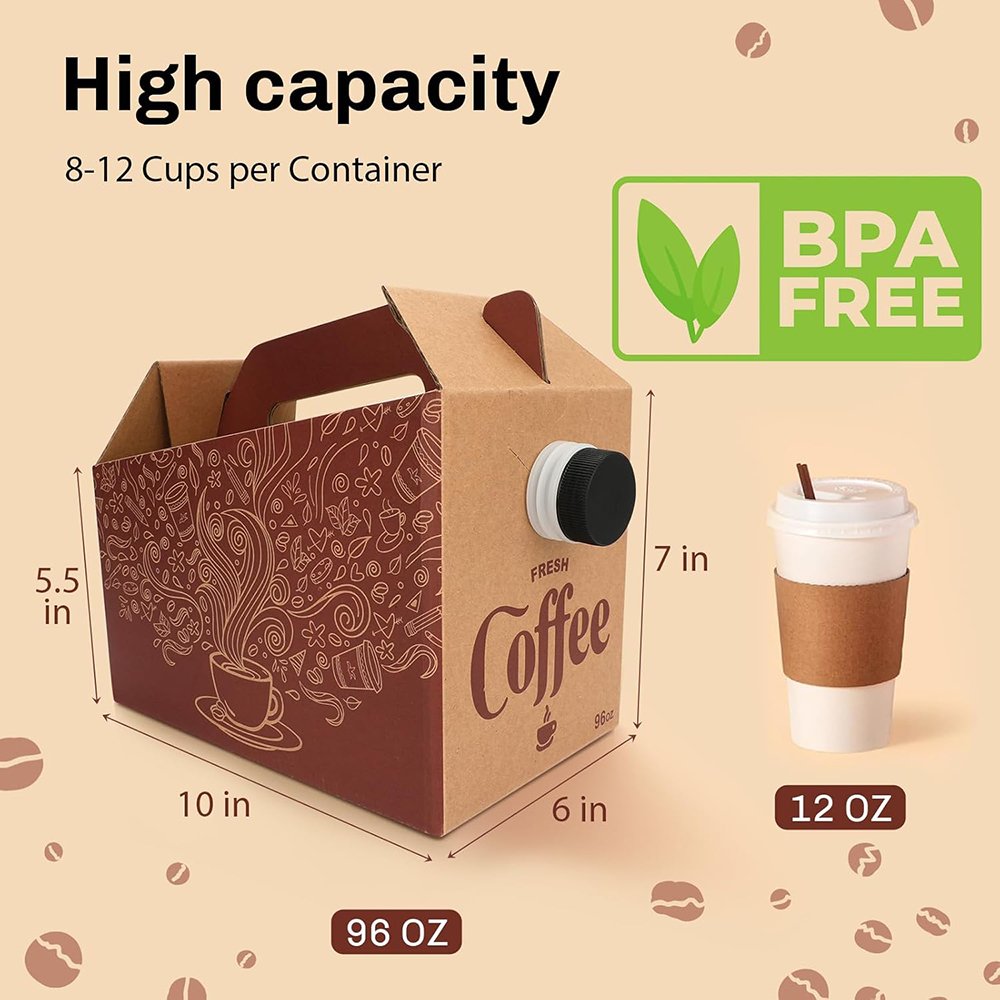
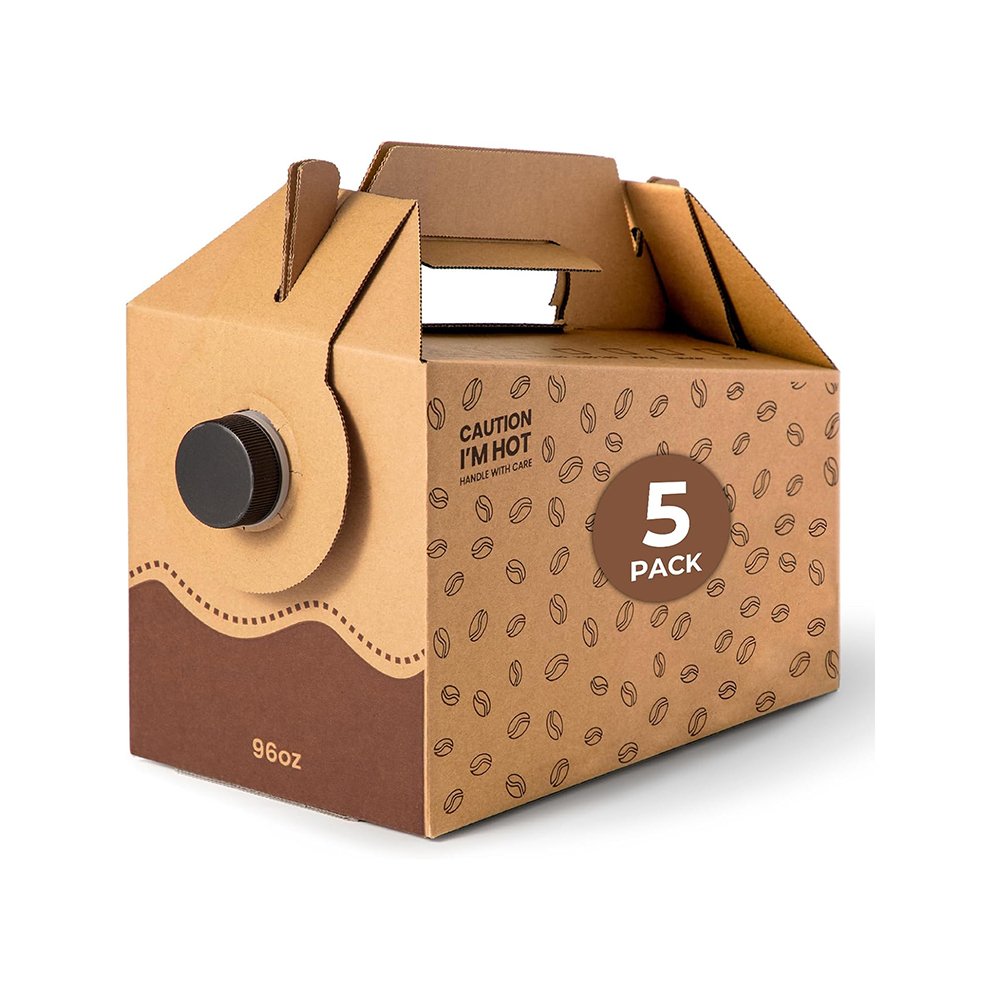
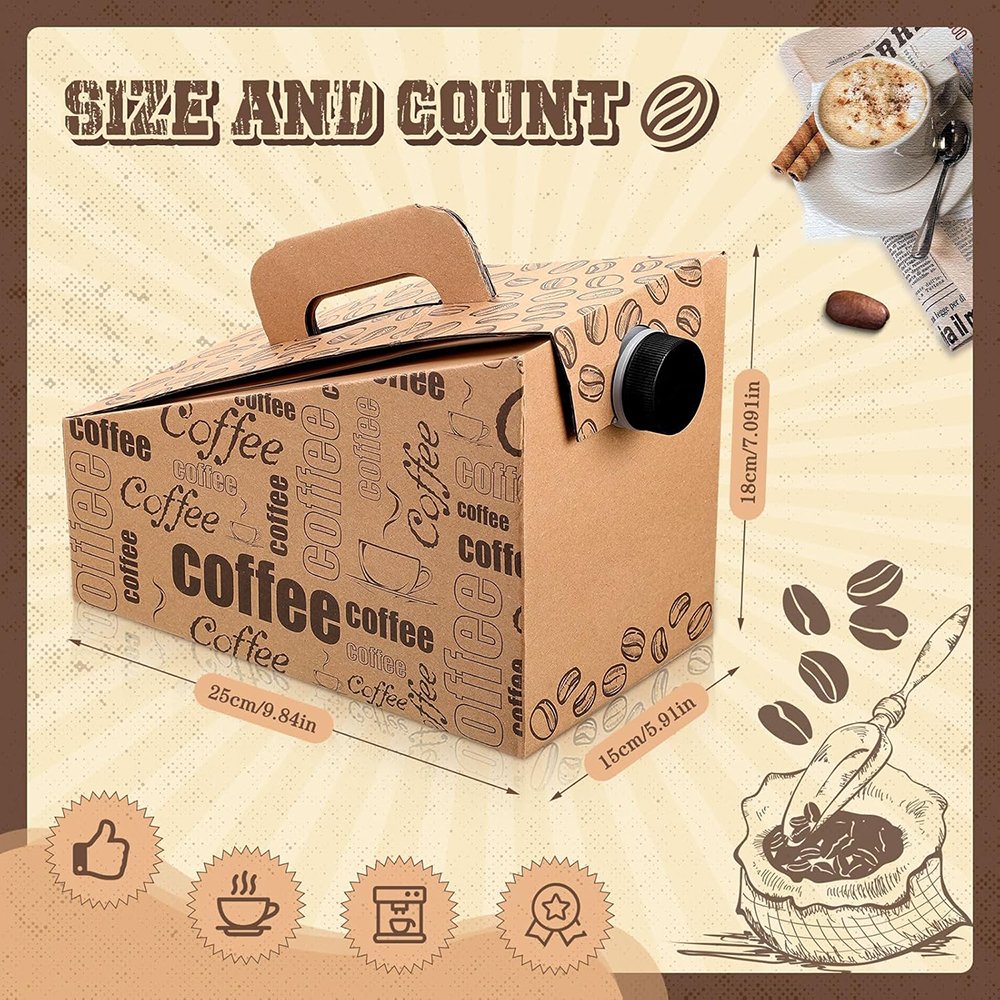
Cold brew coffee has rapidly become one of the fastest-growing beverage categories worldwide. Unlike hot coffee, cold brew is brewed slowly at low temperatures and is typically distributed and served chilled. Many coffee chains, cafés, catering companies, and beverage brands now use coffee BIB (Bag-in-Box) systems because they are lightweight, portable, cost-effective, and ideal for bulk beverage dispensing.
However, delivering cold brew coffee presents a packaging challenge that is often underestimated: condensation.
Many coffee businesses place a coffee BIB inside an insulated delivery ice chest or cooler together with ice packs. While this keeps the beverage cold, it also creates a high-humidity environment. As warm air contacts the cold packaging, water vapor condenses on the outer surface of the corrugated cardboard box. Over time, this condensation can soak into the paper fibers, causing the box to soften, warp, lose strength, or even fail during transportation.
The consequences can be serious:
- Soft or collapsed cardboard walls
- Deformed printing and poor brand presentation
- Reduced stacking strength
- Torn handles
- Bottom panel failure
- Difficult dispensing
- Increased risk of leakage if the inner bag loses structural support
Fortunately, these problems can be prevented through thoughtful packaging engineering rather than simply using thicker cardboard.
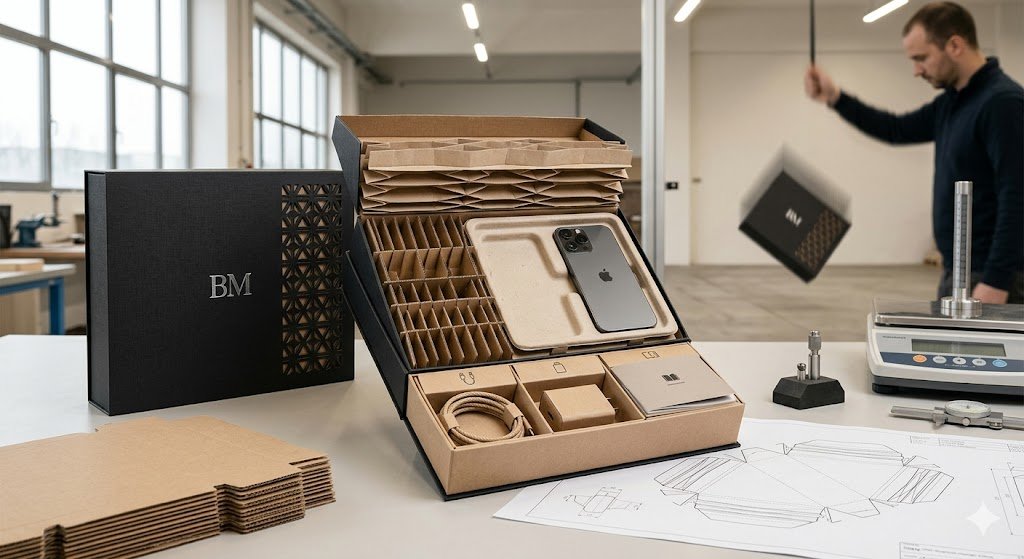
As a professional coffee bag in box manufacturer, BM has more than ten years of experience developing customized paper packaging, retail displays, beverage packaging, and Coffee Box Dispensers. We help coffee brands optimize every component of a coffee BIB system—from the inner bag and dispensing tap to moisture-resistant corrugated structures—ensuring reliable performance during cold-chain transportation.
This guide explains why condensation damages coffee BIB packaging and shares practical design strategies to prevent cardboard from becoming soft in delivery ice chests.
Why Condensation Forms on Coffee BIB Packaging
Condensation is a natural physical phenomenon.
When a cold coffee BIB is placed inside a delivery cooler, the outer box temperature becomes significantly lower than the surrounding air. Moisture in the warm air condenses into liquid water when it contacts the cold cardboard surface.
Several conditions increase condensation:
- Large temperature differences
- High ambient humidity
- Frequent opening of the cooler
- Meltwater from ice packs
- Poor ventilation inside delivery containers
Unlike occasional splashes of water, condensation continuously wets the paper surface over several hours.
Why Moisture Is a Serious Problem for Coffee BIB Corrugated Boxes
Corrugated board is primarily made from cellulose fibers.
These fibers naturally absorb water.
As moisture penetrates the paper structure, several mechanical properties decrease.
Loss of Compression Strength
Wet paper fibers become flexible rather than rigid.
This reduces the box’s ability to support stacking loads.
Bottom Panel Weakening
The bottom panel carries the entire weight of the filled coffee BIB.
When moisture weakens this area, tearing or bursting becomes much more likely.
Warping and Dimensional Changes
Uneven moisture absorption causes different sections of the board to expand at different rates.
This leads to:
- Bowed side panels
- Curved edges
- Poor dispenser alignment
Printing Damage
High-end graphics may suffer:
- Ink smearing
- Surface whitening
- Coating damage
- Reduced visual appeal
For premium coffee brands, appearance is almost as important as functionality.
Coffee BIB Paper Selection: The First Defense Against Condensation
Selecting the proper paperboard is the foundation of moisture-resistant packaging.
A professional coffee box factory evaluates much more than board thickness.
Important factors include:
- Fiber quality
- Corrugated structure
- Surface treatment
- Moisture resistance
- Compression performance after humidity exposure
Virgin kraft liners generally retain strength better than lower-grade recycled liners when exposed to moisture.
Choosing the Right Corrugated Flute for Coffee BIB
The flute structure influences both insulation and moisture resistance.
Double-Wall Corrugated Board
Double-wall constructions provide:
- Higher compression strength
- Better structural stability
- Improved resistance to moisture deformation
This makes them suitable for many commercial Coffee Box Dispensers.
Optimized Flute Geometry
A professional coffee bag in box factory considers flute height, flute density, and paper combinations to maximize strength while controlling weight.
The objective is not simply to use thicker board, but to maintain structural integrity after prolonged exposure to humid environments.
Moisture-Resistant Coatings for Coffee BIB Packaging
One of the most effective solutions is preventing water from entering the paper fibers.
Several coating technologies are available.
Water-Based Barrier Coatings
Modern water-based coatings create a protective surface that slows moisture absorption while maintaining recyclability.
Advantages include:
- Plastic-free options
- Good printability
- Environmentally friendly
- Suitable for food packaging
Aqueous Protective Varnishes
Aqueous coatings help reduce surface wetting caused by condensation.
Although they are not waterproof, they significantly improve short-term moisture resistance.
Functional Barrier Papers
Some specialty papers are manufactured with integrated moisture-resistant properties rather than relying entirely on surface coatings.
These materials can improve long-term performance inside delivery coolers.
Coffee BIB Structural Design Can Reduce Condensation Damage
Moisture protection is not only about coatings.
Structural engineering also plays a major role.
Raised Bottom Design
Instead of allowing the entire box bottom to sit directly in accumulated water, the structure can be designed to minimize direct water contact.
This significantly reduces moisture absorption.
Double Bottom Reinforcement
Adding a secondary bottom layer provides:
- Additional stiffness
- Moisture buffering
- Improved load distribution
This is especially valuable for larger Coffee to Go Containers.
Internal Air Gaps
Small air spaces between the inner bag and the outer box reduce temperature transfer to the cardboard.
Lower surface cooling means less condensation forms on the outside.
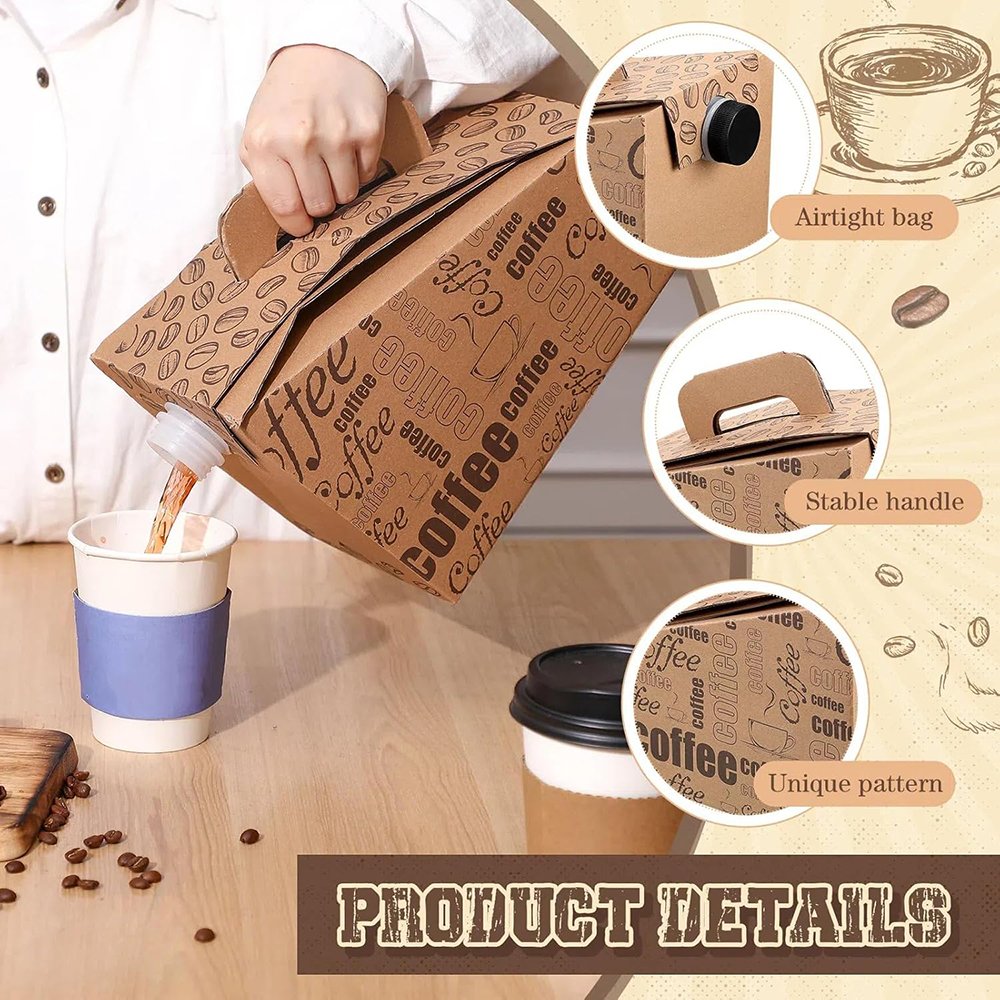
The Coffee BIB Inner Bag Also Helps Prevent Moisture Problems
The inner bag influences more than beverage protection.
Proper bag dimensions support the outer box from the inside.
A well-designed bag:
- Reduces wall deformation
- Maintains structural rigidity
- Prevents localized stress
This internal support helps the box remain stable even if the outer surface becomes damp.
Handle Design for Moisture-Exposed Coffee BIB Packaging
One overlooked failure point is the carrying handle.
Wet paper handles lose strength much faster than dry paper.
Professional coffee bag in box manufacturers improve handle durability by:
- Reinforcing handle areas
- Increasing paper layers
- Distributing lifting forces
- Reducing stress concentration around die-cut openings
This is especially important for Portable Coffee Carrier Containers used by catering companies and coffee delivery services.
Delivery Ice Chest Best Practices for Coffee BIB
Packaging alone cannot solve every problem.
Proper delivery procedures also matter.
Recommended practices include:
Separate Ice from Cardboard
Whenever possible, use sealed ice packs instead of loose ice.
This minimizes direct water exposure.
Improve Air Circulation
Avoid tightly packing multiple coffee BIB units without airflow.
Reducing trapped humidity lowers condensation.
Keep the Box Elevated
A simple plastic rack or raised platform inside the cooler prevents the cardboard from sitting directly in meltwater.
Reduce Delivery Time
Shorter transportation times reduce moisture exposure and preserve packaging quality.

Testing Coffee BIB Packaging for Condensation Resistance
Professional packaging development should include realistic environmental testing.
Humidity Chamber Testing
Evaluates performance under high humidity.
Cold Storage Simulation
Replicates refrigerated transportation.
Wet Compression Testing
Measures box strength after moisture exposure.
Bottom Load Testing
Determines whether the box maintains integrity after absorbing water.
Transportation Simulation
Combines vibration, stacking, and humidity to replicate real delivery conditions.
These tests allow engineers to identify weak points before commercial production.
Common Mistakes That Cause Coffee BIB Boxes to Warp
Choosing Standard Corrugated Board
Regular shipping cartons are rarely designed for prolonged exposure to condensation.
Using Low-Quality Recycled Paper
Some recycled fibers absorb water much faster than high-quality kraft materials.
Ignoring Meltwater Inside Coolers
Even excellent packaging will fail if it remains submerged in standing water.
Selecting Coatings Based Only on Appearance
Gloss coatings improve visual appeal but may not significantly improve moisture resistance.
Packaging performance should always be evaluated alongside aesthetics.
How BM Designs Moisture-Resistant Coffee BIB Packaging
As a trusted coffee bag in box manufacturer, BM develops customized beverage packaging solutions tailored to real distribution environments.
Our engineering team evaluates:
- Beverage temperature
- Transportation duration
- Delivery method
- Ambient humidity
- Storage conditions
- Customer handling requirements
We optimize:
- Corrugated board selection
- Moisture-resistant coatings
- Bottom reinforcement
- Handle strength
- Internal support structures
- Printing durability
Our customized solutions are used for:
- Coffee Box Dispensers
- Coffee Beverage Dispenser supplier projects
- Coffee to Go Containers
- Coffee to Go Drink Containers
- Portable Coffee Carrier Containers
Future Trends in Coffee BIB Moisture Protection
The packaging industry is rapidly developing more sustainable alternatives to traditional plastic barriers.
Emerging innovations include:
Plastic-Free Moisture Barrier Papers
Designed to improve recyclability while resisting water.
High-Performance Water-Based Coatings
Offering improved moisture resistance without plastic lamination.
Bio-Based Functional Coatings
Renewable materials capable of protecting paper from condensation.
Smart Packaging Sensors
Future coffee BIB systems may include humidity indicators that alert distributors when storage conditions exceed safe limits.

Frequently Asked Questions
Can thicker cardboard alone prevent condensation damage?
No. Thickness improves strength, but moisture-resistant coatings, structural design, and proper delivery practices are equally important.
Will plastic lamination completely solve the problem?
Plastic lamination improves water resistance, but it may reduce recyclability and is not always necessary. Modern water-based barrier technologies often provide an excellent balance between performance and sustainability.
Should coffee brands redesign the entire box for cold brew?
Yes. Packaging designed for hot beverages may not perform well under chilled distribution conditions. Cold brew logistics require different engineering priorities.
How can coffee brands reduce condensation without increasing packaging cost significantly?
Optimizing board grade, flute combination, structural reinforcement, and delivery procedures often delivers greater performance improvements than simply adding expensive materials.
Smart Coffee BIB Engineering Prevents Cardboard from Becoming Soft
Condensation is one of the biggest hidden challenges in cold brew distribution. A coffee BIB that performs perfectly in a warehouse may soften quickly inside a humid delivery ice chest if moisture management is overlooked.
The most effective solution is a combination of:
- Moisture-resistant corrugated board
- Functional barrier coatings
- Reinforced structural design
- Elevated bottom construction
- Well-fitted inner bags
- Optimized delivery practices
- Comprehensive environmental testing
Rather than relying on thicker cardboard alone, successful coffee BIB packaging is built through integrated engineering that considers the entire cold-chain distribution process.
As an experienced coffee bag in box manufacturer, BM helps coffee brands develop customized packaging systems that preserve structural strength, maintain premium appearance, and protect product quality throughout transportation. From Coffee Box Dispensers and Coffee Beverage Dispenser supplier solutions to Coffee to Go Containers, Coffee to Go Drink Containers, and Portable Coffee Carrier Containers, BM provides packaging engineered for real-world performance while supporting both sustainability goals and exceptional customer experiences.
نبذة عن شركة بي إم لتصنيع علب الورق
نحن مصنع متخصص في تصميم وتصنيع علب التغليف الورقية حسب الطلب، ولدينا خبرة عشر سنوات في هذا المجال. نركز على تزويد عملائنا بحلول تغليف عالية الجودة ومخصصة، تغطي مجالات الإلكترونيات الاستهلاكية، والمستلزمات الطبية، ومستحضرات التجميل، وغيرها، وذلك من خلال تصميم مبتكر وتقنية متقنة، لإضفاء لمسة جمالية مميزة على منتجاتهم.
بصفتنا مصنعًا متخصصًا في تصميم وتصنيع علب التغليف الورقية حسب الطلب، نقدم خدمات شاملة تغطي الإلكترونيات الاستهلاكية، والمستلزمات الطبية، ومستحضرات التجميل، وغيرها من المجالات. سواءً أكان الأمر يتعلق بعلبة هدايا فاخرة لأجهزة إلكترونية راقية، أو تغليف احترافي للمعدات الطبية، أو علبة خارجية أنيقة لمستحضرات التجميل، فإننا قادرون على تصميم حلول التغليف الأمثل وفقًا لاحتياجات عملائنا وخصائص منتجاتهم. وقد حظيت خبرتنا وكفاءتنا بتقدير العديد من العلامات التجارية، وأصبحنا شريكًا موثوقًا به لها.
لماذا تختار مصنع بي إم لصناديق الورق؟
جودة فائقة: بصفتنا أحد أفضل مصنعي علب الكرتون المخصصة في الصين، يضمن فريق مراقبة الجودة لدينا أن كل منتج تستلمه يتمتع بأعلى جودة. لدينا أجهزة اختبار جودة احترافية.
تصميم المنتج: يمتلك قسم العينات لدينا عملية متكاملة لتحويل الرسومات إلى منتجات واقعية. كما نعمل على تحسين تصميم منتجك بناءً على خبرتنا الطويلة. أخبرنا برأيك.
وقت تسليم ثابت: بصفتنا أفضل مصنع ومورد لصناديق الهدايا، لدينا قدرة تصنيعية كافية، ولن تتغلب علينا الطلبات الكبيرة، وسنظل قادرين على تسليم طلبك في الوقت المحدد.
أفضل سعر: نحن مصنع متخصص في علب الورق وأفضل مصنع في الصين، ولهذا السبب يمكننا توفير أكياس عالية الجودة بأفضل سعر.
الإدارة الدقيقة: لا يمكن تحقيق أي شيء دون تطبيق إدارة دقيقة. نحن شركة تمتلك نظام إدارة متكامل.
خدمة على مدار الساعة: بصفتنا أفضل مصنّع لصناديق الورق، نوفر استجابة فورية على مدار الساعة طوال أيام الأسبوع. نرحب بملاحظاتكم لتحسين خدماتنا. تواصلوا معنا.(+86 18925520049)
الأسئلة الشائعة حول صندوق الورق من بي إم
نحن شركة تصنيع صينية رائدة، ويقع مصنعنا في دونغقوان. نرحب بزيارتكم لمصنعنا!
نحن شركة متخصصة في توريد منتجات التغليف الورقي، وخاصة في مجال تغليف الهدايا. نستطيع إنتاج أنواع مختلفة من الصناديق والأكياس الورقية متعددة الاستخدامات.
• نقدم خدمات متكاملة ونقبل التصاميم المخصصة حسب متطلباتكم.
• بالطبع، عادةً ما نقدم عينات مجانية، وما عليك سوى تغطية تكاليف الشحن. أما بالنسبة للعينات المطبوعة حسب الطلب، فيُرجى إرسال متطلباتك إلينا للتحقق من تكلفة العينة.
• يستغرق إنتاج العينة حوالي 7 أيام.
نعم، نحن نقدم خدمات تصميم مجانية، وتصميم هيكلي، وتصميم جرافيكي بسيط.
بالتأكيد. يمكننا تصميم أي عبوة حسب طلبك. نقدم الآن خدمة تصميم وتصنيع العبوات حسب الطلب (ODM) للكميات الصغيرة من 100 إلى 500 قطعة، مع إمكانية إضافة شعارك الخاص.
اعتمادًا على كمية الطلب وتفاصيل الإنتاج، سيستغرق الأمر حوالي 15 إلى 20 يومًا.
يتم دائمًا إجراء عينة ما قبل الإنتاج قبل بدء الإنتاج بكميات كبيرة؛ ويتم دائمًا إجراء فحص نهائي قبل الشحن.
• الحجم، والمادة، وتفاصيل الطباعة، والكمية، ووجهة الشحن، إلخ.
• يمكنك أيضًا إخبارنا بمتطلباتك وسنوصي لك بالمنتجات المناسبة.
• عن طريق البحر أو الجو أو البريد السريع.
• إذا كان لديك وكيل شحن خاص بك في الصين، فسيكون السعر هو سعر المصنع أو سعر FOB.
•CFR أو CIF، إلخ، إذا كنت بحاجة إلينا للشحن نيابة عنك.
• يمكن استخدام DDP و DDU أيضًا.
• المزيد من الخيارات، سنأخذ خياراتك بعين الاعتبار.
• يتحدد السعر بناءً على الكمية والمادة وطريقة المعالجة والحجم وعوامل أخرى. بالإضافة إلى ذلك، وبفضل جهودنا المستمرة
بفضل الابتكار التكنولوجي، تتميز أسعار بعض منتجاتنا بتنافسيتها العالية، لذا يرجى الاتصال بنا للحصول على عرض أسعار.