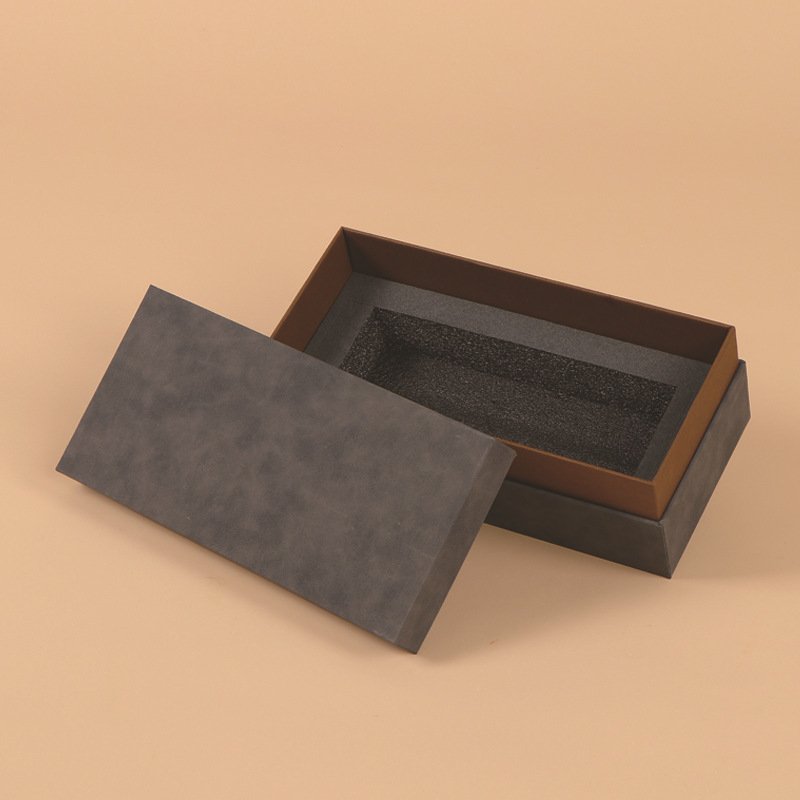
Wine boxes packaging matters. A bottle of wine is more than just liquid in a glass container — it carries brand image, occasion value, and often emotional or gifting significance. The right packaging not only protects the bottle, but also communicates quality, brand identity, and enhances unboxing or gifting experience.
As a seasoned paper-box (and general packaging) manufacturer, you know how important it is to offer a variety of wine-box styles — some affordable and practical, some luxurious and presentation-oriented. Over time, certain box styles have emerged as “classic” or “go-to” solutions for different needs: single-bottle gifts, multi-pack shipping, premium gifting, display, eCommerce shipping, and more.
This blog walks you through 10 of the most common (and commercially useful) wine box packaging styles — what they are, their pros and cons, ideal use-cases, and design/structural considerations.
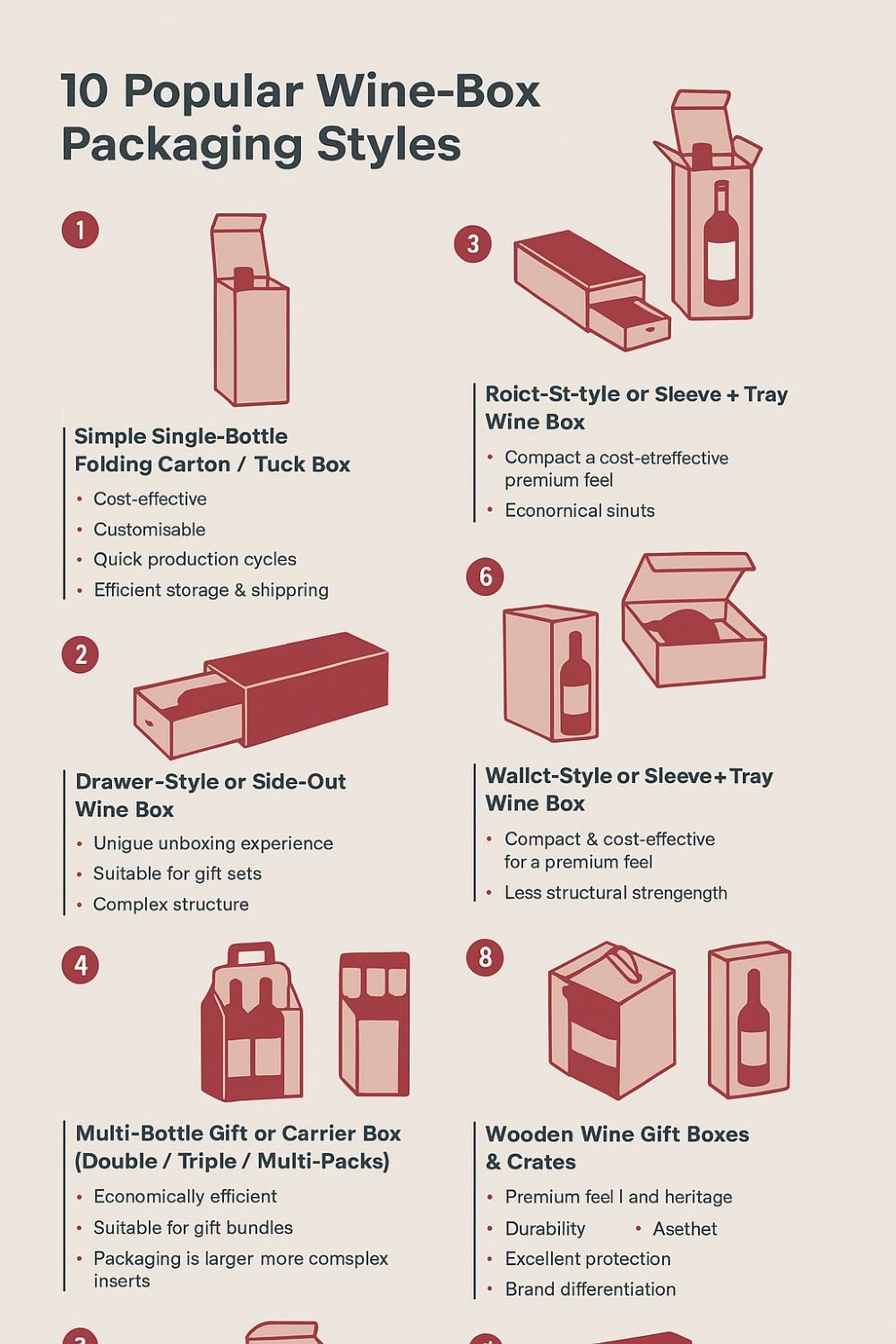
1. Simple Single wine boxes-Bottle Folding Carton / Tuck Box
Description
This is the most straightforward wine boxes style: a folding carton designed to hold one bottle, often with a tuck-top or tuck-bottom closure. The box is shipped flat — die-cut, scored, printed, and ready for folding — which makes it easy to store in bulk before filling.
This kind of box is typically made with paperboard or cardboard, with optional inserts to secure the bottle. Many vendors use it as a standard, low-cost packaging option.
Pros
Cost-effective: Less material, simple structure, minimal finishing required.
Efficient storage & shipping (pre-assembly): Flat shipping reduces storage volume and inbound logistics cost.
Customizable: Easy to print labels, graphics, brand logos; can use matte/gloss lamination, etc.
Quick production cycles: Simple die, easy folding — good for small to medium orders.
Cons
Less premium feel — may not be ideal for high-end gifting.
Less protective — may need internal padding to prevent bottle breakage in transit.
Standard sizing may not suit all bottle shapes (some wine bottles are taller/larger than standard).
Best Use Cases
Entry-level wine products or value lines
Retail bottles for everyday consumption
E-commerce direct-to-consumer orders (with protective inserts)
Bulk packing when cost per unit is critical
Design & Manufacturing Tips
Use a snug internal dimension — avoid too much empty space that requires extra filler.
Add internal cardboard partition or molded pulp insert for bottle neck and base support.
Use strong paperboard (e.g. 350–500gsm) for sturdiness.
Offer optional finishes (matte lamination, spot UV, embossing) for upgraded SKUs.
2. Rigid Gift Wine Boxes with Lid & Base (Two-Piece Box)
Description
A two-piece rigid box: solid base + separate lid. Commonly used for premium gift wine boxes packaging. The structure is similar to luxury gift boxes, giving sturdiness, elegance, and a premium feel. Some versions include built-in cushioning inserts (foam, molded pulp, or paper) to cradle the bottle securely.
Pros
Premium presentation: High perceived value — ideal for gifting, holidays, corporate gifts.
Excellent protection: Thick board + insert cushioning reduces breakage risk.
Reusable: Customer may reuse the box as storage or display — adding perceived value.
Branding & finishing opportunities: You can use foil stamping, embossing, special papers, soft-touch finishes, etc.
Cons
Higher production cost (materials, board, inserts, finishing).
Larger storage volume (for empty boxes).
Longer production lead times (die, board sourcing, finishing).
Best Use Cases
Premium / luxury wines, limited-edition bottles
Corporate gifting, holiday packaging, gift bundles
Wines targeted at premium retail channels or boutique shops
Design & Manufacturing Tips
Use strong rigid board (e.g. greyboard / chipboard) for structure; thickness should handle bottle weight plus insert.
Customize insert internal layout — bottle snug fit, maybe secondary compartment for accessories (e.g. corkscrew, stopper).
Allow for consistent tolerances (bottle diameter varies by region/brand).
Add finishing touches — ribbon pull, magnetic closure, foil logo — while ensuring production feasibility.
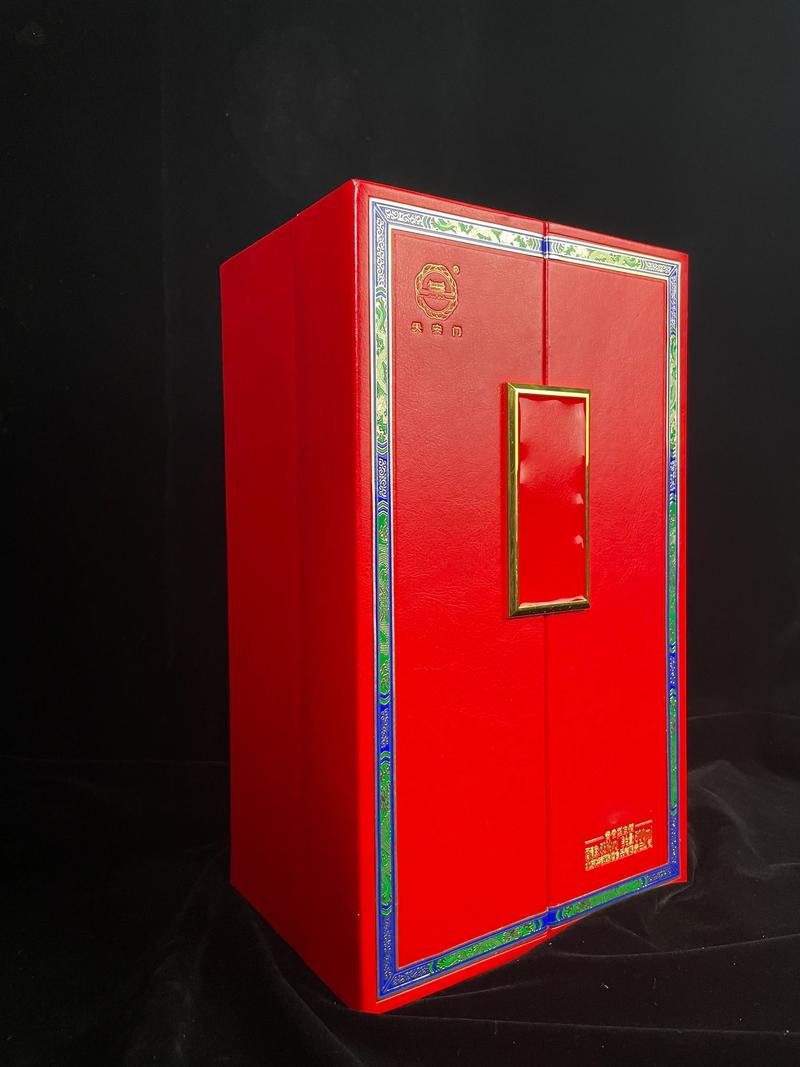
3. Drawer-Style or Slide-Out Wine Boxes
Description
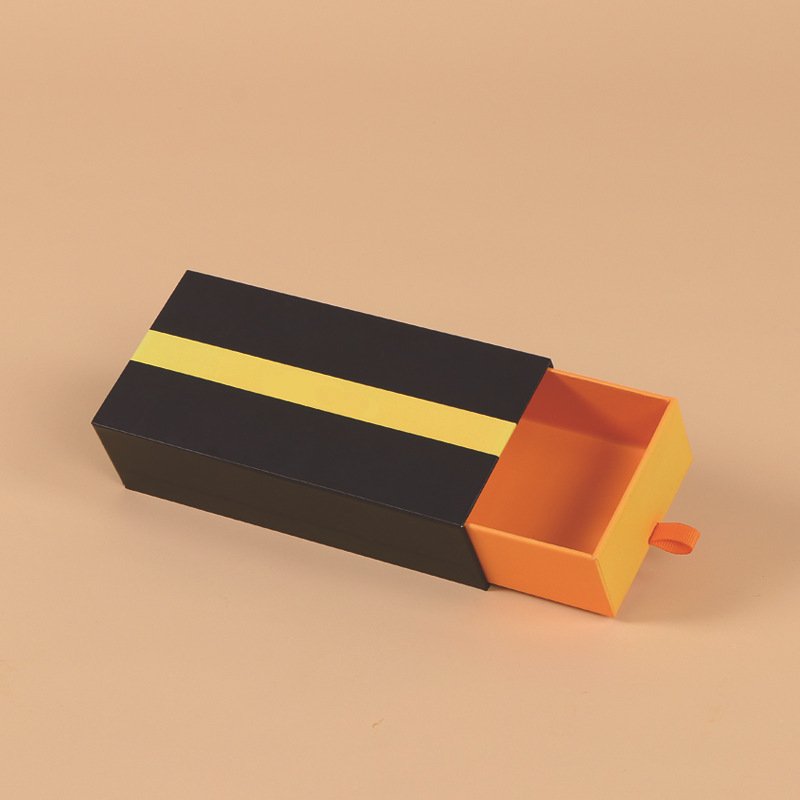
A drawer box (or slide-out box) features an outer shell and an inner tray (drawer) that slides out. Often used for wine bottles plus accessories (wine opener, stopper, glasses) or for elegant presentation when gifting. Many folding-box suppliers list drawer-style wine boxes among their custom packaging offerings.
Pros
Unboxing experience: Sliding drawer offers a sense of luxury and anticipation.
Suitable for gift sets: Can include multiple items (bottle + accessories), making it great for gift or promotional sets.
Good protection: The tray helps stabilize the bottle; outer shell gives rigidity and protection.
Differentiation: Provides unique experience, can help brand stand out on shelf or during gifting.
Cons
More complex die lines and assembly — higher cost than simple folding cartons.
Insert/tray must be carefully engineered to avoid too loose / too tight fit.
Not always suitable for mass shipping (bulk), especially if weight or size increases.
Best Use Cases
Premium gift sets (wine + accessories)
Single-bottle premium wines targeted at gifting, anniversaries, holidays
Seasonal limited editions or special retail packaging
Design & Manufacturing Tips
Design inner tray to securely hold bottle — maybe with neck cradle + base support + cushioning.
Ensure smooth sliding mechanism — avoid friction or tearing by scoring/folding correctly.
Consider finishes: foil stamping, spot UV, embossing for outer shell.
Provide clear dielines and assembly instructions — drawer boxes are more sensitive to die/ crease alignment.
4. Magnetic-Closure Wine Boxes (Rigid with Flip / Lid + Magnetic Flap)
Description
A step up from traditional rigid boxes, magnetic-closure wine boxes offer a sleek, premium unboxing experience. These boxes use embedded magnets in the lid and body so the box closes securely and opens with a satisfying “click.” Often used for high-end gift bottles, corporate gifts, or premium wines. Many custom packaging manufacturers list “magnetic wine gift boxes” as top luxury packaging options.
Pros
Premium feel: The magnetic closure gives a sense of luxury and quality.
Usability: Easy to open/close, reusable, sturdy structure — presents well on shelf or as gift.
Brand perception: Great for high-end wine brands; enhances perceived value.
Protection & security: Box stays closed, reducing risk of accidental opening during shipping or storage.
Cons
Higher cost (materials, magnetic hardware, finishing).
Heavier and bulkier — may increase shipping cost.
More complex manufacturing and assembly process.
Best Use Cases
Luxury wines, limited vintages, collector’s editions
Corporate gifts, holiday gift packs, premium retail lines
Wines sold as gifts rather than everyday consumption
Design & Manufacturing Tips
Embed magnets accurately — tolerance must be tight for smooth closing.
Use quality rigid board (minimum thickness, good lamination) to handle repeated opening/closing.
Combine with premium finishing — e.g. matte lamination + foil stamping, embossing — to maximize perceived value.
Test closure and durability during prototyping stage.
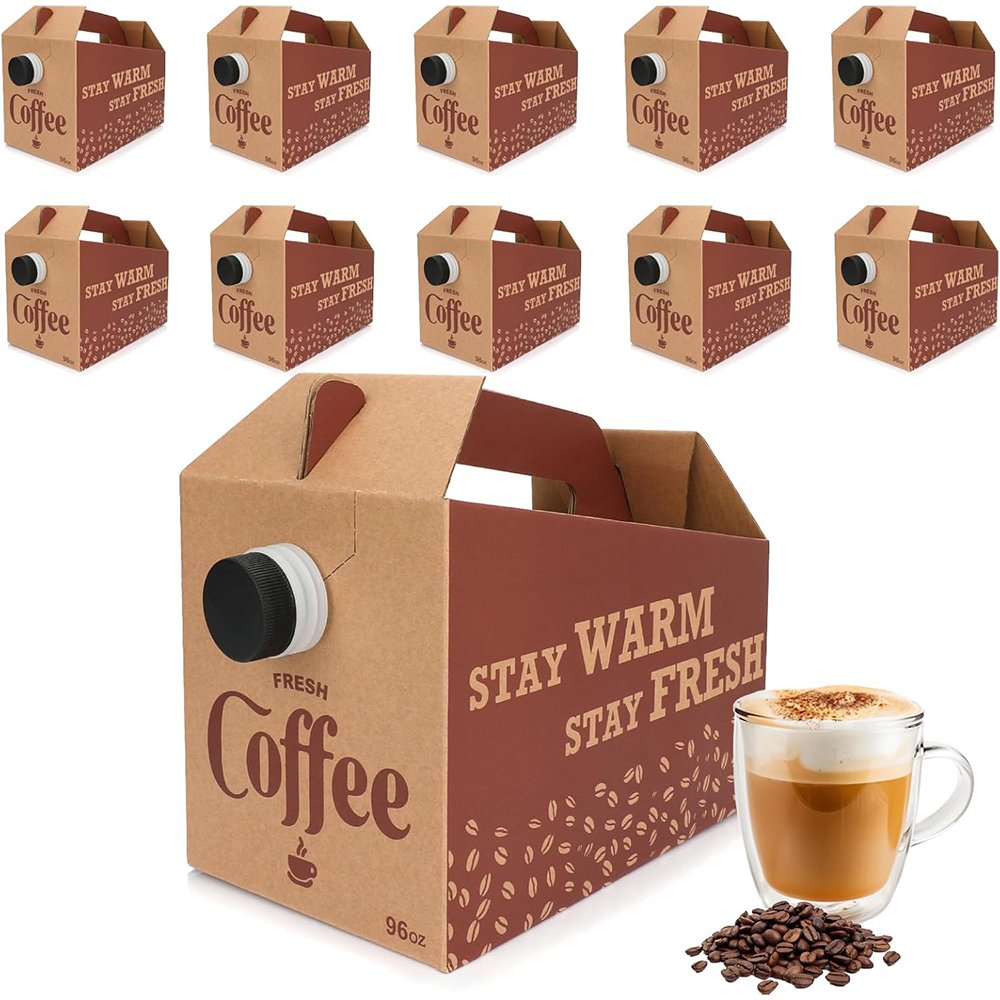
5. Multi-Bottle Gift or Carrier Box (Double / Triple / Multi-Packs)
Description
Boxes designed to hold two or more bottles — e.g., double-wine boxes, triple-packs, or multi-bottle gift sets. These can be folding cartons with dividers/partitions, rigid boxes with inserts, or even corrugated cases for shipping larger quantities. Many packaging suppliers categorize these as “case packs,” “double wine boxes,” or “set boxes.”
Pros
Economic efficiency: One box houses multiple bottles, reducing material use per bottle and simplifying packaging.
Gifting / value packs: Popular for gift bundles, holiday promotions, or retail multi-packs.
Transport efficiency: Easier to handle/ship multi-units, less packing complexity per bottle.
Marketing opportunity: Great for limited edition multi-packs, mixed-varietal sets, holiday bundle sales.
Cons
Higher box weight and size — increases shipping cost and may require stronger board / internal reinforcement.
More complex inserts/dividers needed to prevent bottles clinking or breaking.
Packaging design and die are more complex — higher tooling and production cost than single-bottle boxes.
Best Use Cases
Holiday or promotional bundles (e.g. “Red & White set,” “Celebration gift box”)
Retail multi-packs, mixed-wine sets, subscription boxes
Bulk gift orders, hospitality industry, corporate gifting
Design & Manufacturing Tips
Design sturdy internal partitions; consider molded pulp or cardboard dividers that cradle bottles.
Use strong board or corrugated construction — ensure bottom and side strength for full weight.
Account for shipping stress: cushioning, moisture resistance (if needed), secure closures.
Label and brand outside — possibly with windows or cutouts to display bottle labels without opening.
6. Wallet-Style or Sleeve + Tray Wine Boxes
Description
This design uses a sleeve (outer jacket) and inner tray (slide-out or pull-out). The bottle sits in the tray; the sleeve wraps around. This is similar to drawer-style, but often more compact and usually uses thinner materials (paperboard) — often called “sleeve + tray” or “wallet-style” packaging. Some are used for single bottles, others for multi-packs or accessory sets. Custom wine boxes suppliers list sleeve + tray among their options.
Pros
Compact & slim: Good shelf presence, easier for retail display, less bulky than rigid box + lid.
Cost-effective for premium feel: Offers presentation benefits without full rigid-box cost.
Flat shipping & storage pre-assembly: Sleeves and trays ship flat before assembly → reduces logistics cost.
Customizable insert/tray design: Can include molded pulp, velvet/fabric padding, or simple cardboard cradle.
Cons
Less structural strength compared to rigid boxes — may perform worse under heavy load or rough shipping.
Sleeve wear or tear over time if sleeve is too tight or friction is high.
Depending on materials/finishing, perceived as less premium than rigid box.
Best Use Cases
Mid-range wines where brands want a touch of elegance without high cost
Retail bottles where shelf appearance matters
Gift-with-accessories sets (e.g. wine + opener + stopper), with compact carrying size
Design & Manufacturing Tips
Use quality paperboard, strong tray/cardboard base — avoid too thin material.
Ensure sleeve/tray tolerances are correct — avoid too tight fit which makes opening/closing hard or damages sleeve.
For inserts — consider molded pulp or die-cut cardboard cradle with cushioning.
For graphics — use your printing and finishing options strategically (spot UV, foil on sleeve) to elevate perceived value.

7. Corrugated Shipping & Multi-Pack Wine Cases (Bulk / Distributor Boxes)
Description
These are more “functional” than decorative: corrugated cardboard boxes or cases used for bulk shipments, wholesale distribution, or transport of multiple bottles. Often includes dividers / partitions, cushioning, and structural reinforcement to handle weight, stacking, and handling during transit.
Pros
Strong protection: Corrugated board handles weight, stacking, transport stress.
Cost-efficient for bulk shipping or wholesale: Cheap per-unit packaging cost when amortized over many bottles.
Stackable and pallet-ready: Good for logistics, distribution centers, and bulk orders.
Recyclable / sustainable: Corrugated cardboard is often recyclable; cost-effective for large volumes.
Cons
Less aesthetic appeal — not suitable for gift or retail display on its own.
Larger physical volume — increases shipping or warehousing footprint.
Usually requires secondary packaging (inner gift box) if sold directly to consumers.
Best Use Cases
Wholesale distribution, export shipments
Multiple-bottle packs for retailers, restaurants, bars
E-commerce direct shipments (when paired with cushioning)
Base packaging for wine producers shipping bulk orders
Design & Manufacturing Tips
Use sturdy corrugated flutes (e.g. B, C, or BC flute) depending on load and shipping conditions.
Include internal dividers or partitions; consider molded pulp or honeycomb inserts for extra protection.
Test stacking and compression strength (especially if palletized).
For sustainability — use recycled corrugated board; consider moisture-resistant coatings if shipping internationally or through humid zones.
8. Wooden gift Wine Boxes & Crates
Description
Not strictly “paper-box,” but many wine brands (especially premium or collector-oriented) choose wooden wine boxes or crates — using plywood, pine, hardwood, or other solid wood — to give a rustic, elegant, or vintage feel. Wooden boxes often feature sliding lids, hinged lids, engraved or laser-etched logos, and even compartments for multiple bottles or accessories.
Pros
Premium feel & heritage: Conveys craftsmanship, luxury, and longevity — ideal for collectible wines or limited-edition bottles.
Durability & reusability: Wooden boxes can be reused, stored, or repurposed by customers (e.g. as wine racks, decorative crates).
Excellent protection: Solid structure shields bottles well; good for long-term storage, aging wines, shipment over long distance.
Brand differentiation: Unique look — appeals to customers looking for premium presentation or as gifts.
Cons
High cost: Material and production cost significantly higher than paper-based boxes.
Heavier & expensive shipping: Weight adds to freight cost.
Not flat-packable: Occupies storage space; not space-efficient before filling.
Sourcing and sustainability concerns: Depending on wood type, may raise sustainability or environmental regulatory issues.
Best Use Cases
Collector wines, limited-edition releases, high-end gift sets
Anniversary gifts, corporate gifts, luxury retail lines
Wines meant for aging or premium display
Markets where heritage, quality and packaging value heavily influence perception
Design & Manufacturing Tips
Use hardwood or quality plywood with smooth finish; avoid splinters or rough edges.
Provide protective inserts or foam padding to cradle the bottle inside wood box.
Consider engraving or laser-etching for logos instead of printed labels — adds class and durability.
Balance between wood thickness (for protection) and weight (for shipping); avoid over-engineering.
9. Innovative or Alternative Wine boxes Packaging: Cylinders, Tubes, Bags / Non-traditional Materials
Description
Beyond traditional boxes, some brands explore alternative packaging styles: cylindrical paperboard tubes, cardboard sleeves, bag-in-box systems, even non-traditional materials (metal or composite containers). While less common for premium wines, they serve niche markets or modern branding — especially for retail, festivals, or eco-conscious consumers.
Examples:
Paperboard tubes or cylinder gift boxes — a long tubular box for one bottle, sometimes with padding.
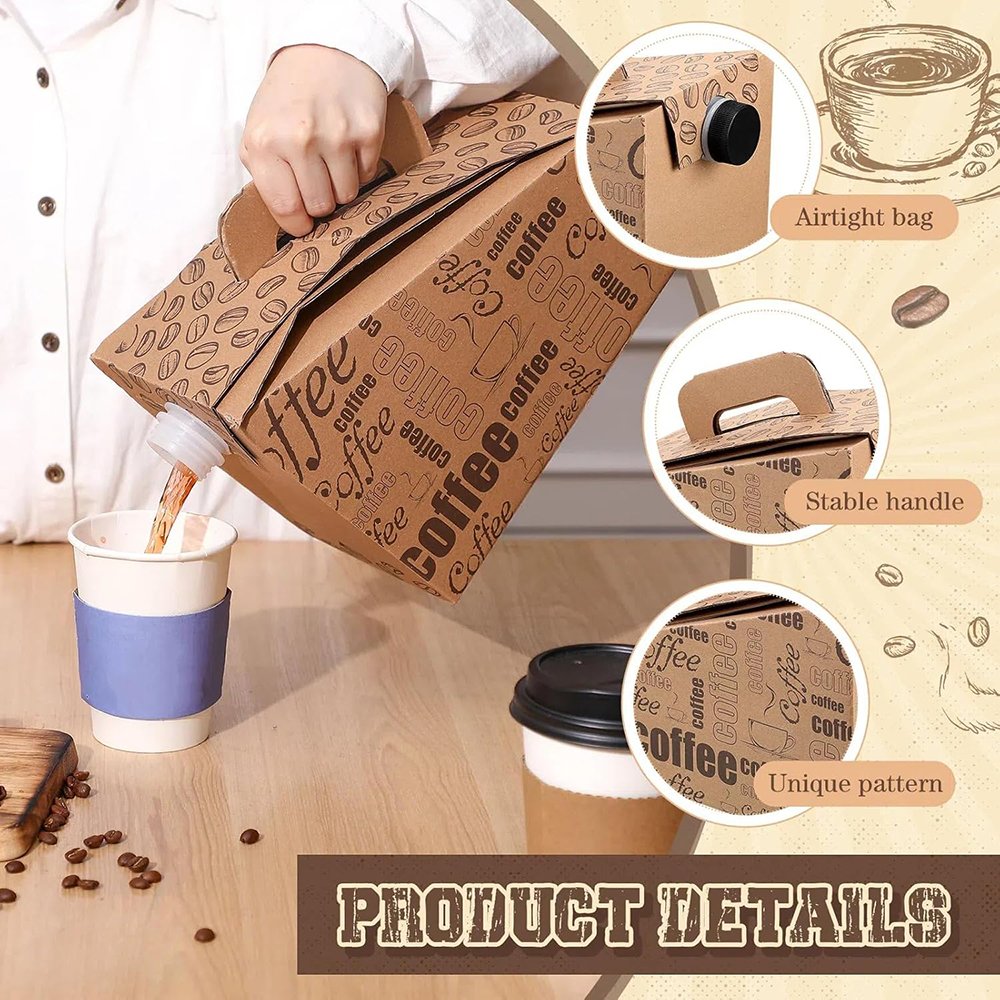
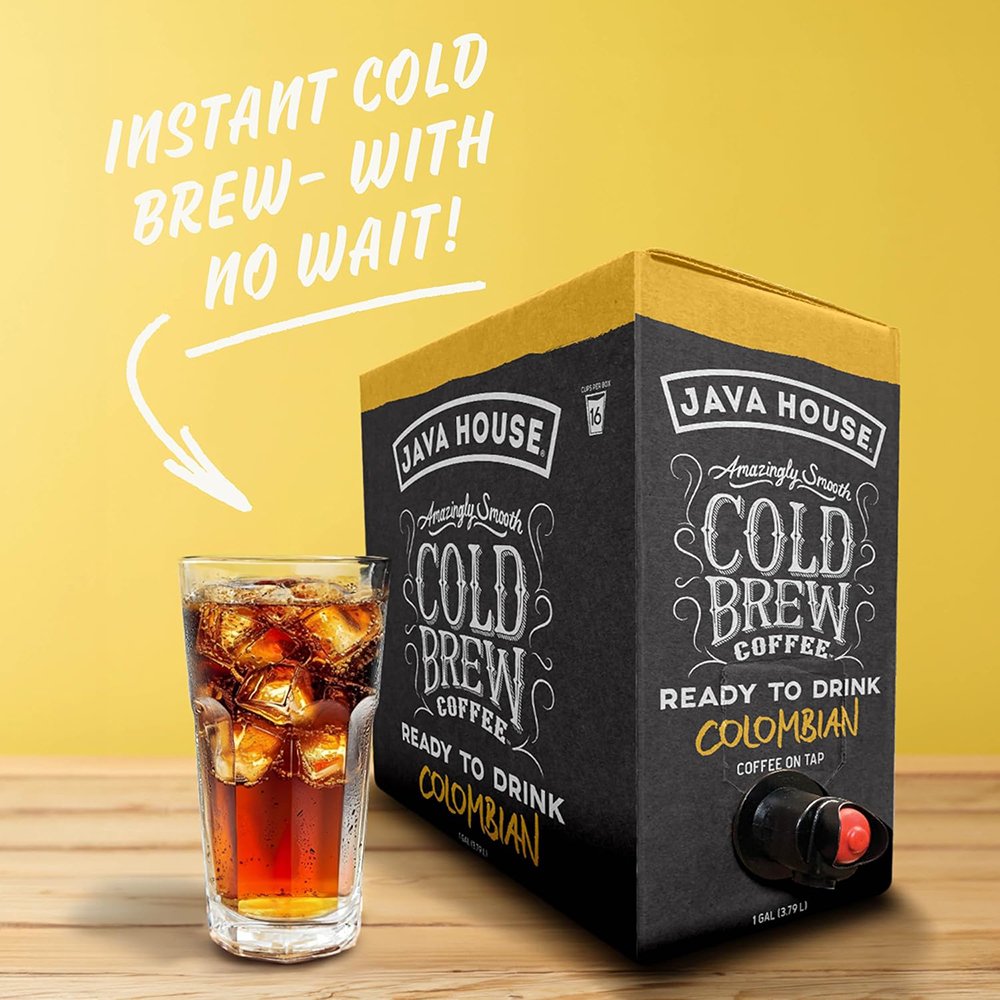
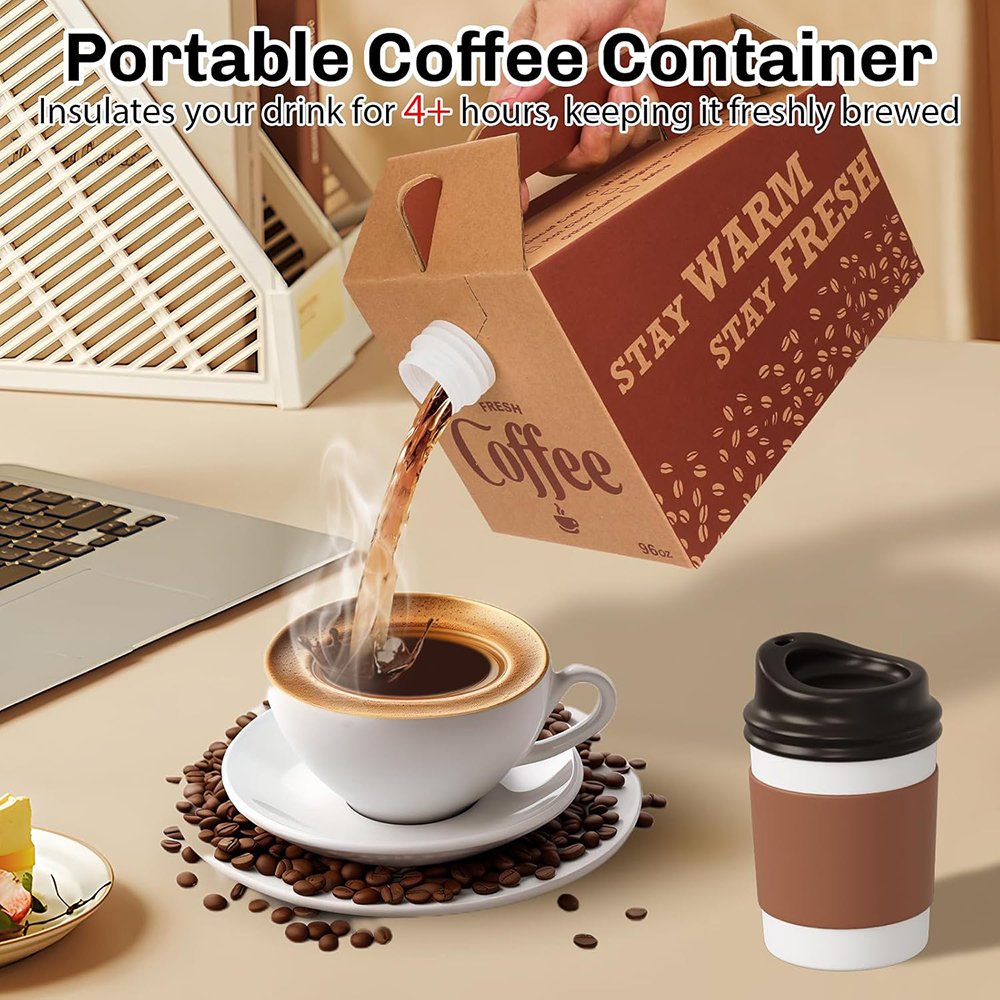
Bag-in-Box (BIB) — used more often for bulk wine, but increasingly popular in wine packaging for convenience and portability.
Sleeves with minimalist tubes or flat packaging — creative designs targeting younger or urban consumers.
Pros
Differentiation: Stand out from conventional wine boxes — good for marketing or niche branding.
Eco-friendly / lightweight (depending on materials): Some tube/paper options use less material; bag-in-box uses less glass and may reduce environmental impact.
Convenient / portable: Easier to carry, lighter, sometimes re-usable.
Cost-effective (in some cases): Tube packaging may be cheaper to produce than rigid boxes; BIB is efficient for large volumes.
Cons
Limited market acceptance — many buyers expect traditional wine boxes.
Perceived value may be lower (less “luxury” feel).
Protection levels vary — need careful design to avoid bottle damage.
Regulatory and shelf-presentation constraints (especially for BIB or non-glass containers).
Best Use Cases
Budget-friendly wines, mass-market products
Brands targeting eco-conscious or younger demographics
Events, festivals, casual consumption markets
Bulk wine promotions, boxed wine, or alternative distribution formats
Design & Manufacturing Tips
If using tube packaging — ensure interior padding (foam, molded pulp) to avoid bottle damage.
For BIB — ensure high-quality bag lining, safe seals, and box structure able to hold weight.
Clearly communicate packaging type and concept to consumers (since it’s non-traditional).
For batch orders — ensure compliance of materials (food-grade, recyclability, labeling).
10. Hybrid & Custom Wine Boxes Solutions — Mix of Protection, Aesthetics & Functionality
Description
Sometimes one box style is not enough. For many brands, a hybrid approach — combining features from multiple packaging styles — offers the best balance of cost, protection, and brand positioning. Examples:
Rigid box + magnetic closure + internal foam insert — for premium gifting with protection.
Sleeve + insert + outer corrugated shipping box — great for eCommerce: inner box for presentation, outer box for logistics.
Multi-bottle rigid crate with removable dividers + carry handle — for wine sets or gift bundles.
Cardboard tube + soft-touch coating + printed sleeve — for trendy or modern-brand wines.
Pros
Flexible & adaptable: Can match a wide range of products and needs.
Balanced cost-performance-value: Mix of affordability and premium feel depending on components.
Brand differentiation & versatility: Easier to customize per SKU, customer segment, or season.
Scalable for different channels: Retail, gifting, eCommerce — can tailor packaging accordingly.
Cons
More complex to design and produce — requires careful engineering and quality control.
Higher tooling and assembly cost compared to basic boxes.
May lead to higher minimum order quantities or more complex supply chain.
Best Use Cases
Brands with multiple SKUs (standard, premium, gift, multi-pack) needing different packaging tiers
Gift sets, seasonal collections, limited editions
Wines sold across retail, online, and wholesale channels
Design & Manufacturing Tips
Work with experienced packaging manufacturer (like you) — proper dieline design, prototype, testing essential.
Standardize internal modules (inserts, trays) to reuse across variants — reduces cost and complexity.
For mixed packaging (inner + outer), ensure outer box protects inner presentation during shipping / handling.
Use finishes strategically — e.g. soft-touch on inner box, protective corrugated outer for transit.
Wine boxes are not one size fits all
Wine boxes packaging is not “one size fits all.” Because wine bottles vary in shape, weight, target market, and price positioning — and because brands have different distribution channels (premium retail, eCommerce, gifting, wholesale) — having multiple packaging solutions is critical.
Here are strategic recommendations for you (as a packaging manufacturer) and for clients / brands:
Offer a diversified “portfolio” of box styles — from economical folding cartons to premium rigid gift boxes, wooden crates, hybrid solutions: this gives maximum flexibility for your clientele.
Segment by product tier: Use simple cartons or sleeve-boxes for standard products; rigid/magnetic/wood boxes for premium wines; multi-pack or corrugated cases for wholesale and shipping.
Modularize your offering: Build standardized inserts, trays, dividers or cores that can be reused across different SKUs, to reduce cost and complexity.
Use variable finishing and customization wisely: Reserve expensive finishes (foil, embossing, soft-touch) for premium SKUs; use simple finishes for mass-market lines; maintain consistent quality across finishing levels.
Always prototype & test: For bottles of different shapes/dimensions or special pack types (drawer, slide, hybrid), pre-production samples are crucial.
Balance protection and presentation: For wines shipped long distance or overseas, ensure interior cushioning and structural strength; for retail or gifting, emphasize aesthetic and unboxing feel.
Educate clients / brands: Provide them with packaging style guidance — helping them match packaging design to product positioning, price point, and market channel.
Be ready for custom requests: Some clients may ask for unique or non-traditional packaging (tube, bag-in-box, etc.). As a flexible manufacturer, being able to support these expands your market reach.
Optimize cost vs value: Use material and structural selection wisely to avoid over-engineering — expensive wood boxes for inexpensive wines devalue margin; simple cartons for premium wines may hurt brand perception.
Sustainability & eco-appeal: Offer recycled/eco-friendly materials (SBS board, corrugated, recycled rigid board) — especially popular for modern consumers.
From Your Perspective as a Packaging Manufacturer
Because you’ve been working for many years in paper-box manufacturing and customization, you are in a unique position to:
Provide clients full consultation — matching their wine product, target customers, price tier, distribution channel to the right box style.
Offer one-stop solutions — from structural design, dieline development, materials, inserts, printing, finishing to delivery.
Use economies of scale and standardization — by standardizing certain modules (inserts, trays, dividers), you reduce tooling and production cost, while maintaining flexibility for custom orders.
Cater to multiple segments — from budget-friendly to luxury, from single bottle to multi-pack, from domestic retail to export shipping.
Differentiate your offering by combining function, aesthetics and sustainability, thereby attracting clients who value quality as well as responsible packaging.
As wine markets evolve — from traditional retail to eCommerce, gifting, subscription boxes, corporate gifting, and diversified consumption — the demand for versatile, well-designed, cost-effective, and appealing wine packaging boxes continues to grow. By mastering (and offering) a broad set of wine packaging styles, you position your company for long-term success.
About BM Paper Box Manufacturer
We are a professional paper packaging box customization factory with ten years of industry experience. We focus on providing customers with high-quality customized packaging solutions, covering consumer electronics, medical equipment consumables, cosmetics and other fields, with ingenious design and exquisite technology, to add infinite charm to customers’ products.
As a professional paper packaging box customization factory, our service range is wide, covering consumer electronics, medical equipment consumables, cosmetics and other fields. Whether it is the exquisite gift box of high-end consumer electronics, the professional packaging of medical equipment, or the fashion outer box of cosmetics, we can tailor the most suitable packaging solution according to the needs of customers and the characteristics of the product. Our professional strength has been recognized by many brand customers and become their trusted partner.
Why Choose BM Paper Box Factroy
HIGH END QUALITY:As one of the best customized paper box manufacturer in china, our QC team will ensure every single product you receive are best quality. We have professional quality testing machine.
PRODUCT DESIGN:Our sampling department has complete process of making drawings into reality. We also improve your product design based on our years of working experience.Tell us what you think.
STABLE DELIVERY TIME:As the best gift box manufacturer & supplier,we have sufficient manufacturing capacity, big orders won’t beat us, we can still deliver the order for you in time.
BEST PRICE:We are source factory of paper boxes and the best manufacturer in China, that’s why we can provide high quality bags with best price.
PRECISE MANAGEMENT:Nothing can be achieved if we don’t implement precise management. We are a company with complete management system.
7-24 SERVICE:As the best paper box manufacturer, 24-7 immediate response: We’ll receive your feedback to make us a better supplier.contact us(+86 18925520049)
FAQs About BM Paper Box
We are a Chinese top manufacturer and our factory is located in Dongguan. Welcome to visit our factory!
• We are a professional paper packaging product provider, especially in the gift packaging field. We can produce kinds of paper boxes and paper bags for multi-purpose.
• We provide one-stop services and accept custom designs as your requirements.
•Of course, usually we will provide free samples, and you only need to cover the freight. For custom printed samples, pls send your requirements to us for checking the sample cost.
• It takes about 7 days for sample production.
Yes, we provide free design services, structural design and simple graphic design.
Sure. We can do any packaging with your design. Now we open a ODM packaging which is for small quantity from 100pc to 500pc,but you can still have your own logo.
Depending on the order quantity and production details, it will take about 15 to 20 days.
Always a pre-production sample before mass production; Always final Inspection before shipment
• Size, material, printing details, quantity, shipping destination, etc.
• You can also just tell us your requirements and we will recommend products to you.
• By sea, by air or by express.
• If you have your own freight forwarder in China, it is the ex-factory or FOB price.
•CFR or CIF, etc., if you need us to ship on your behalf.
• DDP and DDU can also be used.
• More choices, we will consider your choices.
• The price is determined by the quantity, material, processing method, size and other factors. In addition, due to our continuous
technological innovation, the prices of some of our products are extremely competitive, please contact us to quote.