








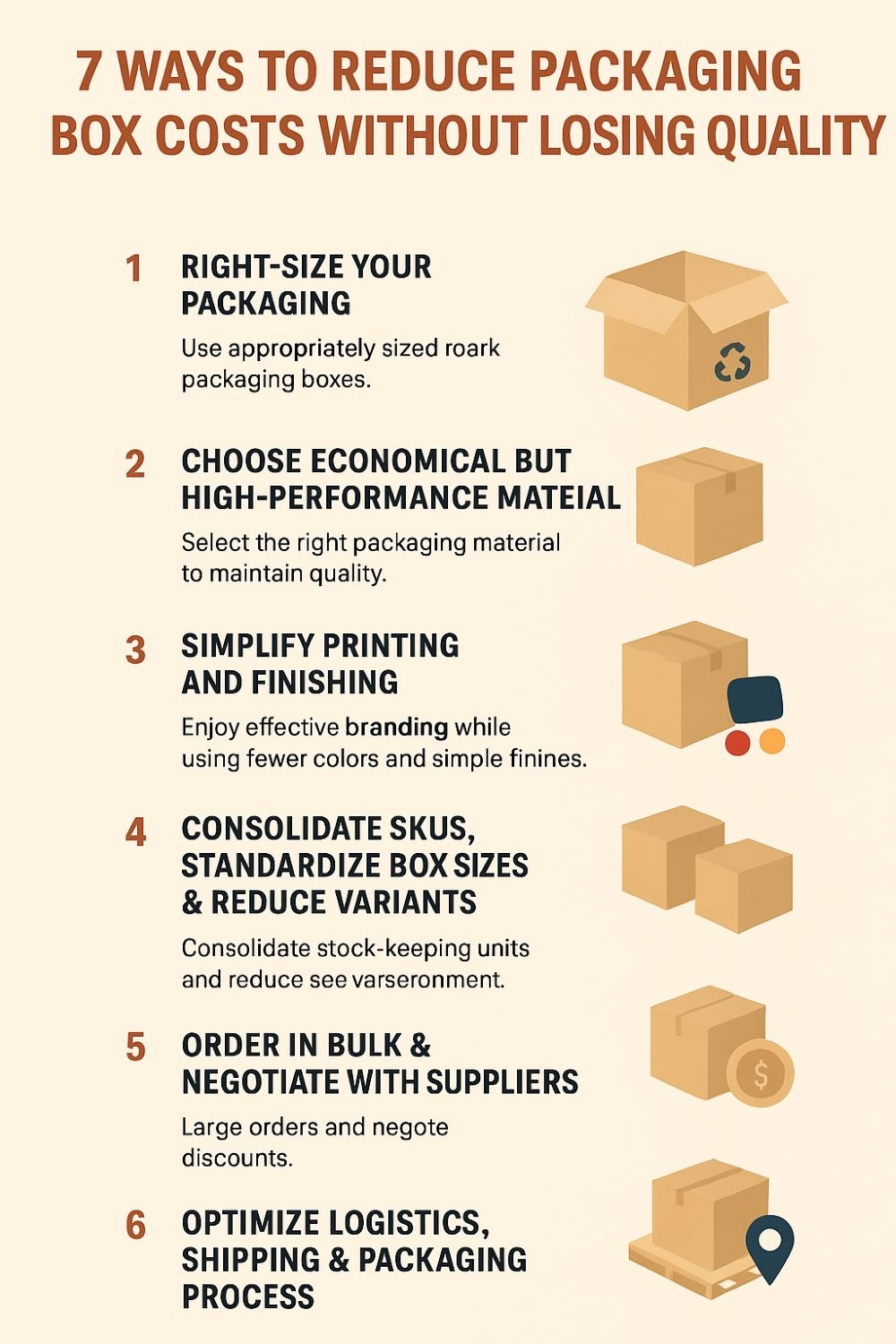
In the world of packaging, the old adage applies: you can’t cut cost by cutting quality. But you can reduce costs while still delivering high-quality custom packaging boxes—if you apply the right strategies. As a paper box manufacturer with many years of experience helping brands design and produce custom packaging solutions, we’ve seen what works (and what doesn’t). This blog will walk through actionable, practical methods your brand can adopt to maintain quality standards while lowering 包装箱 cost.
1. Why cost reduction matters—without cheapening your brand
Packaging boxes play multiple roles: protection, branding, presentation, customer experience. If you cheapen the 包装箱 too much, you risk hurting the brand perception, increasing damage/failures, or losing consumer trust. On the other hand, many brands overspend on packaging because they haven’t optimized. According to recent guidance, right-sizing, simplifying prints, and bulk ordering are viable ways to reduce cost without dropping quality.
So the goal is: keep quality and appearance (and structural integrity) high, but cut waste, excess materials, inefficient processes, over-engineering or unnecessary features.
2. Right-size your packaging: fit the box to the product
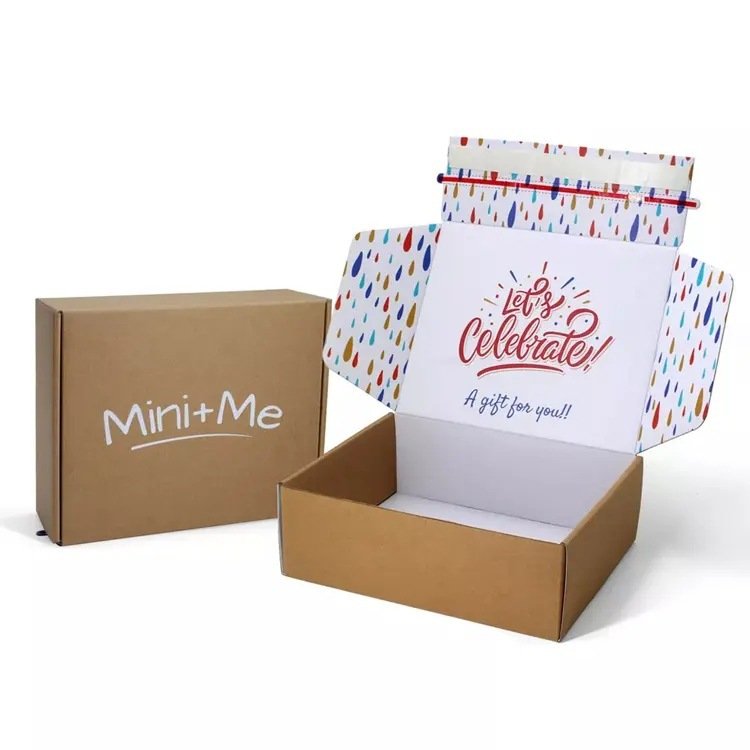
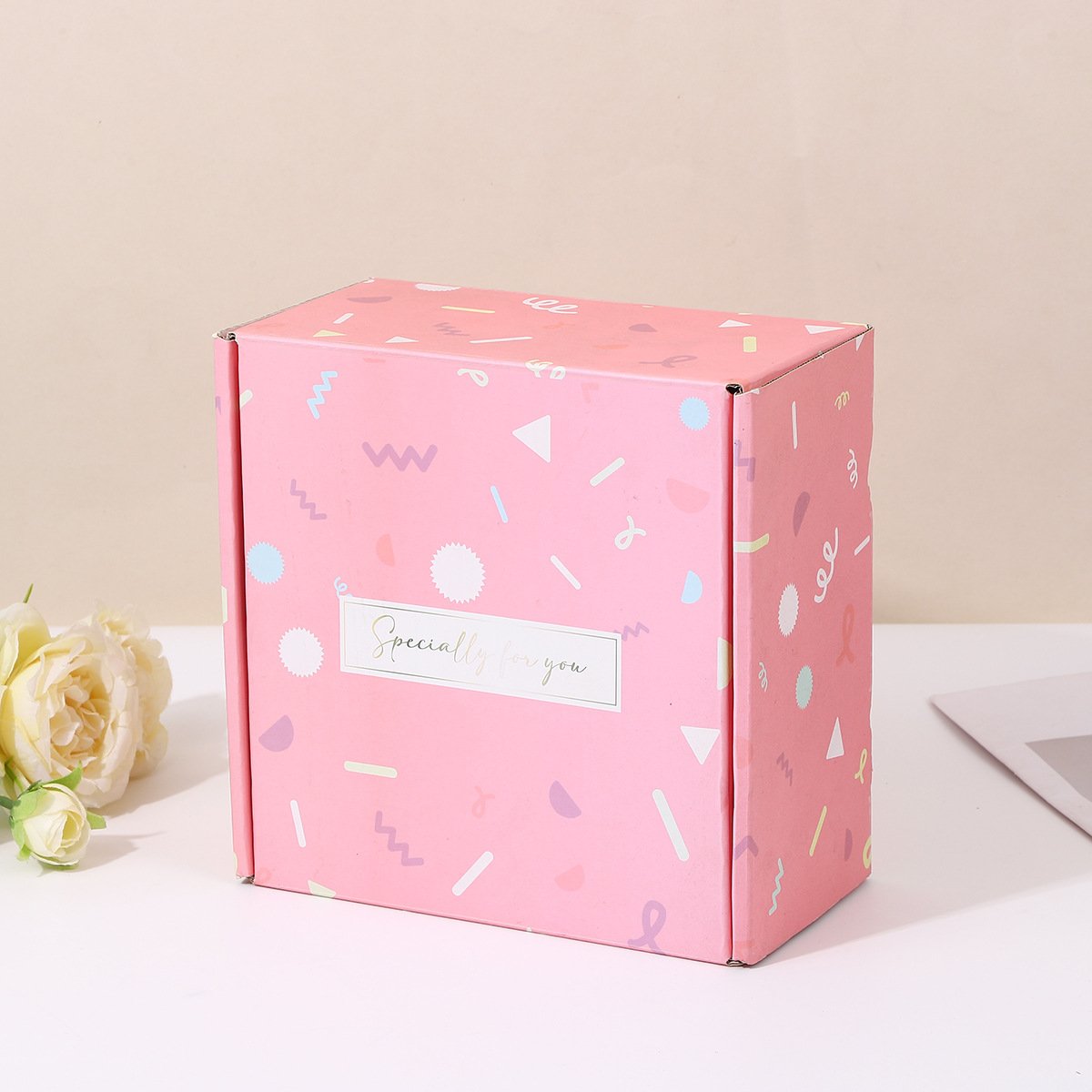
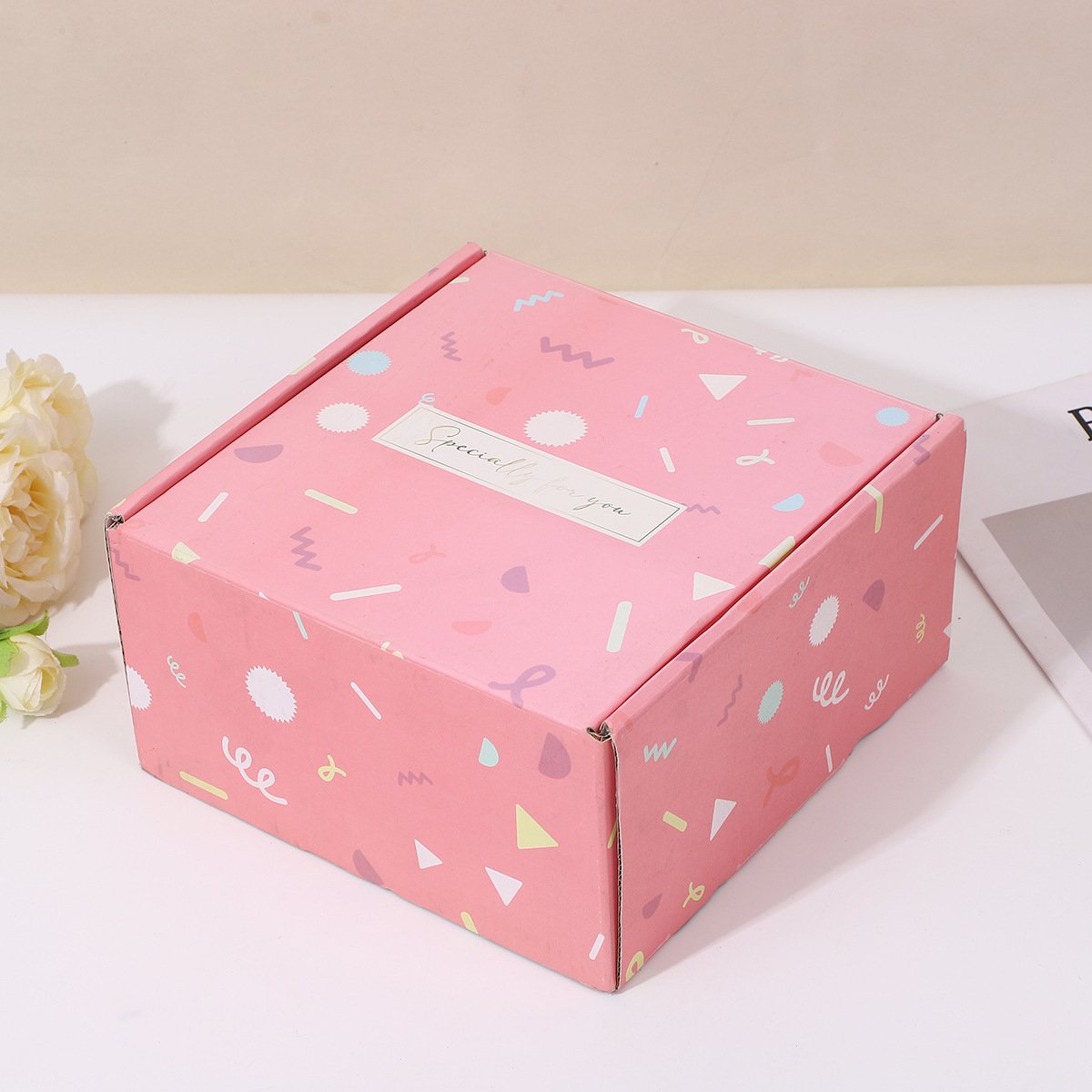
One of the fastest ways to reduce cost is ensuring your packaging box is proportional to your product—not oversized. Oversized boxes use more board material, need more filler, weigh more (shipping cost increases) and often look under-finished (product looks small inside big box). Several sources emphasise this.
What to do:
Audit your current SKUs: measure internal void space, how much extra room exists in the box.
Reduce internal extra space, adjust board cut sizes.
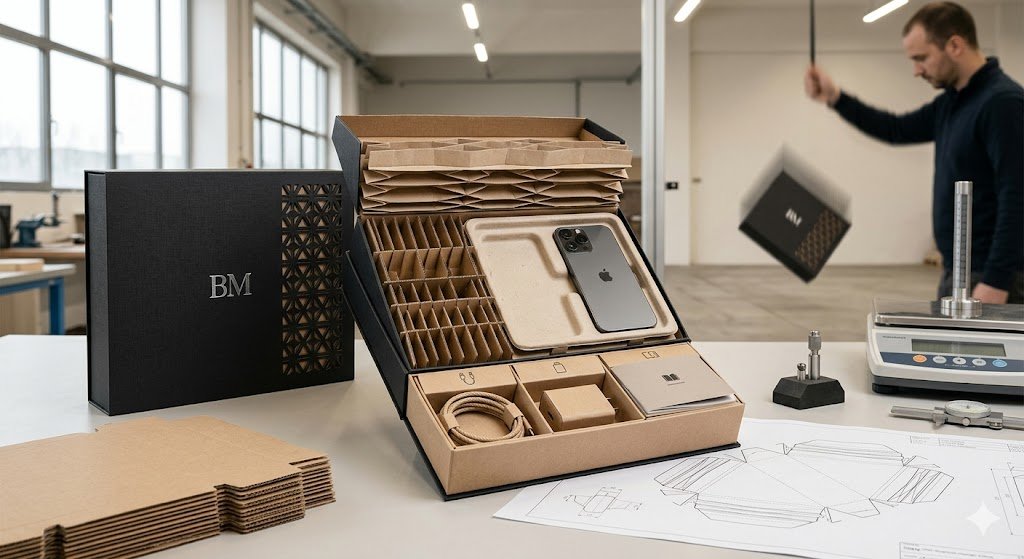
Use insert cushions or partitions to fit smaller items into tighter boxes rather than defaulting to a large box.
Consider consolidating multiple product lines into standardized box sizes to reduce tooling and board variation.
Benefits:
Less material cost (board, adhesive, glue flaps)
Lower shipping / freight cost because dimensional weight is less
Better consumer perception (product looks well-fitted, packaging feels premium)
Less void fill/padding needed.
Caution points:
Make sure box still protects safely (enough clearance for handling, padding)
Ensure structural strength is maintained (board thickness, coatings) when size is reduced.
3. Choose economical but high-performance materials
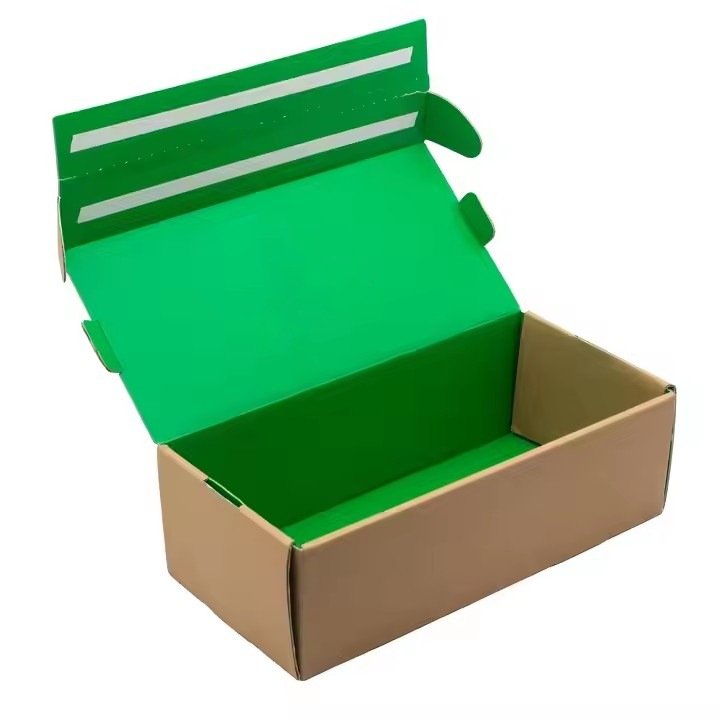
Material cost is a major driver of 包装箱 expense. But that doesn’t mean you have to go for the cheapest board and compromise structural quality. It means select the right grade. Insights from industry sources say: use lighter board if appropriate, avoid over-engineering, use recyclable materials that also cost less.
Practical steps:
Evaluate your product weight and risk: maybe you currently use a heavy rigid board when a solid paperboard would suffice.
Use recycled or eco-board options: these sometimes cost less and offer sufficient performance.
Use one wall vs. double wall corrugated where shipping conditions allow.
Skip unnecessary coatings or laminates if they add board weight or cost.
Where the box surface doesn’t face heavy abrasion or heavy loads, you can use lighter board with smart design for strength.
Why this keeps quality:
By ensuring the board still meets strength, durability and appearance requirements, you maintain protection and perception while reducing material cost.
4. Simplify printing and finishing—keep visual impact, reduce cost
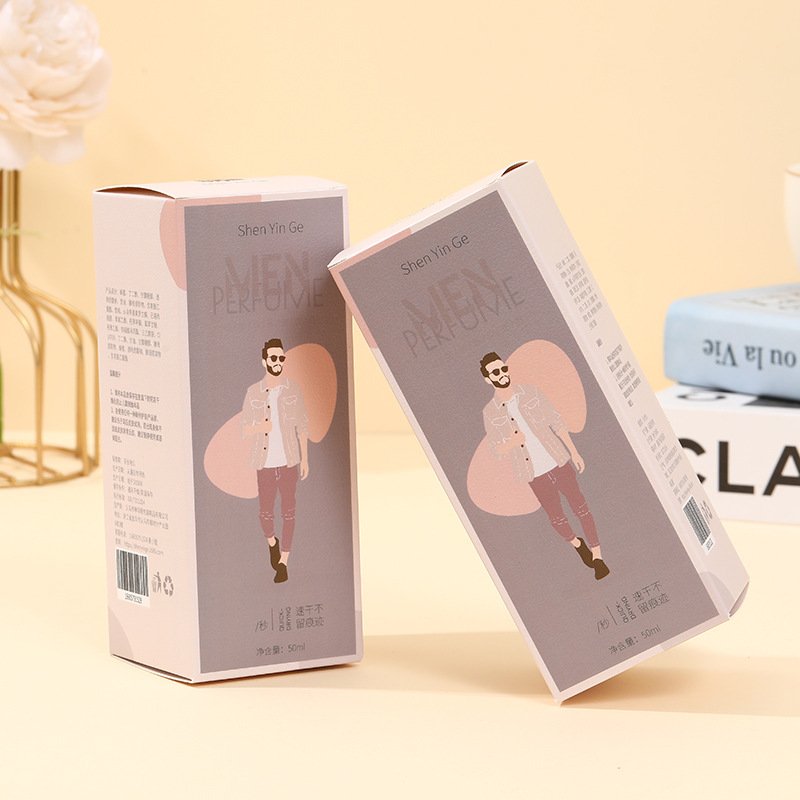
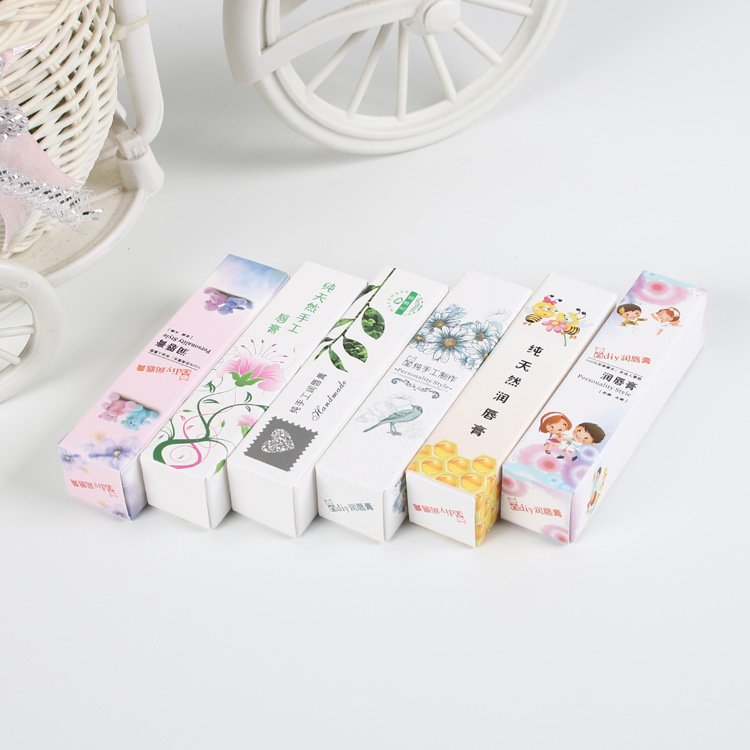
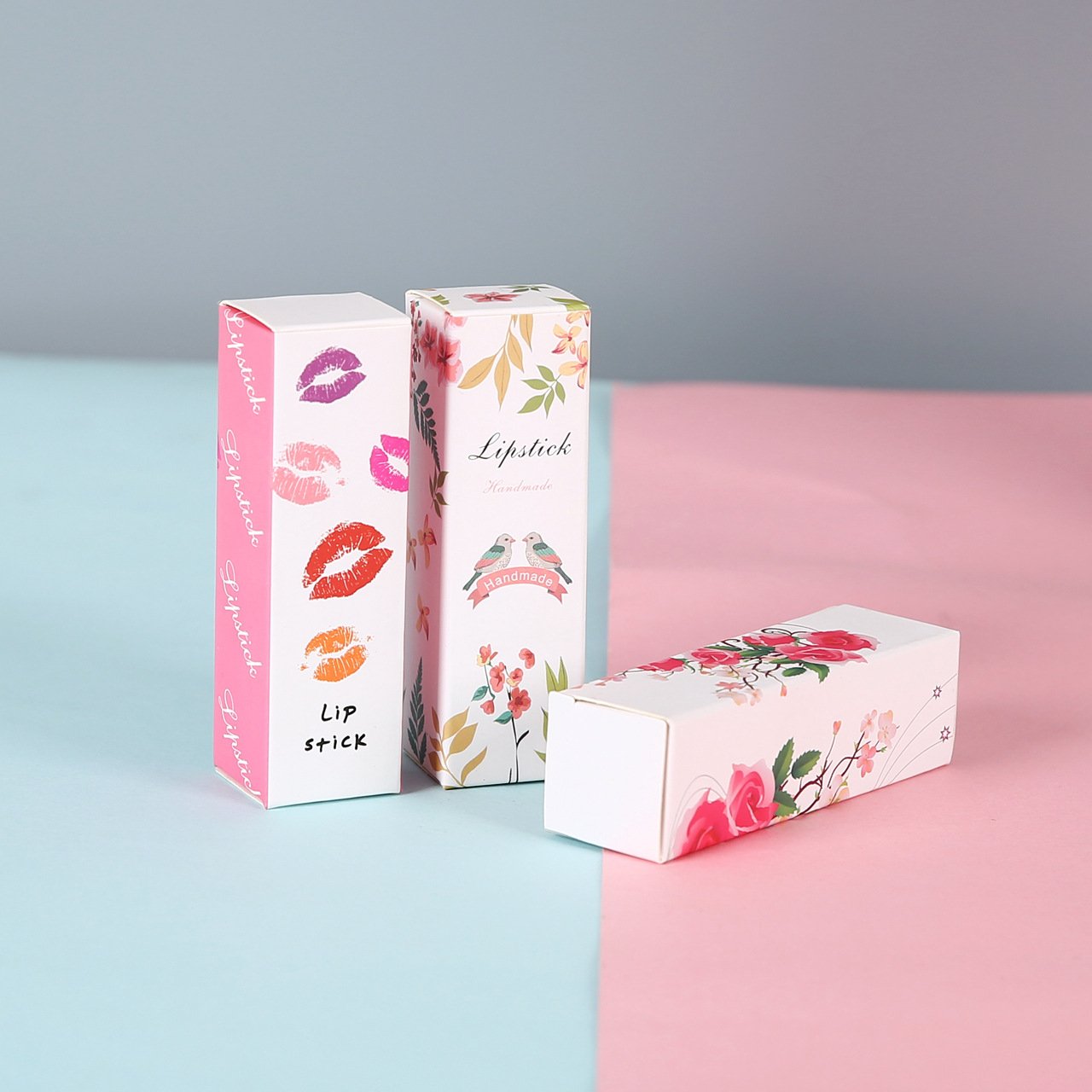
Heavy printing, many colors, full-coverage coatings, complex finishes (foil stamping, embossing, multi-layer varnish) all add cost. But you don’t need all of these to make a premium impact. Several sources highlight that using simpler prints or fewer colors maintains quality while trimming cost.
Tips for printing & finishing:
Use spot colors (1-2 colors) rather than full CMYK where possible.
Limit printing to essential faces or panels rather than full exterior coverage.
Use clean, strong designs rather than busy patterns that require heavy ink.
Evaluate finishes: maybe skip full foil/embossing on all SKUs and reserve them for premium lines; for standard lines you can use matte lamination or simple varnish.
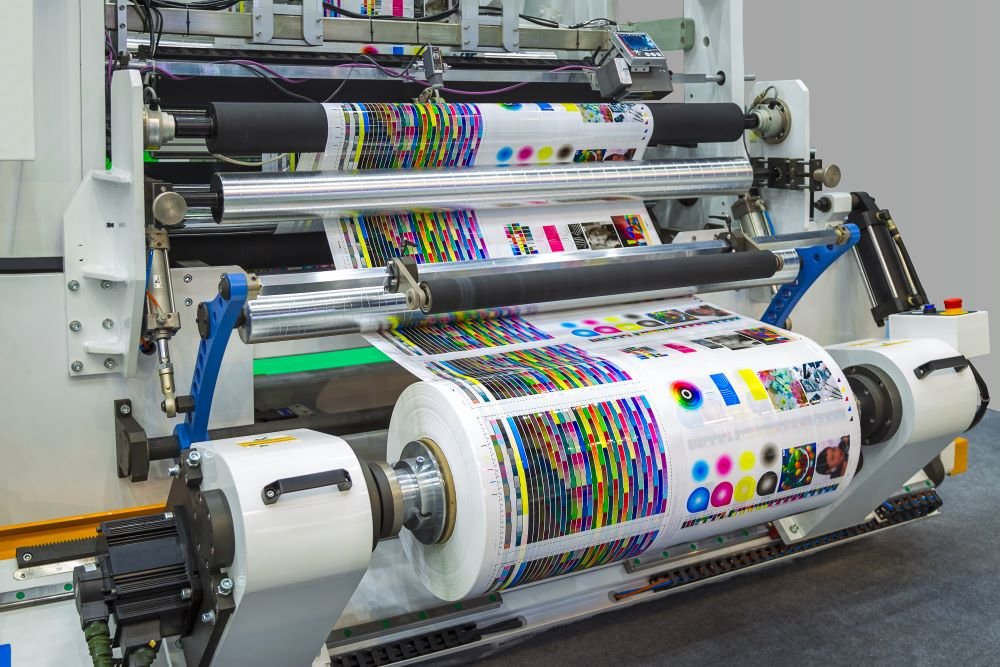
Use digital printing for smaller runs (reduces setup/plate cost) and offset for larger runs.
Print inside the box (hidden surface) instead of outside where less visible—this can be a luxury touch without extra cost.
Result:
You retain brand visuals and perceived quality (good printing, strong graphics) but reduce cost from ink, plates, finishing steps, rejects.
5. Consolidate SKUs, standardize box sizes & reduce variants
One hidden cost driver is a large number of box variants (sizes, styles) and small batch runs. Each variant introduces unique tooling, board size, die cut, printing setup. According to industry sources, consolidating SKUs is a major cost reducer.
Approach:
Review your product portfolio and packaging variants.
Identify where multiple sizes exist but the product could fit a standardized dimension with insert or partition.
Standardize on a few box sizes that cover 80 %+ of SKUs, and manage larger or smaller SKUs as exceptions.
Use common board grades, common printing templates across sizes.
Communicate with your packaging box manufacturer to build reusable dies/tooling.
Benefit:
Lower tooling cost and setup cost per SKU.
Reduced inventory complexity and board waste.
Bulk orders become more feasible, unlocking better unit pricing.
6. Order in bulk & negotiate with suppliers
High volume often means lower per-unit cost. Many brands find that moving from small batches to larger orders unlocks substantial savings.
Key actions:
Forecast demand and plan orders so you can amortize die/tool cost across more units.
Negotiate with your manufacturer or supplier for volume discounts.
Explore contract buys (e.g., commit to certain quarterly volumes) for better pricing.
Consider longer lead times (if acceptable) to allow batching multiple SKUs into one production run, reducing waste and set-ups.
Maintain quality:
Even in bulk orders, insist on quality control, samples, initial inspections. Bulk should not mean bulk-defects.
7. Optimize logistics, shipping & packaging process
Packaging cost isn’t just material and print—it includes shipping, handling, assembly, returns due to damage, waste from mis-ship. Reducing those indirect costs enhances cost efficiency without sacrificing box quality. Sources confirm that packaging process efficiency is key.
Strategies:
Optimize outer dimensions to reduce dimensional weight (D-weight) in shipping.
Design boxes that ship flat, fold at packing—reducing warehouse space and freight cost.
Use inserts/partitions only where needed, avoid bulky fillers.
Automate assembly or choose simpler structures that reduce labour cost (auto-bottom boxes, pre-glued cartons).
Track and monitor damage/rejection rates: A box that fails in transit costs far more than the extra board.
Choose manufacturers close to your production or shipping hubs to reduce freight from packaging supplier.
Outcome:
You keep the box quality (good board, good printing) but reduce handling, logistics, and labour cost.
8. Use smart protective inserts and avoid over-packaging
Sometimes packaging box cost rises because of over-engineering—excessive inserts, multiple boxes, redundant protection. While protection is critical, you can tailor inserts to actual need. This is emphasized in case studies of cost reduction.
Best practices:
For each product, evaluate the actual damage risk and choose minimal viable protection (e.g., molded pulp instead of foam, or paper cushion instead of large plastic mold).
Right-size inserts to the product rather than generic large insert.
Where possible combine structural and protective functions: e.g., use board partitions inside the box instead of separate foam.
Use recycled or lower-cost insert materials if they meet protection standards.
Quality remains:
Because the protective function remains—product arrives intact—your brand quality perception remains intact, while the cost associated with over-packaging goes down.

9. Monitor metrics, measure waste and continuously improve
Cost reduction is not a one-time initiative; it requires data, measurement and continuous improvement. Several sources point that tracking packaging spend, waste, rejects, and variants helps unlock savings.
What to measure:
Cost per box unit (board + print + finishing + inserts + labour + shipping).
Inventory of box stock and variants (how many sizes, how many unused SKUs).
Rejection rate / damage rate of boxes (both manufacturing defects and transit failures).
Shipping cost per package (dimensional weight vs actual weight).
Supplier lead times, tooling reuse costs, setup downtime.
How to use data:
Identify top-cost SKUs and target them for redesign.
Find board grades or finishes that yield high cost but low incremental benefit and consider alternatives.
Review variant proliferation and retire under-performing box sizes.
Use data to negotiate with suppliers and justify bulk orders or standardization.
Quality is maintained because you identify weak points (e.g., boxes failing in transit) and fix them rather than blind cost cutting.
10. Case Example: Achieving cost savings while maintaining premium feel
Here’s a simplified example inspired by real-world cases:
A brand selling mid-luxury electronics had a custom rigid box with heavy board, full-color print interior and exterior, foil stamping, magnetic closure, oversized box with lots of padding. Cost per box was USD $4.20.
They applied these steps:
Reduced box size by ~10% (right-sizing)
Switched board to slightly lighter but still strong board (material optimization)
Reduced print to two colors, moved full-color to only top panel, interior minimal printing (simplified finishing)
Consolidated SKUs: launched new models into same box size with adjustable insert (SKU consolidation)
Increased order quantity to benefit from scale, negotiated better rate (bulk purchasing)
Reviewed insert design and replaced heavy foam with molded pulp cushion (insert optimization)
Measured shipping costs: smaller lighter box reduced freight cost by ~8%.
Result: cost per box reduced to USD $2.45 ( ~42% reduction ) while the finished box looked premium, had same structural integrity, and customer feedback on unboxing remained positive. The brand preserved its image, saved cost, and improved margin.
11. Implementation roadmap for your brand
Here’s a suggested roadmap to implement cost-efficient quality packaging:
Audit current packaging – gather full cost breakdown per SKU.
Segment SKUs – identify high-cost, high-volume SKUs and low-volume, high-variant SKUs.
Right-size and standardize – adjust box dimensions and reduce variants.
Material review – engage with your manufacturer (you) to propose equivalent board grades or recycled alternatives.
Print & finish review – simplify print design, reduce finishing where possible without harming brand image.
Supplier negotiation & bulk forecasting – commit to volumes, reuse dies, bundle orders.
Process & logistics optimization – audit handling, packaging assembly, shipping cost, insert design.
Prototype and test – test reduced board, right-sized box, simplified print; run transit drop test.
Deploy new packaging – gradually phase in cost-optimized packaging for new orders or at reorder.
Monitor & refine – track cost savings, quality metrics, customer feedback, damage rates; iterate.
12. Final considerations & best practices
Never compromise on protection: Cost reduction should not mean product damage or returns. Always test strength.
Manage brand perception: Even with cost-efficient materials, design matters. Good box look + right fit + good finish = premium feel.
Partner with your manufacturer (like us): We can provide detailed options, samples, cost/benefit comparisons.
Think long-term: Investing in tooling, standardization, larger orders pays off over time.
Embed sustainability: Many cost-reducing practices (lighter board, fewer finishes, recycled materials) also support eco-goals—winning multiple fronts.
Avoid “cheapened” look: If you remove luxury finishes, compensate with good print, clean design, strong structural board—so it still feels premium.
Use cost-saving as design brief: When designing boxes, set cost-targets explicitly and work within those constraints—not design first then cost later.
how to Reduce packaging box cost
Reducing 包装箱 cost doesn’t have to mean lowering quality. On the contrary, with smart design, material choice, process optimization, standardization and data-driven decision making, you can maintain (even enhance) quality while lowering cost. For brands selling with custom paper boxes, these strategies matter more than ever—because packaging is not just expense, it’s an investment in brand, protection, and experience.
As a manufacturer with extensive experience in custom paper box production and brand packaging solutions, we’re ready to help you map your cost-optimized yet high-quality packaging strategy—from structuring, materials, prints, through to logistics. Reach out to explore how we can apply these cost-savings without compromising your brand’s standard.
BMペーパーボックスメーカーについて
当社は、10年の業界経験を持つ、紙製パッケージボックスのカスタマイズを専門とする工場です。独創的なデザインと卓越した技術を駆使し、家電製品、医療機器消耗品、化粧品など、幅広い分野に対応した高品質なカスタマイズパッケージソリューションを提供することで、お客様の製品に無限の魅力を添えます。.
プロの紙製パッケージボックスカスタマイズ工場として、当社は家電製品、医療機器消耗品、化粧品など幅広い分野に対応しています。高級家電製品の洗練されたギフトボックス、医療機器のプロフェッショナルなパッケージ、化粧品のファッショナブルな外箱など、お客様のニーズと製品の特性に合わせて最適なパッケージソリューションをご提案いたします。当社の専門性は多くのブランド顧客から高く評価され、信頼できるパートナーとして認められています。.
BMペーパーボックスファクトリーを選ぶ理由
最高品質:中国有数のカスタム紙箱メーカーとして、当社の品質管理チームは、お客様にお届けするすべての製品が最高品質であることを保証します。当社はプロ仕様の品質検査機を保有しています。.
製品設計:当社のサンプル部門は、図面を実際の製品に仕上げる全工程を網羅しています。また、長年の経験に基づき、お客様の製品設計を改善いたします。ぜひご意見をお聞かせください。.
安定した納期:最高のギフトボックスメーカーおよびサプライヤーとして、当社は十分な製造能力を有しており、大量注文でも対応可能です。お客様のご注文を期日通りにお届けいたします。.
最安値:当社は紙箱の製造工場であり、中国で最高のメーカーです。そのため、最高品質の袋を最安値で提供できます。.
精密な管理:精密な管理を実施しなければ、何も達成できません。当社は、包括的な管理システムを備えた企業です。.
24時間365日対応:最高の紙箱メーカーとして、24時間365日迅速に対応いたします。お客様からのフィードバックを参考に、より良いサプライヤーを目指します。お問い合わせください。(+86 18925520049)
BMペーパーボックスに関するよくある質問
当社は中国の大手メーカーであり、工場は東莞市にあります。ぜひ工場見学にお越しください!
• 当社は、特にギフト包装分野において、紙製包装製品の専門サプライヤーです。多目的に使用できる様々な種類の紙箱や紙袋を製造できます。.
・当社はワンストップサービスを提供しており、お客様のご要望に応じたカスタムデザインも承ります。.
・もちろん、通常は無料サンプルをご提供いたしますので、送料のみご負担ください。カスタム印刷サンプルをご希望の場合は、サンプル費用を確認するため、ご要望をお送りください。.
・サンプル製作には約7日かかります。.
はい、弊社では無料のデザインサービス、構造設計、簡単なグラフィックデザインを提供しています。.
もちろんです。お客様のデザインでどんなパッケージでも製作可能です。現在、100個から500個までの少量生産に対応したODMパッケージサービスを開始しており、もちろんお客様独自のロゴを入れることもできます。.
注文数量と生産内容によって異なりますが、約15日から20日程度かかります。.
量産前には必ず試作品を作成し、出荷前には必ず最終検査を実施する。
・サイズ、素材、印刷の詳細、数量、配送先など.
・お客様のご要望をお聞かせいただければ、弊社から最適な製品をご提案いたします。.
・海上輸送、航空輸送、または速達便による輸送。.
• 中国国内に自社輸送業者をお持ちの場合、それは工場出荷価格またはFOB価格となります。.
•CFRまたはCIFなど。当社がお客様の代理で発送する必要がある場合。.
• DDPおよびDDUも使用できます。.
•より多くの選択肢をご用意いたします。ご希望に合わせて対応させていただきます。.
• 価格は数量、材質、加工方法、サイズなどの要因によって決まります。さらに、当社は継続的に
技術革新により、当社の製品の一部価格は非常に競争力があります。お見積もりをご希望の場合は、お問い合わせください。.