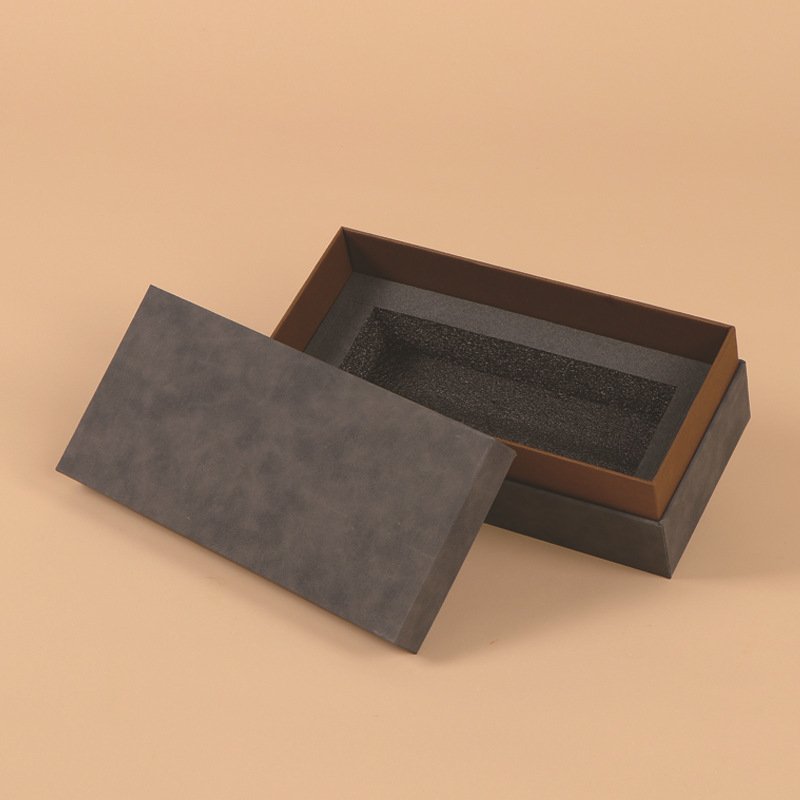








The packaging industry is entering a new era—where packaging boxes are no longer just protective containers, but interactive, data-enabled communication tools.
With technologies like NFC (Near Field Communication) and RFID (Radio Frequency Identification), brands can transform traditional packaging boxes into smart packaging systems that enhance customer engagement, improve supply chain visibility, and strengthen anti-counterfeiting measures.
However, integrating these technologies into paper-based 包装箱—especially within layered paper structures—requires careful engineering.
At BM, with over 10 years of experience in custom packaging boxes, display stands, and paper-based solutions, we help brands successfully implement smart packaging without compromising structure, aesthetics, or cost efficiency.
This guide explores:
- How NFC and RFID work in packaging boxes
- Key challenges of embedding them into paper layers
- Best practices for integration
- Cost-effective and scalable solutions

What Is Smart Packaging in Packaging Boxes?
Definition
Smart packaging refers to packaging boxes embedded with digital technologies that enable:
- Wireless communication
- Data storage and tracking
- User interaction via smartphones or scanners
Two Core Technologies
1. NFC (Near Field Communication)
- Short-range communication (usually <4 cm)
- Smartphone-compatible
- Ideal for marketing and customer interaction
2. RFID (Radio Frequency Identification)
- Longer range (meters)
- Used for logistics and inventory tracking
- Requires dedicated readers
Why Integrate NFC or RFID Into Packaging Boxes?
1. Enhance Customer Experience
- Tap-to-open digital content
- Product authentication
- Interactive storytelling
2. Improve Supply Chain Visibility
- Real-time tracking
- Inventory management
- Loss prevention
3. Anti-Counterfeiting Protection
- Unique chip IDs
- Secure authentication
4. Data Collection
- Customer engagement analytics
- Usage tracking

Challenges of Embedding NFC/RFID in Paper Packaging Boxes
1. Signal Interference
Paper is generally RF-friendly, but issues arise when:
- Metallic inks or foils are used
- Dense layers block signals
2. Structural Integration Complexity
Embedding tags inside packaging boxes requires:
- Precise positioning
- Layer alignment
3. Durability Concerns
Tags must survive:
- Die-cutting
- Folding
- Gluing
- Transportation
4. Cost Constraints
Smart packaging increases:
- Material cost
- Production complexity
Best Practices for Embedding NFC Tags in Packaging Boxes
1. Choose the Right Placement
Optimal NFC placement:
- Near the surface (not too deep inside layers)
- Accessible for smartphone tapping
- Away from folds or edges
👉 Ideal location: top panel or front-facing area
2. Avoid Metal Interference
Do not place NFC tags near:
- Foil stamping areas
- Metallic inks
- Magnets
These materials block signal transmission.
3. Maintain Antenna Integrity
NFC tags include delicate antennas.
Avoid:
- Cutting through antenna areas
- Excessive bending
4. Use Dedicated Cavities or Layers
Create:
- Die-cut cavities
- Layered structures
to securely hold the tag without pressure damage.
5. Test Real-World Scanning Performance
Always test:
- Different smartphone models
- Various angles
- Retail conditions

Best Practices for Embedding RFID in Packaging Boxes
1. Optimize Tag Orientation
RFID performance depends on:
- Antenna direction
- Reader position
2. Ensure Signal Accessibility
Avoid placing RFID tags:
- Too deep inside thick packaging layers
- Behind dense materials
3. Consider Bulk Reading Conditions
In logistics:
- Multiple boxes are scanned simultaneously
- Tag placement must avoid interference
4. Use External Labels When Necessary
For cost-sensitive projects:
- RFID labels can be applied externally
- Still effective for tracking
Structural Design Considerations for Smart Packaging Boxes
1. Layered Construction Strategy
Typical structure:
- Outer printed layer
- Middle layer with NFC/RFID
- Inner protective layer
2. Glue Application Control
Avoid placing glue:
- Directly on tags
- Near antenna areas
3. Folding Line Optimization
Ensure tags are not located on:
- Crease lines
- Folding hinges
4. Reinforcement for Durability
Protect tags with:
- Cushion layers
- Reinforced paperboard
Manufacturing Workflow for Smart Packaging Boxes
Step 1: Design Integration
- Define tag type and position
- Adjust dieline accordingly
Step 2: Prototype Development
- Create functional samples
- Test scanning performance
Step 3: Tag Embedding
- Manual or automated placement
- Secure positioning
Step 4: Assembly and Finishing
- Folding
- Gluing
- Final inspection
Step 5: Testing and Validation
- Signal testing
- Durability checks

Cost Optimization Strategies for Smart Packaging Boxes
1. Use NFC for Marketing, RFID for Logistics
Avoid overengineering.
2. Select Standard Tag Sizes
Custom tags increase cost.
3. Optimize Placement to Reduce Waste
Minimize design changes.
4. Start with Pilot Projects
Test before scaling.
BM’s Smart Packaging Solutions
At BM, we provide end-to-end smart packaging integration.
Our Capabilities
1. Structural Engineering
We design packaging boxes with integrated tag placement.
2. Technology Integration
We work with:
- NFC suppliers
- RFID providers
3. Prototyping and Testing
We validate:
- Signal performance
- Durability
4. Scalable Production
We ensure:
- Cost efficiency
- 一貫した品質
Common Mistakes to Avoid
1. Placing Tags Too Deep Inside Packaging
Reduces signal strength.
2. Ignoring Material Interference
Metal elements block signals.
3. Skipping Testing
Leads to poor user experience.
4. Overcomplicating Design
Increases cost and risk.
Future Trends in Smart Packaging Boxes
1. IoT-Connected Packaging
Real-time product tracking.
2. Interactive Consumer Experiences
AR, digital content, brand storytelling.
3. Sustainable Smart Packaging
Eco-friendly materials + smart tech.
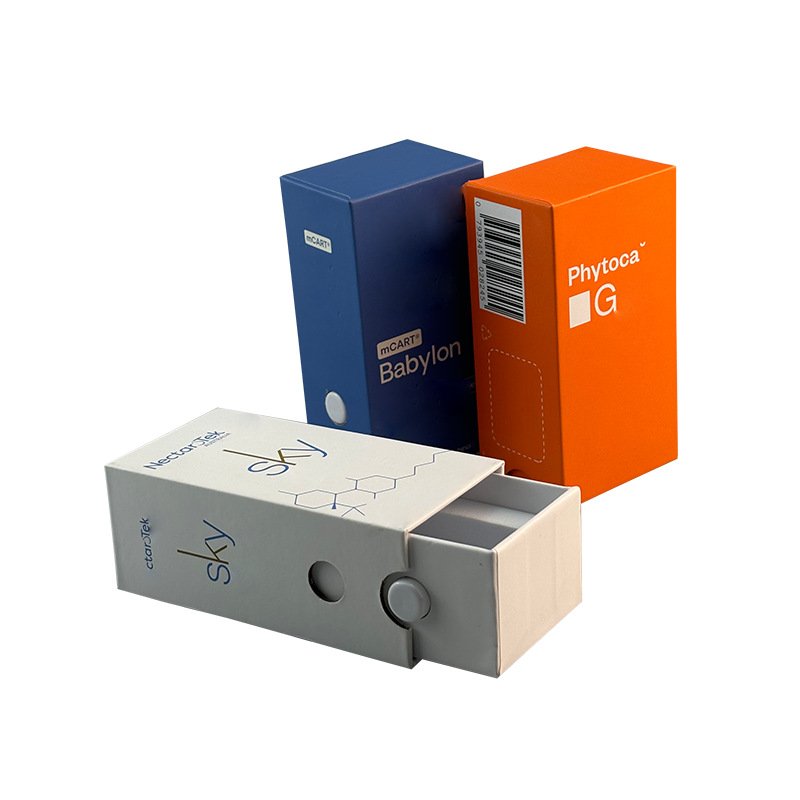
How to Successfully Integrate NFC and RFID in Packaging Boxes
Smart packaging is no longer optional—it is a competitive advantage.
Key Takeaways
- Proper placement is critical
- Avoid interference from metals and structure
- Protect tag integrity during production
- Test thoroughly before mass production
Final Insight
👉 The success of smart packaging boxes depends on seamless integration between technology and structural design.
At BM, we help brands transform traditional 包装箱 into intelligent, interactive, and future-ready solutions.
BMペーパーボックスメーカーについて
当社は、10年の業界経験を持つ、紙製パッケージボックスのカスタマイズを専門とする工場です。独創的なデザインと卓越した技術を駆使し、家電製品、医療機器消耗品、化粧品など、幅広い分野に対応した高品質なカスタマイズパッケージソリューションを提供することで、お客様の製品に無限の魅力を添えます。.
プロの紙製パッケージボックスカスタマイズ工場として、当社は家電製品、医療機器消耗品、化粧品など幅広い分野に対応しています。高級家電製品の洗練されたギフトボックス、医療機器のプロフェッショナルなパッケージ、化粧品のファッショナブルな外箱など、お客様のニーズと製品の特性に合わせて最適なパッケージソリューションをご提案いたします。当社の専門性は多くのブランド顧客から高く評価され、信頼できるパートナーとして認められています。.
BMペーパーボックスファクトリーを選ぶ理由
最高品質:中国有数のカスタム紙箱メーカーとして、当社の品質管理チームは、お客様にお届けするすべての製品が最高品質であることを保証します。当社はプロ仕様の品質検査機を保有しています。.
製品設計:当社のサンプル部門は、図面を実際の製品に仕上げる全工程を網羅しています。また、長年の経験に基づき、お客様の製品設計を改善いたします。ぜひご意見をお聞かせください。.
安定した納期:最高のギフトボックスメーカーおよびサプライヤーとして、当社は十分な製造能力を有しており、大量注文でも対応可能です。お客様のご注文を期日通りにお届けいたします。.
最安値:当社は紙箱の製造工場であり、中国で最高のメーカーです。そのため、最高品質の袋を最安値で提供できます。.
精密な管理:精密な管理を実施しなければ、何も達成できません。当社は、包括的な管理システムを備えた企業です。.
24時間365日対応:最高の紙箱メーカーとして、24時間365日迅速に対応いたします。お客様からのフィードバックを参考に、より良いサプライヤーを目指します。お問い合わせください。(+86 18925520049)
BMペーパーボックスに関するよくある質問
当社は中国の大手メーカーであり、工場は東莞市にあります。ぜひ工場見学にお越しください!
• 当社は、特にギフト包装分野において、紙製包装製品の専門サプライヤーです。多目的に使用できる様々な種類の紙箱や紙袋を製造できます。.
・当社はワンストップサービスを提供しており、お客様のご要望に応じたカスタムデザインも承ります。.
・もちろん、通常は無料サンプルをご提供いたしますので、送料のみご負担ください。カスタム印刷サンプルをご希望の場合は、サンプル費用を確認するため、ご要望をお送りください。.
・サンプル製作には約7日かかります。.
はい、弊社では無料のデザインサービス、構造設計、簡単なグラフィックデザインを提供しています。.
もちろんです。お客様のデザインでどんなパッケージでも製作可能です。現在、100個から500個までの少量生産に対応したODMパッケージサービスを開始しており、もちろんお客様独自のロゴを入れることもできます。.
注文数量と生産内容によって異なりますが、約15日から20日程度かかります。.
量産前には必ず試作品を作成し、出荷前には必ず最終検査を実施する。
・サイズ、素材、印刷の詳細、数量、配送先など.
・お客様のご要望をお聞かせいただければ、弊社から最適な製品をご提案いたします。.
・海上輸送、航空輸送、または速達便による輸送。.
• 中国国内に自社輸送業者をお持ちの場合、それは工場出荷価格またはFOB価格となります。.
•CFRまたはCIFなど。当社がお客様の代理で発送する必要がある場合。.
• DDPおよびDDUも使用できます。.
•より多くの選択肢をご用意いたします。ご希望に合わせて対応させていただきます。.
• 価格は数量、材質、加工方法、サイズなどの要因によって決まります。さらに、当社は継続的に
技術革新により、当社の製品の一部価格は非常に競争力があります。お見積もりをご希望の場合は、お問い合わせください。.