





As global brands increasingly prioritize ethical sourcing and ESG (Environmental, Social, and Governance) standards, third-party factory audits have become a critical step in supplier selection—especially in industries like custom packaging boxes, paper bags, and display stands.
For buyers sourcing from China, audits are not just a formality. They are a risk management tool that protects your brand from:
- Reputational damage
- Legal exposure
- Supply chain disruptions
However, many buyers—especially first-time importers—ask:
👉 What exactly should I look for during a factory audit? What are the real “red flags” in social compliance?
At BM, with over 10 years of experience in packaging manufacturing and an 8,000㎡ production facility, we regularly support clients through third-party audits and on-site inspections. We believe transparency builds trust—and understanding audit risks helps you make better sourcing decisions.
This guide will walk you through:
- What social compliance audits involve
- The most common red flags in Chinese packaging plants
- How to evaluate suppliers effectively
- Practical steps to ensure compliance
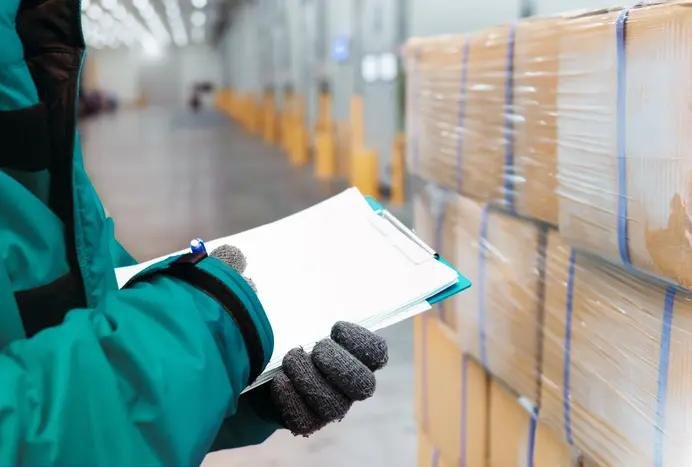
What Is a Third-Party Factory Audit in Packaging Manufacturing?
A third-party factory audit is an independent evaluation conducted by organizations such as:
- SGS
- TÜV
- Bureau Veritas
- Intertek
These audits assess whether a factory meets international standards in:
- Labor conditions
- Health and safety
- Environmental practices
- Ethical business conduct
Types of Audits
1. Social Compliance Audit
Focuses on:
- Worker rights
- Working hours
- Wages
- Safety
2. Quality Audit
Evaluates:
- Production capability
- Quality control systems
3. Environmental Audit
Checks:
- Waste management
- Emissions
- Sustainability practices
Why Social Compliance Matters in Packaging Supply Chains
1. Brand Reputation Protection
Non-compliant factories can lead to:
- Public backlash
- Loss of consumer trust
2. Legal and Regulatory Requirements
Many markets require compliance with:
- Labor laws
- Import regulations
3. Long-Term Supply Stability
Ethical factories tend to have:
- Lower worker turnover
- Better production consistency

Top Red Flags in Social Compliance Audits
Understanding red flags helps you quickly identify risky suppliers.
1. Excessive Working Hours
What Auditors Check
- Time records
- Overtime logs
Red Flag Indicators
- Workers exceeding legal limits (e.g., >60 hours/week)
- Inconsistent or falsified records
Why It Matters
- Indicates poor management
- Increases risk of worker fatigue and errors
2. Wage Violations
Red Flags
- Below minimum wage
- Unpaid overtime
- Delayed salary payments
Hidden Risks
Factories may:
- Maintain fake payroll records
- Use off-the-book payments
3. Child Labor or Underage Workers
Critical Violation
Even one case is a major compliance failure.
Auditor Checks
- ID verification
- Personnel records
4. Unsafe Working Conditions
Common Issues
- Lack of PPE (personal protective equipment)
- Poor ventilation (especially in printing areas)
- Chemical exposure risks
High-Risk Areas in Packaging Plants
- Printing workshops
- Gluing stations
- Cutting machines
5. Blocked Emergency Exits
Serious Red Flag
Auditors often check:
- Exit accessibility
- Fire safety systems
Typical Problems
- Locked exits
- Obstructed pathways
- Missing fire extinguishers
6. Poor Dormitory Conditions
If the factory provides housing:
Red Flags
- Overcrowding
- Poor sanitation
- Lack of safety measures
7. Lack of Contracts or Documentation
Issues
- Workers without formal contracts
- Missing employment records
Risk
- Legal non-compliance
- Worker disputes
8. Falsified Records
Common Manipulations
- Fake attendance logs
- Altered payroll data
How Auditors Detect
- Cross-checking interviews with documents
9. Discrimination or Harassment
Indicators
- Unequal pay
- Reports from workers
10. Lack of Management Systems
Signs of Weak Compliance
- No HR policies
- No training programs
- No safety procedures
How to Evaluate a Packaging Factory Beyond the Audit Report
1. Conduct On-Site Visits
Nothing replaces seeing the factory yourself.
2. Interview Workers (If Possible)
Gain real insights beyond documents.
3. Observe Workplace Culture
Look for:
- Cleanliness
- Organization
- Worker morale
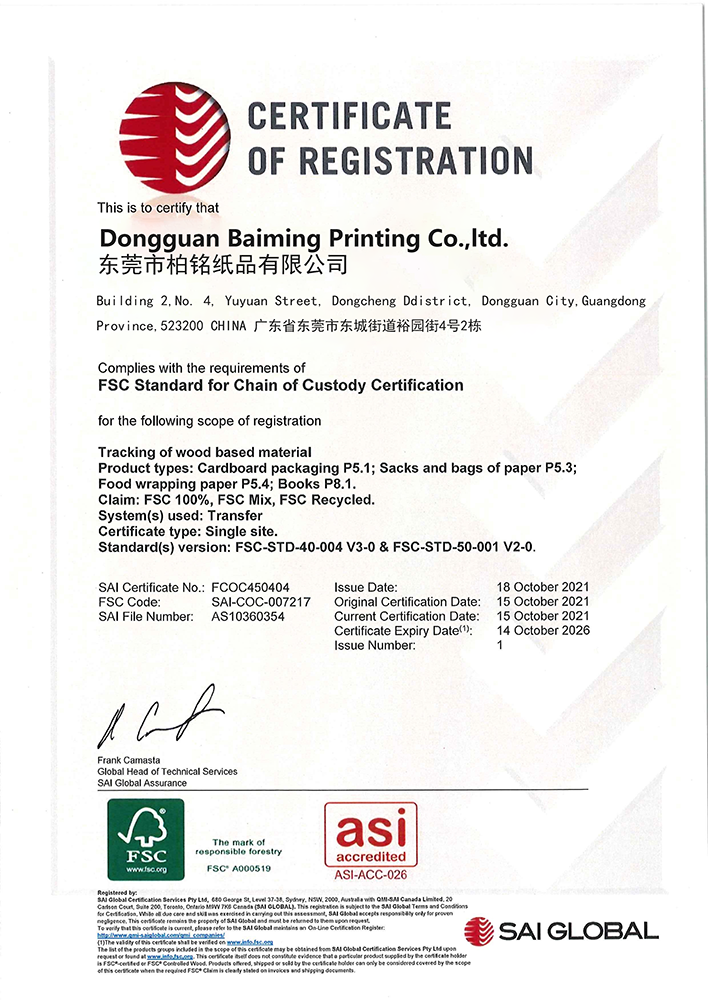
4. Review Certifications
Check for:
- BSCI
- SEDEX (SMETA)
- ISO standards
How BM Supports Transparent and Compliant Manufacturing
At BM, we understand that trust is built through transparency.
Our Strengths
1. 8,000㎡ Factory Facility
- Organized production layout
- Clean working environment
2. Compliance-Oriented Management
We implement:
- Labor law compliance
- Fair wage systems
- Controlled working hours
3. Safety Standards
We maintain:
- Clear emergency exits
- Protective equipment
- Regular safety training
4. Audit Experience
We regularly pass:
- Third-party audits
- Client inspections
5. Open Factory Policy
👉 We welcome clients to visit our factory for:
- On-site inspections
- Production evaluation
- Direct communication
Best Practices for Buyers Conducting Factory Audits
1. Choose Reputable Audit Firms
Ensure credibility of results.
2. Request Full Audit Reports
Not just summaries.
3. Follow Up on Corrective Actions
Check if issues are resolved.
4. Build Long-Term Partnerships
Work with factories that improve over time.
Common Mistakes Buyers Make
1. Focusing Only on Price
Low cost often hides compliance risks.
2. Ignoring Minor Issues
Small problems can escalate.
3. Not Verifying Audit Authenticity
Fake reports do exist.
4. Skipping Factory Visits
Leads to blind sourcing decisions.
Future Trends in Social Compliance Audits
1. Digital Auditing Tools
Real-time data collection.
2. AI-Based Risk Detection
Predict compliance risks.
3. Increased ESG Requirements
Stricter global standards.



How to Identify Red Flags and Choose the Right Packaging Partner
Key Red Flags to Watch
- Excessive working hours
- Wage violations
- Unsafe conditions
- Falsified records
- Poor management systems
Best Strategy
👉 Combine:
- Third-party audits
- On-site inspections
- Long-term collaboration
Final Insight
👉 A compliant factory is not just ethical—it is more reliable, stable, and capable of delivering consistent quality.
At BM, we are committed to providing transparent, compliant, and high-quality packaging manufacturing solutions.
We welcome you to visit our 8,000㎡ factory and experience our capabilities firsthand.
BMペーパーボックスメーカーについて
当社は、10年の業界経験を持つ、紙製パッケージボックスのカスタマイズを専門とする工場です。独創的なデザインと卓越した技術を駆使し、家電製品、医療機器消耗品、化粧品など、幅広い分野に対応した高品質なカスタマイズパッケージソリューションを提供することで、お客様の製品に無限の魅力を添えます。.
プロの紙製パッケージボックスカスタマイズ工場として、当社は家電製品、医療機器消耗品、化粧品など幅広い分野に対応しています。高級家電製品の洗練されたギフトボックス、医療機器のプロフェッショナルなパッケージ、化粧品のファッショナブルな外箱など、お客様のニーズと製品の特性に合わせて最適なパッケージソリューションをご提案いたします。当社の専門性は多くのブランド顧客から高く評価され、信頼できるパートナーとして認められています。.
BMペーパーボックスファクトリーを選ぶ理由
最高品質:中国有数のカスタム紙箱メーカーとして、当社の品質管理チームは、お客様にお届けするすべての製品が最高品質であることを保証します。当社はプロ仕様の品質検査機を保有しています。.
製品設計:当社のサンプル部門は、図面を実際の製品に仕上げる全工程を網羅しています。また、長年の経験に基づき、お客様の製品設計を改善いたします。ぜひご意見をお聞かせください。.
安定した納期:最高のギフトボックスメーカーおよびサプライヤーとして、当社は十分な製造能力を有しており、大量注文でも対応可能です。お客様のご注文を期日通りにお届けいたします。.
最安値:当社は紙箱の製造工場であり、中国で最高のメーカーです。そのため、最高品質の袋を最安値で提供できます。.
精密な管理:精密な管理を実施しなければ、何も達成できません。当社は、包括的な管理システムを備えた企業です。.
24時間365日対応:最高の紙箱メーカーとして、24時間365日迅速に対応いたします。お客様からのフィードバックを参考に、より良いサプライヤーを目指します。お問い合わせください。(+86 18925520049)
BMペーパーボックスに関するよくある質問
当社は中国の大手メーカーであり、工場は東莞市にあります。ぜひ工場見学にお越しください!
• 当社は、特にギフト包装分野において、紙製包装製品の専門サプライヤーです。多目的に使用できる様々な種類の紙箱や紙袋を製造できます。.
・当社はワンストップサービスを提供しており、お客様のご要望に応じたカスタムデザインも承ります。.
・もちろん、通常は無料サンプルをご提供いたしますので、送料のみご負担ください。カスタム印刷サンプルをご希望の場合は、サンプル費用を確認するため、ご要望をお送りください。.
・サンプル製作には約7日かかります。.
はい、弊社では無料のデザインサービス、構造設計、簡単なグラフィックデザインを提供しています。.
もちろんです。お客様のデザインでどんなパッケージでも製作可能です。現在、100個から500個までの少量生産に対応したODMパッケージサービスを開始しており、もちろんお客様独自のロゴを入れることもできます。.
注文数量と生産内容によって異なりますが、約15日から20日程度かかります。.
量産前には必ず試作品を作成し、出荷前には必ず最終検査を実施する。
・サイズ、素材、印刷の詳細、数量、配送先など.
・お客様のご要望をお聞かせいただければ、弊社から最適な製品をご提案いたします。.
・海上輸送、航空輸送、または速達便による輸送。.
• 中国国内に自社輸送業者をお持ちの場合、それは工場出荷価格またはFOB価格となります。.
•CFRまたはCIFなど。当社がお客様の代理で発送する必要がある場合。.
• DDPおよびDDUも使用できます。.
•より多くの選択肢をご用意いたします。ご希望に合わせて対応させていただきます。.
• 価格は数量、材質、加工方法、サイズなどの要因によって決まります。さらに、当社は継続的に
技術革新により、当社の製品の一部価格は非常に競争力があります。お見積もりをご希望の場合は、お問い合わせください。.