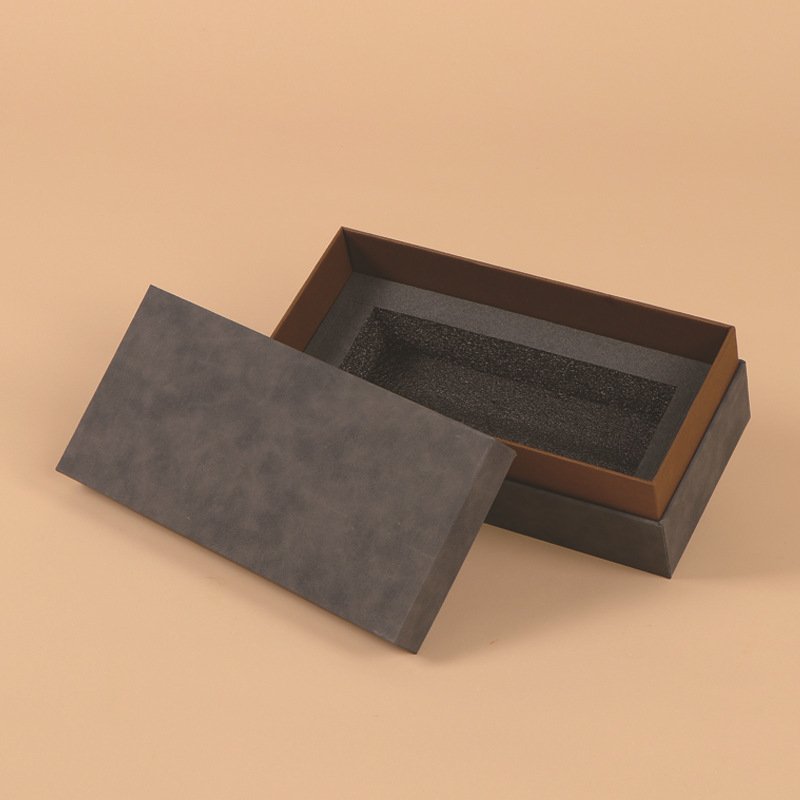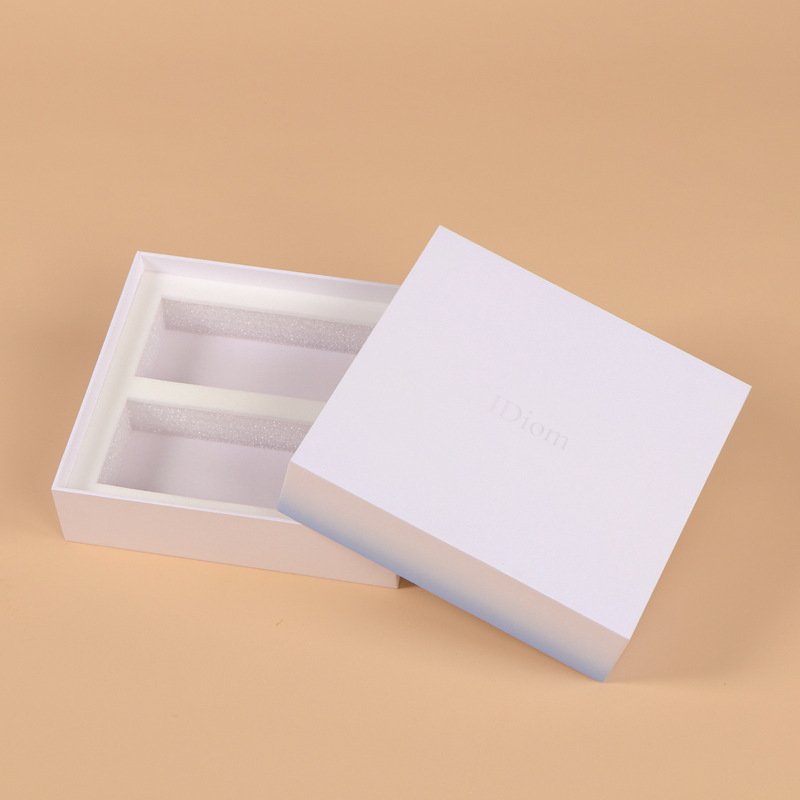







When designing custom 包装箱, especially for electronics, gifts, or fragile products, internal protection is just as important as external appearance. Inserts play a critical role in product safety, presentation, and unboxing experience.
However, one of the most common concerns from brands—especially startups and small-batch buyers—is:
👉 Which insert solution has a lower tooling cost for low-volume production: pulp trays (paper mold) or cardboard inserts?
At BM, with over 10 years of experience in custom packaging boxes, display stands, and paper-based solutions, we help clients optimize cost, structure, and performance—especially when budgets are limited.
This guide provides a detailed comparison to help you make the right decision.

Why Tooling Cost Matters in Custom Packaging Boxes
What Is Tooling Cost?
Tooling cost refers to the initial investment required to create molds or dies used in manufacturing packaging components.
For packaging boxes, tooling applies to:
- Pulp molded trays
- Die-cut cardboard inserts
- Foam inserts
- Plastic trays
Why It’s Critical for Low-Volume Orders
For small production runs:
- Tooling cost is spread over fewer units
- Unit cost increases significantly
- ROI becomes harder to justify
👉 Therefore, choosing the right insert solution is essential.
Overview of Paper Mold (Pulp Tray) for Packaging Boxes
What Is a Pulp Tray?
A pulp tray (paper mold) is made from:
- Recycled paper pulp
- Molded into specific shapes using metal molds
Key Features
- Eco-friendly and biodegradable
- Custom-fit for products
- Strong shock absorption
Tooling Requirements for Pulp Trays
Pulp trays require:
- Metal molds (aluminum or steel)
- Precision shaping tools
- Drying molds
Typical Tooling Cost Range
- $1,000 – $5,000+ per mold (depending on complexity)
Advantages for Packaging Boxes
- Premium eco-friendly perception
- Excellent product protection
- Suitable for mass production
Limitations
- High upfront tooling cost
- Longer development time
- Not ideal for low-volume production
Overview of Cardboard Inserts for Packaging Boxes
What Are Cardboard Inserts?
Cardboard inserts are made from:
- Corrugated board
- Paperboard
They are shaped using die-cutting and folding techniques.
Key Features
- Lightweight
- Cost-effective
- Flexible design
Tooling Requirements for Cardboard Inserts
- Die-cutting molds (wooden die boards with steel blades)
Typical Tooling Cost Range
- $100 – $500 per die
Advantages for Packaging Boxes
- Low tooling cost
- Fast production setup
- Ideal for small batch orders
Limitations
- Less cushioning than pulp trays
- May require assembly
- Simpler appearance
Direct Comparison: Tooling Cost for Low-Volume Packaging Boxes
| Feature | Pulp Tray (Paper Mold) | Cardboard Inserts |
|---|---|---|
| Tooling Cost | High ($1,000–$5,000+) | Low ($100–$500) |
| Setup Time | Long | Short |
| Flexibility | Low | High |
| Ideal Volume | Medium–high | Low–medium |
Conclusion
👉 Cardboard inserts clearly have a lower tooling cost for low-volume packaging boxes.

Why Cardboard Inserts Are Better for Low-Volume Packaging Boxes
1. Lower Initial Investment
Cardboard inserts reduce financial risk for:
- Startups
- Product testing phases
- Seasonal products
2. Faster Time to Market
- Quick tooling production
- Rapid prototyping
3. Easier Design Adjustments
If product dimensions change:
- Modify die easily
- Lower retooling cost
4. Scalable Solution
You can start with cardboard inserts and later switch to pulp trays when volume increases.
When Pulp Trays Make Sense for Packaging Boxes
Despite higher tooling cost, pulp trays are ideal when:
1. High Production Volume
Tooling cost is amortized over large quantities.
2. Strong Eco Branding
Pulp trays support:
- Plastic-free packaging
- Sustainable positioning
3. Complex Product Shapes
Custom molding provides:
- Precise fit
- Superior protection
Hybrid Strategy: Optimize Cost and Performance
Combine Both Solutions
For some packaging boxes, a hybrid approach works best:
- Cardboard structure + pulp cushioning
- Paper insert + molded tray for critical areas
Benefits
- Reduced tooling cost
- Improved protection
- Balanced sustainability
How to Reduce Tooling Cost for Packaging Boxes
1. Simplify Insert Design
Avoid overly complex shapes.
2. Use Standardized Structures
Leverage existing die lines when possible.
3. Optimize Product Layout
Reduce the need for deep or complex molds.
4. Work with Experienced Manufacturers
They can:
- Suggest cost-saving designs
- Reuse tooling where possible

BM’s Approach to Cost-Effective Packaging Inserts
At BM, we help clients minimize tooling cost while maximizing performance.
Our Process
1. Needs Analysis
We evaluate:
- Product fragility
- Budget
- Order volume
2. Solution Recommendation
We suggest:
- Cardboard inserts for low-volume
- Pulp trays for scale production
3. Design Optimization
We reduce:
- Material usage
- Tooling complexity
4. Prototyping
We create samples quickly for validation.
5. Scalable Planning
We design packaging that can evolve with your business.
Real Case Study: Low-Volume Electronics Packaging Boxes
A startup electronics brand needed:
- Custom packaging boxes
- Strong protection
- Low budget
Challenge
Pulp tray tooling cost was too high.
Solution
- Designed die-cut cardboard insert
- Optimized folding structure
- Added cushioning layers
Result
- Tooling cost reduced by 80%
- Fast production launch
- Satisfactory product protection

Future Trends in Packaging Inserts
1. Modular Insert Systems
Reusable designs for multiple products.
2. Advanced Molded Fiber
Lower-cost tooling innovations.
3. Sustainable Hybrid Materials
Combining performance and cost efficiency.
Which Insert Is Better for Low-Volume Packaging Boxes?
Final Answer
👉 Cardboard inserts are the best choice for low-volume packaging boxes due to significantly lower tooling costs, faster production, and greater flexibility.
Final Takeaway
When choosing inserts:
- Use cardboard inserts for small batches
- Switch to pulp trays for large-scale production
- Consider hybrid solutions for balance
Final Insight
👉 The smartest packaging strategy is not choosing one solution—but choosing the right solution at the right stage of your business.
At BM, we help you design cost-effective, scalable, and high-performance packaging boxes solutions tailored to your needs.
BMペーパーボックスメーカーについて
当社は、10年の業界経験を持つ、紙製パッケージボックスのカスタマイズを専門とする工場です。独創的なデザインと卓越した技術を駆使し、家電製品、医療機器消耗品、化粧品など、幅広い分野に対応した高品質なカスタマイズパッケージソリューションを提供することで、お客様の製品に無限の魅力を添えます。.
プロの紙製パッケージボックスカスタマイズ工場として、当社は家電製品、医療機器消耗品、化粧品など幅広い分野に対応しています。高級家電製品の洗練されたギフトボックス、医療機器のプロフェッショナルなパッケージ、化粧品のファッショナブルな外箱など、お客様のニーズと製品の特性に合わせて最適なパッケージソリューションをご提案いたします。当社の専門性は多くのブランド顧客から高く評価され、信頼できるパートナーとして認められています。.
BMペーパーボックスファクトリーを選ぶ理由
最高品質:中国有数のカスタム紙箱メーカーとして、当社の品質管理チームは、お客様にお届けするすべての製品が最高品質であることを保証します。当社はプロ仕様の品質検査機を保有しています。.
製品設計:当社のサンプル部門は、図面を実際の製品に仕上げる全工程を網羅しています。また、長年の経験に基づき、お客様の製品設計を改善いたします。ぜひご意見をお聞かせください。.
安定した納期:最高のギフトボックスメーカーおよびサプライヤーとして、当社は十分な製造能力を有しており、大量注文でも対応可能です。お客様のご注文を期日通りにお届けいたします。.
最安値:当社は紙箱の製造工場であり、中国で最高のメーカーです。そのため、最高品質の袋を最安値で提供できます。.
精密な管理:精密な管理を実施しなければ、何も達成できません。当社は、包括的な管理システムを備えた企業です。.
24時間365日対応:最高の紙箱メーカーとして、24時間365日迅速に対応いたします。お客様からのフィードバックを参考に、より良いサプライヤーを目指します。お問い合わせください。(+86 18925520049)
BMペーパーボックスに関するよくある質問
当社は中国の大手メーカーであり、工場は東莞市にあります。ぜひ工場見学にお越しください!
• 当社は、特にギフト包装分野において、紙製包装製品の専門サプライヤーです。多目的に使用できる様々な種類の紙箱や紙袋を製造できます。.
・当社はワンストップサービスを提供しており、お客様のご要望に応じたカスタムデザインも承ります。.
・もちろん、通常は無料サンプルをご提供いたしますので、送料のみご負担ください。カスタム印刷サンプルをご希望の場合は、サンプル費用を確認するため、ご要望をお送りください。.
・サンプル製作には約7日かかります。.
はい、弊社では無料のデザインサービス、構造設計、簡単なグラフィックデザインを提供しています。.
もちろんです。お客様のデザインでどんなパッケージでも製作可能です。現在、100個から500個までの少量生産に対応したODMパッケージサービスを開始しており、もちろんお客様独自のロゴを入れることもできます。.
注文数量と生産内容によって異なりますが、約15日から20日程度かかります。.
量産前には必ず試作品を作成し、出荷前には必ず最終検査を実施する。
・サイズ、素材、印刷の詳細、数量、配送先など.
・お客様のご要望をお聞かせいただければ、弊社から最適な製品をご提案いたします。.
・海上輸送、航空輸送、または速達便による輸送。.
• 中国国内に自社輸送業者をお持ちの場合、それは工場出荷価格またはFOB価格となります。.
•CFRまたはCIFなど。当社がお客様の代理で発送する必要がある場合。.
• DDPおよびDDUも使用できます。.
•より多くの選択肢をご用意いたします。ご希望に合わせて対応させていただきます。.
• 価格は数量、材質、加工方法、サイズなどの要因によって決まります。さらに、当社は継続的に
技術革新により、当社の製品の一部価格は非常に競争力があります。お見積もりをご希望の場合は、お問い合わせください。.