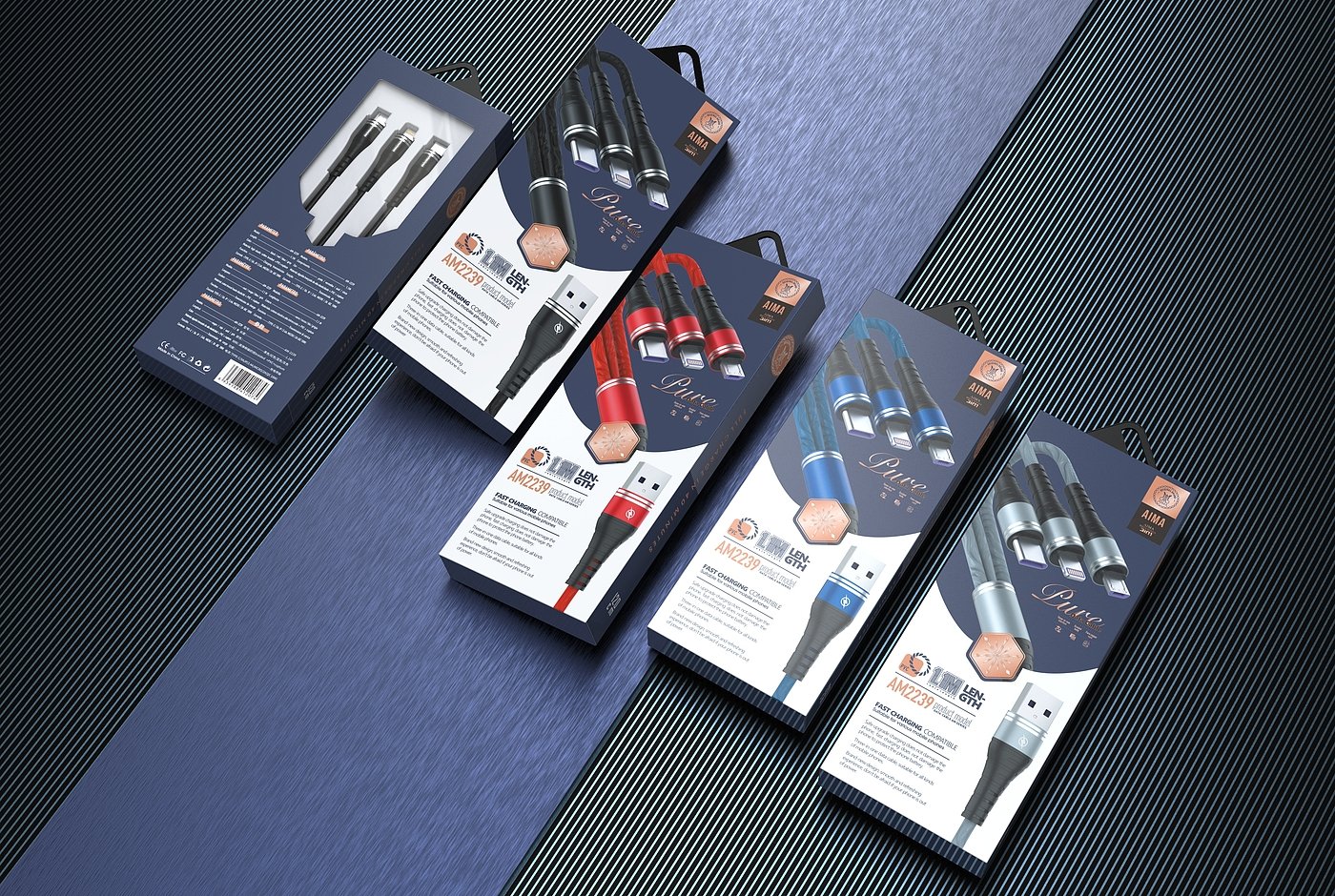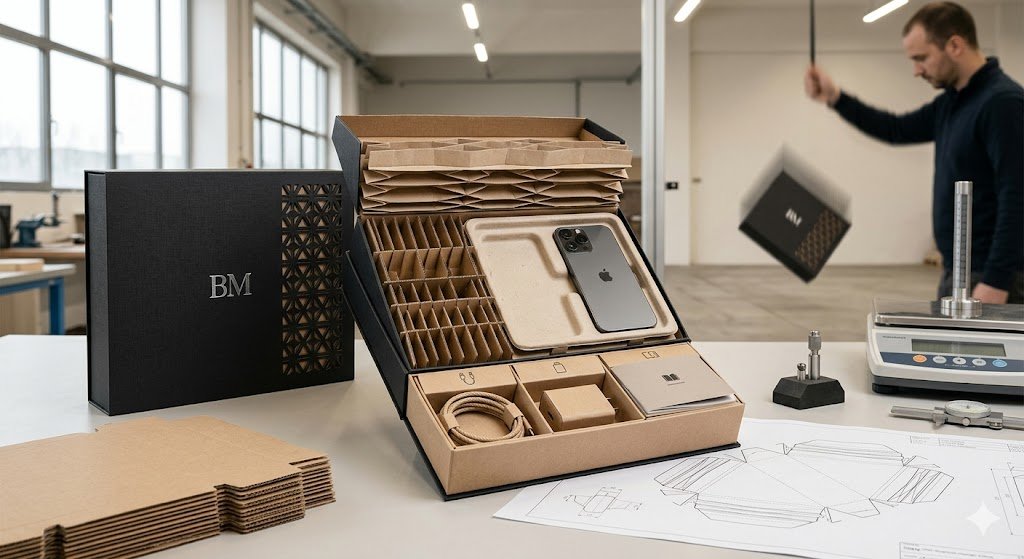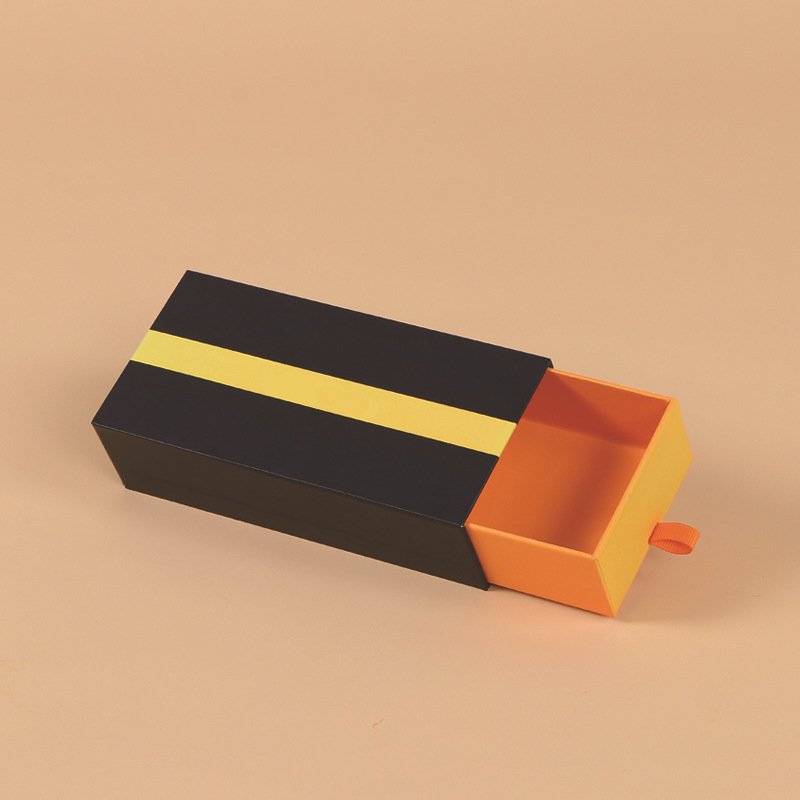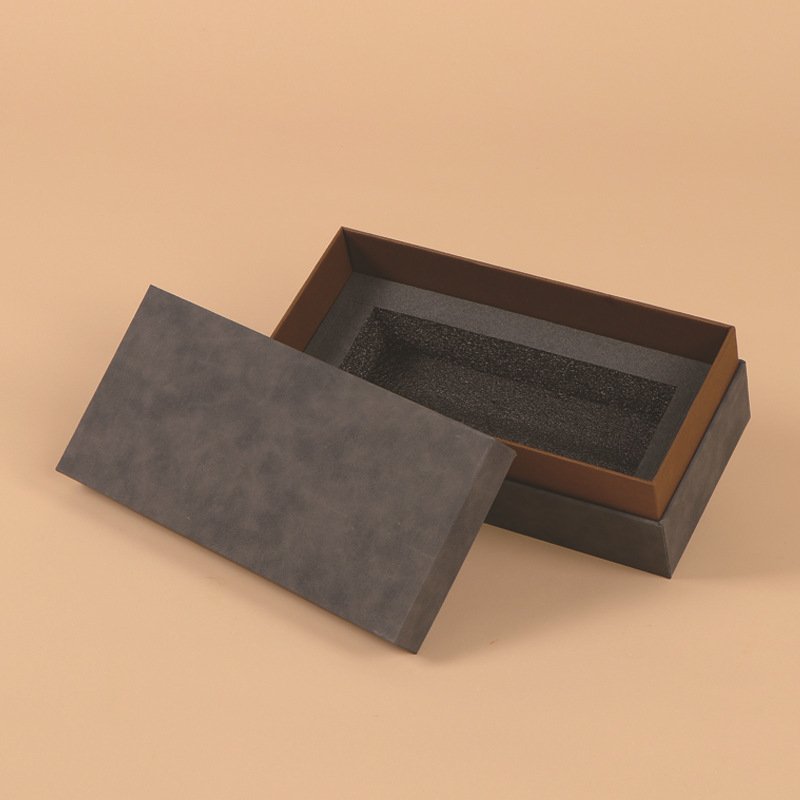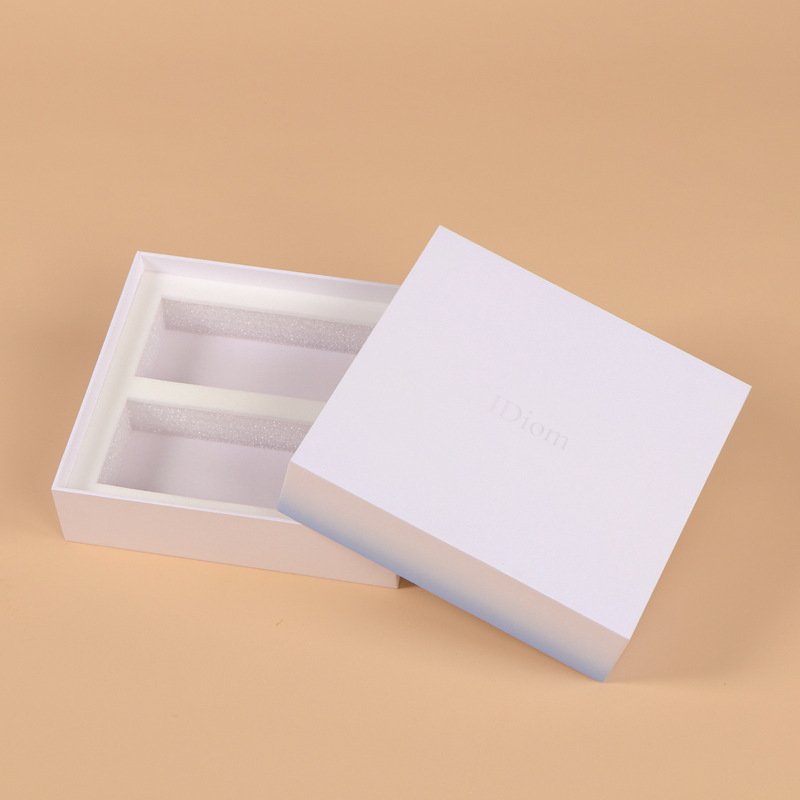







Packaging box insert materials are often overlooked but are crucial in protecting, presenting, and preserving products inside the packaging box. The proper choice of insert materials can reduce damage, improve unboxing experience, align with brand values (especially sustainability), and optimize cost and logistics. This guide will walk through all major considerations, material types, pros & cons, design & supply chain aspects, and strategic tips to help you and your clients select inserts that perform, look good, and align with budget and brand.

1. Why Inserts Matter
Before diving into packaging box material choices, it helps to understand why packaging box inserts are important. Inserts serve several roles:
보호: Prevent parts of the product moving, bumping, scratching; absorb shocks, damp vibration; isolate fragile components; protect during transit / handling.
Presentation / Branding / Customer Experience: A well-designed, well-fitting insert enhances the unboxing experience. It gives a premium feel. For luxury, electronics, cosmetics, gifts etc., the insert is part of the story.
Stability & Fit: The insert helps the product fit snugly inside the box. Prevents rattling, misalignment, or damage to printed inner surfaces.
Organization: Inserts can separate parts, accessories, tools, inner packaging etc. Keeps inside tidy, improves perceived quality.
Regulatory / Functional Requirement: In some sectors (electronics, medical devices, fragile glassware) requirements for cushioning, spacing, shock absorption exist. Inserts help meet those.
Given these roles, the insert material choice has to balance many factors: protection vs cost, aesthetics vs sustainability, production complexity vs speed, etc.
2. Key Factors to Consider When Choosing packaging box Insert Material
When advising clients on 포장 상자 insert materials, consider the following criteria. Use them to weigh trade-offs.
| Factor | Why it matters |
|---|---|
| Product fragility, weight, shape | Heavier, fragile, sharp-edged, adhesive, or multiple pieces need stronger/more protective and custom inserts. |
| Transit / distribution conditions | Rough handling, vibration, long distances, climate (humidity, temperature), multiple handlings require more robust insert materials. |
| Unboxing / visual impact / brand positioning | If the insert is visible when opening, it should be aesthetically pleasing, aligned with brand image (color, texture, finish). |
| Cost / production volume | Some materials are cheap per unit but expensive tooling / die-cut or mold; economies of scale matter. |
| Manufacturability & supply chain lead time | Custom shapes require mold or die setup, prototypes; lead times; ease of sourcing materials locally or overseas. |
| Sustainability / environmental regulation | Biodegradable, recycled, recyclable, or compostable materials are increasingly demanded by consumers / regulators. Some inserts need water resistance etc. which may add coatings that reduce recyclability. |
| Space / weight / shipping costs | Bulk and weight add shipping cost; bulky inserts reduce effective packing density; heavier inserts increase freight cost. |
| Safety / compliance | For food contact, medical, cosmetics: material safety, non-toxic, clean surfaces. Also flame retardancy, non-reaction, etc. |
| Durability & reusability | Sometimes brands want inserts to be reusable (e.g. cases, trays), or to withstand multiple uses. |
Using these criteria, you can map product needs vs cost vs brand needs to select the best packaging box insert material.
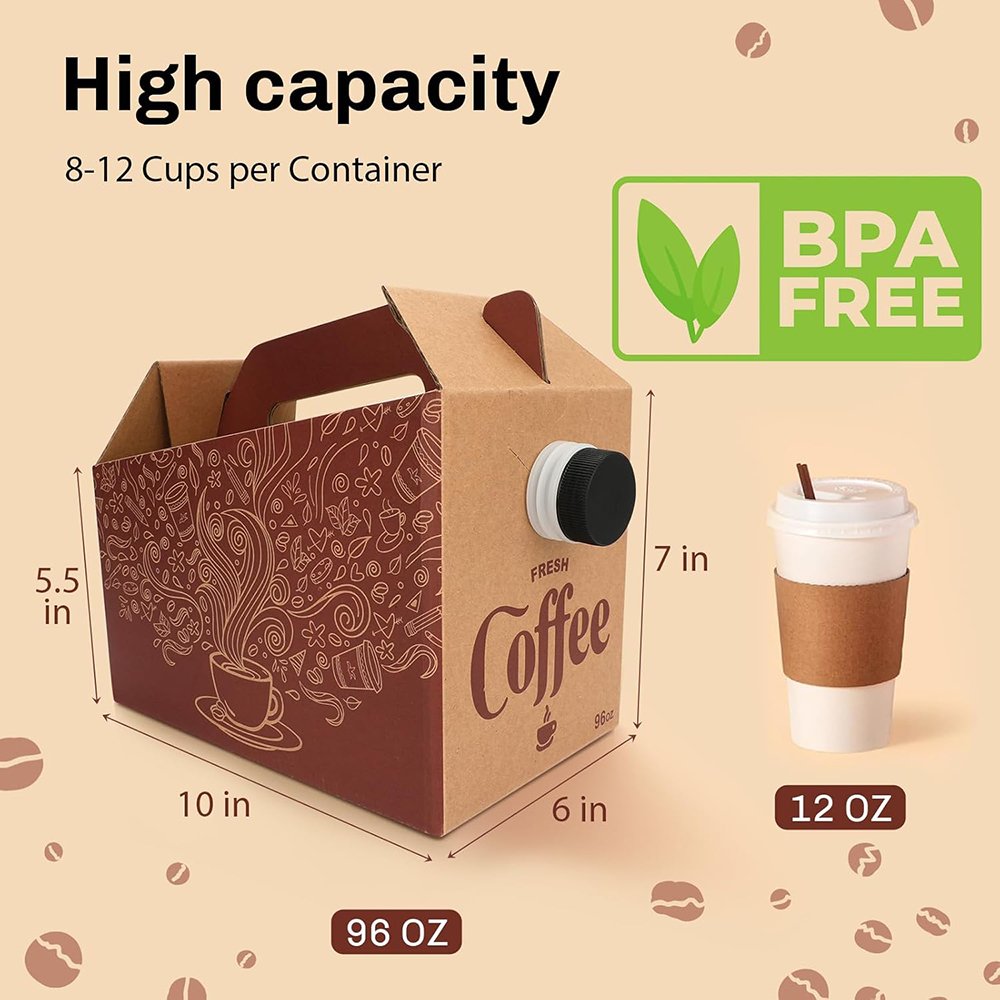
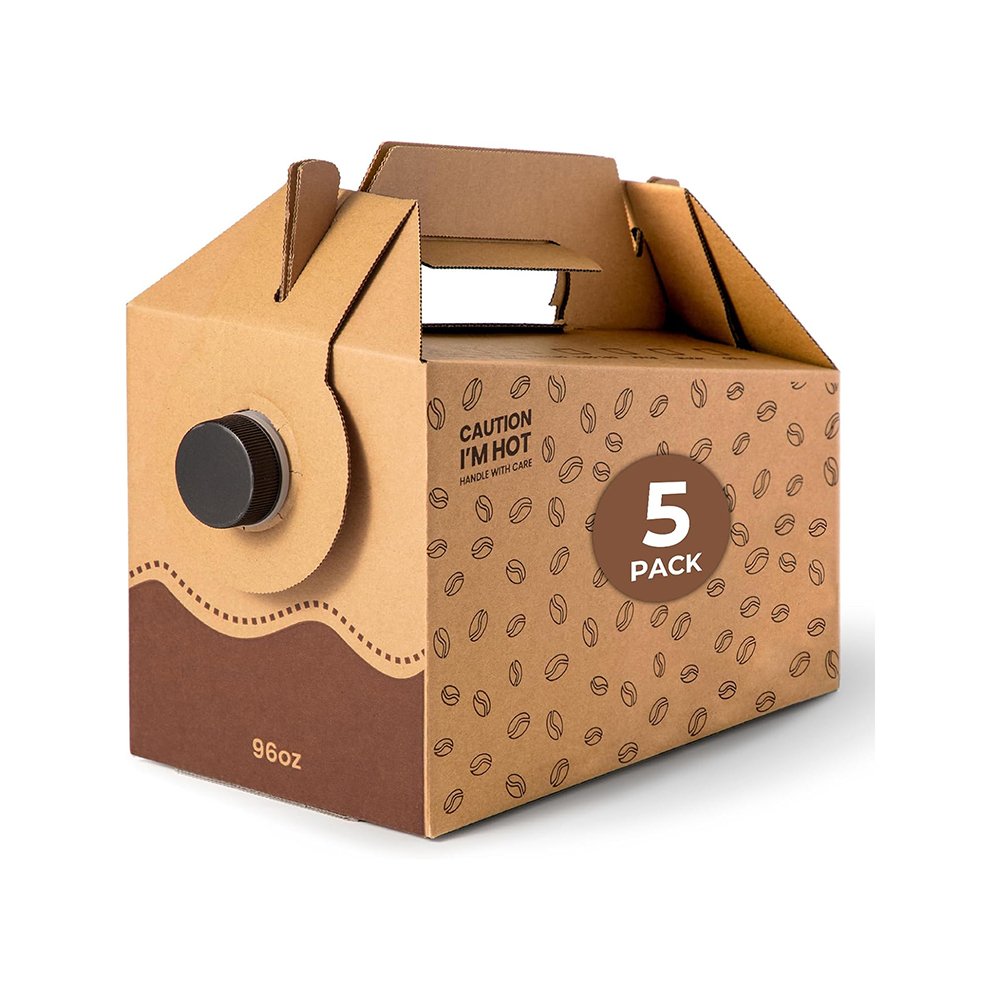
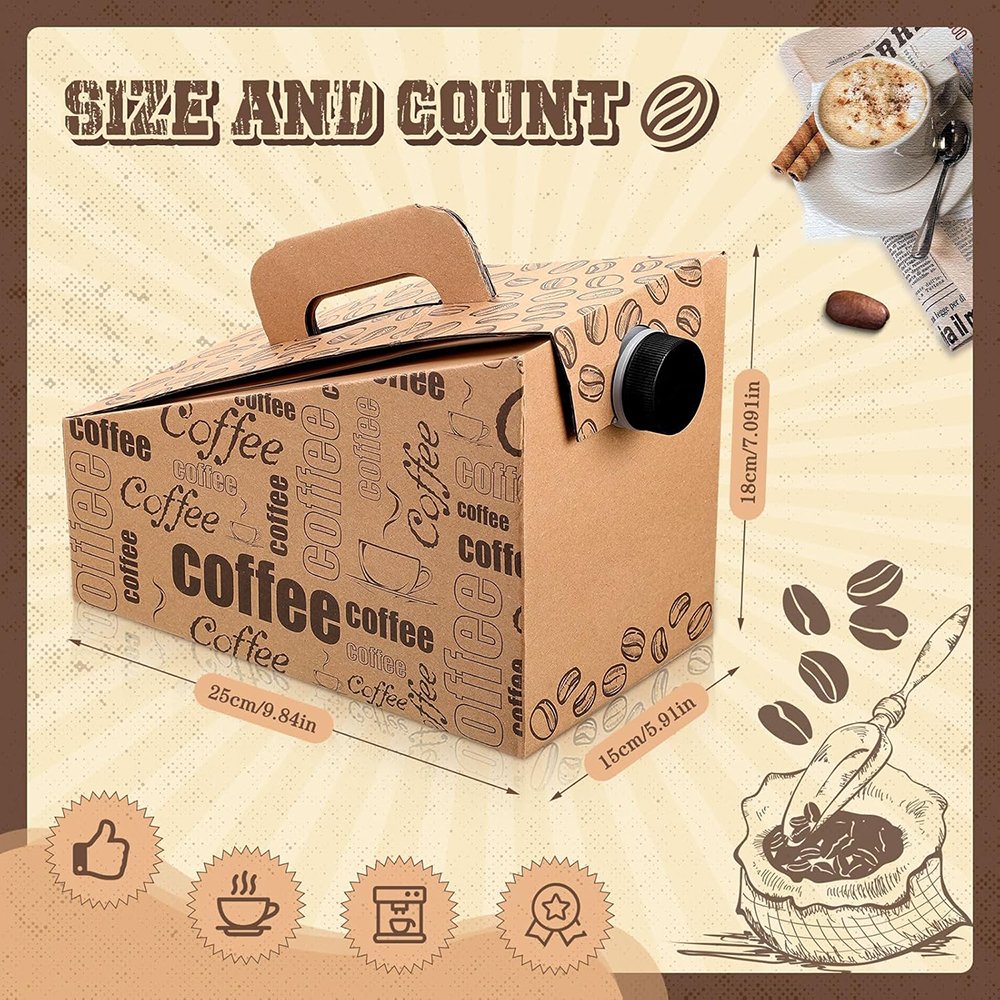
3. Common Types of packaging box Insert Materials: Features, Pros & Cons
Below is a breakdown of the major types of insert materials, with material characteristics, where they are a good fit, and the limitations. For each, I’ll include what you as a manufacturer need to check.
Paperboard / Cardboard Inserts
Varieties: Rigid chipboard, folding thick paperboard, corrugated board, kraft board, laminated boards.
Pros:
Cost-effective: cheap raw material.
Good for light to medium weight products.
Easy to cut, die cut, fold; can be printed or covered; good for branding (color, texture).
Often more sustainable than plastics or foams (recycled content, recyclable).
Cons:
Limited cushioning: won’t absorb severe shocks like foam or molded pulp.
Vulnerable to moisture / humidity unless treated or coated.
Thickness / board strength needed increases cost with weight / pressure.
Best Use Cases: cosmetics, small accessories, stationery, light electronics, presentation trays, separating layers.
Corrugated Cardboard Inserts / Dividers
Pros:
Stronger structure; better shock absorption; good for medium/heavy products.
Can be designed as partitions, trays, supports, to distribute loads.
Good for brands that want mostly paper materials.
Cons:
Bulkier if using strong corrugated; can increase box size.
Less smooth finish—may need lining or skin if brand requires luxury feel.
More expensive tooling / die setup for complex shapes.
Best Use Cases: fragile household items, bottles or glass (e.g. wine, ceramics), medium electronics, grouped multipacks.
Molded Pulp / Molded Fiber
What it is: Pulp made from recycled paper or paperboard; molded into shape; often used like egg carton style or custom trays.
Pros:
Sustainable: made from renewable materials; biodegradable; often compostable or recyclable.
Good shock absorption; decent rigidity; holds shape if designed properly.
Recognized by consumers as “eco-friendly” which adds brand value.
Cons:
Surface finish often rough, less premium; limited color or finish options unless extra processing.
Mold tooling cost; capacity may limit complexity.
Susceptible to moisture unless coated or sealed (which can conflict with biodegradability).
Best Use Cases: eco brands, inner trays for glassware, fragile items, disposable inserts, sectors where sustainability messaging is strong.
Foam Inserts (PU foam, Polyethylene foam, Rebond, EVA etc.)
Pros:
Excellent cushioning and shock / vibration dampening.
Can be custom cut, shaped, or molded to product geometry.
Clean finish; surface can feel premium; deep protection.
Cons:
Often not very sustainable; plastics typically non-biodegradable; recycling challenging.
Sometimes more expensive per volume; bulky; adds weight or space.
Might need binding / adhesives etc; risk of off-gassing or shedding bits.
Use Cases: electronics, precision instruments, glass, valuables, items needing high protection or shock isolation.
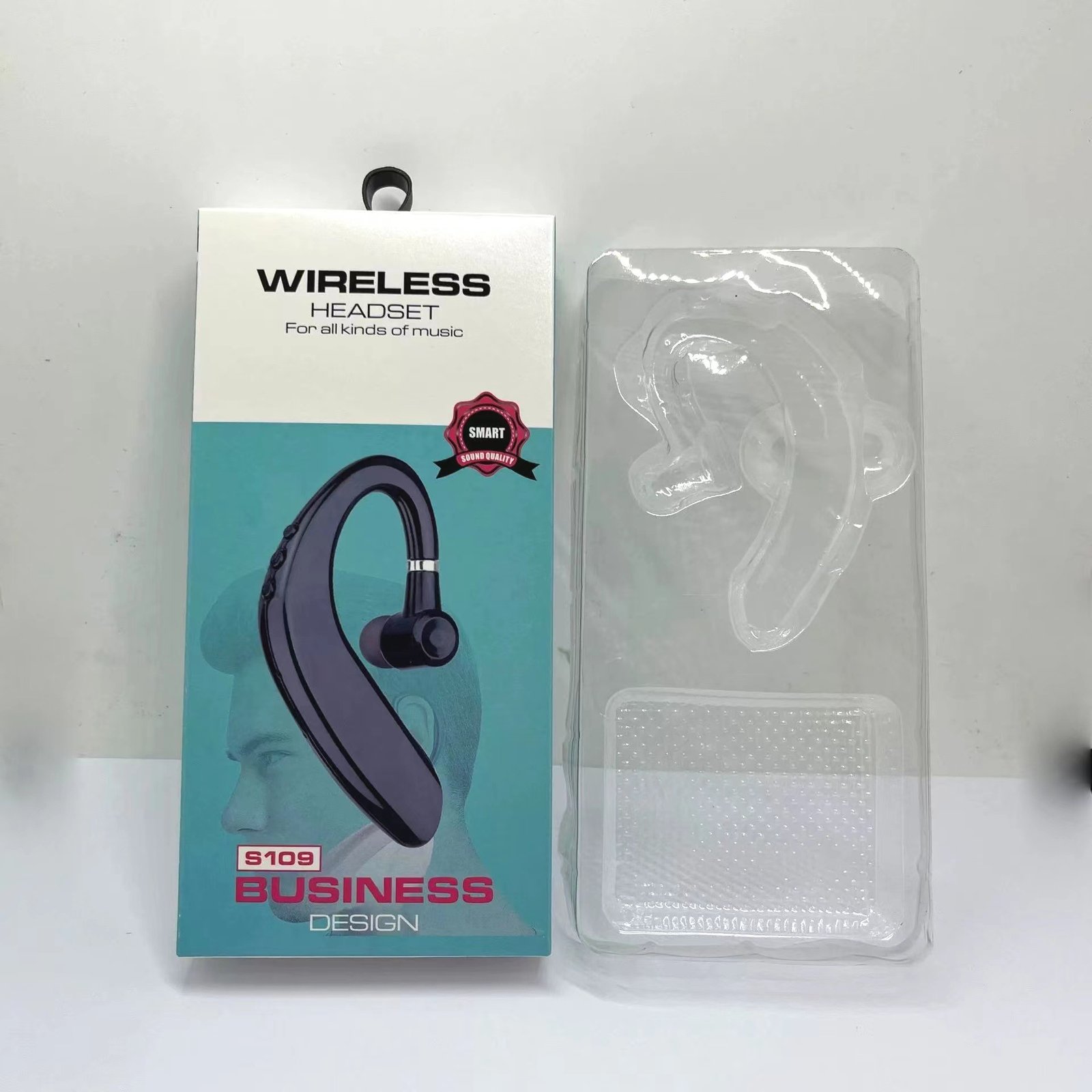
Plastic & Thermoformed Trays / Blister Inserts
Pros:
Can get precise fit; often see-through (good for display).
Rigid; can form complex shapes; good protection.
Can be reused; relatively low cost for high volumes.
Cons:
Usually less sustainable; depends on plastic type; many are not recyclable widely.
Perceived negatively if brand promotes eco-values.
Visibility sometimes mandates cosmetic quality; plastic may scratch; edge finish etc matter.
When to Use: retail display, items where visibility matters (e.g. food or cosmetic), high-volume consumer electronics packaging.
Wooden Inserts / Balsa Wood / Bamboo / Rigid Natural Fibers
Pros:
Natural premium feel; strong; can be decorative / part of brand aesthetic.
Durable; reusable; good for luxury / gift packaging.
Cons:
Higher cost; heavier; more expensive tooling; sustainability depends on sourcing.
Not always recyclable in standard systems; may need special disposal.
Use Cases: luxury goods (watches, spirits, high end gifts), items where the insert itself adds perceived value.
Sustainable Composites / New Bio-Materials
Materials like wood composites, bioplastics (PLA, PHA), or hybrid materials. Example: Sulapac Flow (wood composite) for thermoformed trays.
Pros: often lower environmental impact; can offer similar functionality to plastics while reducing CO₂ footprint, etc.
Cons: sometimes higher cost; may have limitations (e.g. temperature, moisture, mechanical strength); sometimes new regulatory / disposal ambiguity.
4. Matching Material to Product Category & Requirements
Here’s a table mapping various product types / common requirements to suitable packaging box insert material options. Use this as a decision-quicklist with your clients.
| Product Type / Key Requirement | Fragile / heavy / sharp | High visual premium / luxury | Sustainability priority | Moisture or environmental exposure | Large volume / cost sensitive | Display / transparency needed |
|---|---|---|---|---|---|---|
| Luxury electronics | Foam, molded pulp tray lined with softer top layer | Wood, premium foam, thermoformed plastic with finish | Molded pulp / bio composite / recycled board | Plastic-coated bio or treated pulp or foam with moisture barrier | Corrugated board inserts / die-cut cardboard fold | Blister / thermoformed clear plastic or PET |
| Glass / ceramics / bottles | Corrugated dividers, molded pulp, honeycomb paper | Same, with covered / lined inserts for clean look | Pulp / paper / honeycomb paper | Water-resistant coatings or wraps | Simple dividers vs custom foam depend on cost | Transparent / open cutouts if retail display |
| Cosmetics / beauty items | Paperboard inserts, foam for delicate parts | Velvet or flocked lining, soft-touch foam, wood lids or partially visible inner tray | Recycled board, molded pulp trays, compostable bio materials | Moisture control (coatings, barrier liners) | Efficient inserts vs elaborate designs depending on price point | Clear plastic trays if product must be visible |
| Food packaging (snacks, chocolates) | Molded pulp / paperboard / paper trays | Premium lining, decorative paper wraps | Kraft, pulp, plant fibers | Must be food safe, moisture / grease barrier | Inserts must be cost-efficient and safe | Transparent wrap / windows but not internal trays for direct contact unless safe |
| Gifts / Luxury Goods | Wood, rigid foam, covered inserts | High-finish materials, fabric, felt, color matched, lined | Offer eco versions too; sometimes hybrid | Environment sealed, humidity control etc | Volume matters; gift seasons spike | Visible inserts for presentation effect |
5. Trade-Offs & Decision Matrix
Selecting packaging box insert material often requires balancing among multiple trade-offs. Below is a decision matrix approach you can use with clients to compare options.
| Criteria | Weight / Importance (1-5) | Option A (Paperboard) | Option B (Molded Pulp) | Option C (Foam) | Option D (Plastic / Thermoformed) | Option E (Wood / Premium) |
|---|---|---|---|---|---|---|
| Protection level | 5 | 중간 | 높은 | Very High | 높은 | Very High |
| Cost per unit / tooling | 4 | 낮은 | 중간 | Medium-High | 중간 | 높은 |
| Visual / luxury feel | 4 | 중간 | Low-Medium | 중간 | 높은 | Very High |
| Sustainability / eco credentials | 5 | 높은 | Very High | Low-Medium | 낮은 | Medium (depending on sourcing) |
| Moisture / environmental resistance | 3 | Low (without coatings) | 중간 | 높은 | 높은 | 중간 |
| Production lead time / complexity | 3 | 낮은 | 중간 | 중간 | 중간 | 높은 |
| Shipping weight / bulk impact | 3 | 낮은 | 중간 | Often light but bulky | Could be heavier | 무거운 |
Clients can assign importance (weight) depending on their brand & product, then score each option; multiplied weights help select the best insert type.
6. Practical Design & Manufacturing Considerations
Having chosen a material type, there are further considerations in design, prototyping, production, and integration.
6.1 Insert geometry and shape
Insert must cradle the product where needed, avoid applying pressure on sensitive parts.
Ensure clearance for accessories or components.
Minimize material while maintaining protection: use ribs, cavities, customized shapes.
Use interlocking designs or multiple pieces if needed (inner tray + lid insert) rather than single thick piece.
6.2 Surface finish, texture, color
For visual impact, finishes matter: smooth pulp inserts, lined paperboard, flocked surfaces, soft-touch coatings.
Color matching with brand may require dyed pulp or lining paper or added coatings.
Textured surfaces or embossing inside inserts can improve feel; avoid scratching product.
6.3 Moisture, humidity, barriers
If product is moisture sensitive (e.g. cosmetics, foods, electronics), consider coatings / barriers.
Some pulp inserts can be treated, sealed, or use water-resistant materials. But coatings may reduce recyclability / biodegradability.
Also consider condensation during transit or temperature changes.
6.4 Prototyping, testing, durability
Always prototype: physical mockups to test fit, protection, ease of insertion/removal.
Drop tests, vibration tests, compression (stacking) tests to simulate real transit. Identify weak points.
Also test humidity, heat, storage conditions as needed.
6.5 Tooling cost and minimums
Molded pulp or plastic thermoformed trays often require expensive tooling. For small runs, paperboard or corrugated inserts may be more cost-effective.
Die-cutting or laser cutting for shape inserts; requires proper CAD/design work; consider scaling tool reuse.
6.6 Integration with outer packaging and logistics
Insert + box inner dimensions must align so that the assembled unit is stable, not too tight or loose.
Inserts should allow efficient packing; bulky inserts may reduce the number of units per outer carton / pallet.
Inserts should not make the total weight too high (increasing shipping/handling cost).
6.7 Sustainability and end-of-life
Labeling or communicating to end users how to dispose inserts (recycle, compost, etc.) helps brand reputation.
Avoid mixed materials that are hard to separate (e.g., pulp + plastic liner + foil), unless necessary.
Tracks and sources: recycled content, FSC or similar certification.
7. Emerging & Sustainable Insert Material Innovations
As sustainability becomes more critical, new materials and technologies are appearing.
Bio-composite trays: e.g. Sulapac Flow 1.7 (wood composite) as a plastic replacement for thermoformed trays.
Honeycomb paper / corrugated honeycomb: provides cushioning strength with lighter material, fully recyclable.
Molded pulp improvements: finer surfaces, colored pulps, treated for moisture, smoother finishes.
Bio-foams / biodegradable foams: some plant-based oil foams, foam alternatives; often more costly but improving.
Minimal or zero inserts: for some products, packaging design can eliminate the need for separate inserts. For example, using molded shapes in outer packaging, or using protective wraps/films that avoid internal rigid inserts.
8. Examples / Case Studies
Here are some illustrative examples to show how different insert packaging box insert materials have been used in practice, what decisions were made, and what trade-offs resulted.
Case A: Glass Bottle Product / Wine/Ceramics
Need: protect fragile glass; also presentation in gift boxes.
Insert choice: Honeycomb paper sleeve + corrugated cardboard divider + molded pulp base. The outer box is luxury rigid or thick chipboard.
Benefits: full protection from side shocks, less movement; sustainable materials; gift-worthy presentation.
Trade-offs: tooling cost for molds or die cuts; extra space / weight due to layered inserts; moisture protection is moderate (but acceptable if wrapped or shipped in climate-controlled).
Case B: High-end Electronics (Gadgets / Watches)
Need: secure positioning, scratch protection, premium look.
Insert choice: foam (or eco-foam), velvet-lined paperboard or wood tray with lift-tab; outer magnetic rigid box.
Benefits: very premium feel; product is well protected; luxury unboxing, high perceived quality.
Drawbacks: cost high; heavier; foam may conflict with sustainability goals unless select eco-foam; prototype / mold costs.
Case C: Sustainable Home Goods / Eco Brand
Need: brand narrative of sustainability must carry through; moderate fragility (e.g. ceramic mug or wooden kitchenware).
Insert choice: molded pulp tray or paperboard insert, possibly a kraft pulp lid liner, minimal coatings. Use corrugated dividers where needed.
Benefits: strong brand messaging; use of recycled / renewable materials; acceptable protection; lower environmental footprint.
Drawbacks: finish not as premium; texture coarse; limited colors; perhaps slightly larger packaging needed to fit thicker pulp inserts; moisture sensitivity.
9. Sample Selection Matrix / Decision Workflow
Here’s a suggested step-by-step workflow you (as manufacturer) can use when consulting with a client to choose the right packaging box insert materials.
Gather product data: weight, shape, fragility, surface sensitivity (scratches, pressure), presence of small parts.
Understand the distribution environment: transit distances, handling roughness, climate, retailer storage conditions.
Define brand & customer expectations: luxury vs mass market; eco vs flashy; unboxing importance; visibility of insert.
Set budget / unit cost constraints: total cost per unit allowed; expectations for tooling cost, production volume.
Check sustainability goals / regulation: is recyclable / compostable mandatory? Any certifications needed? Customer care for eco credentials.
Shortlist insert material types: maybe 2-3 options (e.g. molded pulp, paperboard, foam).
Prototype & test: physical mock-ups; test shock, drop, vibration; test moisture and environmental stress; test fit & assembly speed.
Assess packaging size / shipping / weight impact: Evaluate volume, weight with insert + product + outer box; check palletization, freight cost.
Finalize material & finish options: surface treatment, color, lining, inserts for small parts, etc.
Plan for supply chain & production: lead time, tooling, local vs overseas material sourcing, quality control, production consistency.
Communicate disposal / end-user guidance: label if compostable / recyclable; possibly include messaging in packaging.
10. Tips & Best Practices to Reduce Cost Without Sacrificing Quality
In many cases, clients (brands) want premium protection and look, but cost constraints are significant. Here are tips to deliver value:
Use modular inserts: one standard base insert, with optional premium overlay (e.g. for a deluxe version).
Use thinner material with clever geometry: ribs, honeycomb, bridges to reduce material bulk but preserve strength.
Minimize scrap by efficient nested die cuts or optimized molds.
Use dual-purpose inserts: e.g. product held in insert + display tray or portion becomes secondary protection.
Balance density vs volume: bulk trade-offs between heavier protective materials and shipping cost. Sometimes cheaper protection that avoids damage is worth more than expensive insert that over-protects.
For lower-cost lines: paperboard / corrugated dividers + tissue wrap can be enough.
For e-commerce shipping: sometimes an insertless design with protective padding (wraps, bubble tape) can avoid insert cost and still protect well.
11. Common Mistakes & What to Avoid
To ensure your clients do not fall into pitfalls, be aware of these common mistakes when choosing packaging box insert materials:
Over-engineering the insert: choosing premium / heavy materials where not necessary; inserting rigid foam for products that do not need so much protection – adds cost and weight unnecessarily.
Poor prototyping / skipping testing: assuming a material will protect, only to find real transportation damages; costs of damage or returns often far exceed cost saved.
Misaligned brand vs material: premium brand with cheep plastic insert can damage perceived value; eco brand with non-eco insert undermines brand authenticity.
Hidden costs: tooling / mold fees, finish coatings, moisture barriers, shipping cost increases due to weight or volume.
Ignoring environmental or disposal factors: insert materials that aren’t recyclable / compostable when brand promotes green; or that require special disposal which consumers may ignore / be confused by.
Dimensional mismatches: inserts too tight or too loose; making insert removal difficult; damaging product or packaging; increasing handling time.
12. Summary & Strategic Takeaways
To sum up:
Choosing the right packaging box insert material is about balancing product protection, brand presentation, cost, logistics, 그리고 sustainability.
For light products or where protection demands are modest, paperboard, corrugated inserts are often sufficient and economical.
For luxury, fragile, or high-value products, foam or thermoformed trays or premium materials may be justified.
For eco-brands or clients with sustainability goals, molded pulp, honeycomb paper, bio-composite inserts are increasingly viable. New materials have come a long way in performance.
Always test with prototypes, take into account real transit environment, consider moisture & handling, and include insert design early in the packaging design process.
As a manufacturer with deep expertise, your value is not only in producing inserts but advising clients through this decision process, helping them weigh trade-offs, designing efficient prototypes, securing cost vs quality, and ensuring consistency and sustainability.
BM 종이 상자 제조업체 소개
저희는 10년 이상의 업계 경력을 보유한 전문 종이 포장 상자 맞춤 제작 공장입니다. 가전제품, 의료기기 소모품, 화장품 등 다양한 분야에 걸쳐 고객에게 고품질 맞춤형 포장 솔루션을 제공하는 데 주력하고 있으며, 독창적인 디자인과 정교한 기술로 고객 제품에 무한한 매력을 더하고 있습니다.
저희는 전문 종이 포장 상자 맞춤 제작 업체로서, 가전제품, 의료기기 소모품, 화장품 등 다양한 분야에 걸쳐 폭넓은 서비스를 제공합니다. 고급 가전제품을 위한 정교한 선물 상자부터 의료기기 전문 포장, 세련된 화장품 외관 상자까지, 고객의 요구와 제품 특성에 맞춰 최적의 포장 솔루션을 맞춤 제작해 드립니다. 저희의 전문성은 수많은 브랜드 고객들에게 인정받아 신뢰할 수 있는 파트너로 자리매김했습니다.
BM 종이 상자 공장을 선택해야 하는 이유
최고급 품질: 중국 최고의 맞춤형 종이 상자 제조업체 중 하나로서, 당사의 품질 관리팀은 고객님께서 받으시는 모든 제품이 최상의 품질임을 보장합니다. 당사는 전문적인 품질 검사 장비를 보유하고 있습니다.
제품 디자인: 저희 샘플링 부서는 도면을 실제 제품으로 구현하는 완벽한 공정을 갖추고 있습니다. 또한, 오랜 경험을 바탕으로 고객님의 제품 디자인을 더욱 개선해 드립니다. 의견을 들려주세요.
안정적인 배송 시간: 최고의 선물 상자 제조업체 및 공급업체로서, 저희는 충분한 생산 능력을 갖추고 있어 대량 주문에도 문제없이 제시간에 배송해 드릴 수 있습니다.
최저가 보장: 저희는 종이 상자 제조 전문 공장이자 중국 최고의 제조업체로서, 최고 품질의 가방을 최저가로 제공할 수 있습니다.
정밀한 관리: 정밀한 관리가 없으면 아무것도 이룰 수 없습니다. 저희 회사는 완벽한 관리 시스템을 갖추고 있습니다.
24시간 연중무휴 서비스: 최고의 종이 상자 제조업체로서 24시간 연중무휴 즉각적인 응답을 제공합니다. 더 나은 공급업체가 되기 위해 고객님의 의견을 경청하겠습니다. 지금 바로 문의하세요.(+86 18925520049)
BM 종이 상자 관련 FAQ
저희는 중국 최고의 제조업체이며 공장은 동관에 위치하고 있습니다. 공장 방문을 환영합니다!
• 저희는 특히 선물 포장 분야에서 전문적인 종이 포장 제품 공급업체입니다. 다양한 용도의 종이 상자와 종이 봉투를 생산할 수 있습니다.
• 저희는 원스톱 서비스를 제공하며, 고객의 요구사항에 따라 맞춤 디자인도 가능합니다.
•물론, 일반적으로 샘플은 무료로 제공해 드리며, 배송비만 부담하시면 됩니다. 맞춤 인쇄 샘플의 경우, 샘플 비용 확인을 위해 요구 사항을 보내주시기 바랍니다.
• 샘플 제작에는 약 7일이 소요됩니다.
네, 저희는 구조 설계 및 간단한 그래픽 디자인을 포함한 무료 디자인 서비스를 제공합니다.
물론입니다. 고객님의 디자인으로 어떤 포장이든 제작해 드릴 수 있습니다. 현재 100개에서 500개까지의 소량 주문에 적합한 ODM 포장 서비스를 제공하고 있으며, 로고도 그대로 넣으실 수 있습니다.
주문 수량 및 생산 세부 사항에 따라 약 15~20일이 소요됩니다.
대량 생산 전에는 항상 시제품을 제공하고, 출하 전에는 항상 최종 검사를 실시합니다.
• 크기, 재질, 인쇄 세부 사항, 수량, 배송지 등.
• 또한, 고객님의 요구사항을 알려주시면 저희가 적합한 제품을 추천해 드리겠습니다.
• 해상, 항공 또는 특송으로 운송 가능합니다.
• 중국에 자체 운송업체가 있는 경우, 이는 공장도 가격 또는 FOB 가격입니다.
• CFR 또는 CIF 등, 저희가 대신 운송해 드려야 하는 경우 알려주세요.
• DDP와 DDU도 사용할 수 있습니다.
• 더 많은 선택지가 있다면, 귀하의 선택 사항을 고려해 보겠습니다.
• 가격은 수량, 재질, 가공 방법, 크기 및 기타 요인에 따라 결정됩니다. 또한, 당사의 지속적인 노력으로 인해
기술 혁신 덕분에 일부 제품의 가격 경쟁력이 매우 뛰어납니다. 견적 문의는 언제든지 연락 주십시오.