








As a paper box manufacturer with over a decade of experience designing and producing custom packaging, you understand that finishing techniques are what often separate “good enough” packaging from packaging that delights, that sells, that elevates the brand. Foil stamping is one of those finishing techniques — often perceived as luxury, premium, or eye-catching. When used well, it can significantly enhance perceived value, reinforce brand identity, and help products stand out in the market. But like any technique, it comes with trade-offs, costs, limitations, and design/technical requirements.
This blog will provide a comprehensive look at foil stamping for 포장 상자: what it is, how it works, types & finishes, pros & cons, design and substrate considerations, when it’s the right choice, cost considerations, and best practices (especially from the manufacturer side).

1. What is Foil Stamping?
Foil stamping (often called hot foil stamping or foil emboss / stamping) is a specialty finish where a thin foil film (metallic or pigmented) is transferred onto a substrate (paperboard, paper, sometimes plastic film or other materials) using heat, pressure, and a metal die. The effect is reflective or shiny (in metallic foils), or otherwise decorative (pigmented, matte, holographic, textured, etc.). It’s used to apply logos, logos accents, borders, titles, decorative graphics or other design elements that benefit from sheen, texture, or premium look.
Foil stamping has a long history (late-19th / early-20th century) and remains popular in premium packaging, gift boxes, luxury goods, specialty items, cosmetics, and many industries where shelf presence and unboxing impression matter.
There are variations: besides traditional “hot foil stamping,” there are cold foil stamping, digital foil stamping, hybrid methods, etc., which offer different trade-offs in cost, detail, speed, etc.
2. How the Foil Stamping (Hot Stamping) Process Works
Here is a breakdown of how hot foil stamping is done (the typical method), step by step:
Design & Die Creation
The client / designer provides desired artwork (logo, graphic element, text, etc.) to be foiled. This artwork must be suitable for stamping (clear outlines, contrasts, not overly fine detail unless tooling & substrate allow).
A metal die (copper, brass, magnesium, or similar) is made. This die has the raised (relief) portions where foil will stick. Depending on style, the die may also include raised parts or relief if embossing + foil are combined.
Preparation of Foil Material
Foil itself is a layered material: there is a carrier film (which is discarded after the process or rewound), a pigment/metallic layer, and a heat-activated adhesive (or adhesive layer) that bonds the foil to the substrate.
Selection of the foil type (metallic, pigmented, holographic, textured, etc.).
Stamping Setup (Hot Foil Pressing)
The die is heated to a specified temperature.
The foil is positioned (unwound) between the die and the substrate (which might be paperboard, coated paper, etc.).
Heat + pressure are applied for a set dwell time so that adhesive bonds the foil layer onto the substrate wherever the raised parts of the die touch. The carrier is peeled away.
Finishing / Additional Treatments
Sometimes foil stamping is combined with embossing (raising the design) or debossing (recessed) for extra texture.
May follow with varnish, coatings, or protective layers if required (for durability, scratch resistance, etc.).
Inspection & Quality Control
Checking that foil adhesion is clean (edges crisp), no lifting, no peeling, foil fully transferred.
Checking alignment / registration, especially if foil is used together with printed areas.
Checking for heat damage or substrate distortion.
There are also alternative methods:
Cold foil stamping: A version where the adhesive is applied first (often via printing or UV‐curable adhesive), and foil is laminated onto adhesive (without the same level of heat or traditional die). This may allow faster runs, or use with presses already printing or in hybrid settings.
Digital foil stamping: where foil effects are applied via digital processes (adhesive or digital toner + foil) rather than via metal dies; useful for short runs, variable data, custom designs.
3. Types & Styles of Foil Stamping
Depending on the design effect desired, the box structure / shape, production volume, and budget, different foil stamping styles / techniques can be used. Here are the most common types and what they deliver:
| Foil Style | Description / Effect | Use-Case / Visual Impact |
|---|---|---|
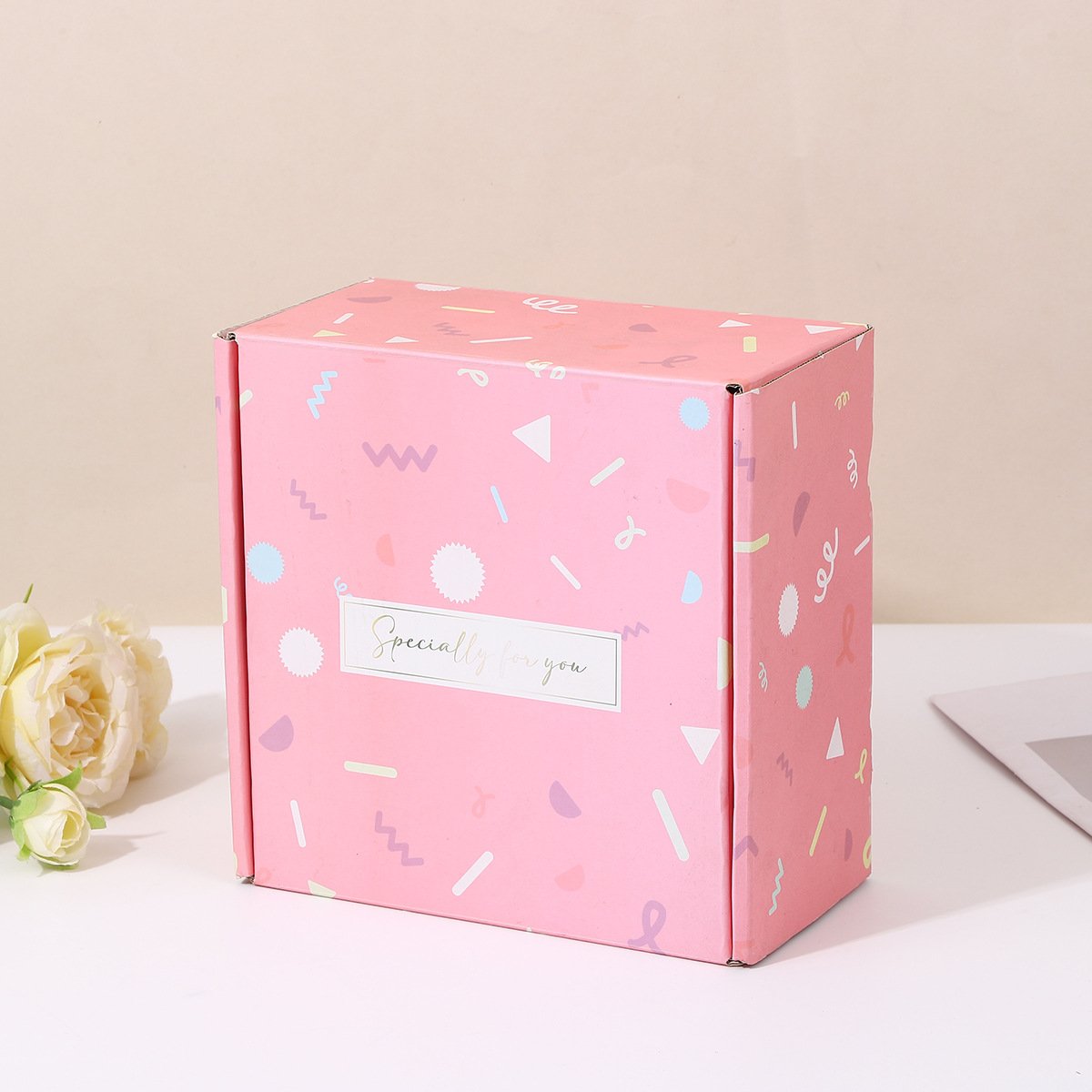
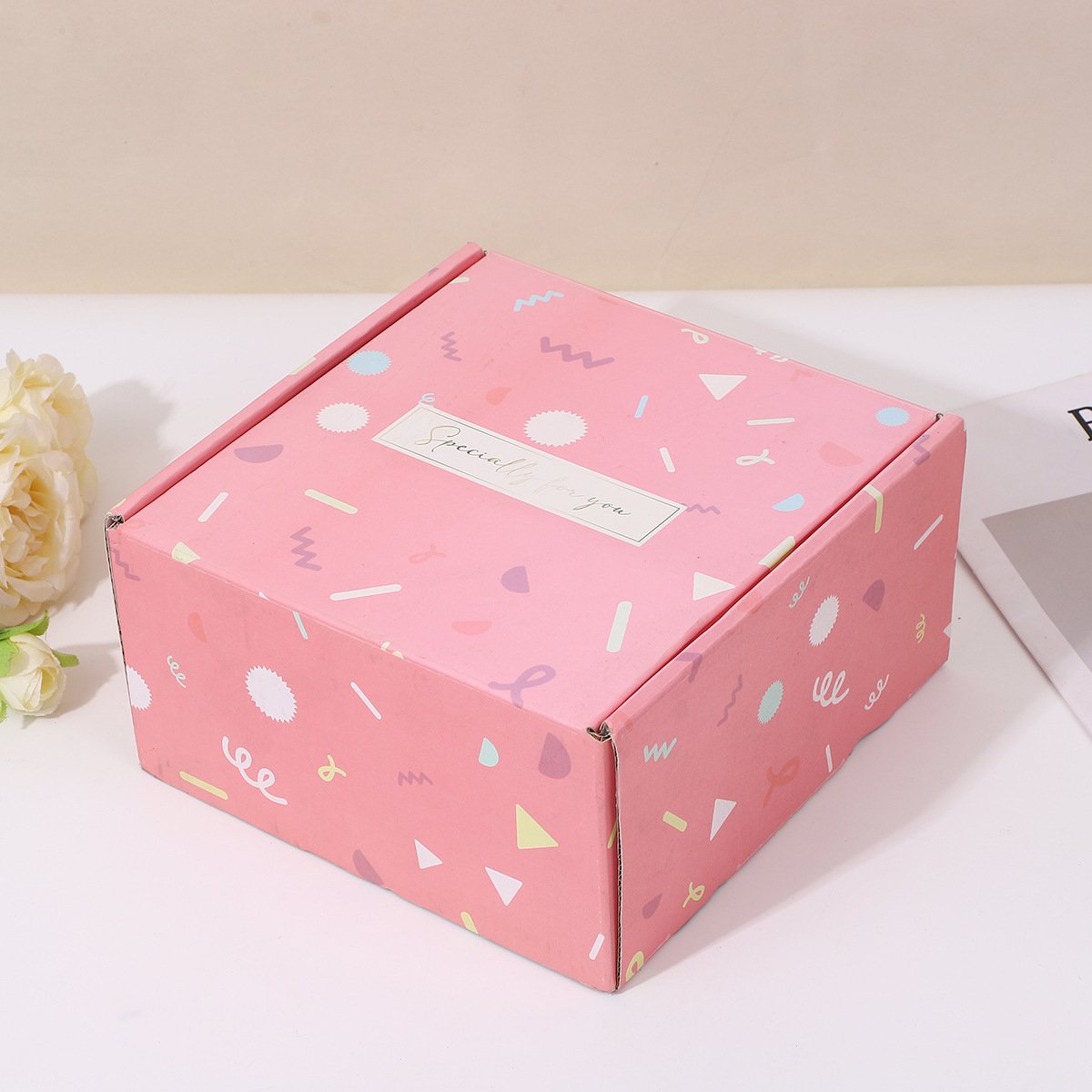
| Flat Foil Stamping (Flatbed) | A flat die presses foil onto a flat surface; the foil area is flat (i.e. the foil itself not heavily raised), but glossy / metallic shine is visible. Usually the simplest and most economical foil stamping style. | Logos, accents, titles, borders on rigid boxes; simple foil areas where premium shine is desired with lower cost. |
| Vertical Foil / Cylindrical Foil Stamping | Used for curved or cylindrical surfaces; foil stamping on round surfaces (e.g. tubes, lids) so that foil wraps or goes around curved areas. | Cosmetic tubes, jars, cylindrical containers, etc. |
| Peripheral Foil Stamping | Foil is applied around edges, or around the outer circumference/perimeter of a box or lid. Adds an elegant frame or border effect. | Borders, edging, accent lines, decorative frames, packaging with lid edges highlighted. |
| Sculpted / Raised / Embossed Foil Stamping | Combines foil with embossing (raised design), or uses a sculpted die to produce a three-dimensional raised effect on the foil area. Gives tactile texture as well as visual shine. | Very premium packaging, luxury brand logos, jewelry boxes, gift boxes where touch matters. |
| Registered Foil Stamping | Foil stamping aligned precisely with pre-printed or other visual elements (ink, printed graphics), so foil accents integrate with printed artwork. Registration is critical. | |
| Holographic / Pattern / Special Effect Foil Techniques | Foils that have holographic or patterned textures; or foils with special finishes like matte metallic, pearl, woodgrain, or textures. These give decorative or security effects. |
4. Types of Foils / Finishes Available
The foil material itself can have many finishes, coating types, patterns, colors. Choosing the right foil contributes heavily to the final effect. Here are common foil types:
| Foil Type / Finish | Visual & Tactile Effect | Pros & Special Notes |
|---|---|---|
| Metallic Foils (gold, silver, copper, brass, etc.) | Shiny mirror-like finish; high reflectivity, luxury feel. Very classic. | |
| Pigment Foils (matte or gloss non-metallic colors) | Saturated colors, without reflective metal sheen; can be gloss or matte finish; more options for brand colors. | |
| Holographic Foils | Rainbow or multi-color shifting effects when angle changes; eye-catching, dynamic. Useful for limited-edition or decorative parts. | |
| Pearlescent Foils | Soft sheen, slightly iridescent / pearl-like reflection; more subtle than full metallic. | |
| Special-Effect / Textured Foils | Wood grain, leather texture, brushed metal, geometric patterns imprinted into foil, etc. Adds tactile dimension. | |
| Matte Metallic / Muted Shine Foils | Metallic colors but with reduced gloss; more subdued; modern look. |
5. Advantages of Using Foil Stamping on Packaging Boxes
Here are the major benefits, why clients often choose it, and how you as manufacturer can leverage these to deliver value.
Premium & Elevated Aesthetic
Foil adds shine, metallic effects, sheen, which instantly elevates a box’s appearance. This helps create perception of luxury or high value. Brands wanting to communicate quality often lean on foil stamping.Differentiation & Shelf Appeal
In crowded shelves or amongst many packaging designs, foil catches light and eyes. It helps brand distinguish itself visually, which can increase attraction, consumer curiosity, preference.Versatile Design Effects
Because of the variety of foil types (metallic, matte, holographic, etc.), styles (flat, raised, embossed), you have flexibility in design: subtle or bold, accent or full foil wrap, classic or modern.Works on Many Substrates
Many paperboard, coated and uncoated boards, some plastic films or laminates can accept foil stamping (depending on adhesion). Also works well with smooth surfaces.Perceived Value & Branding Power
Perception of value often leads to increased willingness to pay. For premium products, cosmetics, gift-packaging, foil stamping helps justify higher pricing and strengthens brand image.Tactile and Visual Texture Combination
When foil is combined with embossing, textured boards, or finishing effects, it adds both visual and touch appeal — enhancing “luxury unboxing” experience.Durability for Certain Applications
Foil stamping (especially with proper finishing) tends to be more durable than some inks (for shine, scratch, fading) because foil reflects rather than depending entirely on pigment. Proper adhesion ensures foil doesn’t peel.
6. Disadvantages / Trade-Offs / Limitations
Foil stamping is powerful, but it also has downsides. As manufacturer, you need to be aware, communicate transparently with your clients, and plan accordingly. Here are the main trade-offs:
Higher Setup & Tooling Cost
Metal die creation (for each foil design element) is an added cost.
If design changes, new die needed.
For small orders / minimal foil area, this cost can dominate.
Longer Lead Time
Time is needed to make dies, set up stamping press, test.
Finishing steps and QC take time. If design updates are needed, time cost.
Limited Detail (Very Fine Lines / Very Small Text May Be Challenging)
Very fine details may fill in, or tiny foil areas may not fully transfer cleanly.
Texture or rough substrates can yield uneven adhesion or foil breakouts.
Substrate Limitations
Highly textured, rough, or deeply embossed boards may reduce effectiveness or clarity of foil. Smooth/consistent surfaces produce better results.
Thin or flexible substrates may have issues with foil cracking or adhesion during bending or folding.
Cost Impact (Per-Unit)
Foil material costs more than standard inks, particularly specialty foils (holographic, textured, etc.).
Coverage area matters: large foil areas cost more. Multiple foil passes (different colors, or combining with embossing) increase cost.
Potential Environmental / Recycling Considerations
Foil (especially with metallic or composite layers) may create challenges for recyclability. Some foils are not easily separated in recycling streams.
Adhesives, carrier layers, foil waste (unused foil, mis-press foils) generate waste.
Risk of Overuse Leading to Diminishing Return
If foil is overused, the effect can feel less special. Too much shine can reduce elegance or make packaging feel gaudy. Strategic use is better.
7. Design & Material / Substrate Considerations
To make foil stamping work well, careful choices in design, materials, and coordination between design and manufacturing are necessary. As a skilled box manufacturer, you can guide your clients in these areas.
Surface & Substrate
Smooth, even surfaces are preferable: coated or lightly glossed boards tend to accept foil more cleanly. Rough, heavily textured surfaces may cause uneven foil adhesion.
Board stiffness / thickness matters especially for rigid boxes; folding cartons may require particular fold lines to avoid cracking foil during folding.
Color of substrate: foil shows up well on dark backgrounds (especially metallic foils); contrast matters. Light substrate sometimes shows more accurately the foil color.
Design Artwork Considerations
Keep foil design elements with clean lines, avoid overly fine details unless tested.
Consider how folding, die-cutting, embossing etc. intersect with foil areas: edges or folds across foil areas might cause cracking if not carefully planned.
Registration: If foil is used alongside printed ink graphics, registration needs to be precise so foil accents align.
Die / Tooling Quality
Die material and quality matters: brass, magnesium, copper dies have different cost, lifespan, relief depth, etc.
Sculpted or 3D dies cost more, have more complexity, but can yield premium effect.
Foil Type Selection Matching Design & Brand
Metallic vs pigment vs holographic vs special effects: choose based on brand aesthetic and customer expectations.
Finish (gloss, matte, texture) will change perception dramatically. Sometimes a matte metallic foil looks more premium than a glaring one, depending on brand image.
Finishing & Protective Coating
Because foil is delicate, adding protective coatings or varnishes (where compatible) may help resist scratching or wear.
In folding cartons, foil portions near edges or folds need to be tested for resilience post-folding.
Quantity, Dwell, Pressure & Temperature Settings
Foil stamping machines require correct settings (heat, pressure, dwell time) for good transfer. Too little, foil won’t adhere cleanly; too much may damage substrate or over-transfer adhesive.
Larger foil areas or thicker foils may need different settings.
Mock-ups / Prototyping
Always create prototypes/sample boxes so the client sees how foil behaves with the substrate, art, fold, finishing.
Test in real lighting, in retail or display conditions to see how shininess and reflection will work.
8. When (Use-Cases) to Use Foil Stamping vs Other Finishes
Foil stamping is not always the default; there are many situations where it’s an excellent choice, and others where another finish might work better or more economically. Here are guidelines for when foil stamping makes sense:
| Scenario | Why Foil Stamping Excels | Alternatives / When Not to Use |
|---|---|---|
| Luxury or premium packaging (jewelry boxes, cosmetics, perfumes) | The shine, metallic effects strongly reinforce luxury and exclusivity | High-end digital printing + metallic inks; embossing + varnish; spot UV; but foil often outperforms in visual shine |
| Accent work: logos, borders, titles | Foil adds focus, contrast, draws eye to key elements without needing full-color print everywhere | Spot UV or gloss varnish; metallic inks might approximate some effect but not quite the same |
| Products intended for gifting, special editions, promotional / seasonal boxes | Buyers expect unboxing / special feel; foil helps elevate perceived value | Possibly simpler finishes for mass products; cost may be too high for everyday packaging |
| Packaging with darker colors or dark backgrounds | Metallic foil stands out well against dark colors | Light color printing may need under-printing or different finish to achieve contrast |
| Smaller areas of foil, partial foil designs | Cost is more manageable; impact is high with less material | Full foil coverage is more expensive; may risk overuse or foil cracking |
| Medium to large order volumes (so tooling cost is amortized) | Setup cost justified; unit cost per piece acceptable | For very small runs, or many variant SKUs with different foil art, digital foil or other effects may be better |

9. Cost, Lead Time, Sustainability Considerations
Cost & Pricing Factors
Die / Tooling Cost: Key fixed cost, varies by die material (brass, copper, magnesium), complexity, relief depth.
Foil Material Cost: Metallic foils vs specialty foils (holographic, textured) cost more. Color and finish choice influence cost too.
Coverage Area: Larger foil areas consume more foil material, die usage, longer dwell times.
Number of Colors / Foil Passes: Multiple foil colors or combining foil with emboss/embossing increases cost.
Order Quantity: As orders increase, fixed costs are distributed over more units, lowering cost per unit. Conversely, small runs amplify cost per piece.
Lead Time
Die creation takes time.
Setup, testing, sample proofing add to lead time.
For multiple foil elements (especially specialty or textured foils), more calibration may be needed.
Sustainability / Environmental Considerations
Foil stamping includes metalized or pigmented foil layers that may complicate recycling. Some foils are not recyclable or are only partially recyclable.
Adhesives and carrier films may leave residues; waste from foil carrier and test runs contribute waste.
However, newer foils and foiling processes try to improve eco credentials (using recyclable foil, minimizing waste, optimizing foil path, more efficient die usage).
Using foil only in accent or small areas vs full coverage helps reduce total foil usage.
10. Best Practices & Tips for Manufacturers & Brands
Here are actionable tips (from your manufacturer-standpoint and what you can advise clients) to ensure foil stamping is used well and delivers value.
Early Inclusion in Design Conversations
Include foil stamping from the start of packaging design (not at the last minute), so dielines, folds, graphics, and substrate choice can account for foil.
Select Substrate Wisely
Test substrates with foil stamping before finalizing. Use sample boards. Ensure board surface smoothness, finish, coatings are compatible.
Use High-Quality Dies and Maintenance
Use good die materials; store dies properly; maintain edge quality.
Clean dies / foil stamping press regularly; maintain temperature and pressure controls.
Careful Placement of Foil Elements
Use foil for high-impact areas (logo, accent); avoid covering large areas unnecessarily. Strategically align foil so it avoids folds / joints where stress may crack it.
Combining Finishes Thoughtfully
Foil + embossing can add depth; foil + spot UV or varnish for contrast. But combining increases cost and complexity. Ensure finishes are compatible (e.g. heat, wetness, adhesion).
Prototyping & Quality Checks
Do mock up boxes or sample proofing. Check foil adhesion, alignment, shine, how foil behaves under light / handling.
Test fold lines, edges, durability.
Manage Cost & Order Batches
For clients with many SKUs, try to reuse foil dies or reduce number of foil design variants.
Plan tasks so foil stamping jobs of similar setup are grouped to reduce die changeovers.
Communicate Expectations with Clients
Explain what foil can vs can’t do (limitations on detail, possible reflections, possible cost implications).
Show examples / photographies to manage expectations.
Sustainable Practices
Use foils that are more easily recyclable or minimal metal content where possible.
Minimize wasted foil spans, optimize foil roll layouts.
Use small foil accent instead of full foil when suitable.
Inspection & Packaging Durability
After foiling, check that packaging can withstand shipping, handling, scratching.
Consider protective coatings or wraps if needed in high abrasion or rough transit.
11. Case Examples
Here are some hypothetical / based-on real practice examples showing foil stamping used well (and lessons learned).
Example A: Luxury Perfume Rigid Box
Challenge: Create a perfume gift box that feels premium; logo in gold foil; tactile feel; dark background; minimal design.
Solution: Use brass die, gold metallic foil, flat foil stamping, with varnish coating to protect; use coated rigid board; ensure folds avoid foil edges; sample box to test light reflection and durability.
Lessons: The gold logo shines well against deep navy or black; foil shines brightest under shelf lights; but edges near folds needed protection to prevent cracking.
Example B: Specialty Chocolate Box / Confectionary Gift Box
Challenge: Vibrant packaging; festive season design; want shine and sparkle; limited budget; moderate quantities.
Solution: Use foil stamping for logos and border; holographic or patterned special foil for accent; combine with printed graphics; keep foil area limited to accent positions to limit cost.
Lessons: Overuse of foil made some parts too reflective and difficult to photograph; limiting foil use gave better cost control and still strong visual impact.
Example C: Cosmetics / Skincare Miniature Sets
Challenge: Small boxes, multiple variants, need premium look, fast turnaround, limited run.
Solution: Use flat foil stamping for small logos; maybe pigment foil to match brand color; use smaller die; test fold lines; possibly combine foil with digital printing for the rest.
Lessons: Tooling cost smaller if design is simple; fold and edge quality matter; clients appreciated the shine; though cost per unit was higher than pure print, perceived value increase was positive from end customers.
Foil stamping is a finishing technique
Foil stamping is a finishing technique that, when used well, offers strong visual and tactile impact, helping packaging boxes stand out, reinforcing brand identity, and elevating perceived value. As you’ve likely seen, it’s especially powerful for luxury, gift, cosmetics, premium food, and similar categories.
However, foil stamping is not without cost. It requires careful design, substrate selection, die tooling, and finishing. For smaller runs or designs with frequent changes, the setup cost and tooling time can be significant. There are also environmental considerations to weigh, especially in terms of foil material, adhesive, and recyclability.
As a manufacturer with many years of experience, you are well positioned to guide clients through these trade-offs. By offering prototype samples, advising on substrate, finishes, and die design; by grouping jobs, reusing dies where possible; by using small, strategic foil accents vs large foil coverage when budget demands; and by keeping abreast of newer foil technologies (digital foils, cold foil, specialty foils), you can help clients achieve high impact at reasonable cost.
BM 종이 상자 제조업체 소개
저희는 10년 이상의 업계 경력을 보유한 전문 종이 포장 상자 맞춤 제작 공장입니다. 가전제품, 의료기기 소모품, 화장품 등 다양한 분야에 걸쳐 고객에게 고품질 맞춤형 포장 솔루션을 제공하는 데 주력하고 있으며, 독창적인 디자인과 정교한 기술로 고객 제품에 무한한 매력을 더하고 있습니다.
저희는 전문 종이 포장 상자 맞춤 제작 업체로서, 가전제품, 의료기기 소모품, 화장품 등 다양한 분야에 걸쳐 폭넓은 서비스를 제공합니다. 고급 가전제품을 위한 정교한 선물 상자부터 의료기기 전문 포장, 세련된 화장품 외관 상자까지, 고객의 요구와 제품 특성에 맞춰 최적의 포장 솔루션을 맞춤 제작해 드립니다. 저희의 전문성은 수많은 브랜드 고객들에게 인정받아 신뢰할 수 있는 파트너로 자리매김했습니다.
BM 종이 상자 공장을 선택해야 하는 이유
최고급 품질: 중국 최고의 맞춤형 종이 상자 제조업체 중 하나로서, 당사의 품질 관리팀은 고객님께서 받으시는 모든 제품이 최상의 품질임을 보장합니다. 당사는 전문적인 품질 검사 장비를 보유하고 있습니다.
제품 디자인: 저희 샘플링 부서는 도면을 실제 제품으로 구현하는 완벽한 공정을 갖추고 있습니다. 또한, 오랜 경험을 바탕으로 고객님의 제품 디자인을 더욱 개선해 드립니다. 의견을 들려주세요.
안정적인 배송 시간: 최고의 선물 상자 제조업체 및 공급업체로서, 저희는 충분한 생산 능력을 갖추고 있어 대량 주문에도 문제없이 제시간에 배송해 드릴 수 있습니다.
최저가 보장: 저희는 종이 상자 제조 전문 공장이자 중국 최고의 제조업체로서, 최고 품질의 가방을 최저가로 제공할 수 있습니다.
정밀한 관리: 정밀한 관리가 없으면 아무것도 이룰 수 없습니다. 저희 회사는 완벽한 관리 시스템을 갖추고 있습니다.
24시간 연중무휴 서비스: 최고의 종이 상자 제조업체로서 24시간 연중무휴 즉각적인 응답을 제공합니다. 더 나은 공급업체가 되기 위해 고객님의 의견을 경청하겠습니다. 지금 바로 문의하세요.(+86 18925520049)
BM 종이 상자 관련 FAQ
저희는 중국 최고의 제조업체이며 공장은 동관에 위치하고 있습니다. 공장 방문을 환영합니다!
• 저희는 특히 선물 포장 분야에서 전문적인 종이 포장 제품 공급업체입니다. 다양한 용도의 종이 상자와 종이 봉투를 생산할 수 있습니다.
• 저희는 원스톱 서비스를 제공하며, 고객의 요구사항에 따라 맞춤 디자인도 가능합니다.
•물론, 일반적으로 샘플은 무료로 제공해 드리며, 배송비만 부담하시면 됩니다. 맞춤 인쇄 샘플의 경우, 샘플 비용 확인을 위해 요구 사항을 보내주시기 바랍니다.
• 샘플 제작에는 약 7일이 소요됩니다.
네, 저희는 구조 설계 및 간단한 그래픽 디자인을 포함한 무료 디자인 서비스를 제공합니다.
물론입니다. 고객님의 디자인으로 어떤 포장이든 제작해 드릴 수 있습니다. 현재 100개에서 500개까지의 소량 주문에 적합한 ODM 포장 서비스를 제공하고 있으며, 로고도 그대로 넣으실 수 있습니다.
주문 수량 및 생산 세부 사항에 따라 약 15~20일이 소요됩니다.
대량 생산 전에는 항상 시제품을 제공하고, 출하 전에는 항상 최종 검사를 실시합니다.
• 크기, 재질, 인쇄 세부 사항, 수량, 배송지 등.
• 또한, 고객님의 요구사항을 알려주시면 저희가 적합한 제품을 추천해 드리겠습니다.
• 해상, 항공 또는 특송으로 운송 가능합니다.
• 중국에 자체 운송업체가 있는 경우, 이는 공장도 가격 또는 FOB 가격입니다.
• CFR 또는 CIF 등, 저희가 대신 운송해 드려야 하는 경우 알려주세요.
• DDP와 DDU도 사용할 수 있습니다.
• 더 많은 선택지가 있다면, 귀하의 선택 사항을 고려해 보겠습니다.
• 가격은 수량, 재질, 가공 방법, 크기 및 기타 요인에 따라 결정됩니다. 또한, 당사의 지속적인 노력으로 인해
기술 혁신 덕분에 일부 제품의 가격 경쟁력이 매우 뛰어납니다. 견적 문의는 언제든지 연락 주십시오.