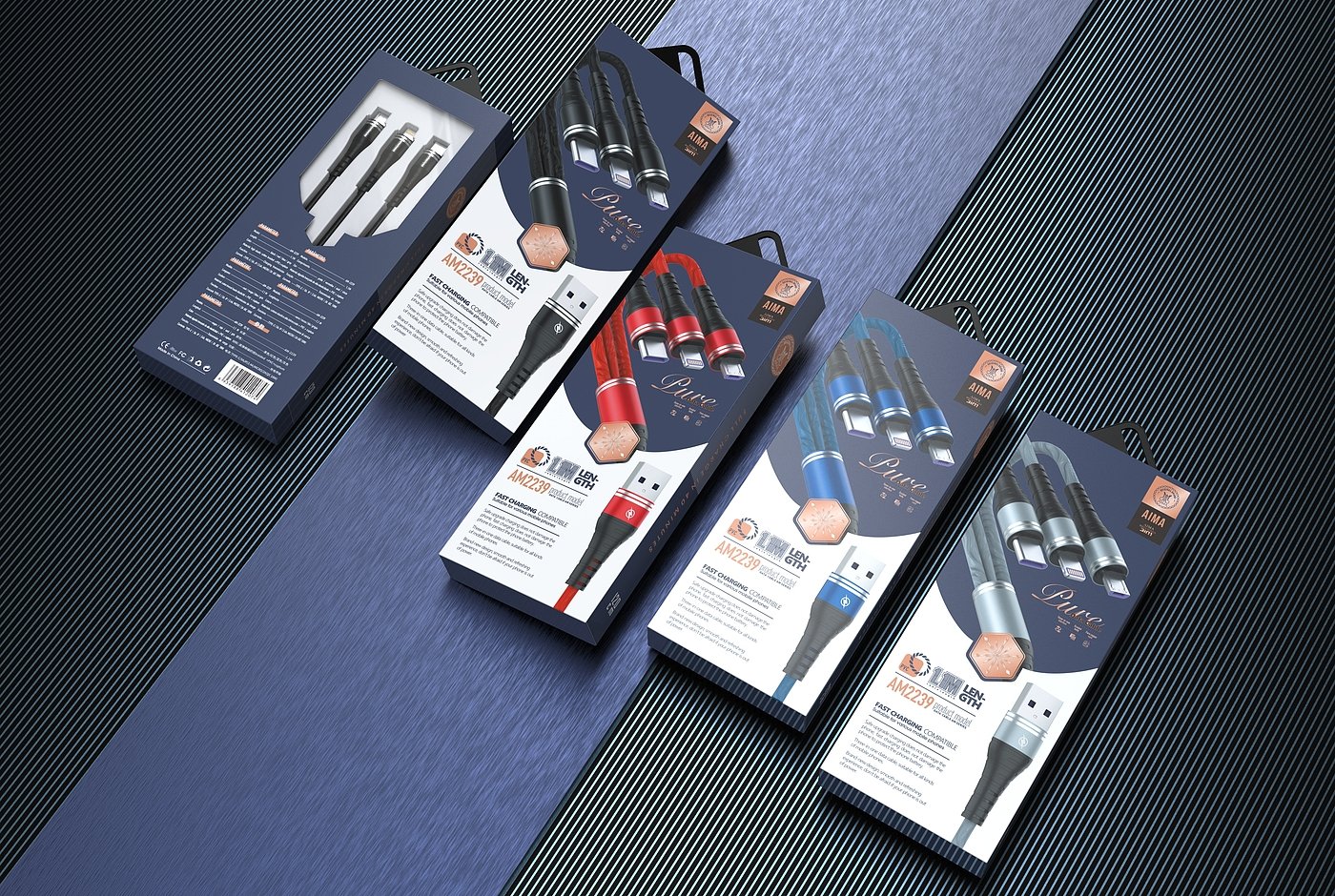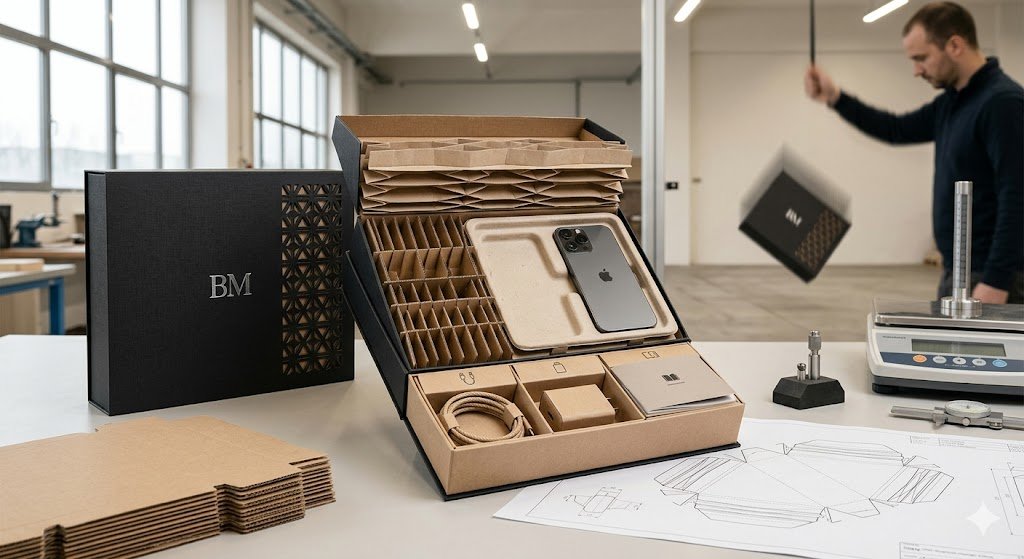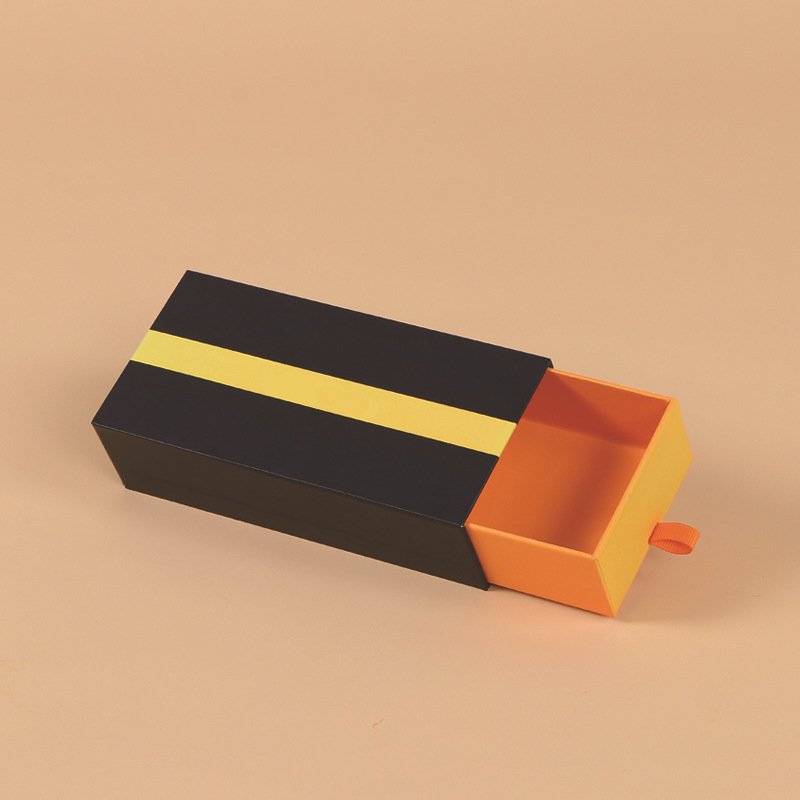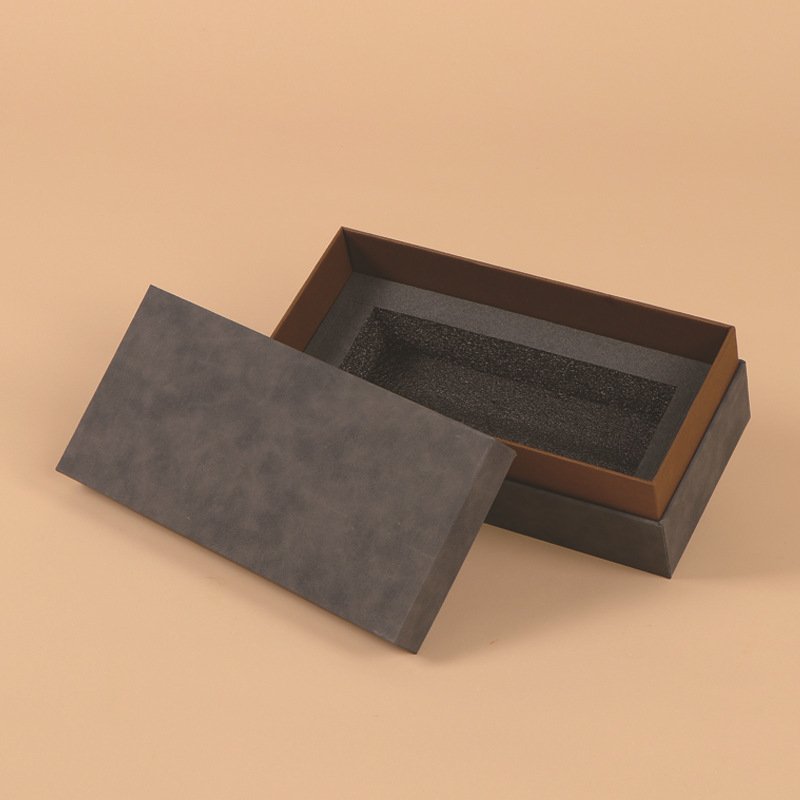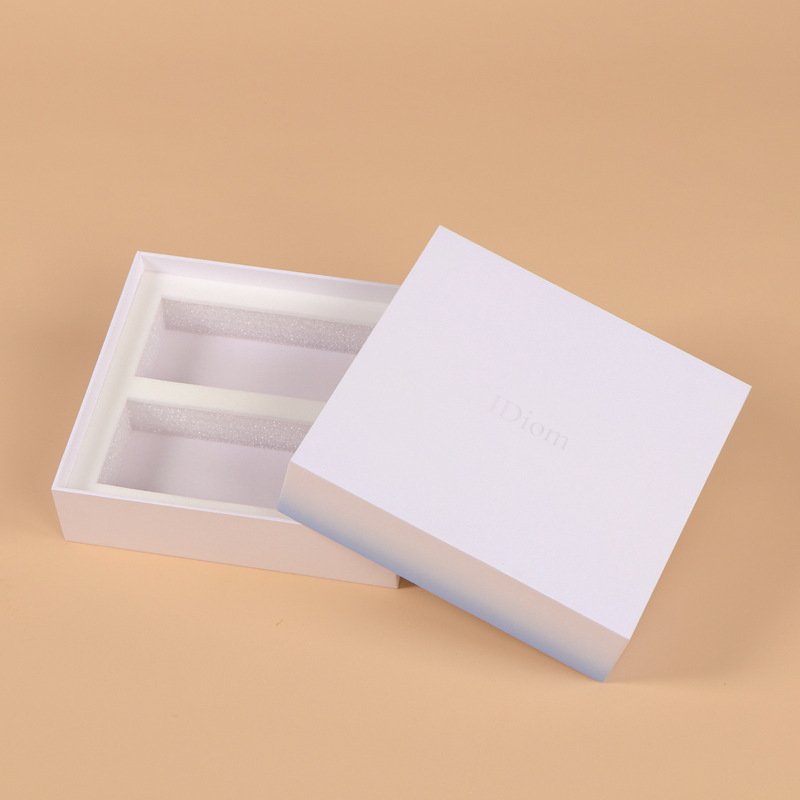









When you make 포장 상자, printing is one of the most important steps—not only for visual appeal but for protecting brand image, maintaining consistency, meeting cost targets, and ensuring durability. Offset printing is one of the most commonly used and trusted printing technologies in the packaging industry, especially for folding cartons, rigid boxes, and any packaging where high graphic quality and consistency matter.
1. What Is Offset Printing
Offset printing (also called lithographic offset printing) is a printing method in which the image to be printed is first transferred from a metal (or plate) surface to a rubber blanket, then from the rubber blanket onto the printing substrate (paperboard, paper, etc.). The offset process is “indirect”—the plate never touches the paper directly.
Important features:
Uses plates (usually aluminium) that carry the image; separate plates for different colors (CMYK, sometimes spot or Pantone colors).
Uses a blanket cylinder (rubber) to pick up inked image from the plate and transfer to the substrate. This helps to reduce wear, to allow printing on slightly textured or uneven substrates.
Strong capability for high resolution, fine detail, smooth color gradations.
Types:
Sheet-fed offset: individual sheets of paperboard are fed into the press. Good for rigid boxes or folding cartons.
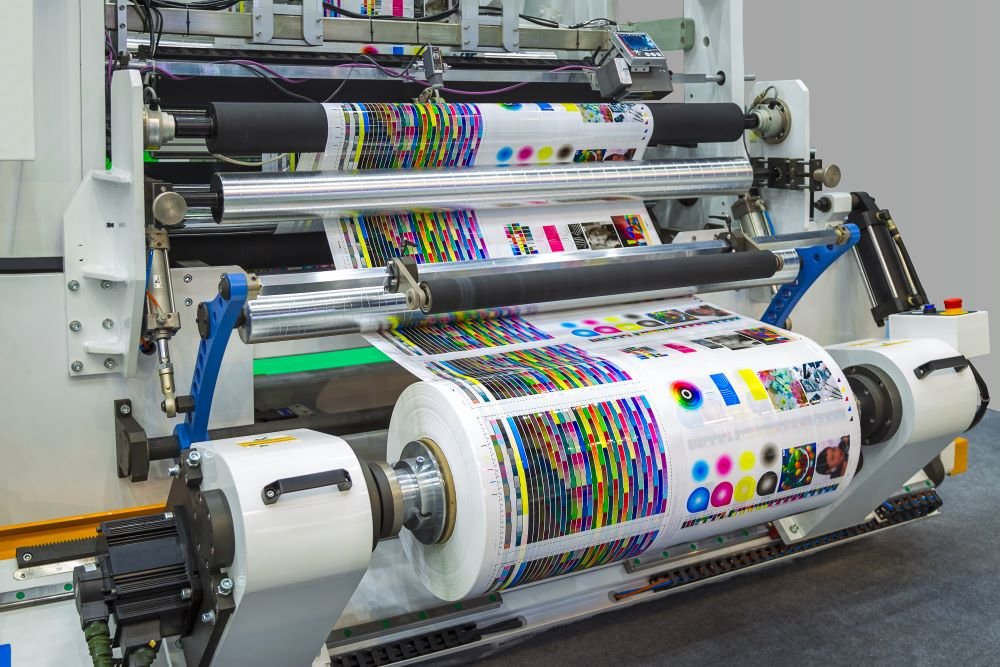
Web offset: paper is in rolls; usually for very large volumes, continuous feeding; more common in magazines/newspapers but in packaging sometimes used for labels or web-fed folding cartons where continuous feed advantages apply.
2. How Offset Printing Works: The Process & Components
Understanding the process helps manufacturers control quality, anticipate costs, and avoid mistakes. Here are the main steps/components:
Pre-press (Artwork & Plate Making)
Design files prepared (usually in digital design software), in CMYK or with spot/ Pantone colors if needed.
Color separation, proofing, imposition (arranging pages/artworks so printing and finishing is efficient).
Plate making: creating metal plates that carry the image; sometimes using computer‐to‐plate (CTP) technology.
Press Setup
Mounting the plates onto the plate cylinder.
Mounting/setting blankets.
Calibrating ink flow, dampening system (since in offset printing non-image areas are kept wet to repel ink).
Registration (alignment) of multiple plates (if multiple colors) to ensure colors overlay correctly.
Printing Run
Sheets or paperboard pass through the press; the plate transfers ink to blanket, then blanket to substrate.
Multiple passes if multiple colors.
Drying or curing if coatings or varnishes applied.
Finishing
After printing: trimming, die-cutting, folding, gluing, lamination, varnishing or UV coating etc.
Additional embellishments (foil stamping, embossing) often occur after or in combination with finishing.
Quality Control & Inspection
Monitoring ink density, registration, color consistency, checking for defects (smudging, mis-registration, streaks etc.).
Test sheets / run-up sheets used to adjust color and alignment before the full run.
3. Key Advantages of Offset Printing for Packaging Boxes
Offset printing offers many benefits—this is why it remains a go-to for many packaging projects. For brand owners and for manufacturers, knowing these advantages helps in pitching and design decisions.
| Advantage | What It Means in Practice for Packaging Boxes |
|---|---|
| High image quality, sharpness & detail | Clean, crisp lines; very smooth gradations; text remains sharp; ability to reproduce fine graphics and photography with high fidelity. Very important for premium product boxes. |
| Color consistency & brand matching | Excellent control over colors; ability to use Pantone / spot colors; consistent across long runs so all boxes in a batch look the same. Important for brand identity. |
| Large volume efficiency / lower cost per unit for large runs | Setup cost (plates etc.) is higher up front, but as volume grows, unit cost drops significantly. Economical when producing many thousands of boxes. |
| Versatility of substrates / finishes / coatings | Offset works on many paperboards, coated or uncoated, rigid or folding cartons. Options for many finishes: UV varnish, matte/gloss coating, foil, soft-touch coatings, etc. Allows brands to choose tactile and visual finishes to match positioning. |
| Durability and long print run stability | Because of plate + blanket method, once press is well calibrated, plates are durable, output remains stable over the print run. Less variation in color across sheets. |
| Special color / spot / metallic inks availability | Ability to use non-CMYK inks like Pantone, or metallic, which digital may not reliably render. Useful for premium packaging effects. |
4. Trade-offs & Disadvantages of Offset Printing
Despite its strengths, offset printing has limitations. Clients (and manufacturers) need to understand them so they can plan appropriately and avoid surprises.
| Disadvantage | What It Implies in Packaging Context |
|---|---|
| Higher upfront cost / setup cost | Costs for plate making, press setup, calibration, registration. For small runs, these costs may make per-unit cost much higher. │ Not ideal for prototypes, one-off or very low quantity runs. |
| Longer lead time | Time required to prepare plates, conduct proofs, setup, test runs; more complex jobs or special finishes add more time. Not ideal for urgent orders. |
| Less flexibility for design changes | Once plates are made, changing artwork (even small changes) requires new plates, new setup — time and cost. So late changes are costly. |
| Wastage / minimum runs | For short runs, much material (set-up sheets, test runs) is wasted; also minimum order quantities are higher. |
| Environmental considerations | Traditional offset inks and processes may use VOCs (volatile organic compounds), chemical washing of plates, waste water etc. But many manufacturers mitigate with newer inks, eco-coatings, etc. |
| Complex finishing adds cost | If you want foil stamping, embossing, special coatings, windows, etc., those finishing processes can raise cost and require additional operations. |
5. Offset vs Digital Printing (and Other Printing Methods)
To make good decisions, it’s useful to compare offset printing with digital printing (and sometimes with flexography, gravure etc.) in the context of packaging.
| 특징 | 오프셋 인쇄 | 디지털 인쇄 |
|---|---|---|
| Setup / Initial Cost | High (plates, setup) | Low (direct print from digital file) |
| Unit Cost for Small Runs | Expensive per unit for small quantity | More cost-efficient for low volumes or prototypes |
| Color Matching & Special Inks | Excellent; Pantone / spot / specialty inks | More limited; usually CMYK; special or metallic colors more difficult or costly to approximate |
| Turnaround Time / Flexibility | Longer setup; less flexible when frequent design changes | Much more agile: fast proofs; easy to update files etc. |
| Quality for High-Volume / Large Solid Areas | Very strong; rich solid color; smooth gradients; consistent across sheet after calibration | Digital has improved, but may show banding or slight variation; less forgiving for large solid color blocks or heavy ink loads. |
| Material / Substrate Variety | Broad: many paperboards, coated / uncoated, rigid board, specialty surfaces; also handling heavier stocks. | Some limitations; not all digital presses accept thick board or textured / specialty surface; fewer finishing options in some cases. |
| Customization / Personalization | Less suited: changes require new plates; variable data printing expensive | Excellent: each piece can be unique; good for personalization, limited editions, seasonal variants. |
Other methods like flexography, gravure, UV-inkjet, etc., also have their places, especially for continuous feed, large runs, labels, or special materials. But for folding cartons, rigid boxes, high graphic finish, offset is often preferred.

6. When to Choose Offset Printing: Decision Criteria / Use Cases
For a packaging box manufacturer and for your brand clients, here are criteria and situations when offset printing is or isn’t the right choice.
Choose Offset When:
Your production volumes are large (thousands to tens or hundreds of thousands of boxes). High volumes allow you to amortize setup costs.
You need exact color matching, especially if you have brand identity requiring strict color consistency (Pantone or spot colors).
Your design includes solid color coverage, smooth gradients, photo-realistic images, fine text or intricate graphics.
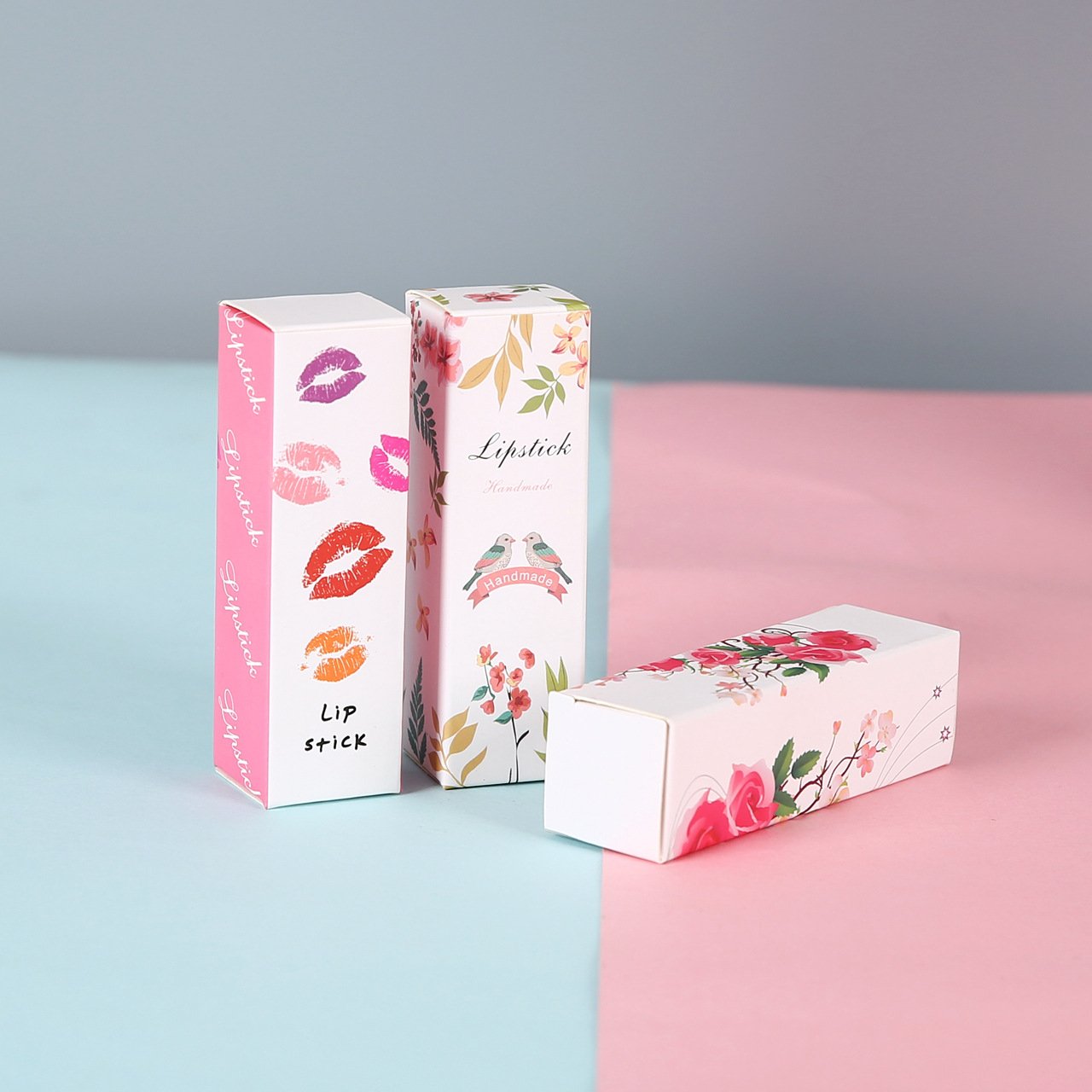
The packaging is a key brand instrument (premium products, luxury goods, cosmetics, gifts) and visual finish is very important.
You want a wide array of finishing / coating / substrate options (soft touch, gloss/matte, metallics, special papers, etc.).
You have enough lead time for pre-press, plate making, proofs, and possible corrections.
Substrate is thick or rigid board types that digital presses might struggle with.
Consider Other Printing Methods When:
You are doing short runs, prototypes, small seasonal variants. The setup cost for offset may be unjustifiable.
You need fast turnaround or frequent design changes.
Custom or variable data printing (personalization) is required — offset is not suitable or becomes too costly.
Your packaging is low in visual complexity (e.g. simple logo, minimal colors) and speed / cost are more important than ultimate finish.
Substrate/material is unusual or digital process limitations apply.
Budget constraints prevent amortizing setup cost over large volume.
Hybrid Strategies:
Many brands/manufacturers use hybrid strategies: use digital printing for short runs, testing designs or seasonal/special promotion packaging; once design and volume stabilize, switch to offset for the main production. This gives flexibility plus cost savings over time.
7. Technical Considerations & Best Practices for Using Offset Printing on Packaging Boxes
To get the best results when using offset printing, there are many technical details to attend to. As a manufacturer, mastering these helps avoid costly errors and produce packaging that delights.
Artwork & Prepress Together
Ensure designs are in correct color space (CMYK + spot colors if needed).
High resolution images (300 dpi or more), vector graphics for logos/text where possible.
Proofing: prepress proofs, color proofs, sometimes physical proof on final substrate.
Substrate / Paperboard Selection
Choose board weight, finish (coated / uncoated), surface texture that work with offset inks. Smooth coated surfaces allow fine detail, better ink adhesion, less dot gain. Rough or textured boards may show color variation or dot gain.
Consider how coatings or laminations (gloss, matte, soft touch) will affect appearance.
Ink & Coatings Choice
Use inks compatible with substrate: whether they dry well, whether they scuff, resist abrasion, resist fading.
Be aware of ink absorption by the material (ink may sink into uncoated boards more).
Consider special effects: spot UV, varnish, metallic inks, embossing, etc. These have implications for press setup and finishing.
Plate Quality & Registration
High quality plates to avoid defects.
Accurate registration (so CMYK or spot colors align properly). Reject or adjust early if misalignment.
Ink Density & Color Management
Calibrate presses; control ink density; use densitometers or spectrophotometers.
Maintain consistency across the run; check run-up sheets before full run.
Handling & Drying / Curing
Enough drying time or use of coatings that dry/curing properly. Avoid smudging or offsetting when folding/handling.
Avoid too much ink which may not dry or may crack when folding or creasing heavy board.
Finishing & Folding / Creasing
Design boxes so creases/folds align in a way that ink doesn’t crack visibly. Heavy ink coats or thick varnishes risk cracking at the folds.
Finishing operations (cutting, creasing, gluing) need to be planned so the printed design remains aligned and clean.
Proofing & Sample Runs
Before full production, do mockups or sample boxes to check how print looks on the real board, under the actual finishing, in lighting (retail), under folding etc.
Adjust design or ink amounts based on sample feedback.
Cost Optimization
For large solid color areas, avoid “over-inking” – very heavy ink may raise costs, slow drying, risk in finish.
Use standard substrate sizes to reduce waste. Nest boxes / imposition to reduce paper waste.
Balance between finishing features and cost: decide which finishes (foil, spot UV etc.) add enough value vs added cost.
8. Substrates, Special Finishes & Effects with Offset for Packaging Boxes
One of the strengths of offset printing is that it allows many substrate types and many special finishes / effects, which help packaging stand out.
Substrate Types Common in Offset Packaging
Coated paperboard / folding carton stock (gloss, semi-gloss, matte)
Uncoated or natural boards (kraft, recycled)
Rigid (setup) boards for luxury boxes
Specialty textured boards (linen, emboss, soft-touch, etc.)
Laminated boards (paperboard laminated over corrugated, or with additional barrier films)
Special Finishes & Effects
Varnishes & Coatings: Gloss varnish, matte varnish, aqueous coatings, UV coatings – help protect print, add visual depth or special sheen.
Foil Stamping / Metallic Inks: For metallic effects; brand logos; premium highlights.
Embossing / Debossing: Adds tactile dimension, visual interest; but must align with design prepress accurately.
Soft-Touch Finishes / Velvet Touch: Provides a premium feel; often requires specific coatings.
Spot UV: Glossy spots in contrast to matte background; used to highlight logos or design elements.
Windows / Cut-outs: Combining offset printed board with die-cut windows (with or without clear film) to show product.
9. Examples & Case Studies
To make it more concrete, here are illustrative case uses: how brand clients & manufacturers use offset printing to great effect, what challenges they faced, and what lessons came from them.
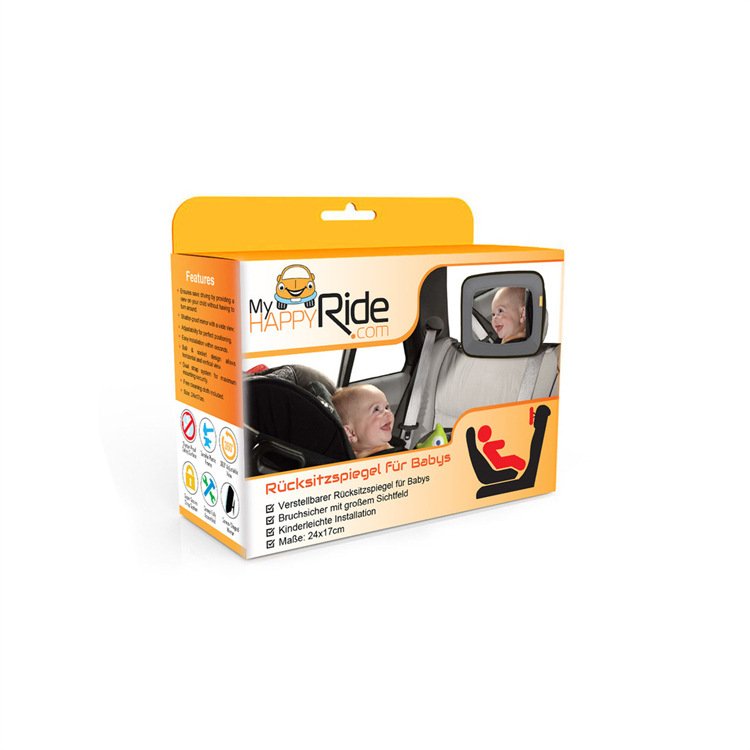
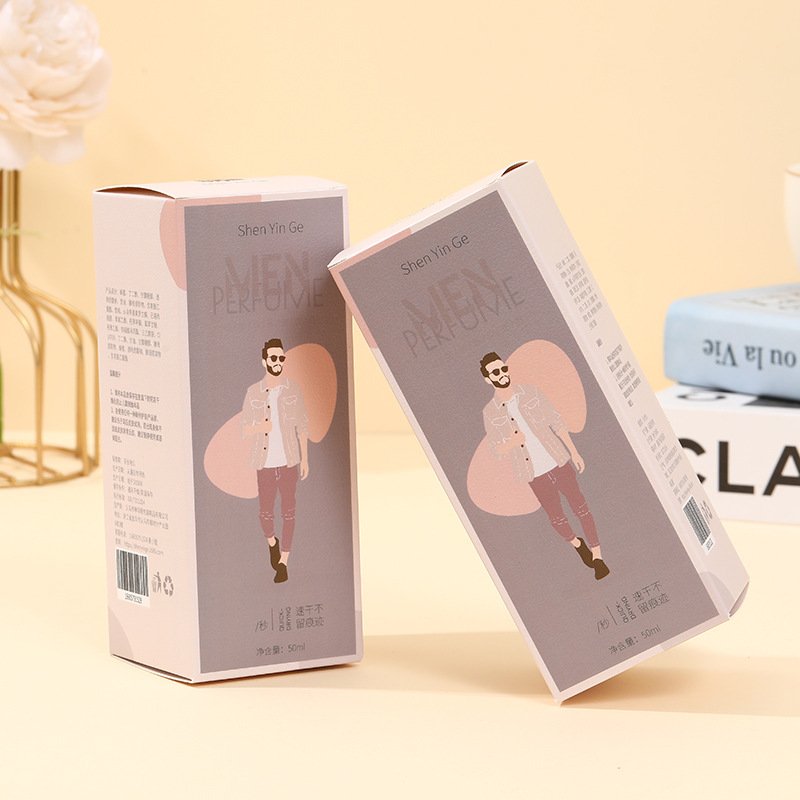
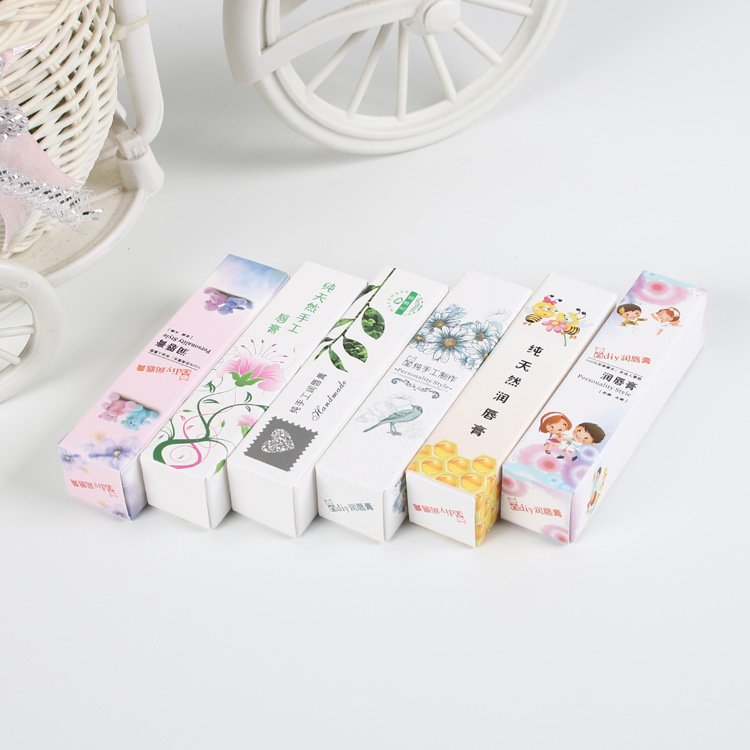
Case Study 1: Premium Cosmetic Brand Folding Cartons
Challenge: The brand needed packaging that matches exact signature colors, includes metallic accents, and conveys luxury. Design included foil logo, spot UV elements, soft-touch outer lamination, and strong photo-quality graphics of product.
Solution: Use offset printing on coated rigid paperboard; separate plates for CMYK + spot metallic inks; apply soft-touch coating; use foil stamping for logo; sample boxes for proofing.
Outcome: Outstanding visual appeal, strong consistency across batches, good customer feedback; cost justified due to premium product positioning.
Case Study 2: Food / Specialty Tea or Snack Folding Cartons
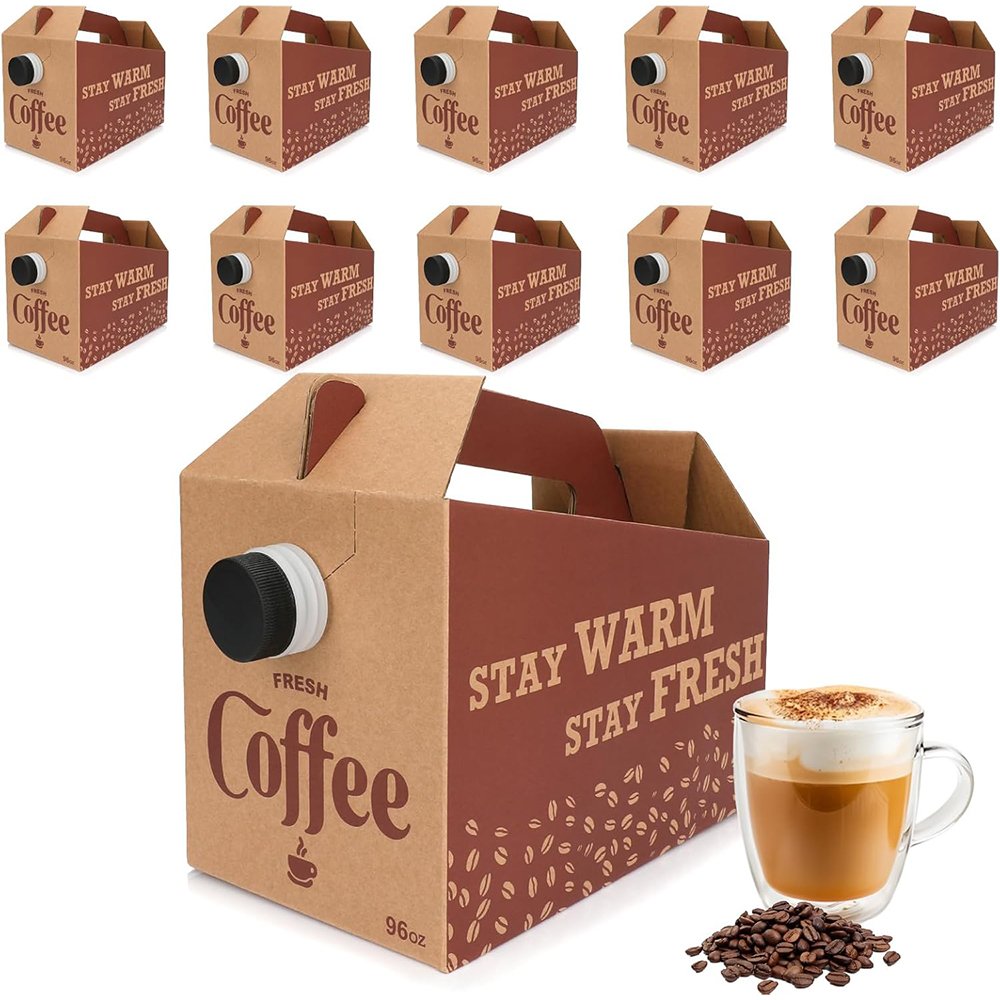
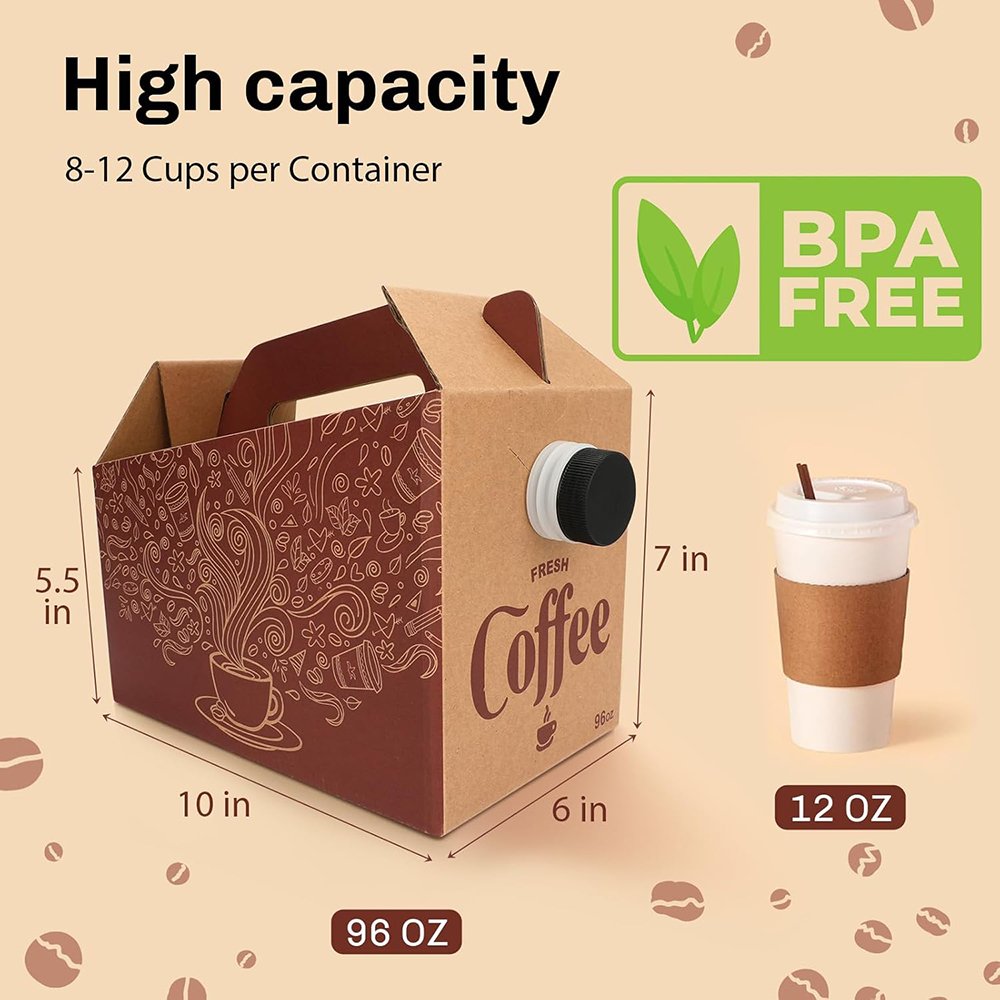
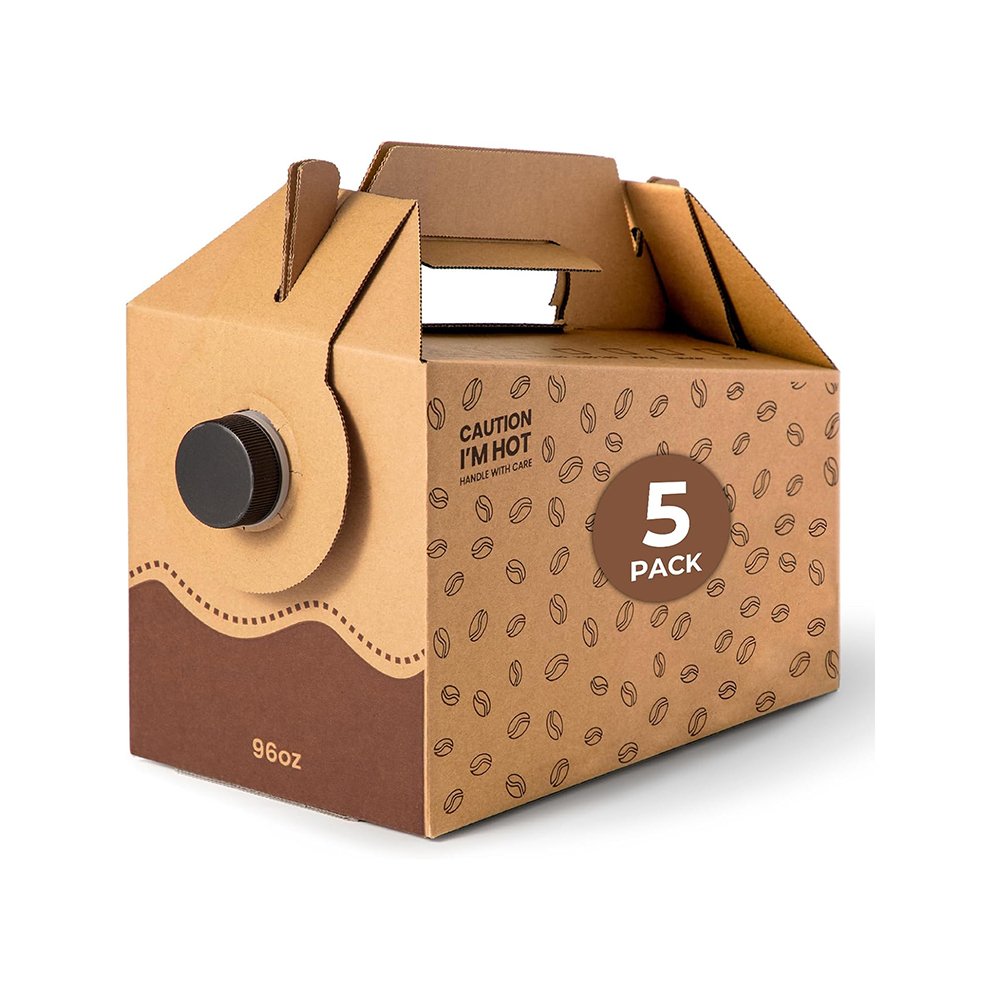
Challenge: Need bright vibrant colors, food safety compliant inks/coatings, window cut-out to show product, moderate production volume.
Solution: Offset printing, with coated board, water-based inks, UV varnish to protect, die-cut windows. For smaller test runs, maybe digital, but primary volumes via offset.
Outcome: Strong shelf presence, minimal color fading, good protection of graphics despite handling and moisture.
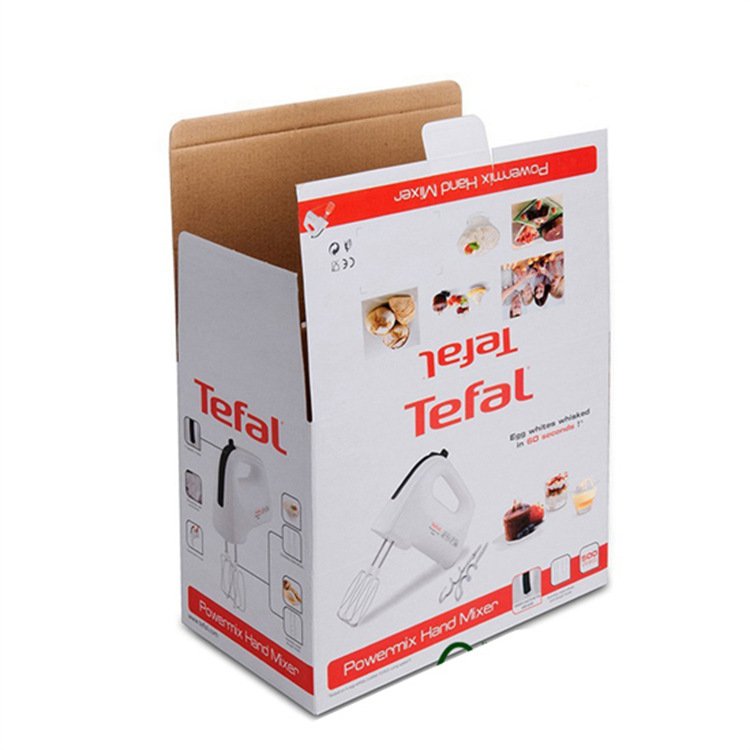
Case Study 3: Large – Volume Household Goods
Challenge: Large run of packaging for home appliances or kitchenware; packaging must withstand rough transit; printing large solid blocks; cost matters.
Solution: Offset printing on thicker, high-burst strength board; strong gloss coating to protect color; minimal but strong graphics (not overly decorative) to reduce costs; batch sizes large to reduce per-unit cost.
Outcome: Packaging survives transit; printing stays clean; cost per box acceptable; consistent quality across large lot.
10. Practical Tips & Recommendations for Manufacturers & Brand Clients
Given your experience as a box maker / brand partner, here are some practical tips you can use to get the best out of offset printing.
Engage prepress early: Get involved with design files, proofs, samples before mass production. Ensure color calibration, correct substrate selection, and finishes are considered from the design stage.
Set realistic color expectations: Even with offset, different substrates, lighting, texture affect how color appears. Always provide physical proofs if possible.
Negotiate economies of scale: Often, tooling/plate costs and setup costs are partially fixed; increasing volume yields much lower marginal cost. If brand client is planning multiple SKUs, plan batch printing or shared setup where possible.
Use consistent materials: If brand has recurring packaging designs, using the same board types, coatings, inks helps maintain consistency over time and between batches.
Plan finishing with printing: If you are going to apply foil, embossing, windows etc., ensure that die-lines, registration, trimming, folding and gluing are all aligned with the printed design. Mis-registration or mis-folding can damage visual effect.
Control ink density / dot gain: Heavier ink loads can cause smearing, longer drying times, or cracking at folds. Also, ink that is too thick may crack or peel, especially on rigid board folds.
Manage drying / curing: After printing and finishing, ensure that coatings or varnishes are fully cured before folding, cutting, or stacking to avoid smudge or sticking.
Handle fragile or complex substrates carefully: Heavy or texture boards, or ones with special coatings, may need special care in die cutting, folding, edge protection to avoid cracking or damage to design.
Quality checks & feedback loops: Regularly check print consistency across batches; monitor for fading, color shifts, mis‐registration. Collect customer feedback about packaging appearance.
Cost vs benefit transparency with clients: Sometimes a client wants premium finishes (foil, soft touch, spot UV) — explain incremental cost vs perceived value & sales benefit; sometimes simpler finishes might be “good enough” for some SKUs to reduce cost.
11. Sustainability & Environmental Considerations
Offset printing also interacts importantly with sustainability, which is increasingly important for brands and consumers.
Use eco-friendly inks: soy-based, vegetable-based or other low-VOC inks. Many offset printers offer these.
Use recyclable or sustainably sourced substrates: boards certified (FSC, etc.), or with high recycled content.
Minimize waste in set-ups: reduce waste sheets, efficient nesting/imposition of boxes.
Choose finishes / coatings that are recyclable or easily removable; avoid multi-layer composites or laminates that prevent recycling unless necessary.
Look into ink curing / drying methods that are less energy intensive.
Consider the life-cycle: durable packaging that resists damage reduces returns and waste.
Offset printing remains one of the gold standards for packaging boxes
Offset printing remains one of the gold standards for packaging boxes whenever you need:
high graphic quality
consistent color fidelity
a wide range of finishes
cost efficiency for large volume runs
However, its higher setup cost, longer lead times, less flexibility for design changes and smaller runs, and environmental concerns in some finishing processes mean it isn’t always the best fit.
For you, as a manufacturer with strong experience, applying offset printing wisely—choosing the right substrates, finishes, proofing early, aligning design and finishing with printing specifications—will maximize quality, reduce errors, and help your brand clients get packaging that reinforces their identity, delights customers, and controls cost.
BM 종이 상자 제조업체 소개
저희는 10년 이상의 업계 경력을 보유한 전문 종이 포장 상자 맞춤 제작 공장입니다. 가전제품, 의료기기 소모품, 화장품 등 다양한 분야에 걸쳐 고객에게 고품질 맞춤형 포장 솔루션을 제공하는 데 주력하고 있으며, 독창적인 디자인과 정교한 기술로 고객 제품에 무한한 매력을 더하고 있습니다.
저희는 전문 종이 포장 상자 맞춤 제작 업체로서, 가전제품, 의료기기 소모품, 화장품 등 다양한 분야에 걸쳐 폭넓은 서비스를 제공합니다. 고급 가전제품을 위한 정교한 선물 상자부터 의료기기 전문 포장, 세련된 화장품 외관 상자까지, 고객의 요구와 제품 특성에 맞춰 최적의 포장 솔루션을 맞춤 제작해 드립니다. 저희의 전문성은 수많은 브랜드 고객들에게 인정받아 신뢰할 수 있는 파트너로 자리매김했습니다.
BM 종이 상자 공장을 선택해야 하는 이유
최고급 품질: 중국 최고의 맞춤형 종이 상자 제조업체 중 하나로서, 당사의 품질 관리팀은 고객님께서 받으시는 모든 제품이 최상의 품질임을 보장합니다. 당사는 전문적인 품질 검사 장비를 보유하고 있습니다.
제품 디자인: 저희 샘플링 부서는 도면을 실제 제품으로 구현하는 완벽한 공정을 갖추고 있습니다. 또한, 오랜 경험을 바탕으로 고객님의 제품 디자인을 더욱 개선해 드립니다. 의견을 들려주세요.
안정적인 배송 시간: 최고의 선물 상자 제조업체 및 공급업체로서, 저희는 충분한 생산 능력을 갖추고 있어 대량 주문에도 문제없이 제시간에 배송해 드릴 수 있습니다.
최저가 보장: 저희는 종이 상자 제조 전문 공장이자 중국 최고의 제조업체로서, 최고 품질의 가방을 최저가로 제공할 수 있습니다.
정밀한 관리: 정밀한 관리가 없으면 아무것도 이룰 수 없습니다. 저희 회사는 완벽한 관리 시스템을 갖추고 있습니다.
24시간 연중무휴 서비스: 최고의 종이 상자 제조업체로서 24시간 연중무휴 즉각적인 응답을 제공합니다. 더 나은 공급업체가 되기 위해 고객님의 의견을 경청하겠습니다. 지금 바로 문의하세요.(+86 18925520049)
BM 종이 상자 관련 FAQ
저희는 중국 최고의 제조업체이며 공장은 동관에 위치하고 있습니다. 공장 방문을 환영합니다!
• 저희는 특히 선물 포장 분야에서 전문적인 종이 포장 제품 공급업체입니다. 다양한 용도의 종이 상자와 종이 봉투를 생산할 수 있습니다.
• 저희는 원스톱 서비스를 제공하며, 고객의 요구사항에 따라 맞춤 디자인도 가능합니다.
•물론, 일반적으로 샘플은 무료로 제공해 드리며, 배송비만 부담하시면 됩니다. 맞춤 인쇄 샘플의 경우, 샘플 비용 확인을 위해 요구 사항을 보내주시기 바랍니다.
• 샘플 제작에는 약 7일이 소요됩니다.
네, 저희는 구조 설계 및 간단한 그래픽 디자인을 포함한 무료 디자인 서비스를 제공합니다.
물론입니다. 고객님의 디자인으로 어떤 포장이든 제작해 드릴 수 있습니다. 현재 100개에서 500개까지의 소량 주문에 적합한 ODM 포장 서비스를 제공하고 있으며, 로고도 그대로 넣으실 수 있습니다.
주문 수량 및 생산 세부 사항에 따라 약 15~20일이 소요됩니다.
대량 생산 전에는 항상 시제품을 제공하고, 출하 전에는 항상 최종 검사를 실시합니다.
• 크기, 재질, 인쇄 세부 사항, 수량, 배송지 등.
• 또한, 고객님의 요구사항을 알려주시면 저희가 적합한 제품을 추천해 드리겠습니다.
• 해상, 항공 또는 특송으로 운송 가능합니다.
• 중국에 자체 운송업체가 있는 경우, 이는 공장도 가격 또는 FOB 가격입니다.
• CFR 또는 CIF 등, 저희가 대신 운송해 드려야 하는 경우 알려주세요.
• DDP와 DDU도 사용할 수 있습니다.
• 더 많은 선택지가 있다면, 귀하의 선택 사항을 고려해 보겠습니다.
• 가격은 수량, 재질, 가공 방법, 크기 및 기타 요인에 따라 결정됩니다. 또한, 당사의 지속적인 노력으로 인해
기술 혁신 덕분에 일부 제품의 가격 경쟁력이 매우 뛰어납니다. 견적 문의는 언제든지 연락 주십시오.