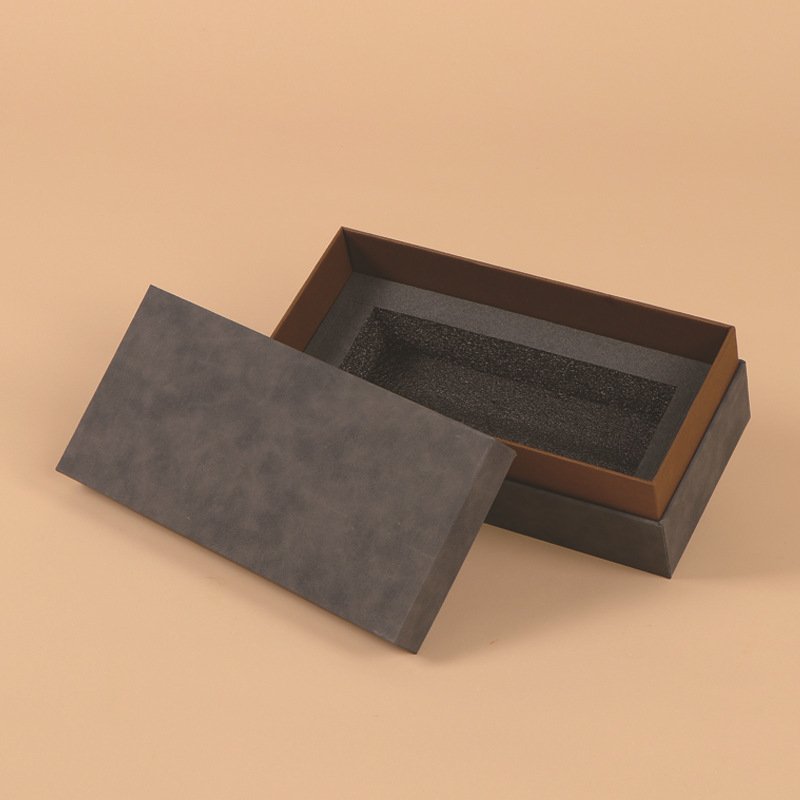








1. Why Protective Packaging Boxes Matter for Wearables and Smartwatches
Smartwatches, fitness trackers, smart bands, and other wearable devices are compact products, but their packaging requirements are far from simple. These products often contain delicate screens, polished metal frames, coated surfaces, optical sensors, buttons, charging contacts, and other precision components. Even minor scratches or surface damage can affect their appearance and the customer’s first impression.
This is why protective Packaging boxes are important for wearable technology brands. A suitable package must protect the device, keep accessories organized, and present the product in a clean and professional way.
Unlike large consumer electronics, wearables usually have limited dimensions. Their packaging must therefore achieve effective protection without creating unnecessary volume or material consumption.
A well-designed smartwatch packaging box should address four key objectives:
Prevent scratches and surface abrasion.
Keep the device securely positioned during handling and transportation.
Organize charging cables, straps, and other accessories.
Create a compact and attractive unboxing experience.
For brands competing in the wearable technology market, packaging is not simply an outer container. It is part of product quality management and brand presentation.
2. Understanding the Protection Challenges of Wearable Device Packaging Boxes
Wearable devices are small, but they often contain several surfaces and components that require different types of protection.
A smartwatch may have a glass display, a polished stainless-steel or aluminum case, a coated rear sensor area, and a detachable strap. A fitness tracker may have a curved screen and a flexible body. A smart ring may have a smooth metallic exterior that can easily show scratches.
These differences create specific packaging challenges.
Display protection: The screen should not rub against hard accessories or abrasive packaging surfaces.
Surface protection: Polished metal, coated plastic, and decorative finishes may be vulnerable to scratching during repeated movement.
Component positioning: The device should remain in a stable position rather than moving freely inside the box.
Accessory separation: Charging cables, replacement straps, buckles, and adapters should not collide with the main device.
Compact dimensions: The packaging should be appropriately sized while leaving enough clearance for the protective insert and easy removal.
A professional wearable device packaging design begins by identifying the vulnerable areas of the product and assigning suitable protection to each one.
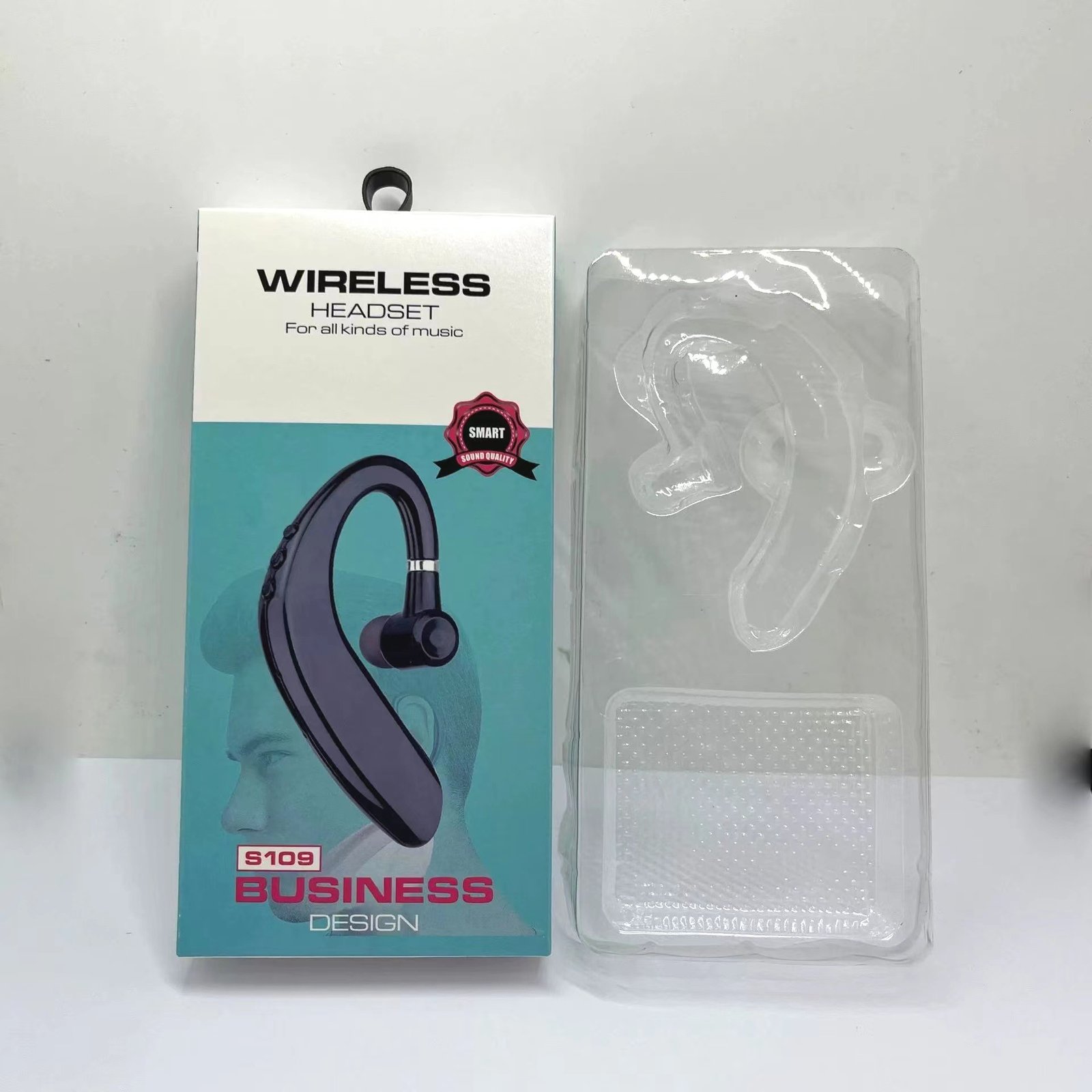
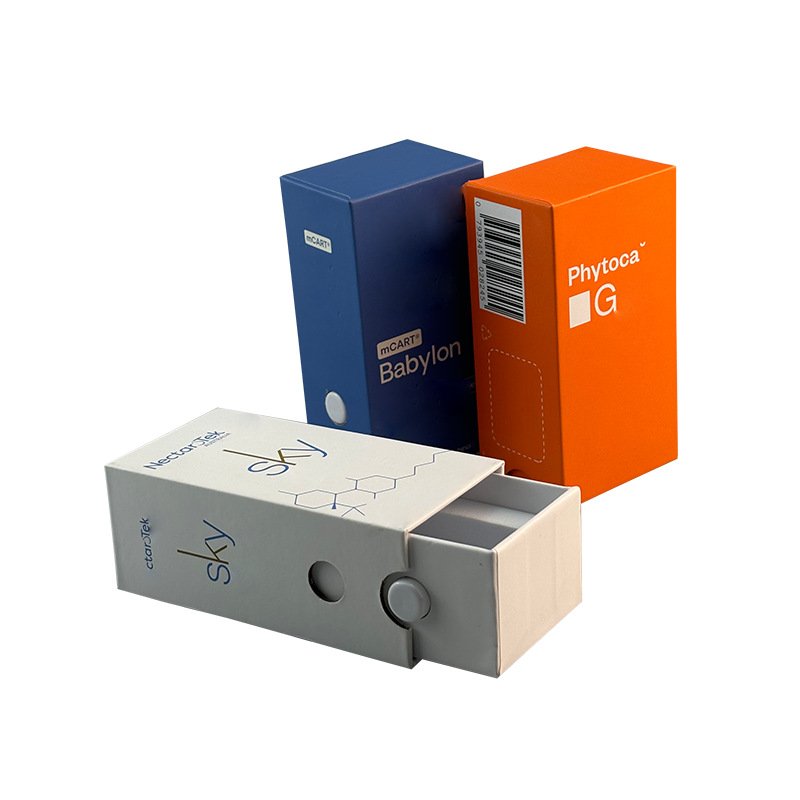
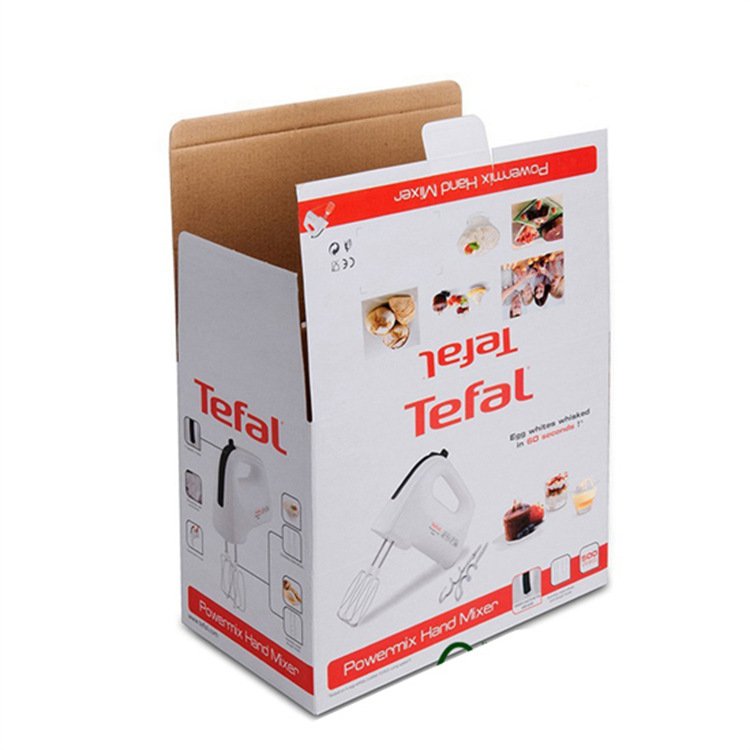
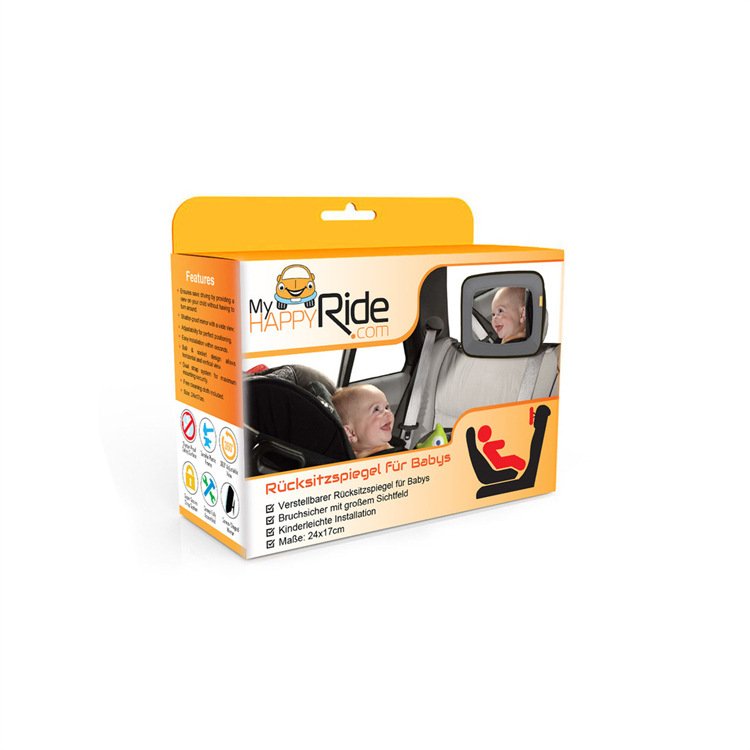
3. Packaging Boxes Design Starts with Accurate Product Measurements
Accurate measurement is the foundation of protective packaging.
Before designing a paper box or internal insert, the packaging manufacturer should obtain the dimensions of the wearable device and every accessory included in the retail kit.
Important measurements include:
Device length, width, and thickness
Screen dimensions and curvature
Case diameter or overall body shape
Strap length, width, and thickness
Charging cable length and connector dimensions
Charging dock or adapter dimensions
Manual and warranty card dimensions
The designer should also identify delicate surfaces, protruding buttons, sensor areas, charging contacts, and detachable components.
For example, a smartwatch with a circular case may require a different insert cavity from a rectangular smartwatch. A fitness tracker with an integrated flexible strap may need a longer, curved holding structure.
Measurements should account for both product fit and manufacturing tolerances. An insert cavity that is too tight may make the device difficult to remove or place unwanted pressure on the product. A cavity that is too loose may allow movement and increase the risk of abrasion.
For this reason, physical product samples are valuable during packaging development.
4. Scratch-Resistant Inserts: The First Priority for Protective Packaging Boxes
For smartwatches and wearables, surface protection is one of the most important functions of the internal packaging.
A device may be structurally secure but still arrive with scratches if its screen or exterior finish repeatedly contacts an unsuitable insert surface.
A protective insert should therefore be designed to prevent direct contact with hard or abrasive materials wherever possible.
Common insert options include:
Soft paper-based wrapping or protective layers
Suitable soft wrapping materials can be placed around selected contact areas to reduce direct friction. Their compatibility with the device’s surface finish should be evaluated before mass production.
Paperboard inserts with controlled contact points
A die-cut paperboard insert can hold the device by selected edges or structural areas instead of pressing against the display.
Soft nonwoven or textile-based layers
For some premium packaging projects, a suitable soft material can be incorporated at key contact points. Material selection should consider lint, abrasion, chemical compatibility, and recycling requirements.
Molded pulp inserts
Molded pulp can be formed into customized shapes and may be suitable for certain wearable devices. Its surface texture and contact pressure should be assessed for delicate finishes.
The best solution depends on the product’s geometry, surface coating, protection requirements, and packaging budget.
The goal is not simply to add more cushioning material. It is to design controlled contact between the device and the packaging structure.
5. Packaging Boxes with Custom Paper Inserts for Smartwatch Positioning
Custom paper inserts are among the most practical options for organizing small electronic products.
A die-cut paper insert is produced by cutting and creasing paperboard into a customized layout. It can be folded or assembled into a structure with dedicated cavities for the main device and accessories.
For smartwatch packaging, the insert can include:
A central cavity for the watch body.
A shaped section for the strap.
A separate compartment for the charging cable.
A small section for the charging dock or adapter.
A flat pocket for the user manual and warranty card.
The main device should be positioned so that the screen does not directly contact accessories or hard structural edges.
For watches with detachable straps, the designer may create separate compartments for the watch body and straps. This prevents the buckle or strap connectors from rubbing against the display.
A custom paper insert also helps create a consistent presentation. Every component has a designated location, making the packaging easier to assemble and the contents easier for customers to identify.
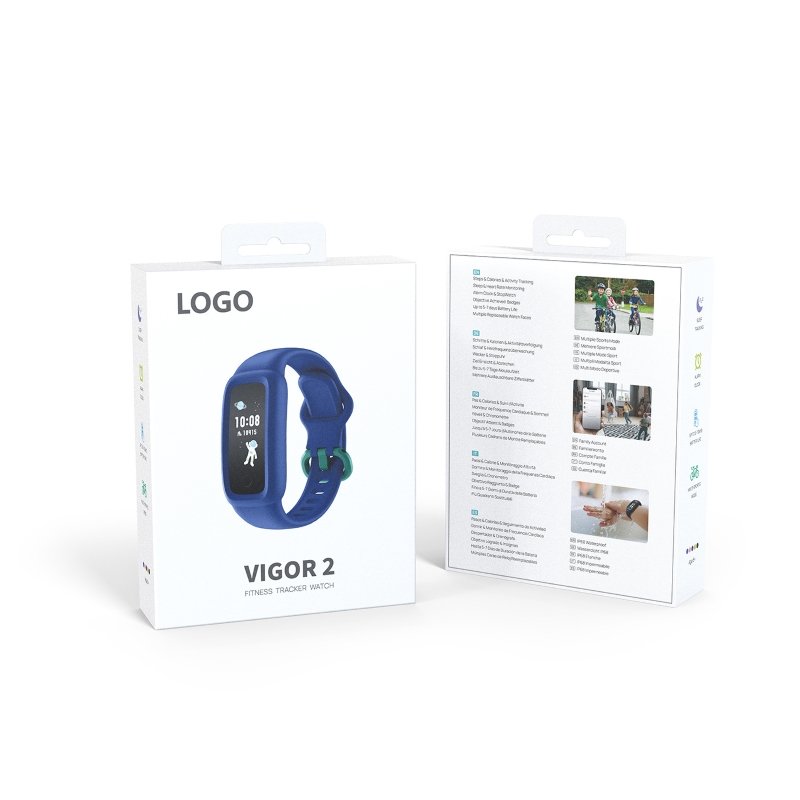
6. Packaging Boxes and the Importance of Contact-Point Design
One of the most important principles in protective packaging boxes design is controlling where the product touches the insert.
A common design mistake is creating a cavity that matches the entire product outline too closely. Although this may appear precise, it can create excessive contact with delicate surfaces.
A better approach is to identify suitable structural support points.
For example, a smartwatch may be supported around selected parts of its case while keeping the screen area free from direct pressure. The strap can be held by a separate folded paperboard section.
The design should consider:
Contact location
Contact area
Pressure distribution
Insert stiffness
Product removal direction
Manufacturing tolerances
The insert should hold the device firmly enough to limit movement without creating unnecessary compression.
For products with sensitive glass screens or decorative coatings, physical prototype testing is particularly important. The designer should inspect the device after repeated packing, unpacking, and handling to identify possible friction or pressure marks.
This contact-point approach is often more effective than simply increasing the amount of internal material.
7. Compact Packaging Boxes: How to Save Space Without Reducing Protection
Compact packaging is important for wearable devices because small products do not need oversized boxes.
Reducing unnecessary packaging volume can improve storage efficiency, lower transportation volume, and create a cleaner retail presentation.
However, compact packaging should never compromise the protection of the product.
Several structural design methods can help achieve an efficient balance.
Integrated compartments
Place the main device and accessories within one coordinated insert instead of using multiple independent boxes.
Vertical layering
Position the smartwatch in the upper layer and place cables or documents underneath when the structure allows sufficient support.
Shared partition walls
Adjacent accessory compartments may share paperboard walls, reducing unnecessary material and internal space.
Folded paperboard supports
Folded structures can hold the device or accessories without requiring separate rigid components.
Document integration
Manuals and warranty cards can be placed in a flat pocket or beneath an insert layer.
The outer box dimensions should be determined after the internal layout has been developed. This helps avoid designing a box that is either too large or too small for the complete product kit.
8. Choosing the Right Structure for Wearable Device Packaging Boxes
Different box structures offer different advantages for smartwatches and wearable devices.
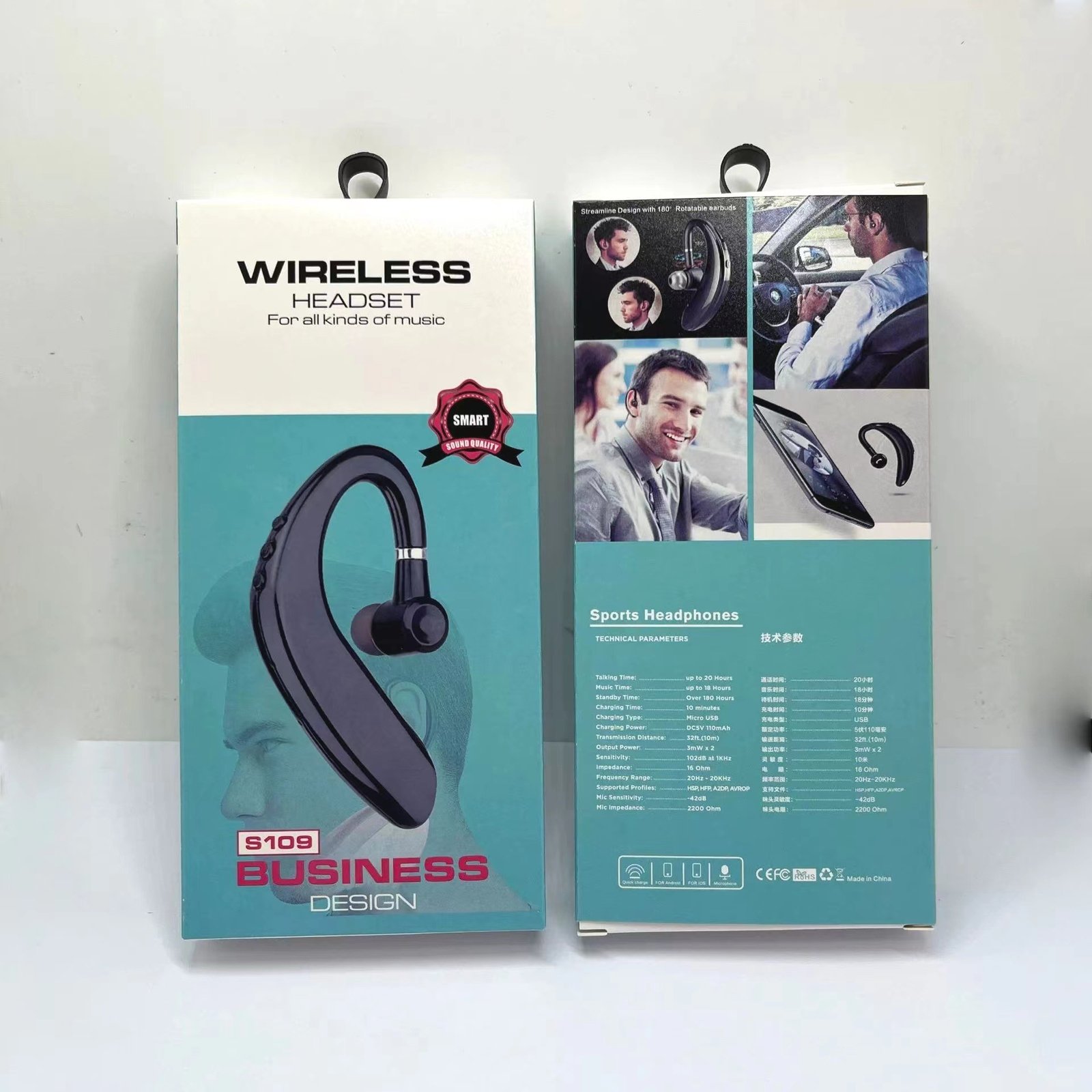
Folding carton boxes
Folding cartons are suitable for many mainstream wearable products. They are lightweight, efficient to store, and compatible with custom paperboard inserts.
Rigid boxes
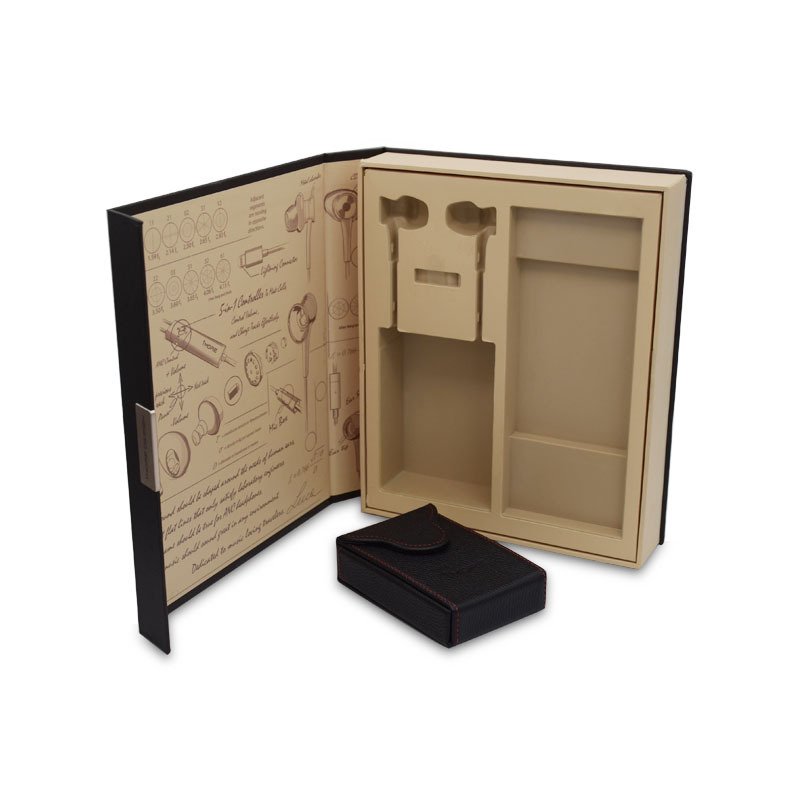
Rigid boxes offer a more substantial presentation and are commonly used for premium smartwatches, limited editions, and gift-oriented products.
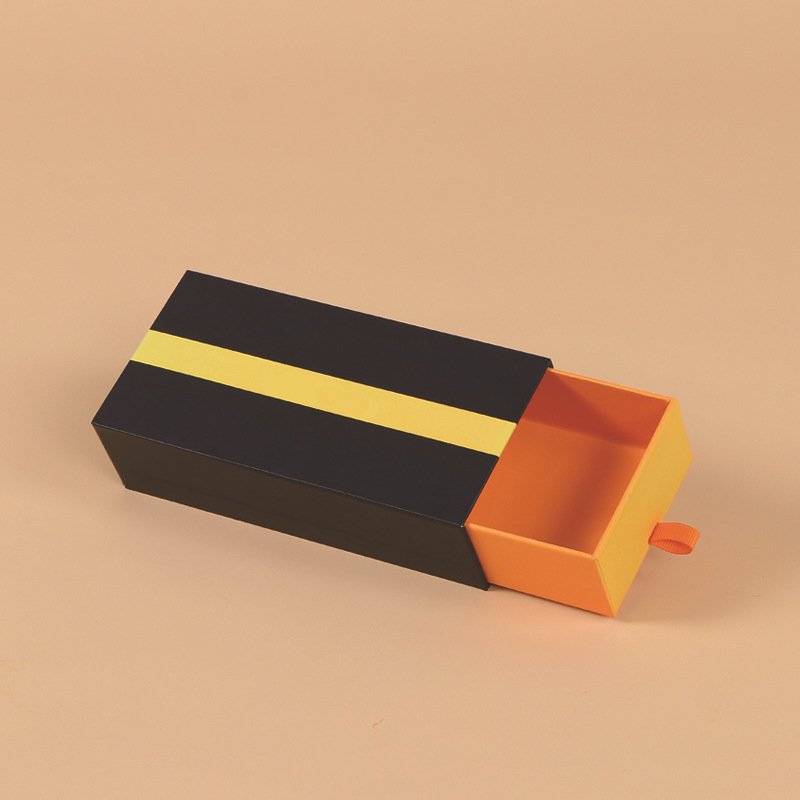
Drawer boxes
Drawer-style packaging provides a distinctive opening experience. A sliding tray can hold the watch and accessories in a carefully organized layout.
Magnetic closure boxes
Magnetic rigid boxes create a refined opening and closing experience. They are suitable for premium product launches and gift sets where presentation is a major consideration.
Sleeve-and-tray boxes
A sleeve-and-tray structure can provide a compact appearance while allowing the inner tray to present the wearable device.
The right structure depends on product positioning, retail price, distribution channel, packaging quantity, and target customer expectations.
For mass-market wearables, a well-designed folding carton may provide the best balance of cost and performance. For premium smartwatches, a rigid box may better support the intended brand image.
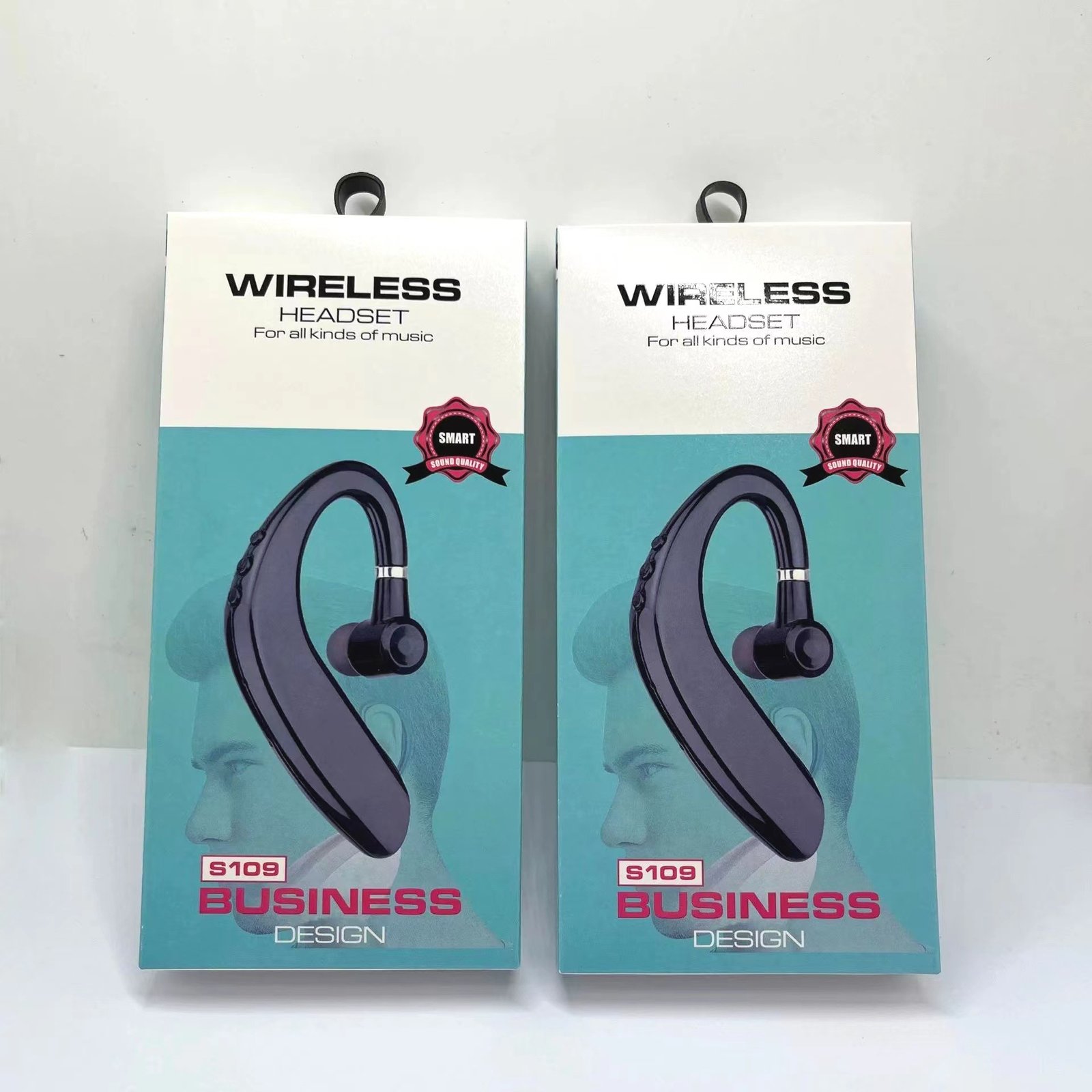
9. Packaging Boxes for Charging Cables, Straps, and Small Accessories
A smartwatch package often contains more than the watch itself.
Charging cables, magnetic charging connectors, power adapters, replacement straps, buckles, and manuals must all be arranged within the same package.
These accessories may be small, but poor organization can damage the product or reduce the perceived quality of the packaging.
For example, a metal buckle should not move freely against a polished watch case. A charging connector should not press against the display. A coiled cable should not be forced into a cavity that creates excessive bending.
A practical accessory layout may include:
| Component | Recommended Packaging Arrangement |
|---|---|
| Smartwatch body | Dedicated shaped cavity |
| Replacement strap | Separate flat or curved compartment |
| Charging cable | Controlled cable cavity |
| Charging dock | Dedicated accessory section |
| Power adapter | Separate compartment |
| Manual and warranty card | Flat document pocket |
Small accessories should be contained securely. For loose screws, pins, or other tiny components, a suitable small bag or enclosed compartment may be necessary.
A coordinated insert design helps ensure that every component has a defined location and that the customer can identify the contents immediately.
10. Protective Packaging Boxes: Selecting Materials for Small Electronics
Material selection has a direct impact on the strength, appearance, and protection of wearable packaging.
Common paper materials include:
Greyboard
Greyboard is frequently used as the structural core of rigid boxes. Its thickness and stiffness help create a stable outer structure and a premium hand feel.
White paperboard
White paperboard is suitable for folding cartons and many die-cut insert applications. It offers a clean appearance and can support custom printing.
Kraft paperboard
Kraft paperboard provides a natural appearance and can be used in packaging designs that emphasize a simple paper-based aesthetic.
Corrugated board
Corrugated board contains a fluted middle layer and can provide additional structural support and cushioning in suitable packaging applications.
The material should be selected according to product weight, insert geometry, required stiffness, contact surfaces, and distribution conditions.
It is important to remember that GSM alone does not determine paperboard strength. Caliper, density, fiber composition, board construction, and structural geometry also affect performance.
For delicate wearable devices, the insert’s contact surface and fit may be just as important as its overall thickness.
11. Packaging Boxes for Different Wearable Technology Products
Wearable technology includes several product categories, each with different packaging requirements.
Smartwatches
Smartwatch packaging usually needs a dedicated watch cavity, strap arrangement, charging accessory compartment, and documentation section.
Fitness trackers
Fitness trackers are generally slimmer and lighter. Their packaging can use compact folding cartons with shaped inserts to maintain positioning.
Smart rings
Smart rings have a small footprint and smooth exterior surfaces. Their packaging may use a compact cavity with controlled contact points to prevent unnecessary movement and scratching.
Wireless wearable audio devices
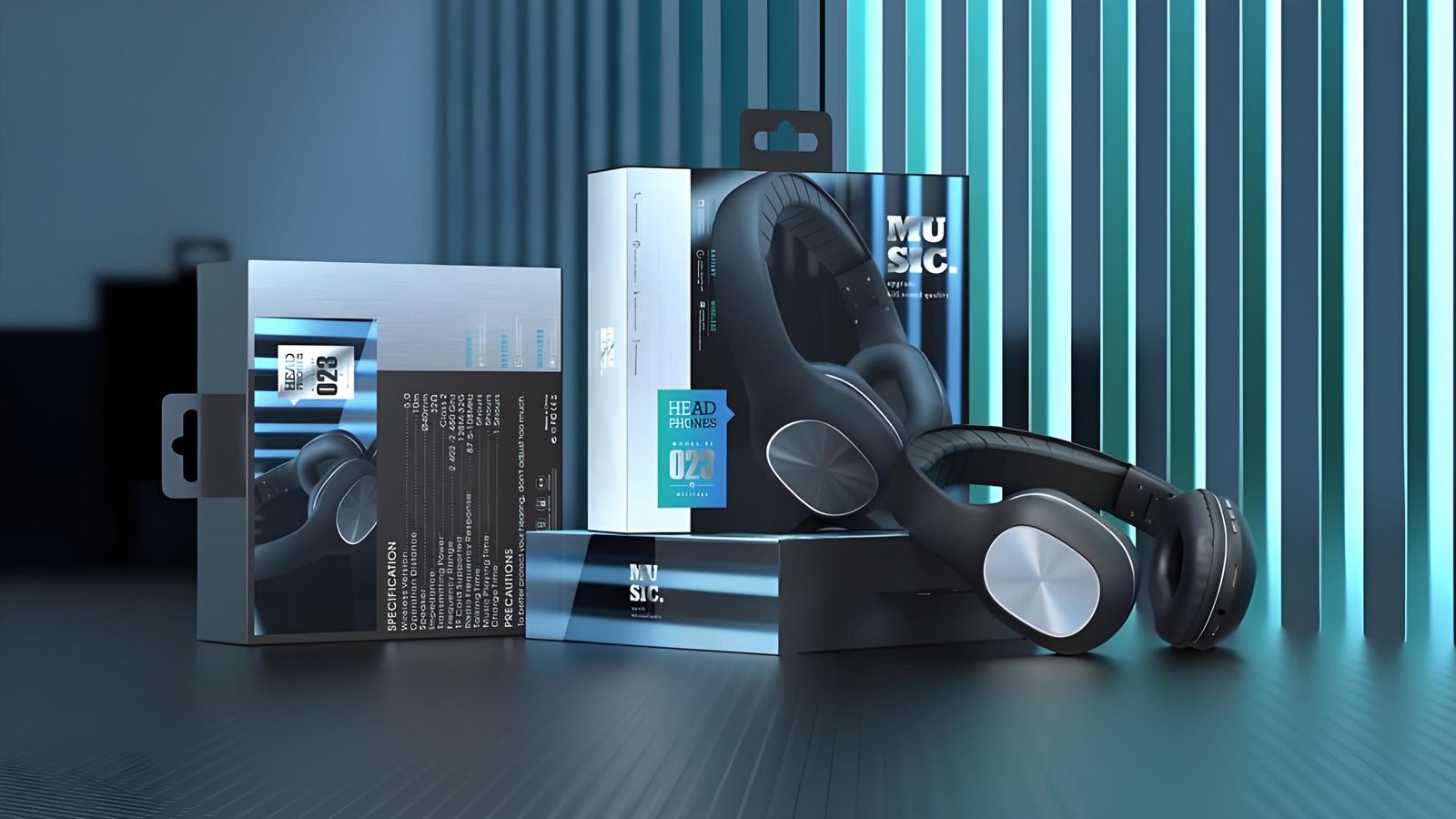
Wireless earbuds and related wearable audio products may require space for the charging case, earbuds, charging cable, and replacement ear tips.
Health and activity monitoring devices
Specialized wearable monitors may include sensors, charging accessories, and additional components. Their packaging should be designed around the actual kit configuration.
A professional electronics packaging solution should not rely on one standard insert for every wearable product. The dimensions, shape, and surface characteristics of each product must guide the design.
12. Packaging Boxes and Transportation Protection: Retail Packaging vs. Shipping Packaging
A retail packaging box and a shipping package have different responsibilities.
The retail box presents the product, organizes accessories, and supports brand identity. The shipping package must withstand the handling and distribution conditions between the manufacturer, warehouse, retailer, and final customer.
A premium smartwatch rigid box may look strong, but it is not automatically designed to withstand repeated drops, compression, or rough courier handling.
For e-commerce and international distribution, brands should consider an additional corrugated outer carton.
The complete packaging system may include:
The wearable device.
A custom insert that holds and separates the product and accessories.
A retail paper box.
An outer shipping carton where necessary.
The package should be evaluated according to the expected shipping environment. Relevant tests may include vibration, drop, compression, and other distribution-related assessments.
This distinction helps brands avoid relying on a presentation box to perform a shipping-protection function it was not designed or tested to provide.
13. Packaging Boxes and Premium Unboxing: Small Details Make a Big Difference
For wearable technology brands, packaging often represents the first physical interaction with the customer.
A clean, organized, and easy-to-open package can make a small product feel more carefully developed.
Several design details can improve the unboxing experience:
A well-aligned outer box with clean edges.
A custom insert that presents the smartwatch immediately.
A separate and organized accessory compartment.
Easy-to-remove product positioning.
Clearly arranged manuals and warranty information.
Consistent colors, typography, and brand graphics.
Premium finishing options can also enhance the exterior appearance.
Soft-touch lamination provides a smooth tactile surface. Matte lamination creates a restrained and modern look. Foil stamping can highlight a logo, while embossing or debossing adds dimensional detail.
However, premium finishing should be selected according to the brand identity and budget. The most effective packaging is not necessarily the most complicated one.
For many smartwatch brands, precise insert design and a clean opening sequence provide more value than excessive decorative elements.
14. Why Choose BM as Your Custom Paper Box Manufacturer for Wearable Packaging?
BM is a custom paper packaging boxes manufacturer with more than ten years of experience. We provide customized paper boxes, packaging display stands, paper bags, and other paper packaging products for brands across different industries.
Our packaging applications include food packaging boxes, gift boxes, cosmetic packaging boxes, electronics packaging boxes, and other customized paper packaging projects.
For smartwatch and wearable technology brands, BM understands the importance of combining product protection, compact structure, and attractive presentation.
We can support customers with:
Custom box structure design
We evaluate the wearable device dimensions, product weight, accessory configuration, and packaging objectives before recommending a suitable structure.
Custom paper inserts
Die-cut paper inserts can be developed to hold smartwatch bodies, straps, charging cables, adapters, and documentation in separate compartments.
Material selection
We help customers evaluate suitable greyboard, white paperboard, kraft paperboard, corrugated board, and other paper-based materials.
Printing and surface finishing
Custom logos, colors, graphics, lamination, foil stamping, embossing, and other finishing options can be considered according to brand requirements.
Prototype development
Physical samples allow customers to check the product fit, insert contact points, accessory arrangement, opening experience, and overall dimensions before mass production.
Whether you need folding cartons for fitness trackers, rigid boxes for premium smartwatches, or customized paper packaging for wearable accessories, BM can work with your team to develop a packaging solution according to your product requirements.
As an experienced custom paper box manufacturer, BM focuses on combining practical structural design with professional brand presentation.
15. How to Develop Protective Packaging Boxes for Smartwatches
A successful wearable packaging project should follow a clear development process.
Step 1: Provide the complete product kit
Share the smartwatch, straps, charging accessories, adapters, manuals, and any additional components that will be packed together.
Step 2: Confirm product dimensions and vulnerable areas
Identify screen surfaces, polished frames, sensors, buttons, and other areas that require special attention.
Step 3: Define the packaging objectives
Confirm whether the package is designed for retail display, e-commerce, gift presentation, or international distribution.
Step 4: Develop the internal insert structure
Create dedicated cavities and contact points for the watch and accessories. Consider whether a single-layer or multi-layer insert is more suitable.
Step 5: Select the outer box structure
Choose between folding cartons, rigid boxes, drawer boxes, magnetic closure boxes, or other appropriate structures.
Step 6: Confirm materials and finishing
Select paperboard specifications, insert materials, printing methods, and surface finishes.
Step 7: Produce a physical prototype
Check the product fit, loading and unloading process, surface contact, accessory arrangement, and overall presentation.
Step 8: Evaluate protection performance
Inspect the package after repeated handling and conduct suitable distribution testing when required.
Step 9: Finalize specifications and proceed with production
Approve the box dimensions, insert structure, materials, artwork, and production requirements before mass production.
This process helps ensure that the final packaging is compact, practical, visually consistent, and suitable for the intended application.
Frequently Asked Questions About Packaging Boxes for Wearables and Smartwatches
Q1: What makes smartwatch packaging boxes different from ordinary electronics packaging?
Smartwatch packaging must account for small dimensions, delicate screens, polished surfaces, sensors, straps, and compact charging accessories. It requires precise positioning and suitable contact surfaces to reduce scratching and movement.
Q2: How can packaging boxes prevent scratches on smartwatch screens?
A suitable insert should keep the screen away from hard accessories and abrasive surfaces. The device can be held at selected structural contact points, while compatible soft protective layers may be used where appropriate.
Q3: Are paper inserts suitable for protecting smartwatches?
Yes. Custom die-cut paper inserts can provide stable positioning and accessory separation. Their suitability depends on material selection, insert geometry, product weight, surface compatibility, and transportation requirements.
Q4: What is the best box structure for premium smartwatches?
Rigid boxes, magnetic closure boxes, and drawer boxes are popular options for premium products. Folding cartons may be more suitable for mass-market devices where cost and compactness are priorities.
Q5: How can brands reduce smartwatch packaging size?
Brands can integrate accessories into shared compartments, use folded paperboard supports, place documents in flat pockets, and consider layered insert structures. The design must retain sufficient clearance and protection.
Q6: Can paper packaging replace plastic trays for wearable devices?
In many applications, customized paper inserts can replace certain plastic trays. The final decision should consider product geometry, surface protection, structural performance, and the required packaging environment.
Q7: What information is needed to develop custom wearable packaging boxes?
A packaging manufacturer generally needs product dimensions, product weight, accessory details, product samples or reference drawings, target box dimensions, order quantity, artwork, and distribution requirements.
Small Products Deserve Precisely Designed Packaging Boxes
Smartwatches and wearable devices may be small, but their packaging requires careful engineering. Delicate screens, polished surfaces, compact accessories, and multiple product configurations create specific design challenges.
Protective Packaging boxes should combine accurate dimensions, suitable insert materials, controlled contact points, organized accessory compartments, and compact outer structures.
Custom die-cut paper inserts are particularly useful because they can hold the device securely, separate accessories, reduce unnecessary internal space, and create a clean unboxing experience.
For wearable technology brands, the best packaging is not simply the smallest or most decorative box. It is the packaging structure that provides the right balance of protection, usability, presentation, and production efficiency.
With more than ten years of custom paper packaging experience, BM provides customized paper boxes, paper inserts, and packaging solutions for electronics and other industries.
BM — Your Custom Paper Box Manufacturing Partner for Protective, Compact, and Professional Wearable Device Packaging.
О компании BM Paper Box Manufacturer
Мы — профессиональная фабрика по изготовлению упаковочных коробок из бумаги на заказ с десятилетним опытом работы в отрасли. Мы специализируемся на предоставлении клиентам высококачественных решений в области индивидуальной упаковки, охватывающих потребительскую электронику, медицинское оборудование, расходные материалы, косметику и другие области, используя оригинальный дизайн и передовые технологии, чтобы придать продукции наших клиентов неповторимый шарм.
Как профессиональная фабрика по изготовлению упаковочных коробок на заказ, мы предоставляем широкий спектр услуг, охватывающий потребительскую электронику, медицинское оборудование, расходные материалы, косметику и другие области. Будь то изысканная подарочная коробка для элитной бытовой электроники, профессиональная упаковка медицинского оборудования или модная внешняя коробка для косметики, мы можем разработать наиболее подходящее упаковочное решение в соответствии с потребностями клиентов и характеристиками продукта. Наш профессионализм был признан многими брендовыми клиентами, и мы стали их надежным партнером.
Почему стоит выбрать фабрику бумажных коробок BM?
ВЫСОКОЕ КАЧЕСТВО: Будучи одним из лучших производителей картонных коробок на заказ в Китае, наша команда контроля качества гарантирует высочайшее качество каждого полученного вами продукта. Мы располагаем профессиональным оборудованием для тестирования качества.
ДИЗАЙН ПРОДУКЦИИ: Наш отдел разработки образцов имеет полный цикл от создания чертежей до воплощения их в жизнь. Мы также совершенствуем дизайн вашей продукции, опираясь на многолетний опыт работы. Поделитесь с нами своим мнением.
СТАБИЛЬНЫЕ СРОКИ ДОСТАВКИ: Будучи лучшим производителем и поставщиком подарочных коробок, мы обладаем достаточными производственными мощностями, и даже крупные заказы не смогут нас остановить, мы всегда сможем доставить ваш заказ вовремя.
ЛУЧШАЯ ЦЕНА: Мы являемся заводом-поставщиком бумажных коробок и лучшим производителем в Китае, поэтому можем предложить высококачественные пакеты по лучшей цене.
ТОЧНОЕ УПРАВЛЕНИЕ: Ничего нельзя достичь без внедрения точного управления. Мы — компания с полностью отлаженной системой управления.
Круглосуточное обслуживание: Как лучший производитель картонных коробок, мы обеспечиваем оперативное реагирование 24/7: мы учтем ваши отзывы, чтобы стать лучшим поставщиком. Свяжитесь с нами(+86 18925520049)
Часто задаваемые вопросы о картонных коробках BM
Мы являемся ведущим китайским производителем, и наш завод расположен в Дунгуане. Приглашаем вас посетить наш завод!
• Мы являемся профессиональным поставщиком бумажной упаковки, особенно в сфере подарочной упаковки. Мы можем производить различные бумажные коробки и пакеты для разных целей.
• Мы предоставляем комплексные услуги и принимаем заказы на разработку индивидуальных проектов в соответствии с вашими требованиями.
• Разумеется, обычно мы предоставляем бесплатные образцы, и вам нужно оплатить только доставку. Для образцов с индивидуальной печатью, пожалуйста, пришлите нам ваши требования для уточнения стоимости образца.
• Изготовление образца занимает около 7 дней.
Да, мы предоставляем бесплатные услуги по проектированию, разработке конструкций и простому графическому дизайну.
Конечно. Мы можем изготовить любую упаковку по вашему дизайну. Сейчас мы предлагаем ODM-упаковку для небольших партий от 100 до 500 штук, но вы все равно можете разместить на ней свой логотип.
В зависимости от объема заказа и особенностей производства, срок выполнения составит от 15 до 20 дней.
Перед массовым производством всегда предоставляется предсерийный образец; перед отгрузкой всегда проводится окончательная проверка.
• Размер, материал, детали печати, количество, место доставки и т. д.
• Вы также можете просто сообщить нам свои требования, и мы порекомендуем вам подходящие товары.
• Морским, воздушным или экспресс-транспортом.
• Если у вас есть собственный экспедитор в Китае, то используется цена «франко-завод» или FOB.
• Условия поставки: CFR или CIF и т.д., если вам необходимо, чтобы мы осуществили доставку от вашего имени.
• Также можно использовать DDP и DDU.
• Если у вас больше вариантов, мы рассмотрим ваши предложения.
• Цена определяется количеством, материалом, методом обработки, размером и другими факторами. Кроме того, в связи с нашим постоянным
Благодаря технологическим инновациям, цены на некоторые наши товары чрезвычайно конкурентоспособны. Для получения ценового предложения, пожалуйста, свяжитесь с нами.