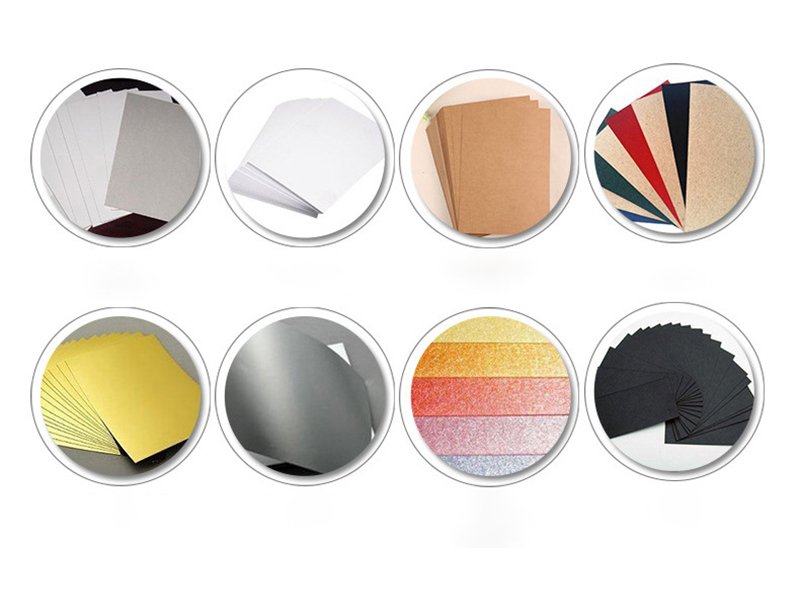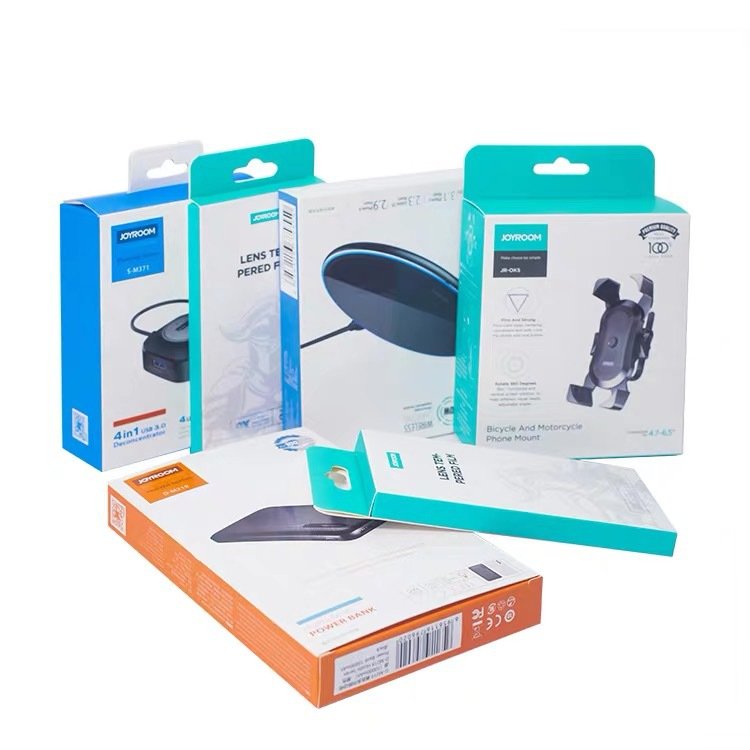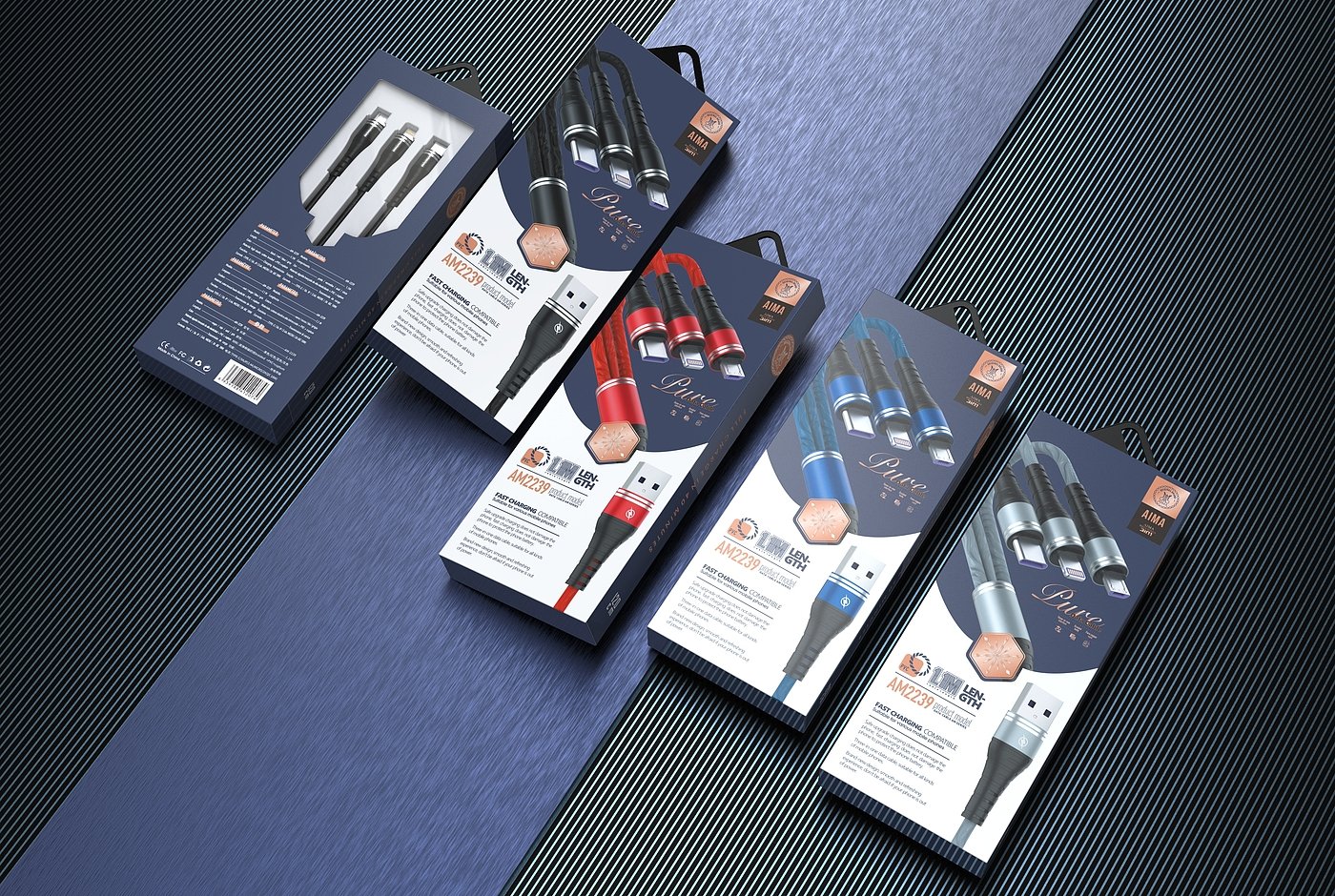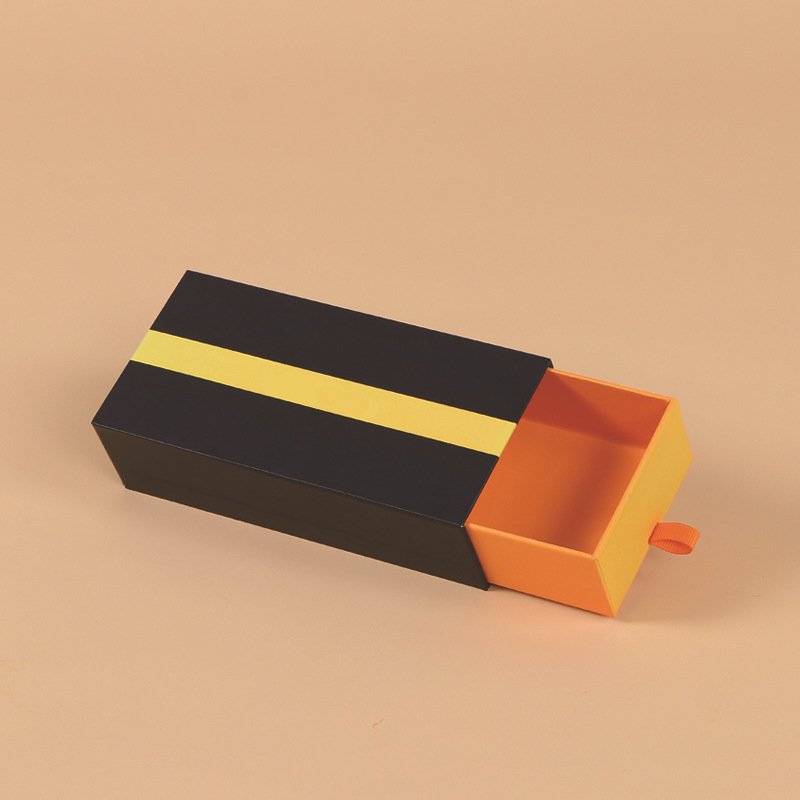









As a paper box packaging manufacturer with many years of experience designing customized packaging for brands, you know that finish and texture play a huge role in how packaging is perceived. Visual appeal is only part of it: touch, depth, relief, and how light and shadow play across the surface all contribute to luxury, recognition, memorability, and ultimately, brand value. Embossing and debossing are two powerful finishing techniques that help bring that tactile dimension.
In this guide we’ll cover:
Definitions: What Is Embossing and Debossing
The Process & Technical Components
Types / Styles / Variations
Benefits & Value Additions
Challenges, Limitations & Trade-Offs
Material & Design Considerations
When to Use, Use-Case Scenarios
Technical Best Practices & Production Tips
Cost, Lead Time, Sustainability Considerations
Case Studies & Examples
Summary & Strategic Recommendations

1. Definitions: What Is Embossing & Debossing
Before anything else, it helps to be crystal clear about what embossing and debossing are, and how they differ.
Embossing is a finishing method where part of the surface of the substrate (paperboard, paper, rigid board etc.) is raised (protrudes) relative to the surrounding area. You press the design into the material using a die (male & female) so that that section “stands out.” This creates a tactile relief.
Debossing is the opposite: the design is pressed into (indented into) the surface, creating a recessed pattern. The design becomes a depression rather than a raised relief.
Both techniques may be blind (just texture / relief, without any foil or ink in that area), or registered / combination (with ink / foil / print + emboss or deboss) etc. You can have multi-levels to create depth, bevelled edges, sculpting, etc.
2. The Process & Key Technical Components
Understanding how embossing / debossing are actually done is essential to foresee costs, limitations, and design constraints.
2.1. Dies and Tooling
Die / Plate: You need custom dies (male & female). The male die has the raised portion (for embossing) or corresponding raised area for the female die in debossing. Dies are made from metals like brass, copper or magnesium. Brass is durable and better for detailed or multi-level designs; copper less so; magnesium even less so but cheaper.
Die Quality: The sharper the relief, the cleaner the edges. For multi-level reliefs (different heights), you may need more complex die work. Some dies are sculpted (3D), others simple flat relief.
2.2. Press, Heat & Pressure
Embossing / debossing presses (or rollers) apply pressure (and sometimes heat) to the dies sandwiching the substrate. The pressure deforms the material. Some embossing uses heat to help soften or set material, depending on substrate.
Pressure amount, dwell time (how long pressure is held), alignment / registration, substrate stiffness (how easily it deforms) all matter.
2.3. Substrate Handling & Behavior
Material has to be able to deform without cracking, tearing, or losing integrity. Thicker, stiffer boards often do better. The texture or coating of the board influences how the emboss/deboss impression looks. Smooth, coated or higher gsm boards hold sharp detail better.
After embossing or debossing, folding, scoring, die-cutting etc can affect the impression — fold lines may cause cracking or flattening if the emboss area is too near.
2.4. Dies’ Lifespan & Maintenance
Dies wear over time: repeated use, material friction, heat etc can degrade edges, reduce sharpness. For premium quality and fine detail, periodic die maintenance or replacement is required.
3. Types / Styles / Variations
Embossing / Debossing isn’t one-size-fits-all. There are many variations, each with different visual / tactile effects, cost, design constraints.
| Variation | Description | Visual / Tactile Effect | Complexity / Cost |
|---|---|---|---|
| Blind Emboss / Deboss | No ink or foil; just relief (raised or recessed) on substrate alone. | Very subtle, elegant; texture from shadows; feel when touched; classy minimal finish. | Lower cost among embossing types; simpler dies; but precision needed. |
| Registered Emboss / Deboss | Embossed/debossed area aligned (“registered”) with printed artwork / graphics. For instance, logo printed then embossed over it, or graphic shape printed and the emboss aligns exactly. | More integrated finishing; emboss feels part of design rather than add-on; better visual coherence. | Requires precise alignment; setup / registration more demanding; cost a bit higher. |
| Combination with Foil / Foil Emboss | Emboss + foil stamping on the same die in many cases (foil + relief) so you get both shine + texture. | Very premium, stands out in both visual and tactile ways. | Higher cost; dies more complex; foil registration + emboss registration both need care. |
| Multi-Level / Sculpted Emboss | Multiple depths/levels in the embossed area, maybe sculpted shapes, curves, angles; deeper relief. | Dramatic depth; shadows, strong tactile impression; feels luxurious. | Expensive dies; higher pressure requirements; risk of material distortion or cracking if not optimized; longer lead time. |
| Textured / Patterned Emboss | Embossing that includes texture (e.g., linen, crosshatch, wood-grain, etc.) either in the whole area or within the raised design. | Adds visual richness; gives “feel” of special surface; background texture may help foil or print stand out. | Texture dies can be complex; detail may get lost on coarse boards; substrate choice matters. |
4. Benefits & Value Additions
Why brands & designers love embossing / debossing, and what value they get (beyond just “it looks nice”).
Tactile & Sensory Engagement
Customers feel the raised or depressed area; texture draws touch. This engages more senses, increasing memorability. It can elevate the perception of luxury.
Visual Depth, Light & Shadow Play
The raised/recessed areas catch highlights and shadows; give dimensionality. Even without color or print, embossing alone creates design interest.
Differentiation and Premium Branding
On shelves or via unboxing (e-commerce), packaging with tactile finishes like embossing stands out. It communicates craftsmanship, attention to detail.
Flexibility in Design Accents
Can be used for logos, brand names, patterns, graphic elements. Works in combination with foil, ink, coatings. Also can be subtle (for luxury/minimalist brands) or bold.
Perception of Higher Value
Consumers may perceive a product as more premium when packaging includes such finishes. This can justify higher price points or improve brand prestige.
Durability / Surface Appeal
Raised or indented details are less likely to show wear (for example, logos embossed in relief may resist fading or abrasion better than printed ink alone), especially when substrate coated/treated appropriately.
5. Challenges, Limitations & Trade-Offs
Of course, embossing/debossing also come with constraints. As a manufacturer, you must manage these, and ensure clients understand trade-offs.
Cost & Tooling Upfront
Dies cost money; multi-level or sculpted dies cost more. Setup time is nontrivial. For small runs or many variants, costs may become high per unit.
Lead Time / Turnaround
Creating dies, testing, sample mockups, adjusting registration etc add time. If clients want fast delivery, embossing may introduce delays.
Substrate Constraints
Some substrates are not suited to strong embossing: thin boards may collapse, tear, or not hold relief; heavily coated boards or those with heavy texture may distort or lose fine details; fold/score lines too near emboss can crack relief.
Detail Limitations
Very fine detail, small text, or very thin lines may blur or lose crispness in embossing. Negative spaces (holes in letters etc.) especially prone to collapsing (the material deforms into the negative space). Depth of relief also limited by material thickness.
Registration / Alignment Issues
If emboss/deboss is combined with printing, foil, or other finishes, alignment must be precise. Misregistrations show easily.
Risk in Folding, Die Cut, Handling
Embossed areas near folds may crack; recessed (debossed) areas may trap dust or get filled with colour or dirt; shipping may cause damage to raised parts if packaging is thin or transit is rough.
Sustainability / Recyclability
Embossing in itself is not especially harmful, but finishing, coatings, or combination with foil or non-recyclable materials may complicate recycling. Also, energy and material waste in setup runs, die remaking etc need consideration.
6. Material & Design Considerations
To get high-quality embossing or debossing, many design and material decisions matter. As a manufacturer, you should guide your clients through these.
6.1 Substrate / Paperboard Type
Thickness / GSM / Caliper: Higher thickness allows deeper relief without breaking or deforming.
Coated vs Uncoated: Smooth, coated boards show finer detail and cleaner edges. Matte or soft-touch coatings may diffuse relief or reduce sharpness.
Surface Texture: If the board is heavily textured, a lot of the detail may be lost; relief edges may be less crisp.
Fiber composition & stiffness: Boards with good fiber strength resist tearing or deforming under pressure.
6.2 Artwork & File Preparation
The artwork for embossing/debossing should be vector format, clean edges, no tiny holes or very thin lines unless tested. Negative spaces in letters (e.g. the counter of “e,” “a,” etc.) should be large enough to hold form.
The die design must consider relief depth, angle of bevel if used, sharpness vs rounded corners (rounded edges reduce risk of tearing and wear).
Consider a mask / separate layer in your artwork file for emboss/deboss area so the die maker knows what is to be raised or recessed.
6.3 Location of Emboss / Deboss & Impact on Structure
Avoid emboss areas too close to fold/score/die-cuts because relief can crack or get distorted when folding.
On rigid boxes, raised embossing on lid or top works well; recessed (debossing) sometimes less vulnerable to damage in handling if inside or less exposed.
Balance design so embossing doesn’t interfere with printing or other finishes (foil, spot UV etc.) unless combined carefully.
6.4 Depth / Relief Level & Beveling
Shallow vs deep emboss: deep emboss gives more dramatic effect but increased risk of distortion / higher die cost / more pressure needed.
Beveled edges vs sharp edges: beveled relief edges are often more durable and less prone to damage; sharp edges look crisp but may be fragile.
6.5 Combination Finishing (Foil + Emboss, Registered Emboss, etc.)
If combining with foil, ensure die workmanship is precise; foil must align; consider combination dies (that perform emboss + foil) to reduce handling.
If embossing on printed area (registered), color under emboss must be stable, drying complete; alignment tight.
If finishing (coating, varnish, lamination) is applied, ensure that the emboss/deboss survives these steps (i.e. varnish doesn’t fill the recessed areas too much, lamination doesn’t flatten the relief).

7. When to Use: Use-Case Scenarios & Strategic Decision
Some packaging projects benefit greatly from embossing / debossing; others less so. Here are guidelines when choosing to include it.
| Use Case | Why Emboss/Deboss Is a Strong Choice |
|---|---|
| Luxury products (jewelry, cosmetics, perfumes) | The texture and relief help communicate craftsmanship, exclusivity; consumers expect premium feel. |
| Gift / premium boxes, special editions | Embossing adds unboxing appeal; photo / social media friendly; performance beyond just print. |
| Brands seeking sensory / tactile differentiation | Touch differentiators help in crowded shelf or in e-commerce unboxing. Emboss/deboss adds non-visual value. |
| Logos / branding / pattern accent items | Instead of flooding with foil or color, selective embossing can highlight logo or pattern elegantly. |
| Thick, rigid boxes where structural integrity allows relief | Relief is more durable, less vulnerable to crushing or deforming. |
Also consider these “when less appropriate” scenarios:
Very small/low quantity orders: cost of die & setup may not amortize.
Extremely tight deadlines.
Substrates that are thin, very flexible, or heavily textured.
Designs with very fine detail that may blur.
Products/shipping where surfaces subject to heavy abrasion or damage (raised emboss may be scratched if not protected).
8. Technical Best Practices & Production Tips
From your manufacturing experience, here are best practices and tips to ensure embossing & debossing serve your clients well and the production runs smoothly.
Prototype & Sample Early
Always produce mock-ups or sample boxes with the chosen substrate, artwork, emboss/deboss design. Inspect how the relief looks in real lighting; test folding, handling, shipping.
Die Material & Construction
Use high quality dies (brass for durability and detail especially for multi-level/special effects). Ensure dies are well machined, with clean edges. Beveling edges where needed to reduce risk of tearing.
Control Pressure, Heat, & Dwell Time
Overpressure can crush the board or distort; underpressure gives weak relief. Similarly, temperature (for boards that respond to heat) must be set properly. Dwell time (how long pressure is applied) must be optimized.
Design Layout & Relief Positioning
Avoid placing emboss elements near folds or score lines unless the design accounts for that. Consider distance from edges, from structural seams, from die-cut bounding boxes.
Registration & Alignment
If embossing is used in combination with print / foil etc., tight registration is essential. Use guide marks, precision die-making, robust press setup.
Finishing Order & Handling
Generally: printing → emboss/deboss → finishing (foil, varnish, coating, die cut, fold, glue, etc.). Ensure emboss area is cured or stable before further processing. Protect raised areas during packing / transportation.
Minimize Detail Where Risky
Very small negatives inside letters or logos may “fill in” or blur; small recessed shapes may lose shape. Simplify design if necessary.
Quality Control & Maintenance
Regularly inspect dies for wear; monitor production runs for relief consistency; ensure substrate quality remains consistent.
Communicate with Clients
Show examples; help clients understand what’s possible vs what looks good; set expectations on what relief depth, text/detail is feasible.
9. Cost, Lead Time, Sustainability Considerations
These finishing techniques add value—but also cost, time, and sometimes impact environmental footprint. From your standpoint, it’s important to have good estimates and comparisons.
Cost Drivers
Die creation / tooling (male & female, possibly sculpted or multi-level)
Setup time on embossing presses; extra handling
Press adjustments / prototype runs / waste during setup
More expensive substrates if needed (thicker, smoother)
Risk of higher reject rates if relief not clean or detail lost
Lead Time Impact
Design finalization, die making, sample / proofing, adjusting – adds days/weeks depending on complexity
Combining embossing with other finishes (foil, varnish etc.) can require additional operations, drying, possibly more QC steps
Sustainability / Environmental Factors
Embossing itself is mechanical, not necessarily chemical, so less about solvent waste. But the dies, press energy, board material quality matter.
Raised embossing can make recycling tougher if multiple finishes (foil, coatings) are layered.
Waste from setup, test runs, rejected boards due to faulty emboss can add up.
But embossing offers a way to add perceived value without adding large amounts of material or non-paper elements; when done well, it can be a lower-impact “premium finish” compared to heavy foil, plasticky coatings, etc.
10. Case Studies & Examples
Here are example use-cases (real or realistic) showing embossing / debossing applied well, with lessons learned.
Case Study A: Luxury Cosmetics Rigid Box
Brief: A skincare brand wants its emblem/logo raised on the lid of a rigid box, with the rest matte finish. Also wants the name of the brand debossed on side panel.
Solution: Used a high-quality brass die for logo emboss (raised), careful positioning so that lid closure does not press into that relief; debossed name on side using matching die; substrate: coated rigid board with smooth matte lamination.
Result / Lessons: Visual impact high; logo raised catch light beautifully; some care needed in shipping so raised emblem not scratched. Also, cost justified by premium price & customer feedback.
Case Study B: Premium Gift / Chocolate Boxes
Brief: A confection brand wants special holiday boxes with pattern texture and logo relief + foil accents.
Solution: Multi-level embossing for pattern background; foil stamping + emboss for logo; blind emboss in pattern elements; use of textured board; sample runs to ensure pattern detail holds; protective inner sleeves to avoid damage.
Lessons: Some loss of fine pattern detail on textured portions; emboss depth had to be moderated; protective packing important; higher cost but high perceived value; buyers respond strongly to tactile and visual combination.
Case Study C: Branding Minimalist / Eco-Friendly Products
Brief: A small eco brand wants minimalist look: natural board, subtle texture, raised logo but no shiny foil; wants “feel of quality without flashy finishes.”
Solution: Blind embossing of logo; natural / uncoated board; soft touch or matte finish; few embellishments; small run (startup).
Result / Lessons: Elegant result; customers appreciate the touch; cost acceptable; however, some risk in durability (raised logo edges softened if boxes rubbed in transit), so logistic protection used.


11. Summary & Strategic Recommendations
To conclude, here are the major takeaways, and recommendations you (as a seasoned paper-box manufacturer) can use to help your clients make smart choices and ensure high quality outcomes.
Embossing & debossing are powerful tools in the finishing toolbox: they add tactile dimension, depth, touch, and enhance perception of premium and craftsmanship.
They are not universally applicable: substrate, detail, cost, lead-time and handling all influence whether they make sense.
As a manufacturer, your expertise adds value: helping clients balance relief depth vs material, positioning vs fold lines, combining finishes (foil / emboss / print), in proposing mockups, in anticipating handling and shipping durability.
Always require good artwork: vector, clear definition of emboss/deboss layers, sufficient thickness in fonts / negative spaces, well positioned relief areas.
Manage production and QC: ensure dies are of high quality; presses are properly set; embossing doesn’t degrade board in undesirable ways; protective packing; inspection.
Offer tiered options: clients may choose from simple blind emboss; registered emboss; foil emboss; multi-level emboss etc depending on budget and prestige.
Incorporate sustainability considerations: choose recyclable substrates, limit finishes that complicate recycling, reduce waste in trial runs, ensure embossing doesn’t combine with coatings that reduce recyclability, etc.
Use embossing effectively for branding: choose which design elements to emboss (logo, brand mark, decorative pattern) so that emboss adds meaning, not just decoration; ensure visible and tactile parts align with brand messaging.
With your experience, leveraging embossing & debossing well can help your clients get that premium perception, better unboxing experience, stronger shelf / display presence—all while maintaining quality and managing costs.
О компании BM Paper Box Manufacturer
Мы — профессиональная фабрика по изготовлению упаковочных коробок из бумаги на заказ с десятилетним опытом работы в отрасли. Мы специализируемся на предоставлении клиентам высококачественных решений в области индивидуальной упаковки, охватывающих потребительскую электронику, медицинское оборудование, расходные материалы, косметику и другие области, используя оригинальный дизайн и передовые технологии, чтобы придать продукции наших клиентов неповторимый шарм.
Как профессиональная фабрика по изготовлению упаковочных коробок на заказ, мы предоставляем широкий спектр услуг, охватывающий потребительскую электронику, медицинское оборудование, расходные материалы, косметику и другие области. Будь то изысканная подарочная коробка для элитной бытовой электроники, профессиональная упаковка медицинского оборудования или модная внешняя коробка для косметики, мы можем разработать наиболее подходящее упаковочное решение в соответствии с потребностями клиентов и характеристиками продукта. Наш профессионализм был признан многими брендовыми клиентами, и мы стали их надежным партнером.
Почему стоит выбрать фабрику бумажных коробок BM?
ВЫСОКОЕ КАЧЕСТВО: Будучи одним из лучших производителей картонных коробок на заказ в Китае, наша команда контроля качества гарантирует высочайшее качество каждого полученного вами продукта. Мы располагаем профессиональным оборудованием для тестирования качества.
ДИЗАЙН ПРОДУКЦИИ: Наш отдел разработки образцов имеет полный цикл от создания чертежей до воплощения их в жизнь. Мы также совершенствуем дизайн вашей продукции, опираясь на многолетний опыт работы. Поделитесь с нами своим мнением.
СТАБИЛЬНЫЕ СРОКИ ДОСТАВКИ: Будучи лучшим производителем и поставщиком подарочных коробок, мы обладаем достаточными производственными мощностями, и даже крупные заказы не смогут нас остановить, мы всегда сможем доставить ваш заказ вовремя.
ЛУЧШАЯ ЦЕНА: Мы являемся заводом-поставщиком бумажных коробок и лучшим производителем в Китае, поэтому можем предложить высококачественные пакеты по лучшей цене.
ТОЧНОЕ УПРАВЛЕНИЕ: Ничего нельзя достичь без внедрения точного управления. Мы — компания с полностью отлаженной системой управления.
Круглосуточное обслуживание: Как лучший производитель картонных коробок, мы обеспечиваем оперативное реагирование 24/7: мы учтем ваши отзывы, чтобы стать лучшим поставщиком. Свяжитесь с нами(+86 18925520049)
Часто задаваемые вопросы о картонных коробках BM
Мы являемся ведущим китайским производителем, и наш завод расположен в Дунгуане. Приглашаем вас посетить наш завод!
• Мы являемся профессиональным поставщиком бумажной упаковки, особенно в сфере подарочной упаковки. Мы можем производить различные бумажные коробки и пакеты для разных целей.
• Мы предоставляем комплексные услуги и принимаем заказы на разработку индивидуальных проектов в соответствии с вашими требованиями.
• Разумеется, обычно мы предоставляем бесплатные образцы, и вам нужно оплатить только доставку. Для образцов с индивидуальной печатью, пожалуйста, пришлите нам ваши требования для уточнения стоимости образца.
• Изготовление образца занимает около 7 дней.
Да, мы предоставляем бесплатные услуги по проектированию, разработке конструкций и простому графическому дизайну.
Конечно. Мы можем изготовить любую упаковку по вашему дизайну. Сейчас мы предлагаем ODM-упаковку для небольших партий от 100 до 500 штук, но вы все равно можете разместить на ней свой логотип.
В зависимости от объема заказа и особенностей производства, срок выполнения составит от 15 до 20 дней.
Перед массовым производством всегда предоставляется предсерийный образец; перед отгрузкой всегда проводится окончательная проверка.
• Размер, материал, детали печати, количество, место доставки и т. д.
• Вы также можете просто сообщить нам свои требования, и мы порекомендуем вам подходящие товары.
• Морским, воздушным или экспресс-транспортом.
• Если у вас есть собственный экспедитор в Китае, то используется цена «франко-завод» или FOB.
• Условия поставки: CFR или CIF и т.д., если вам необходимо, чтобы мы осуществили доставку от вашего имени.
• Также можно использовать DDP и DDU.
• Если у вас больше вариантов, мы рассмотрим ваши предложения.
• Цена определяется количеством, материалом, методом обработки, размером и другими факторами. Кроме того, в связи с нашим постоянным
Благодаря технологическим инновациям, цены на некоторые наши товары чрезвычайно конкурентоспособны. Для получения ценового предложения, пожалуйста, свяжитесь с нами.