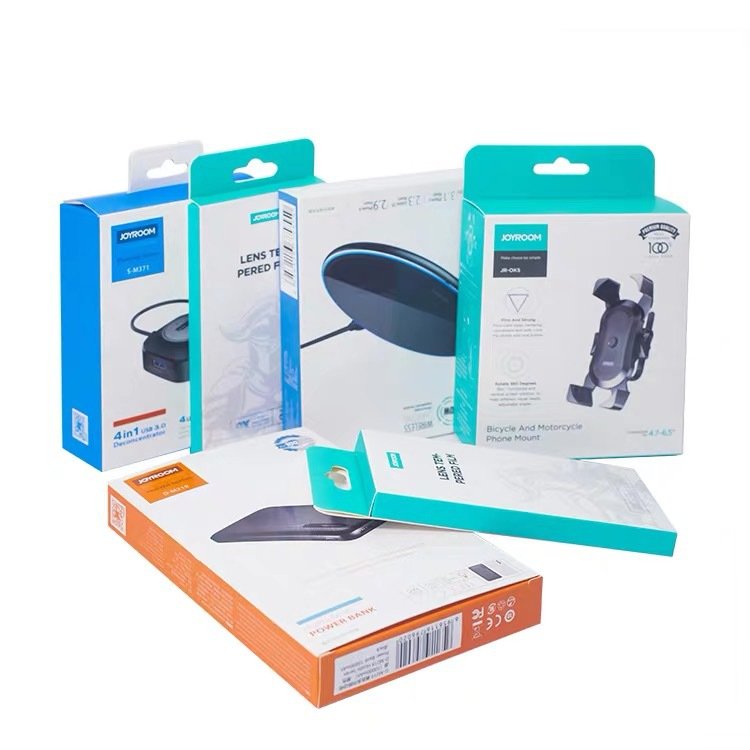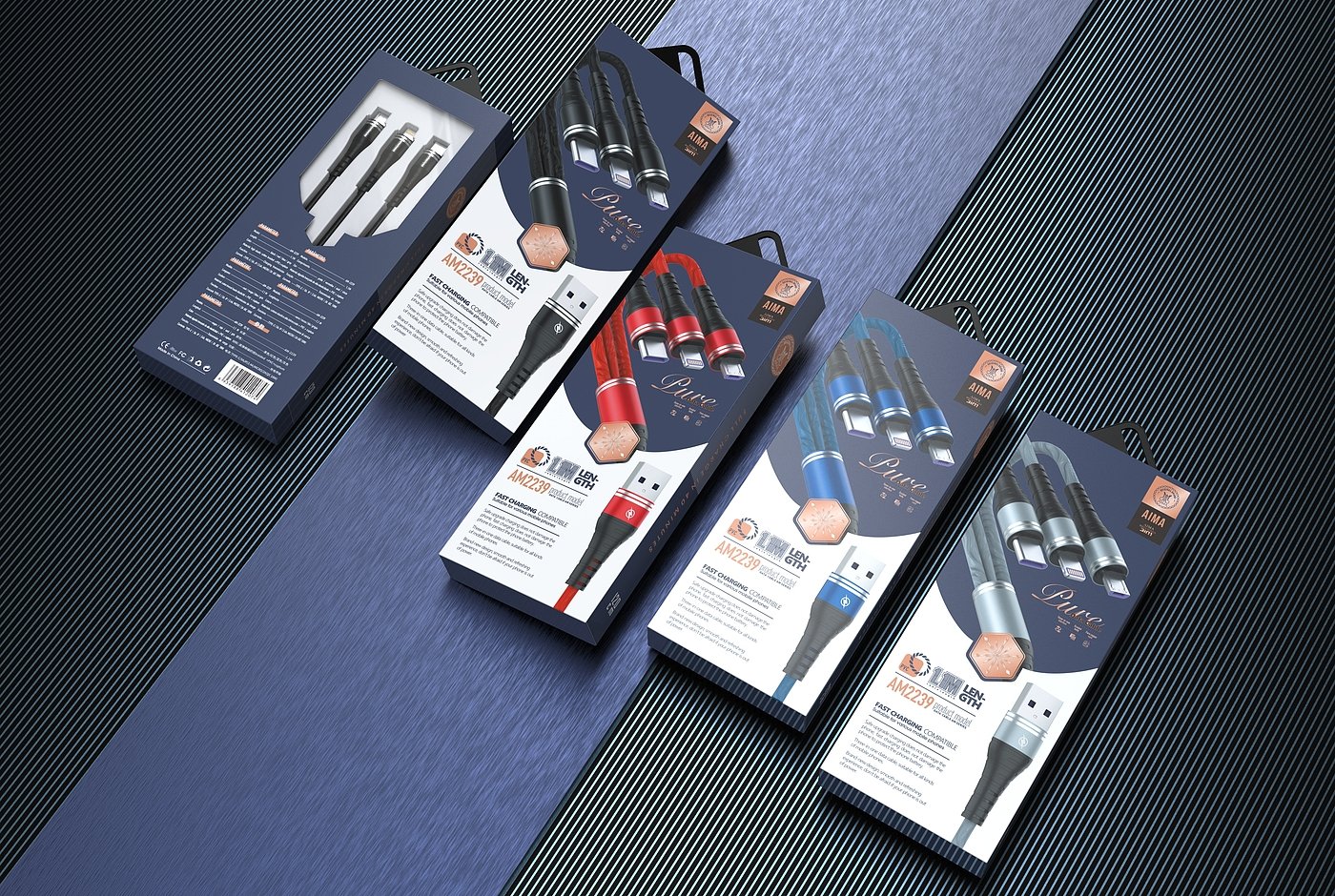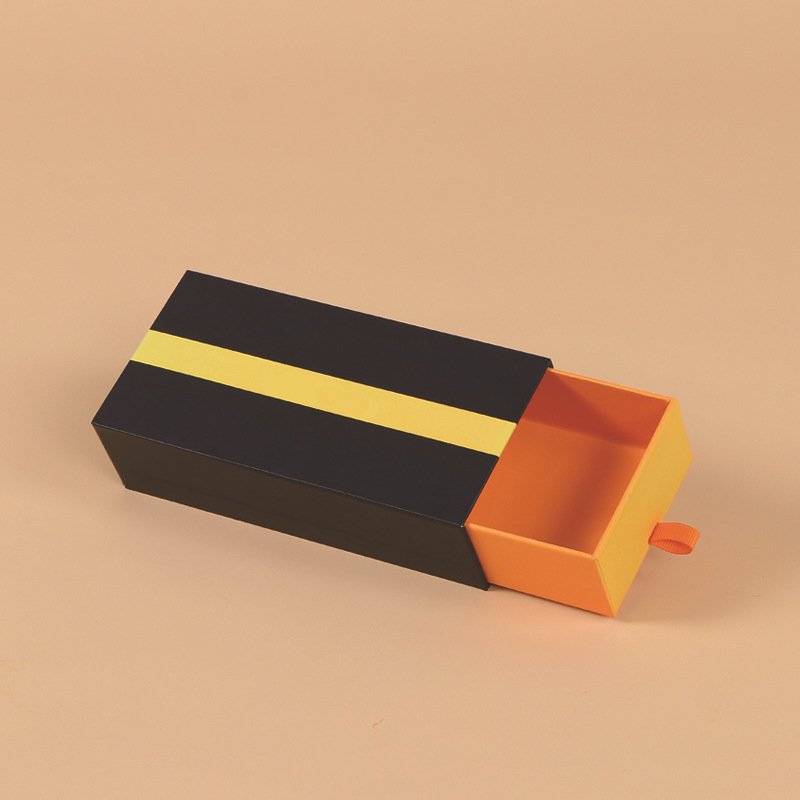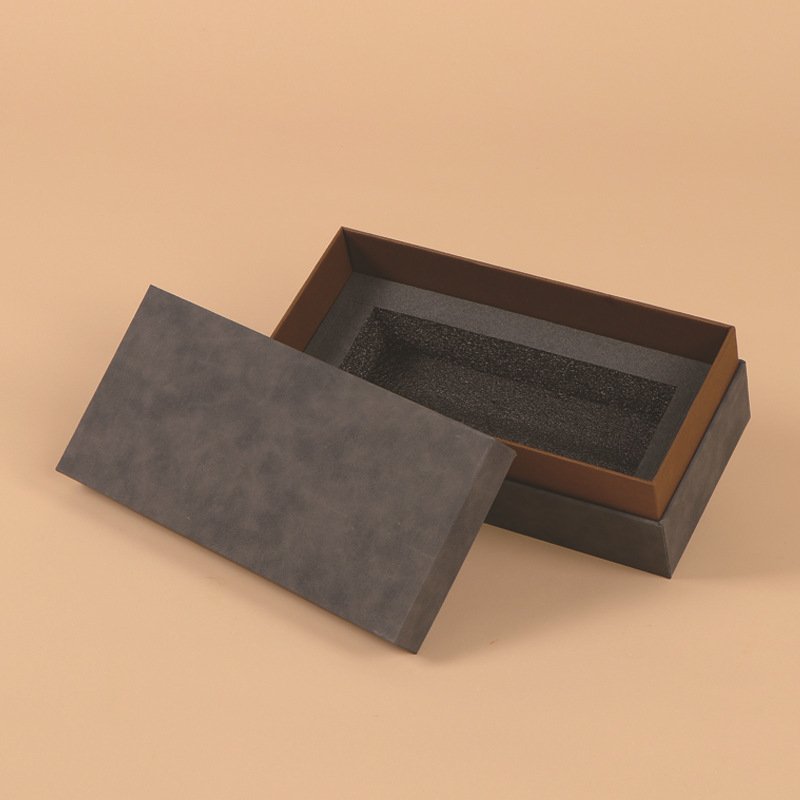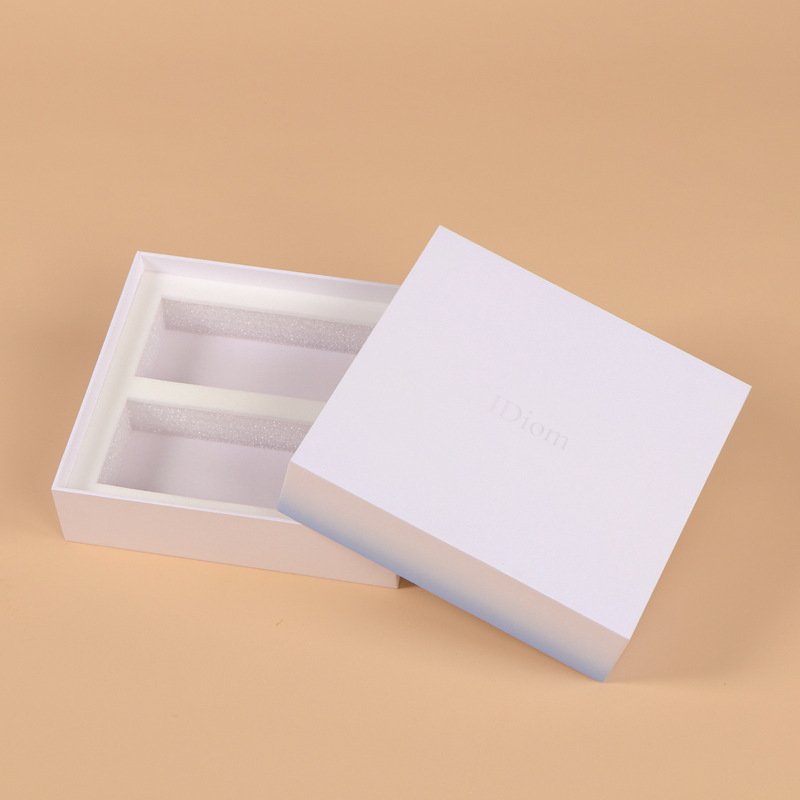








Choosing the right packaging materials is one of the most important decisions a product brand must make. The packaging materials you pick impacts product protection, cost, branding, sustainability, customer experience, logistics, and regulatory compliance. As a paper box manufacturer with many years in custom packaging, you understand the stakes. This guide aims to help you and your clients systematically evaluate packaging materials and select what’s best for each product.
1. Why Packaging Materials Choice Matters
Before diving into types and details, it’s useful to understand why material choice is central.
Protection and Functionality: The material must protect the product from damage (drops, impacts, moisture, vibration, temperature changes) throughout its journey: from packaging production, to warehousing, shipping, retail, and finally the consumer.
Brand Identity & Customer Perception: Packaging materials convey signals about quality, luxury, sustainability, or price point. A rigid board with soft touch finish feels premium; kraft gives rustic / eco vibes. Materials are part of the first impression.
Cost & Profitability: Material cost, finishing, weight, volume, and durability affect both direct cost (material + production) and indirect cost (damage, returns, shipping). A bad material choice may save up front but cost more downstream.
Sustainability & Regulatory Compliance: Increasingly consumers and governments care about recyclability, biodegradability, carbon footprint, waste, and regulatory safety (e.g. food contact, chemical migration). Materials must meet legal and environmental expectations.
Supply Chain & Logistics Efficiency: Material weight, bulk, sheet layout, ease of shaping or die-cutting, how it stacks or ships, all affect logistics cost and operational efficiency.
Given these stakes, brands and manufacturers need a structured approach to selecting materials.

2. Key Criteria for Packaging Materials Selection
When advising clients (or choosing for your own production), consider these criteria. Each product will weigh these differently depending on market, price, fragility, and brand values.
| Criterion | What to Evaluate | Why It Matters |
|---|---|---|
| Product Fragility / Sensitivity | Is the product fragile (glass, ceramic, electronics)? Sensitive to moisture, light, odor, or pressure? | Determines protection needs like barrier, cushioning, stiffness. |
| Weight, Size, Shape | Bulky, odd shapes, corners, edges, weight distribution. | Impacts material strength needed, structural support, cost, and shipping volume. |
| Duration & Mode of Transport | Long vs short shipping, many handling points, exposure to humidity or temperature, storage conditions. | Material must survive the worst‐case scenarios; influence on durability, coatings, rigidity. |
| Customer & Retail Channel | E-commerce (unboxing experience, shipping damage risk) vs retail (shelf display, visual impact, store handling) | Drives finish, print quality, structural design, visibility. |
| Visual / Aesthetic Requirements | What finish, texture, color, embellishments are needed? Soft touch, matte/gloss, embossing, etc. | Influences material compatibility, cost, feasibility. |
| Environmental & Regulatory Constraints | Is recycled content mandatory? Recyclability? Food safe / chemical safe? Local regulations? | Affects what materials or coatings you can use. |
| Budget / Cost Limitations | Material cost, production cost (die-cutting, finishing), shipping and handling, expected damage costs. | Helps find balance between required performance and cost. |
| Supply Chain Feasibility & Lead Time | Local availability, minimum orders, tooling or mold lead time, production capacity. | Long lead times or unavailable materials can delay launches or increase cost. |
| Weight & Volume / Shipping Impacts | Heavier or bulkier materials increase freight costs; inefficient box volumes waste space and cost. | Impacts shipping, warehousing, carbon footprint. |
| Customer Experience & Unboxing | Ease of opening, feel, smell, how insert or interior looks. | Drives loyalty, social media sharing, perceived value. |

3. Common Packaging Materials — Pros & Cons
Here are the major categorical material types you’ll want to consider. I’ll include what they are, where they work well, where they are less ideal, and some special notes relevant to paper box manufacturing.
| Malzeme | Characteristics / Typical Forms | Pros | Cons | Best Use Cases |
|---|---|---|---|---|
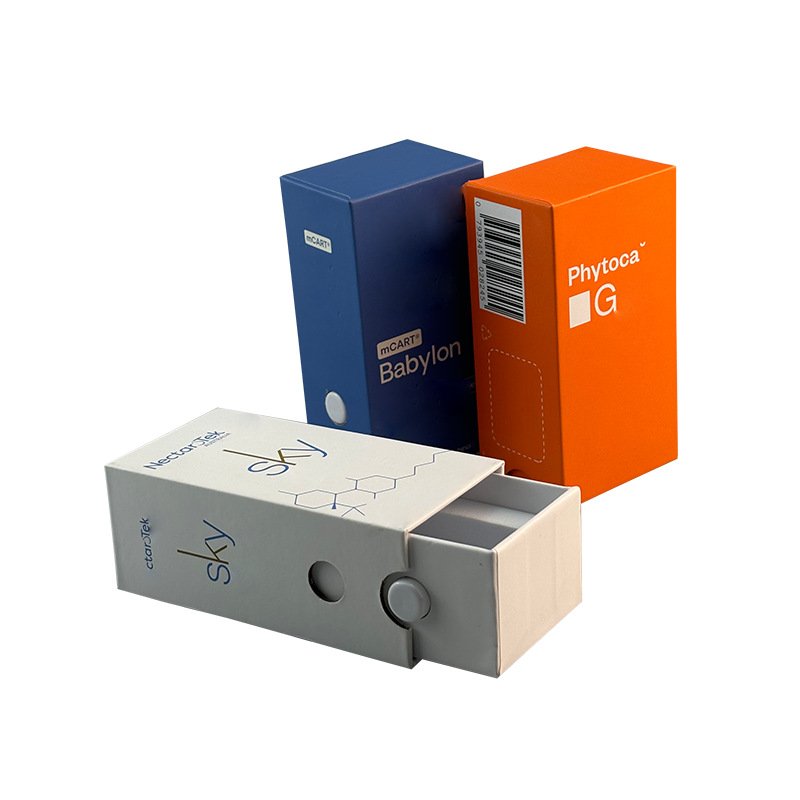
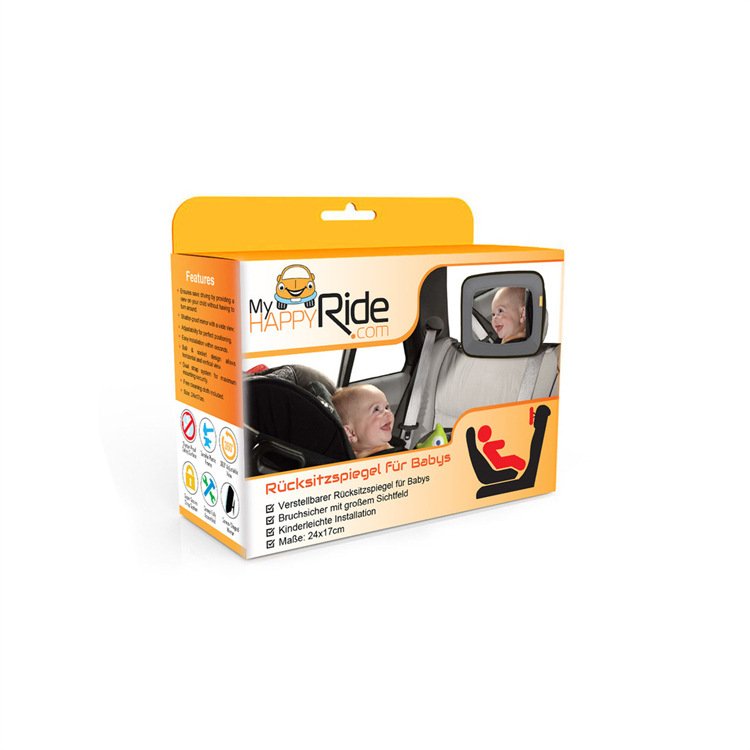
| Paperboard / Folding Carton (coated / uncoated, SBS, chipboard) | Thin / medium boards, smooth surfaces, printable | Good for graphics; lighter weight; cost efficient; many finishing options; recycled content possible | Weak in heavy load / high moisture; less structural strength; may need lamination/coating for barrier; damage easier | Cosmetics, food dry goods, gift boxes, small electronics, secondary packaging, display cartons |
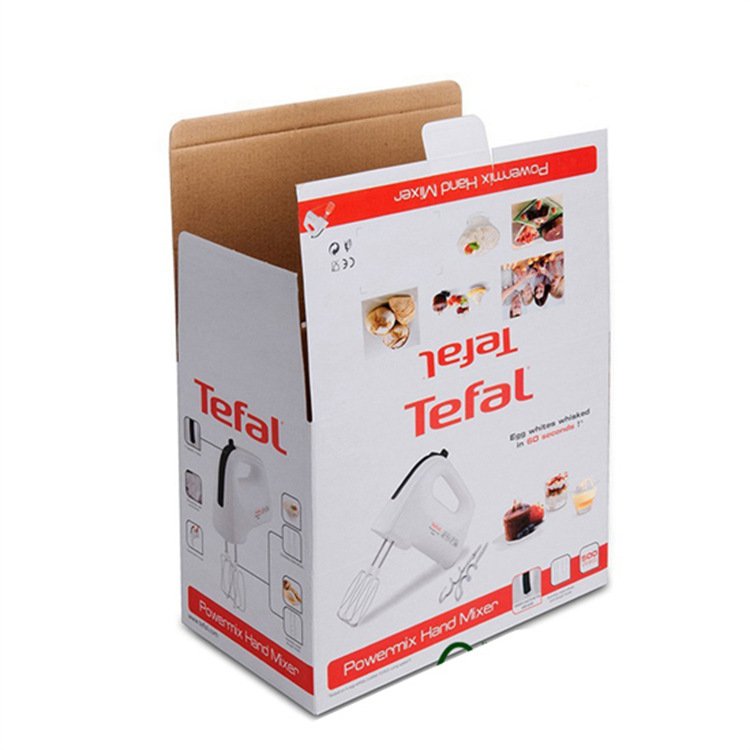
| Kraft & Corrugated Fibreboard | Fluted board, kraft facings; corrugated shipping boxes; heavier boards | Strong, cushioning, good shipping protection; widely recyclable; cost-efficient for larger / heavier products; good for shipping / tertiary level | Bulky; printing & finishing more limited; higher fibre thickness; inner look less smooth; moisture sensitivity | Shipping cartons, protective outer boxes, heavier goods, e-commerce shipping, multipacks |
| Rigid Paperboard / Chipboard (Luxury Boxes) | Thick boards, rigid setup boxes, magnetic closures etc. | High perceived value; great for premium products; often reused; excellent finish surfaces; strong protection in non-extreme transit | More expensive; heavier; more complex tooling; larger dimensions increase shipping cost; sometimes less recyclable if layered or laminated | Luxury items: watches, jewellery, pens, gift sets, high-end tech accessories |
| Plastic / Synthetic Polymers (PET, PP, PE, PVC etc.) | Clear or opaque plastics; films; thermoformed trays; blister packs; laminated films | Good barrier properties; moisture resistant; transparent display; durable; many forms; sometimes cost effective for large volume | Environmental concerns; sometimes high cost for small runs; limited recycling in many regions; heat / UV sensitivity; may look less premium unless high quality | Windows in packaging, blister packs, food pack films, parts needing moisture barrier, display items needing transparency |
| Molded Fibre / Molded Pulp | Made from recycled fibres or paper; formed in trays or shells; egg-crate shapes etc. | Sustainable; good cushioning; biodegradable or recyclable; often cost-effective for protective inserts; strong enough for moderate fragility | Rough surface finish; limited colour/print; moisture sensitivity unless treated; tooling molds cost; performance limited compared to plastics for barrier needs | Inserts; inner trays; packaging for glass / fragile items; eco-friendly brands; display packaging when ruggedness is needed |
| Metal (Tinplate, Aluminium etc.) | Cans, foils, tins, decorative lids etc. | Excellent barrier for light / moisture / oxygen; premium look; reusable options | Heavy; expensive; energy-intensive; limited flexibility; dent risk in shipping; printing constraints; less “box”-like | Beverages; premium teas; decorative tins; luxury decorative packaging; certain cosmetics |
| Glass | Jars, bottles, decorative containers | Premium, perceived high value; excellent barrier (air, moisture, odor); infinitely recyclable | Fragile; heavy; shipping risk; costly to transport; breakage risk; requires protective outer boxes / inserts | Perfumes; high-end cosmetics; food jars; wines; decorative or collectible packaging |
| Composite / Hybrid Materials (laminated boards, board + foil, board + film) | Combining paper with plastic / metal layers / coatings | Can combine best properties (barrier, print, strength, look etc.); helps when single material isn’t enough | Harder to recycle; may increase complexity; higher cost; potential conflict with sustainability messaging | Products needing barrier (moisture, oxygen), food, cosmetics, products shipped in diverse climates |
| Bio-Materials / Bioplastics (PLA, PHA, etc.), Recycled Materials | Newer, often eco-oriented materials; compostable under certain conditions | Good environmental credentials; novelty; marketing advantage; increasingly viable performance | Costs are higher; performance limits; industrial composting infrastructure may be limited; supplier consistency; sometimes regulatory ambiguity | Eco brands; small-batch premium; parts of packaging (windows, inner trays) rather than full heavy structural material; where consumer cares about sustainability |

4. How to Match packaging materials to Product Needs
After understanding what packaging materials are available, you’ll need to map your product’s specific requirements to material properties. Below are guiding questions and matching suggestions.
4.1 Guiding Questions
What is the weight & shape of the item? Any protrusions, fragile parts?
How fragile is the item (glass, brittle, sharp corners)?
Does it need barrier protection (moisture, oxygen, light, odor)?
What are the shipping & handling conditions (local vs international; how many transit steps; exposure to weather)?
Is cost of damage / returns significant?
What’s the branding / visual expectation (luxury, premium feel, eco, minimal, transparent display)?
What about unboxing / customer experience: is the interior of packaging (material look, texture, ease of opening) part of value?
Are there regulatory requirements (food safety, chemical migration, safety, flammability, recycling regulations)?
What environmental / sustainability goals exist (recycled content, compostability, carbon emissions)?
What are the volume and scale (small custom runs vs mass production)?
4.2 Matching Suggestions
Here are some example product types and suggested material matches:
| Product Type | Key Needs | Recommended Material(s) | Optional / Hybrid Elements |
|---|---|---|---|
| Fragile Glass Bottles (Perfume, Wine) | Shock protection; barrier; premium look | Corrugated outer box + molded pulp or corrugated insert; inner tray; rigid display carton; possibly decorative wood or rigid board | Hybrid with kraft paper wrap; laminated coatings for moisture; wooden lid or decorative sleeve |
| Small Luxury Goods (Jewellery, Watch) | Premium finish; visual impact; protection | Rigid paperboard premium boxes; soft lining; rigid inserts (foam, wood); strong closure mechanisms | Foil stamping or embossing; magnetic closure; fabric ribbon or drawer style; possibly clear window if brand wants visibility |
| Food Items (Dry Foods, Snacks) | Barrier (moisture, oxygen), shelf life; merchandising display | Laminated paperboard cartons; flexible lidding or film windows; possibly composite board; moisture barrier coatings or sleeves | Recyclable film windows; clear PET windows; resealable features; minimal material while maintaining shelf appeal |
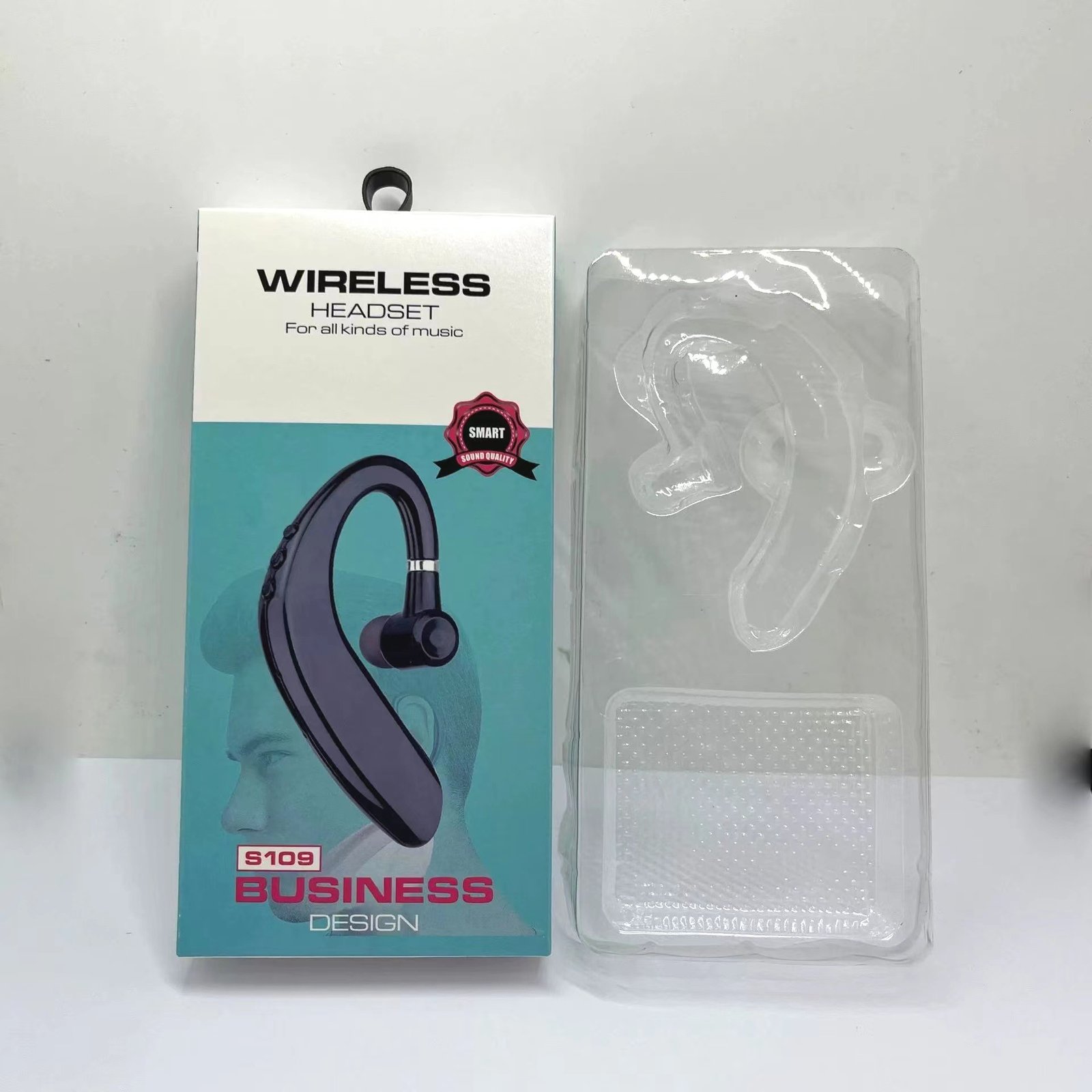
| Electronics & Gadgets | Protection from drops, shock; anti-static; brand presentation | Rigid board + foam insert; plastic tray; corrugated shipper; double packaging (inner box + outer safe box) | Soft touch finishes; branded printing; tamper seals; possibly bio-foam or molded pulp where sustainable value matters |
| Eco / Natural Brand Products | Sustainability signal; minimal waste; sufficient protection | Recycled board; kraft board; molded pulp inserts; minimal coatings; compostable or recyclable materials | Hybrid materials if barrier required; water-based inks; minimalist finishing — no heavy metals etc. |
| Heavy / Bulky Equipment or Tools | Structural integrity; stacking; shipping damage; cost efficiency | High strength corrugated board; possibly double wall; reinforced corners; minimal but strong outer packaging; protective internal supports | Simple, durable finish; avoid decorative finishing on shipping cartons; inner inserts or dividers as needed |
5. Design, Finishing & Structural Impacts
Packaging materials choice doesn’t act in isolation; design and finishing amplify or limit what materials can do.
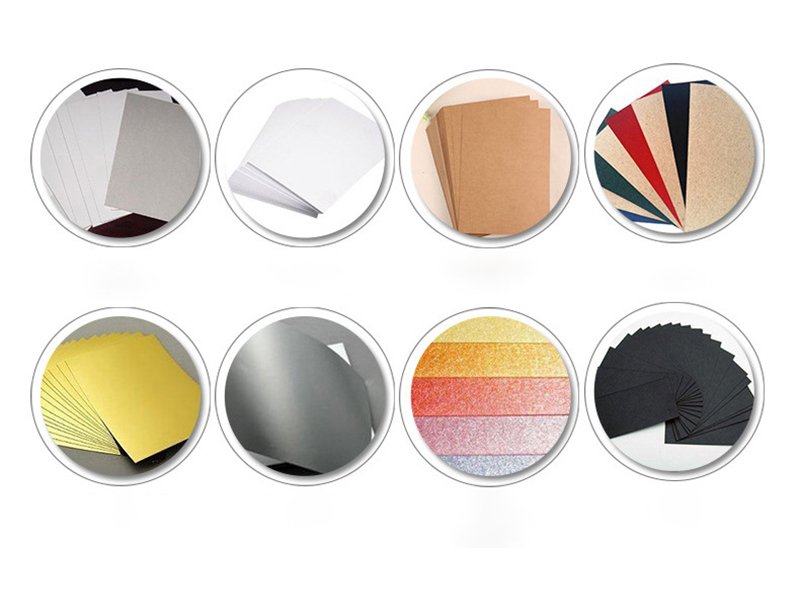
Printability / Visual Finishing: Some boards accept high-quality full-color prints, gloss/matte varnishes, foil stamping, embossing etc. Coated boards, rigid board surfaces are superior. Kraft or uncoated boards are more rustic; fine printing needs special surface prep.
Texture & Touch: Soft-touch coatings, embossing, debossing, linen or cloth-like textures, foils — all good for luxury feel; must ensure that base material can support them.
Barrier & Protection Coatings: For moisture, grease, odor etc., materials may require lamination, coatings, or composite layers. These finishing steps can reduce recyclability. Consider how coatings bond, whether adhesives are food-safe, etc.
Structural Design: Thickness of board, flute size in corrugated, reinforcement (tabs, flaps, stiffeners), strength of joints and closures. Material must support design: for instance, rigid box with magnetic flap demands precision and material flatness. Corrugated for shipping cartons demands strong ECT/BCT ratings.
Ease of Manufacture & Folding / Die-cutting: Folding cartons need board that folds cleanly without cracking; rigid board needs clean edges. Materials with high fibre grain direction influence folding performance. Tools and dies need to match material properties.
Weight & Volume Optimization: Material thickness adds volume and weight; oversized boxes waste space; too thin material may compromise protection. Finding balance is key.

6. Cost, Sustainability & Lifecycle Trade-Offs
Packaging materials choice often involves trade-offs. Clients may want premium materials, but cost and environmental impact need to be factored in.
6.1 Cost Components
Raw material price per unit area / per weight
Finishing / coatings / lamination / printing costs
Tooling cost (die cuts, molds, special shapes)
Labor / manufacturing process complexity
Shipping & handling (weight + volume)
Damage / returns if inadequate protection
6.2 Environmental / Sustainability Considerations
Recycle-friendly materials (single material, recyclable board) or compostable ones
Recycled content in material
Avoid composite materials (paper + plastic) unless necessary
Use of low-VOC inks, safe coatings
End-of-life disposal: consumers able to recycle / compost? Local infrastructure matters
6.3 Lifecycle Impacts
Carbon footprint from sourcing raw material, production, shipping
Durability (how many times it’s handled, reused)
Waste generation (scraps, unusable offcuts, unusable coatings)
Regulatory impact: meeting environmental laws, food safety, packaging waste directives
6.4 Hidden Costs
Damage during transit due to insufficient material leads to returns or replacement
Cost of overweight / oversized packaging for shipping or storage
Consumer complaints / brand damage due to poor packaging
Cost of poor finish: fading, cracking, scratching
7. packaging materials: Testing, Prototyping & Quality Assurance
Before full scale production, packaging materials and designs should be validated.
Prototype Builds: Make several mockups with chosen materials, finishes, size variations to test fit, look, feel.
Transit Testing: Drop tests, vibration, compression, humidity and heat exposure, cold exposure if relevant. ISTA or other standards often used.
Shelf Presence / Display Testing: See how packaging looks under retail lights; in shelf racks; how the graphics reproduce.
User / Customer Testing: Unboxing experience; ease of opening; perception of quality; feedback on texture, smell, visuals.
Compliance Testing: For food or cosmetic contact, emissions, safety of materials, adhesives, inks. For environmental laws.
8. Supply Chain, Logistics & Operational Considerations
Picking materials isn’t just design; implementation matters.
Material Availability & Lead Time: Is the material readily available locally or from reliable suppliers? Possible delays in import etc.
Minimum Order Quantities & Tooling Costs: Some materials (rigid board, special laminates) have cost in tooling or molds; clients must commit to volumes.
Storage & Handling: Certain materials are sensitive (to moisture, heat) and need good storage. Boards may warp; coatings may be damaged.
Impact on Shipping & Packing: Weight adds cost; package size affects freight costs; flat packing vs assembled boxes; nested designs; optimal packing to fit more units per pallet.
Consistency & Quality Control: Color consistency; board thickness; surface quality; adherence of finishing; avoiding defects. As manufacturer, having robust QC is essential.
9. packaging materials Case Studies & Examples
Here are real-style examples illustrating how packaging materials choices were made, trade-offs considered, and outcomes achieved.
Case Study A: Luxury Cosmetics Brand
Need: premium look, smooth texture, gold foil stamping, protective internal liner, pleasant unboxing.
Material used: Rigid paperboard with soft-touch lamination for box; inner board insert lined with velvet or velvet-look paper; outer wrap / sleeve in high-finish coated board.
Trade-offs: higher costs per unit and shipping weight; some limits in recyclability due to coatings; clients accepted because brand perception improved; unboxing videos increased social media reach.
Case Study B: Eco-Friendly Food Product
Need: safe for food contact; want sustainability; moderate visual quality; protection from moisture; competitive cost.
Material used: Uncoated recycled board for outer carton; kraft board inner tray; PLA window if necessary; water-based inks; minimal lamination; kraft paper wraps for sealing.
Results: Good protection; consumers appreciated eco message; slightly higher perishability risk in humid conditions, mitigated by proper shipping packaging.
Case Study C: E-commerce Gadget / Electronics
Need: protection from shipping damage; good presentation; high return costs if broken; moderate price point.
Material used: Folding carton style primary box; foam or molded pulp insert to hold gadget; outer corrugated shipper box; printed graphics; finish moderate (spot varnish etc.).
Outcome: Reduced damage returns; better customer reviews; packaging cost went up but overall profit increased due to fewer replacements and stronger brand loyalty.
10. Practical Checklist & Decision Workflow
To help clients decide, here’s a decision workflow and checklist to follow for each new product.
Gather Product Data
Dimensions, weight, shape, fragility
Material sensitivity (moisture, light, odor, pressure)
Define Distribution Environment
Shipping distance, modes (road, sea, air)
Handling steps & storage (warehouse, transit, retail)
Climate / environmental conditions
Brand & Customer Expectations
What market segment (luxury vs budget vs eco)
Visual / texture / finishing expectations
Unboxing importance
Budget & Cost Constraints
Cost per unit for packaging material and finishing
Acceptable shipping & damage cost
Tooling / setup costs
Regulatory & Safety Requirements
Food contact, chemicals, temperature, flammability, etc.
Sustainability Objectives
Recycled content, recyclability, compostability
Certifications, environmental messaging
Shortlist Material Options
Based on above, choose 2-3 possible materials
Prototype & Test
Build sample packaging
Do transit / drop / moisture tests
Test visuals, print quality
Evaluate Logistics & Supply
Material availability, lead time
Shipping costs (weight & volume), storage, packing efficiency
Finalize & Document
Choose material + finishing + structure
Document suppliers, specs, QC checks
Include consumer guidance if disposal / recycling
Review Performance Post-Launch
Customer feedback, damage rates, returns
Visual wear, print or finish durability
Cost effectiveness vs expected
11. packaging materials: Conclusion and Strategic Tips
To wrap up:
Packaging materials choice is a strategic decision affecting protection, cost, brand image, sustainability, and customer satisfaction.
There’s no one perfect material — each has its strengths and trade-offs. What matters is aligning material properties with the product’s needs, brand position, distribution and customer expectations.
As a paper box manufacturer with long experience, your role is not only manufacturing but advising. Helping clients articulate their priorities (e.g. protection vs sustainability vs cost vs aesthetics) and guiding them through this decision process adds great value.
Strategic Tips You Can Promote to Your Clients
Encourage clients to think beyond just the “look” and to include cost of damage, returns, shipping etc. in their calculations.
Offer material choice tiers: a standard choice and a premium eco or luxury upgrade.
Invest in sustainable material R&D — recycled boards, coatings, mono-material solutions.
Keep good relationships with material suppliers to ensure quality, consistency, and lead times.
Build prototyping and testing into your service offering: many clients undervalue this but it can avoid expensive mistakes.
Communicate clearly about material disposal / recycling in packaging — part of customer satisfaction and brand trust.
BM Kağıt Kutu Üreticisi Hakkında
On yıllık sektör tecrübesine sahip profesyonel bir kağıt ambalaj kutusu özelleştirme fabrikasıyız. Tüketici elektroniği, tıbbi ekipman sarf malzemeleri, kozmetik ve diğer alanları kapsayan yüksek kaliteli özelleştirilmiş ambalaj çözümleri sunmaya odaklanıyoruz; ustaca tasarım ve mükemmel teknolojiyle müşterilerimizin ürünlerine sonsuz bir çekicilik katıyoruz.
Profesyonel bir kağıt ambalaj kutusu özelleştirme fabrikası olarak, hizmet yelpazemiz geniş olup tüketici elektroniği, tıbbi ekipman sarf malzemeleri, kozmetik ve diğer alanları kapsamaktadır. İster üst düzey tüketici elektroniğinin zarif hediye kutusu, ister tıbbi ekipmanın profesyonel ambalajı, isterse kozmetik ürünlerinin şık dış kutusu olsun, müşterilerin ihtiyaçlarına ve ürünün özelliklerine göre en uygun ambalaj çözümünü tasarlayabiliyoruz. Profesyonel gücümüz birçok marka müşterisi tarafından kabul görmüş ve onların güvenilir ortağı haline gelmiştir.
Neden BM Kağıt Kutu Fabrikasını Seçmelisiniz?
ÜST DÜZEY KALİTE: Çin'deki en iyi özel tasarım karton kutu üreticilerinden biri olarak, kalite kontrol ekibimiz aldığınız her ürünün en yüksek kalitede olmasını sağlayacaktır. Profesyonel kalite test makinelerimiz mevcuttur.
ÜRÜN TASARIMI: Numune alma departmanımız, çizimleri gerçeğe dönüştürme sürecinin tamamına sahiptir. Ayrıca, yıllar süren çalışma deneyimimize dayanarak ürün tasarımınızı geliştiriyoruz. Düşüncelerinizi bizimle paylaşın.
İSTİKRARLI TESLİMAT SÜRESİ: En iyi hediye kutusu üreticisi ve tedarikçisi olarak, yeterli üretim kapasitemiz sayesinde büyük siparişler bile bizi zorlamayacak, siparişinizi yine de zamanında teslim edebiliriz.
EN UYGUN FİYAT: Biz kağıt kutu üreticisi ve Çin'in en iyi üreticisiyiz, bu nedenle en iyi fiyata yüksek kaliteli çantalar sunabiliyoruz.
KESİN YÖNETİM: Kesin yönetimi uygulamadığımız takdirde hiçbir şey başarılamaz. Biz eksiksiz bir yönetim sistemine sahip bir şirketiz.
7/24 HİZMET: En iyi karton kutu üreticisi olarak, 7/24 anında yanıt: Daha iyi bir tedarikçi olmamız için geri bildirimlerinizi bekliyoruz. Bize ulaşın.(+86 18925520049)
BM Kağıt Kutusu Hakkında Sıkça Sorulan Sorular
Biz Çin'in önde gelen üreticilerinden biriyiz ve fabrikamız Dongguan'da bulunmaktadır. Fabrikamızı ziyaret etmenizi bekliyoruz!
• Özellikle hediye paketleme alanında uzmanlaşmış profesyonel bir kağıt ambalaj ürünü tedarikçisiyiz. Çok amaçlı kullanım için çeşitli kağıt kutular ve kağıt torbalar üretebiliyoruz.
• Tek elden hizmet sunuyoruz ve gereksinimlerinize göre özel tasarımları da kabul ediyoruz.
•Elbette, genellikle ücretsiz numuneler sağlıyoruz ve sadece kargo ücretini karşılamanız gerekiyor. Özel baskılı numuneler için lütfen numune maliyetini kontrol edebilmemiz için gereksinimlerinizi bize gönderin.
• Numune üretimi yaklaşık 7 gün sürer.
Evet, ücretsiz tasarım hizmetleri, yapısal tasarım ve basit grafik tasarım hizmetleri sunuyoruz.
Elbette. İstediğiniz ambalajı tasarımınıza göre üretebiliriz. Şu anda 100 ila 500 adet arasındaki küçük miktarlar için ODM ambalajlama hizmeti sunuyoruz, ancak yine de kendi logonuzu kullanabilirsiniz.
Sipariş miktarına ve üretim detaylarına bağlı olarak, yaklaşık 15 ila 20 gün sürecektir.
Seri üretimden önce mutlaka ön üretim numunesi alınır; sevkiyat öncesinde mutlaka son kontrol yapılır.
• Boyut, malzeme, baskı detayları, miktar, teslimat adresi vb.
• Ayrıca ihtiyaçlarınızı bize bildirmeniz de yeterli; biz de size ürünler önereceğiz.
• Deniz yoluyla, hava yoluyla veya ekspres kargo ile.
• Eğer Çin'de kendi nakliye firmanız varsa, fiyat fabrika çıkış fiyatı veya FOB fiyatıdır.
•CFR veya CIF vb., sizin adınıza sevkiyat yapmamızı istiyorsanız.
• DDP ve DDU da kullanılabilir.
• Daha fazla seçenek, tercihlerinizi değerlendireceğiz.
• Fiyat, miktar, malzeme, işleme yöntemi, boyut ve diğer faktörlere bağlı olarak belirlenir. Ayrıca, sürekli gelişimimiz nedeniyle...
Teknolojik yenilikler sayesinde bazı ürünlerimizin fiyatları son derece rekabetçidir, fiyat teklifi almak için lütfen bizimle iletişime geçin.