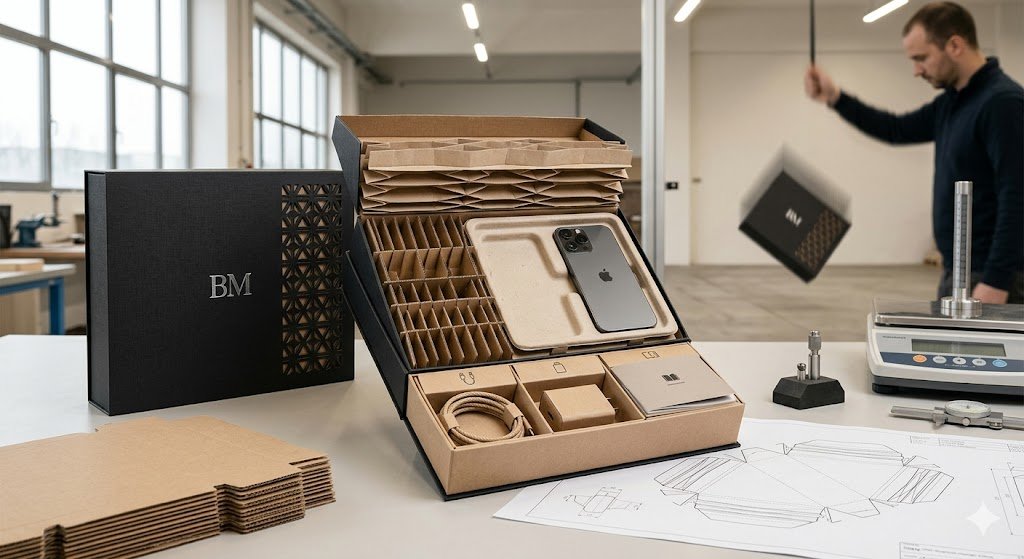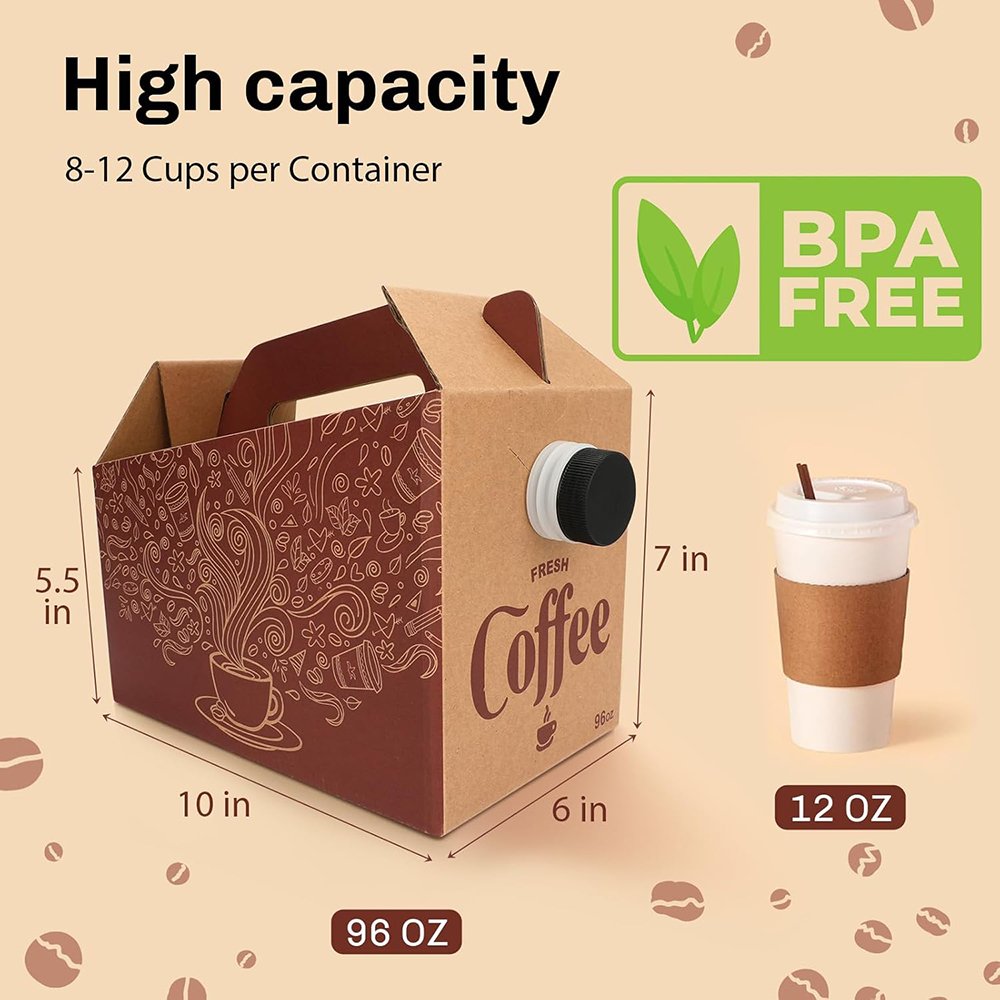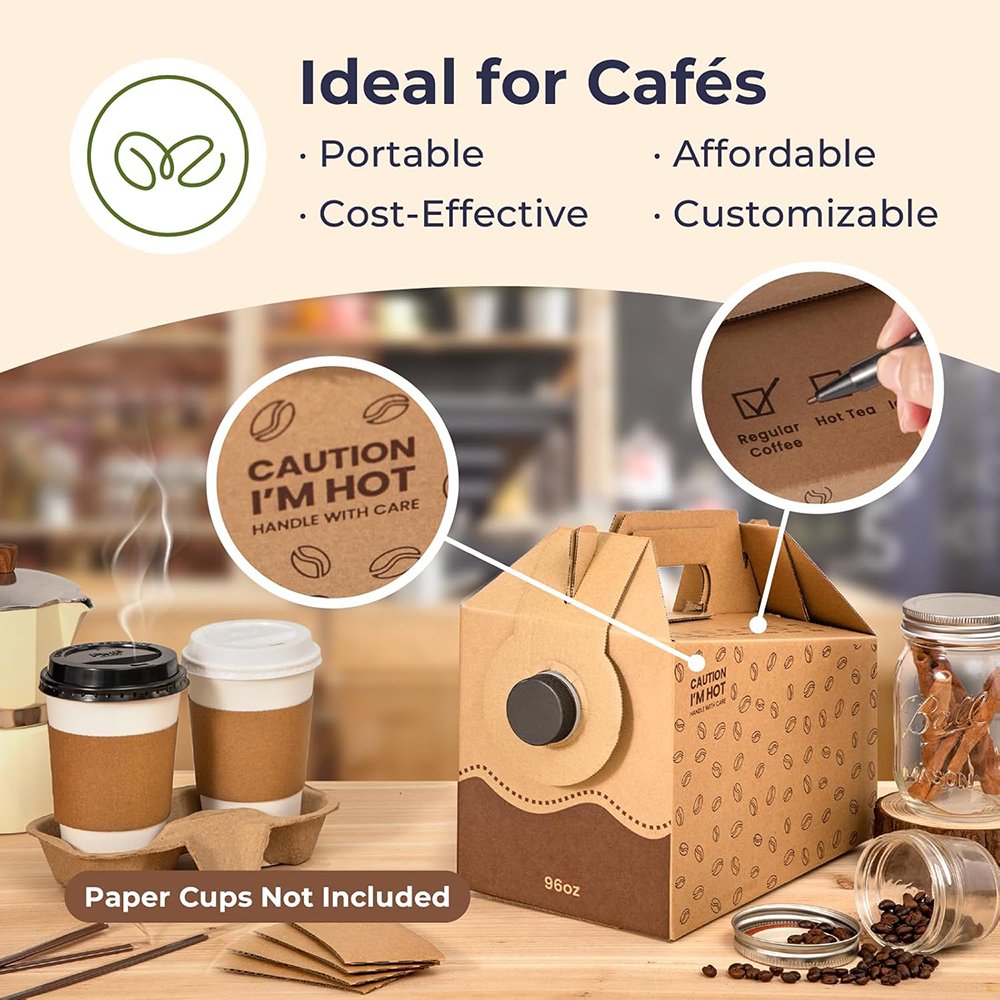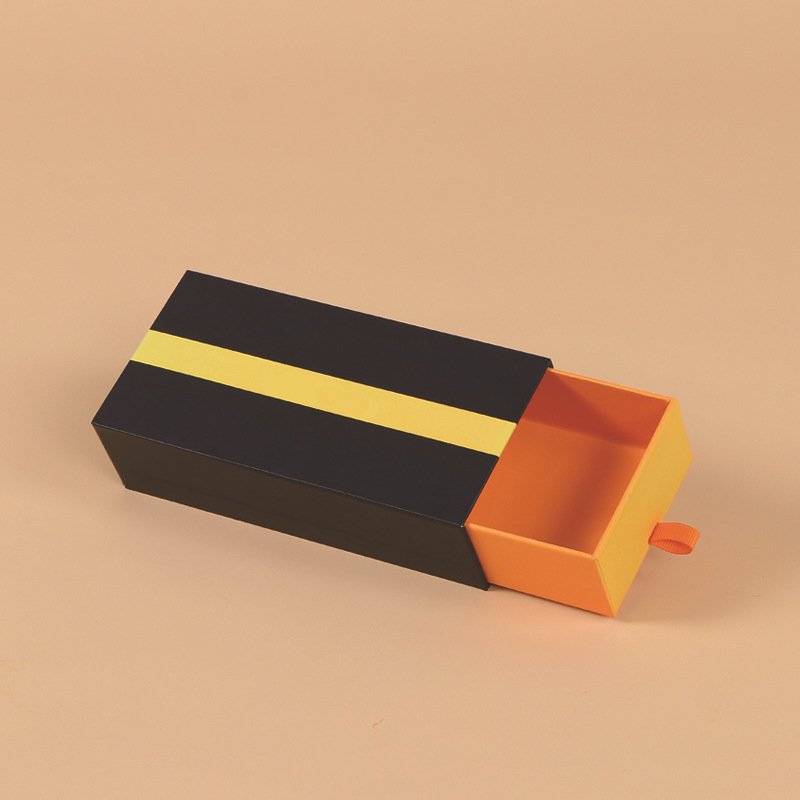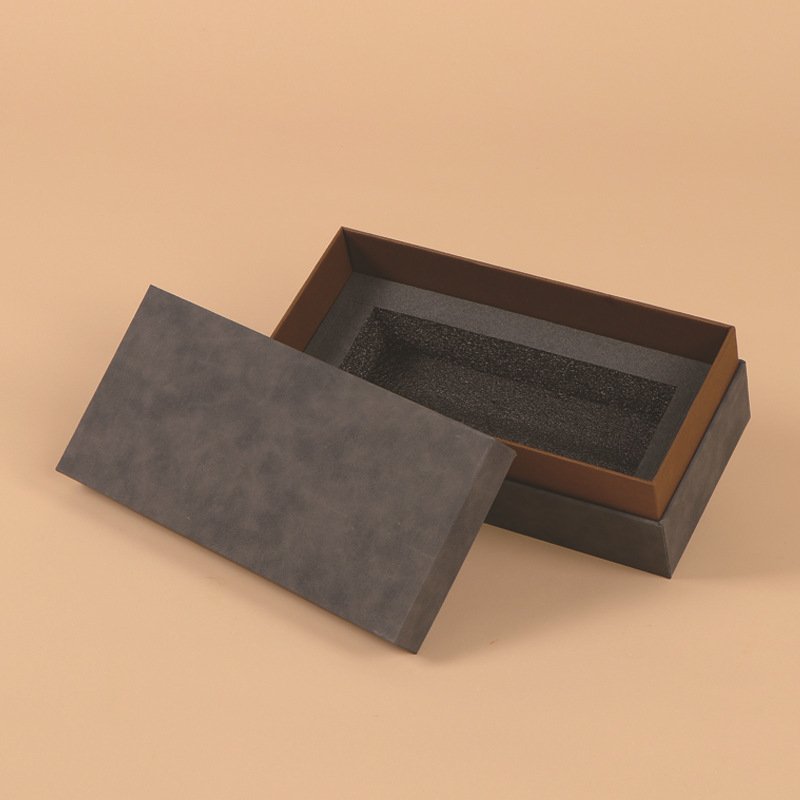









As brands compete for shelf presence, e-commerce unboxing, logistics efficiency, and sustainability, choosing the appropriate packaging strategy is more important than ever. Paper boxes are versatile, aesthetic, and increasingly preferred for eco-conscious reasons. But using paper boxes packaging smartly means understanding the levels of packaging (primary, secondary, tertiary) and selecting the right level (or combination) for each product. As a paper boxes manufacturer with over a decade of experience, you know that getting this right can make a big difference in cost, protection, branding, and customer satisfaction.
In this blog we’ll explore:
What are the levels of paper boxes packaging (primary / secondary / tertiary).
Key functions and differences.
How to decide what level(s) your product needs.
Design considerations for paper boxes packaging at each level.
Cost, sustainability, and logistics trade-offs.
Case examples.
As manufacturer how you help clients choose well.
1. What are the Levels of Packaging
The concept of “packaging levels” is widely used in packaging & supply chain literature. The three common levels are:
Primary Packaging
Secondary Packaging
Tertiary Packaging
(Occasionally some industries add a quaternary level, but for almost all consumer paper box products, three levels suffice.)
Here’s a summary:
| Level | Definition / What it is | Typical Examples |
|---|---|---|
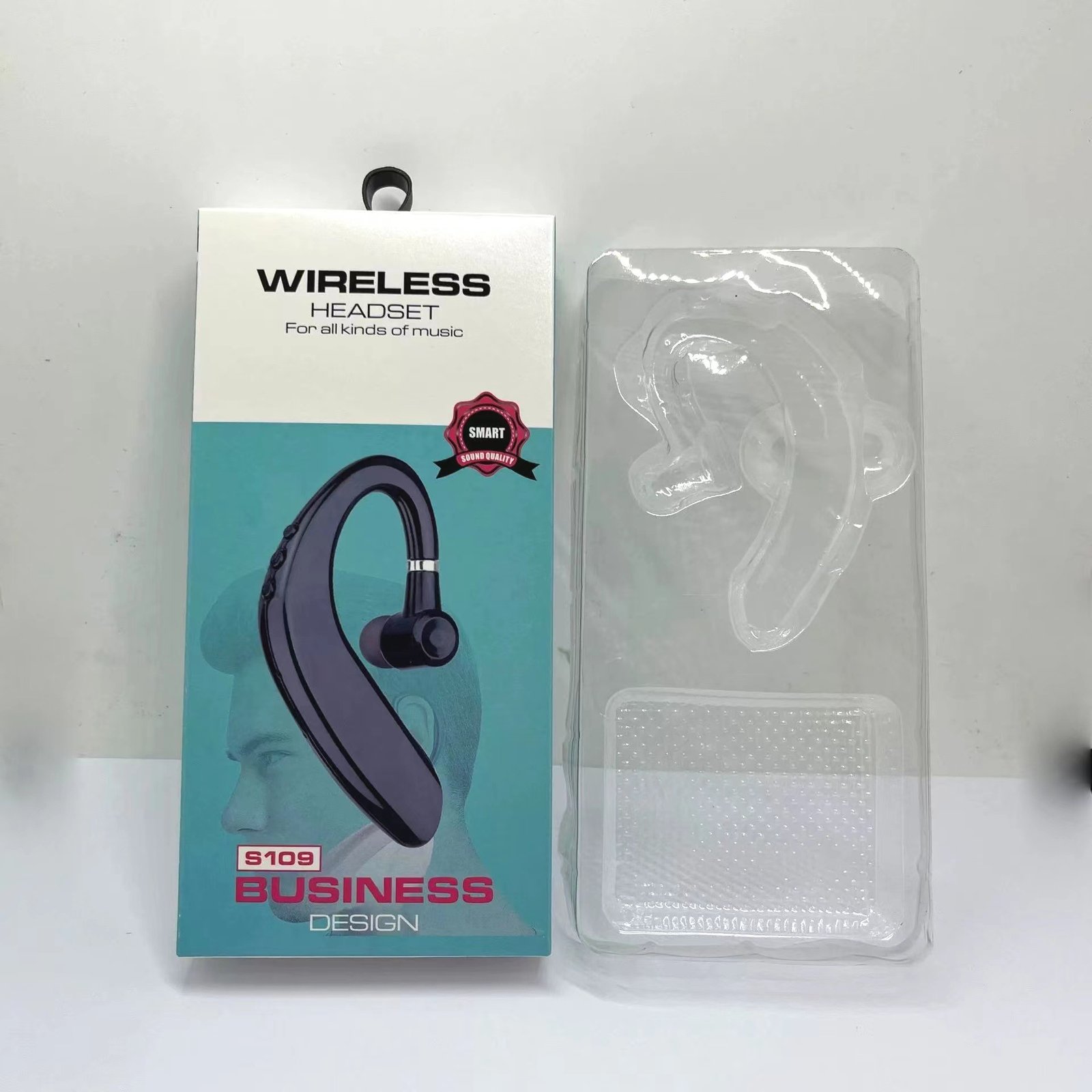
| Primary packaging | The first layer of packaging that is in direct contact with the product. It is typically what consumers interact with directly; it protects the product, preserves it, contains it, and carries essential info (branding, instructions, ingredients etc.). | A paper tube for lipstick; a rigid paperboard box containing chocolates; a folding carton around a bar of soap; inner sleeve box of a watch. |
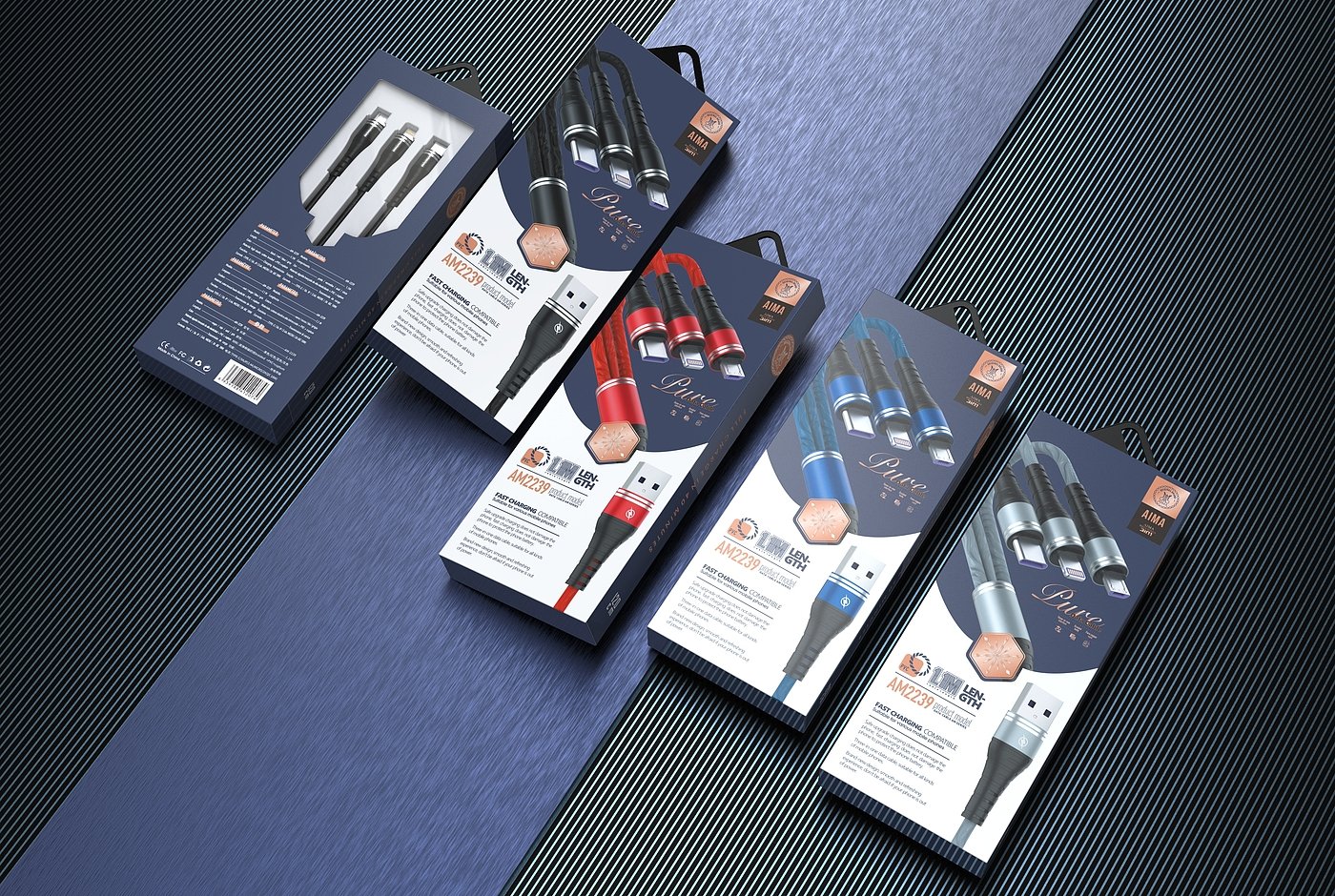
| Secondary packaging | An outer layer that groups or bundles one or more primary packages for easier handling, protection, display, or shelf readiness. It may enhance branding (e.g., display features), but also serves logistical & protective roles between primary and tertiary. | A folding carton or sleeve holding several smaller boxed units; a display tray; shrink wrap holding multiple paperboard boxes; a branded box that holds smaller boxes. |
| Tertiary packaging | Bulk or transit packaging. Its main purpose is protection during storage and transportation across supply chain: from manufacturer to warehouse, to retailer or to the end customer in e-commerce. Visibility or aesthetics are less important, durability and cost-efficiency more so. | Master cartons; shipping boxes; pallets with stacked cases; crates; stretch wrap; cushioning inserts; large corrugated boxes. |
Key points:
Each level serves distinct but overlapping roles: protection, containment, identity, logistics.
Sometimes levels overlap: a packaging component may fulfill more than one level depending on context. For example, the same box might serve as primary and secondary if shipped directly in it, or secondary & tertiary. The design, materials, dimension, printing, durability, regulatory needs differ per level.

2. Key Functions and Differences Among Levels
To choose the right packaging levels, you need to weigh what is required from each. Here are the main functions / criteria for each level:
| İşlev | Primary Packaging Role | Secondary Packaging Role | Tertiary Packaging Role |
|---|---|---|---|
| Protection / preservation | Protects product from moisture, oxygen, light, physical damage; keeps freshness etc. | Protects primary units from damage during handling, grouping, storage; helps with shelf stacking etc. | Protects from drop, vibration, pressure, compression, heat/cold during transport and bulk shipping. |
| Containment / unitization | Holds the product (e.g. solids, liquids, fragile items) in usable unit. | Groups multiple primary units into a coherent unit for display, handling, resale. | Groups secondary units into bulk loads; ensures they can be stored/shipped efficiently. |
| Branding / Marketing / Consumer Interface | High importance: graphics, materials, finishing, feel; all visible to consumer. | Moderate to high: for shelf/presentation/display; helps marketing; often the first packaging retailer or consumer sees. | Low (usually not seen by consumer), but some tertiary packaging may include brand info (e.g. “fragile”, “handle with care”, bar-codes). |
| Cost and Materials | Materials are often higher quality; printing, coatings, specialty finishes. | Less premium than primary usually, though design still matters; materials must be compatible with load, stacking. | Focus on durability, strength, cost efficiency; materials often corrugated or kraft; minimal finishing. |
| Sustainability & Regulatory Compliance | Must comply with food contact / safety regulations if applicable; considerations of recyclability, eco materials, minimal waste. | Considerations over waste generation, display waste; easier to use recycled / sustainable board. | Important for weight, volume, pallet optimization; sometimes regulated (transport codes, packaging waste laws). |

3. How to Decide What paper boxes packaging Level(s) Your Product Needs
Not every product needs all three levels, and over-packaging can hurt cost, environmental footprint, and consumer perception. So how to decide what paper boxes packaging strategy is appropriate?
Here are a series of questions / decision criteria:
Product fragility, sensitivity, perishability
If the product is delicate (glass, ceramics, electronics) or perishable (food, cosmetics), the primary packaging must be strong, possibly with barrier properties; secondary/tertiary packaging will need cushioning, strong board, proper closures.
If the product is less sensitive (non-fragile, solid, dry goods), simpler primary / secondary packaging may suffice.
Distribution and transportation conditions
If the product travels long distances, via rough handling, multiple transfers, weather exposure, then more robust secondary/tertiary protection is needed.
For local or short supply chains, some packaging levels may be simplified.
Retail or direct-to-consumer channel
Retail shelf presence requires both primary and secondary packaging to be attractive, consistent with branding; dimensions must align with shelf space; display-ready secondary packaging can save retail labor.
For DTC (e-commerce), unboxing experience is almost as important; secondary packaging might double as gift or unboxing experience; tertiary must protect in transit.
Storage / warehousing constraints
How many units will be stored, how stacked, environmental conditions (humidity, temperature), handling protocols. Packaging must allow efficient palletization, stacking, avoid damage.
Cost constraints
Material cost, printing, finishing, transport weight/volume, wasted space — all affect total cost. The goal is to find the “sweet spot” where you provide enough protection and branding at reasonable cost.
Regulatory or safety requirements
Food, pharmaceuticals, cosmetics often have legal requirements for primary packaging (material safety, labelling).
Transportation regulations may require markings, packaging strength, hazard communication, etc.
Brand positioning and customer expectations
Premium brands may demand higher aesthetic / tactile qualities at primary & secondary levels.
Eco-friendly brands may want minimal, recycled paper, biodegradable coatings, simpler packaging levels.
Unboxing experience, gift packaging, secondary packaging features matter more when brand identity depends on delight.
Sustainability goals
If brand goals include reducing packaging waste, carbon footprint, or simplifying recycling, then select materials and designs that reduce or eliminate unnecessary secondary/tertiary layers, minimize board grade, avoid non-recyclable coatings.
Consider whether combining levels (e.g., packaging that serves both secondary & tertiary) is possible without compromising safety.
Scalability & supply chain alignment
Ensure that production volumes, supplier capability, material supply, and shipping partners can handle the designs & materials chosen.
Consider standard sizes to optimize shipping and palletization, reducing waste and cost.
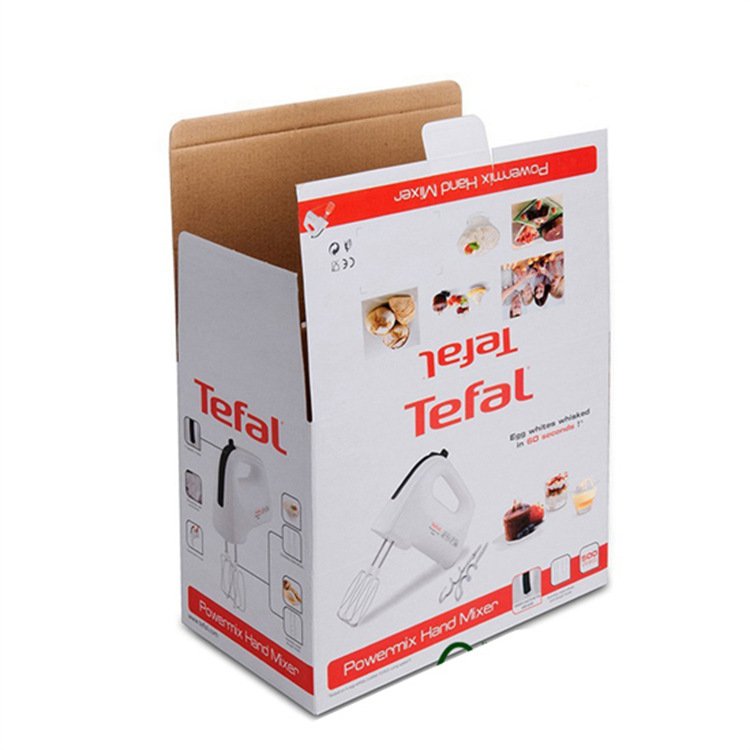
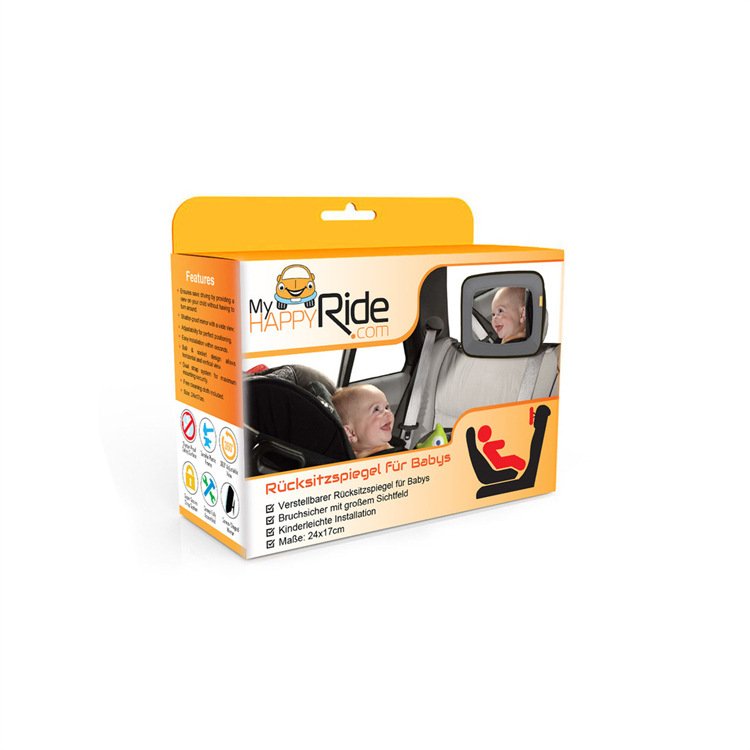
4. Design Considerations for Paper Box Packaging at Each Level
Once you decide which levels are needed, design decisions follow. As a paper boxes specialist, BM can guide clients on the following:
Primary-Level Paper Box Design
Material choice: Paperboard grade (SBS, kraft, recycled board), thickness, rigidity. If food contact, use food-safe board or liners.
Barrier & preservation: Coatings or laminations (if applicable), moisture resistance, light protection.
Printing & finishing: Branding design, color, embossing / debossing, foil stamping, soft touch, gloss/matte finish; ensure quality and color consistency.
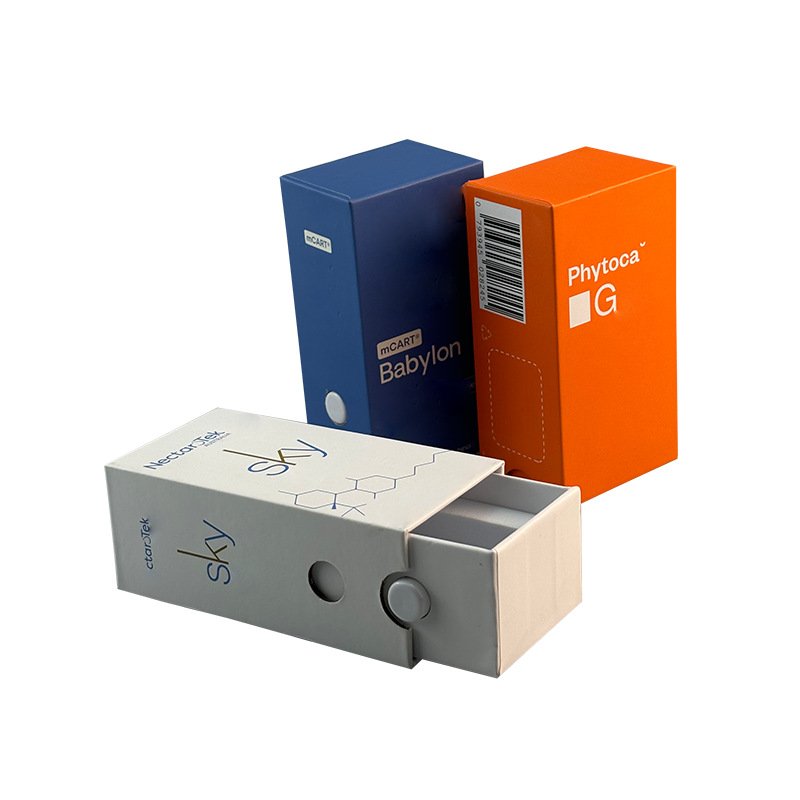
Structural design: How the box opens, handles, inner supports, inserts; ease-of-use for consumer; how it holds and protects the product.
Regulatory labeling: Ingredient lists, safety warnings, usage / expiration, barcodes or QR codes; ensure legal compliance.
Secondary-Level Paper Box Design
Grouping & display: Create multipacks, display trays, shelf-ready packaging; sometimes secondary packaging doubles as point-of-sale display.
Protection of primary units: Ensuring that inside primary units are held securely; using dividers or inserts; minimizing movement.
Stacking & handling: Strength of box, flaps, closures; ability to stack on shelves and during transit; structural integrity.
Branding & aesthetic features: Though less seen than primary, secondary packaging still contributes to brand recognition (logos, graphics, color scheme).
Fit to tertiary packaging: Secondary boxes should be sized so many can fit into tertiary shipping boxes / pallets without wasted space or re-packing.
Tertiary-Level Packaging Design
Choice of corrugated board / kraft / recycled paper / heavy duty paper: It must survive handling & transport.
Strength & protection: Boards with the right flute (e.g. B-flute, C-flute, double wall) for load / drop; inclusion of cushioning, filler, edge protection.
Dimension & pallet optimization: Maximize number of secondary units per case; optimize for pallets / shipping containers; avoid overhangs.
Labelling & handling instructions: Fragile, orientation arrows, barcode placement; ensure carriers can process efficiently.
Cost efficiency: Tertiary packaging can add weight, volume; shipping cost is affected; choose designs and materials with minimal waste.
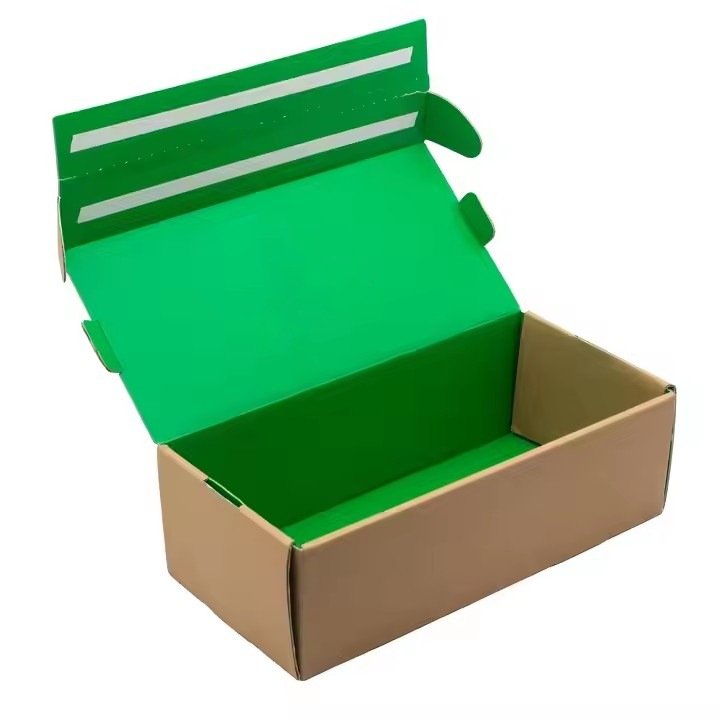
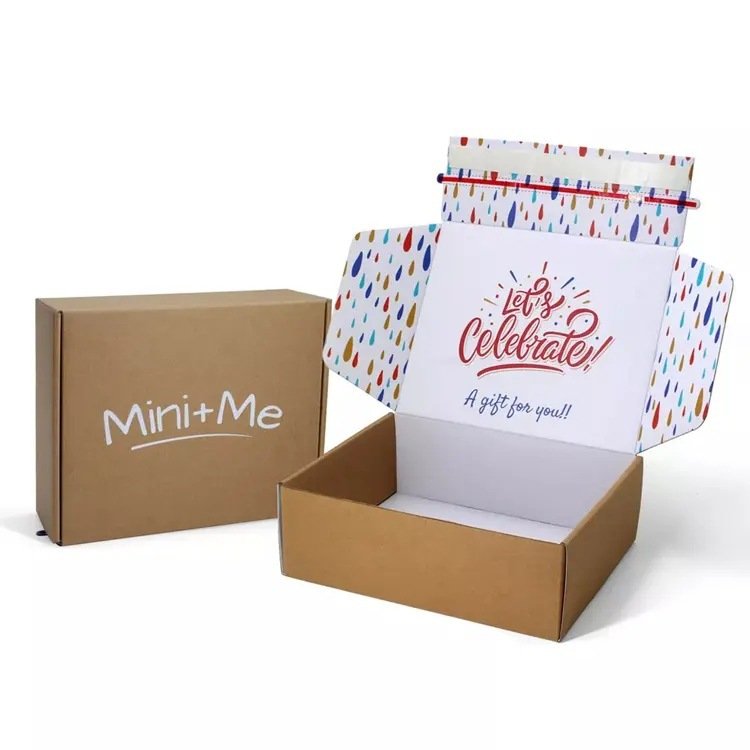
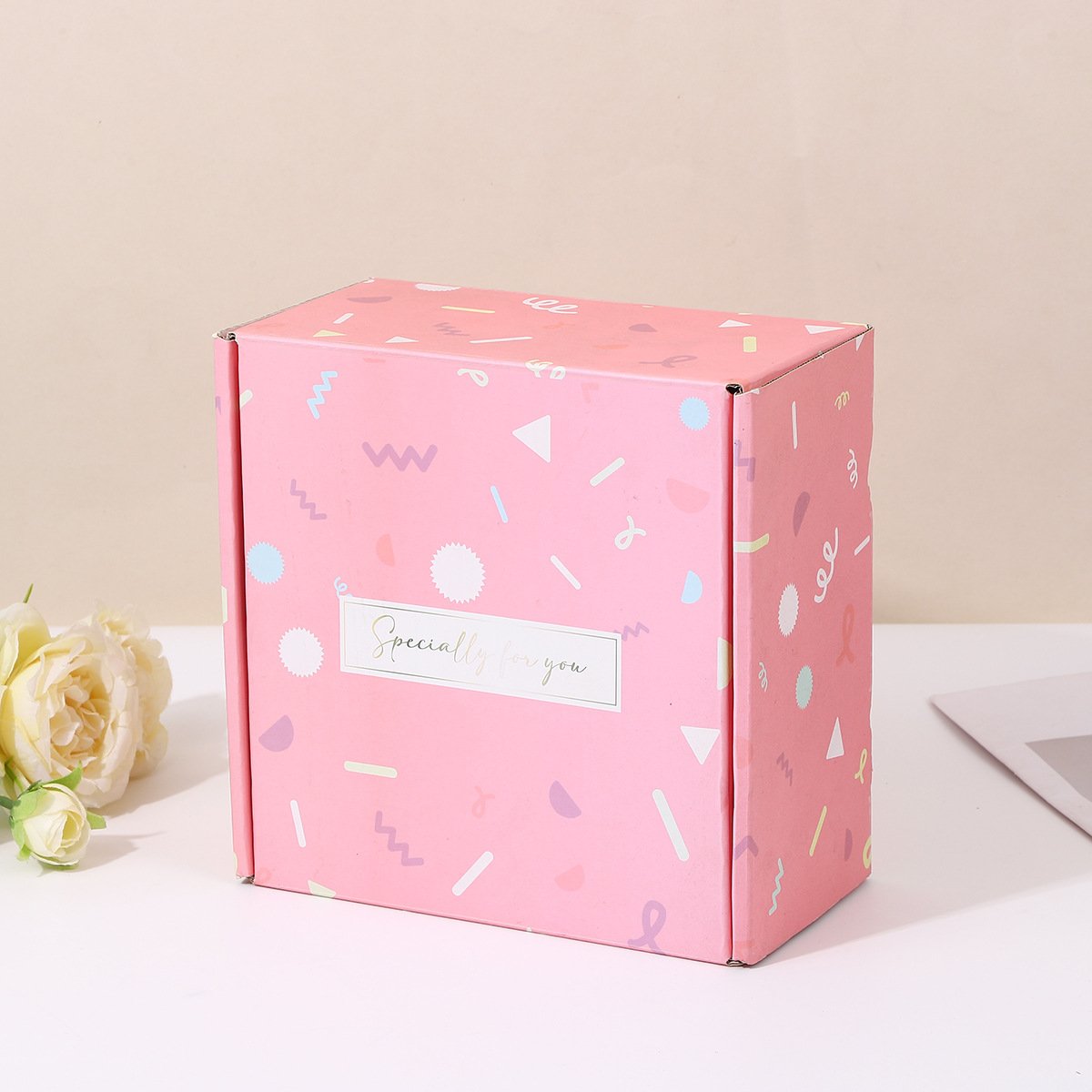
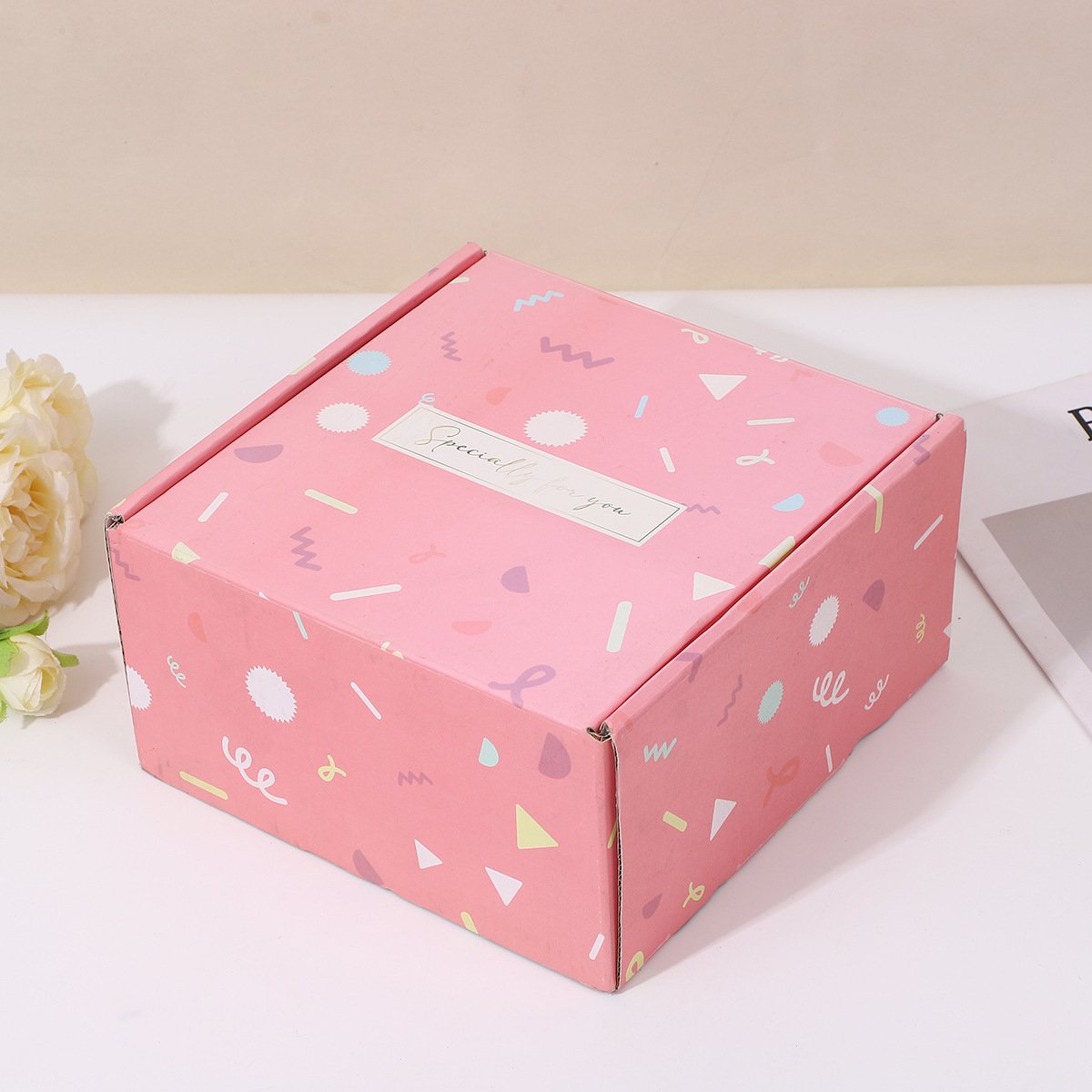
5. Trade-offs, Costs, and Sustainability Considerations
No packaging strategy is free; every level you add or reinforce increases costs, weight, material use. Conversely, under-packaging risks damage, returns, lost brand goodwill. Here are the major trade-offs and how to balance them:
Cost vs Protection
Cost increases with more layers, higher quality materials, more finishing.
Damage = cost too (returns, replacements, customer dissatisfaction). Sometimes a little extra in packaging saves much more downstream.
Do cost modeling: estimate losses from damage vs cost of better packaging.
Material & Waste vs Environmental Impact
More layers often mean more waste; non-recyclable coatings, mixed materials complicate recycling.
But very lightweight or minimal primary packaging might shift damage risk to secondary / tertiary, which could result in more waste and cost. Known as “burden-shifting.”
Choosing recyclable paper, mono-materials, avoiding unnecessary lamination or coating helps.
Logistics / Shipping Cost vs Efficiency
Packaging dimensions and weight directly affect shipping cost, storage cost. Heavier or bulky boxes cost more to ship.
Optimizing for pallet load, case count, avoiding wasted empty space helps reduce transport and warehousing cost.
Branding / Consumer Experience vs Cost
High end finishes (foil, embossing, special coatings) enhance perceived value, unboxing experience, photos / social media. These can drive price premium or brand loyalty.
But such finishes increase cost, time, often MOQ, and may require longer lead times.
Regulatory & Safety vs Design Flexibility
Some industries impose strict material or labeling requirements which constrain options.
Food contact safety, moisture barriers, child resistance, NOTIFY markings, etc., may limit design choices.

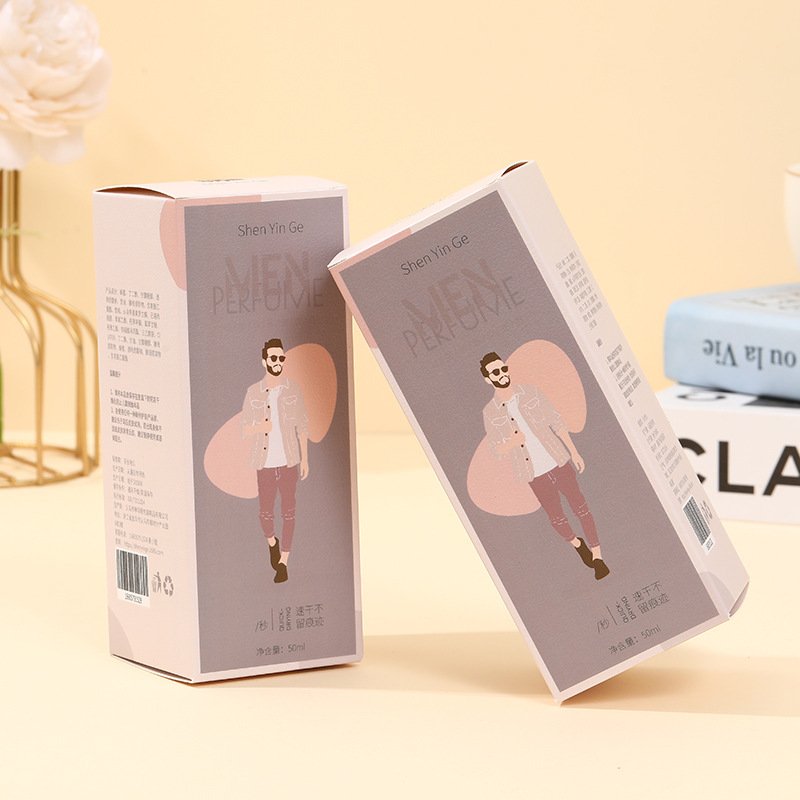
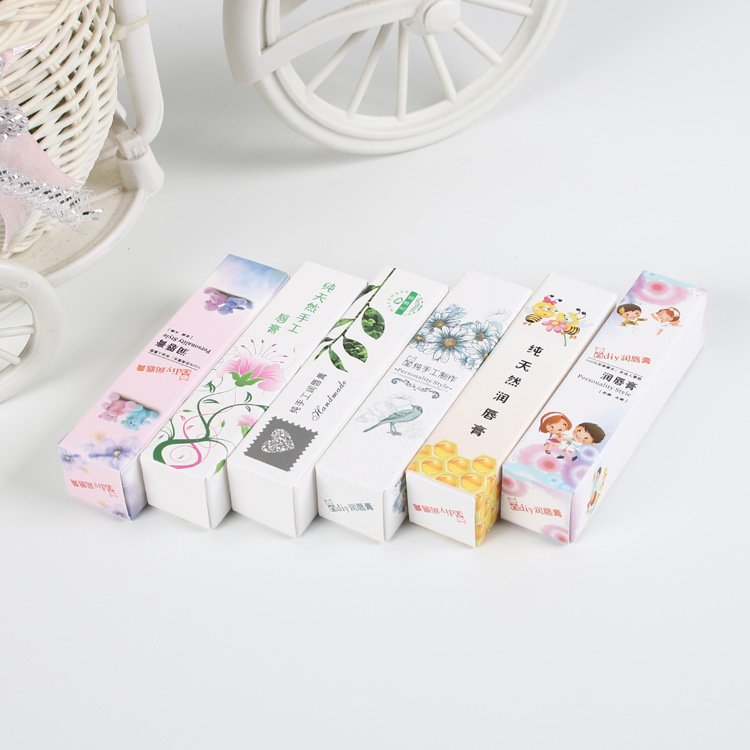
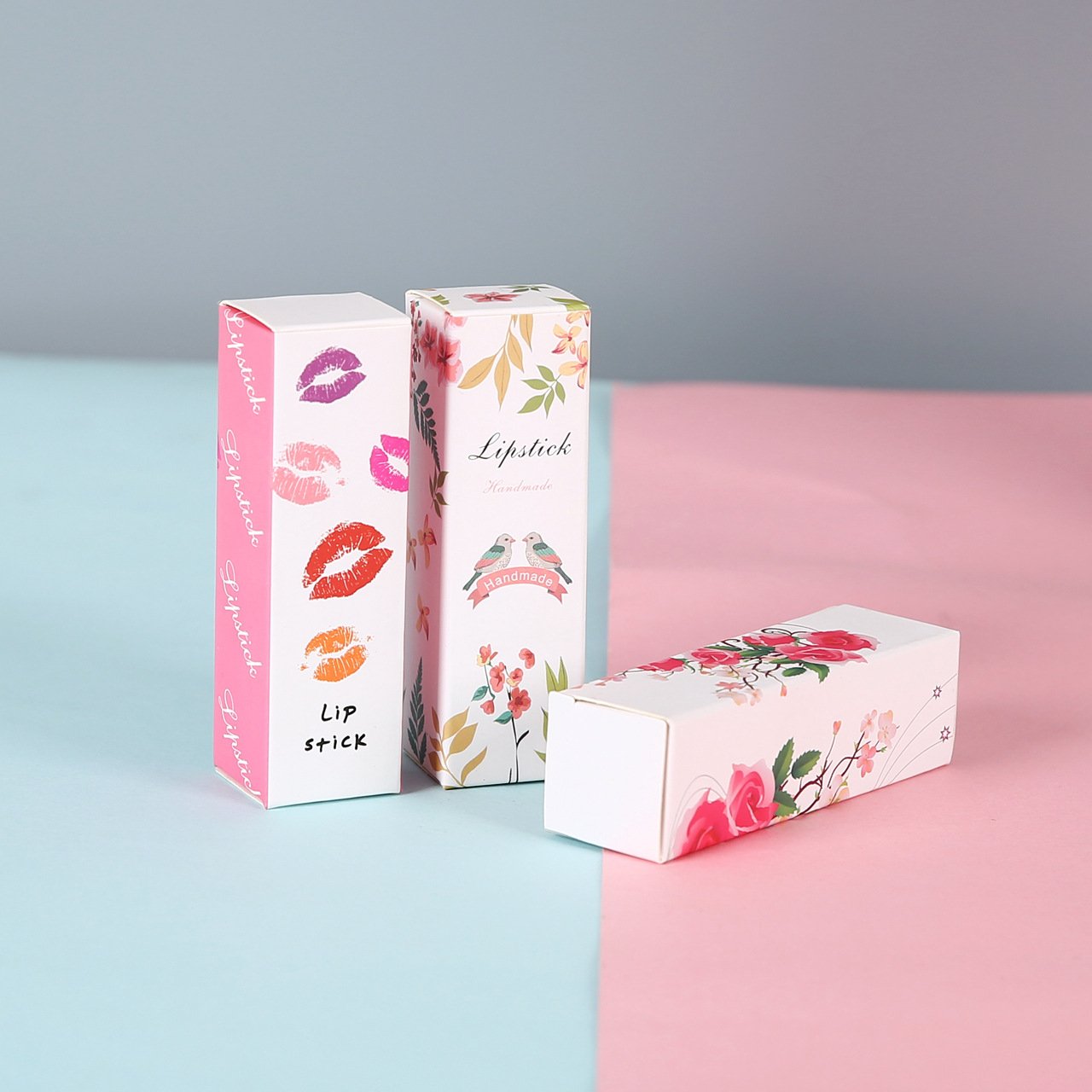
6. Case Examples: How Different Products Use Levels of Packaging
Here are illustrative examples of how different products may use varying combinations of packaging levels, and how design choices are made in practice.
Example 1: Luxury Cosmetics
Primary: A rigid paperboard box, beautifully printed, with magnetic closure; inner tray or insert; perhaps a protective sleeve; luxurious finishing (foil, soft-touch).
Secondary: A display carton for retailers or a branded multipack for gifting; perhaps an outer sleeve; shrink wrap minimal.
Tertiary: Strong corrugated master cartons; padding inside; design for shipping via air/freight; labels and handling instructions.
Luxury brands often emphasize primary design and unboxing. They accept higher cost for high perceived value.
Example 2: Food / FMCG Dry Goods (e.g., cereal, cookies)
Primary: A folding carton with inner liner or bag; printed branding, nutritional info, window cutouts if desired.
Secondary: Multipack cartons; trays; shrink wrap around multiple units; perhaps bundles for promotions.
Tertiary: Master corrugated cases holding many secondary packs; stacked on pallets; protective material for shipping.
Here speed, protection from moisture/crumbs, shelf presence are important; cost sensitivity higher.
Example 3: E-commerce Direct-to-Consumer Small Goods (e.g., small gifts, accessories)
Primary: Quality paper box that is attractive for unboxing; materials & finishing matter; snap-fits or ribbon closure.
Secondary: Sometimes the branded primary box doubles as secondary if shipped directly; else uses a mailer or sleeve around primary.
Tertiary: Outer shipping box or corrugated mailer; cushioning; shrink wrap or void fill; designed to survive shipping.
Because the customer sees all layers (especially in unboxing), even tertiary packaging contributes to perception; damage risk from transit is high, so protection matters.

7. Practical Steps / Decision Framework
Here is a framework or checklist to help you select appropriate packaging levels for a new product:
Define product profile
Fragility, size, weight, shape
Perishability, sensitivity to light, moisture, etc.
Define distribution path & distance
Local, regional, international
Modes of transport (truck / sea / air)
Number of handling steps (manufacturing → warehouse → retailer → consumer)
Define retail channel vs e-commerce
Shelf space constraints, store display specs
Unboxing expectations, direct shipping demands
Set brand / marketing imperatives
What impression must packaging give? Premium / minimal / eco / youthful etc.
What finishes or features are “musts”?
Estimate cost limits + material constraints
Material cost, finishing cost, printing, die-cutting, inserts
Lead time; minimum order quantities
Check regulatory or compliance needs
Food contact, labels, safety warnings
Transportation rules
Do mock-ups / prototypes
Test drop/shock, moisture, stacking
See how packaging looks on shelf or in unboxing
Review sustainability metrics
Recyclability, carbon footprint, potential for reuse
Waste reduction opportunities (e.g. less secondary/tertiary layers)
Iterate with feedback
From retailers; from consumers; from shipping carriers

8.as Manufacturer: How we Add Value
As a paper boxes manufacturer with many years of custom packaging experience, we are in a strong position to guide brands in selecting levels. Here’s how we can deliver value:
Consultation & education: Help clients understand primary / secondary / tertiary levels; their trade-offs; show examples.
Material sourcing & innovation: Offer different board grades, eco materials, coatings; be able to compare cost vs performance.
Prototyping & testing: Provide mockups / prototypes; test protection (drop, vibration, compression); ensure designs survive real-world transit.
Design for logistics: Help optimize secondary / tertiary packaging for palletization, shipping volume, stacking strength.
Sustainability advice: Help clients reduce waste, select recyclable or compostable materials, minimize unnecessary layers.
Cost engineering: Help clients find “sweet spots” of cost vs performance; offer modular or scalable designs; perhaps allow optional premium vs standard versions.
9. Common Mistakes and Pitfalls to Avoid
Knowing what can go wrong is as helpful as knowing best practices.
Under-estimating transport stress: Many product damages occur in tertiary transport; if tertiary packaging is under-designed, the product and even secondary packaging may suffer.
Over-packaging: Unnecessary layers or materials increase cost, waste, shipping weight, and may frustrate consumers.
Misaligned branding finish: High cost finishes on secondary or tertiary packaging where they are never seen may be wasted.
Poor matching between levels: If primary boxes are too big or irregular, secondary / tertiary boxes leave too much empty space, leading to movement, damage, or extra cost.
Ignoring regulatory or safety requirements early: Late additions of compliance info or safety features lead to redesigns or delays.
Neglecting the unboxing experience in e-commerce: The outer packaging (secondary, tertiary) often creates consumers’ first physical impression in online sales.

10. Summary & Strategic Recommendations
Putting it all together, here are strategic recommendations we can use for clients or in our own product development:
Always start by mapping the distribution path and consumer channel — this greatly influences how robust each level must be.
Use primary packaging to express brand, protect product, and satisfy regulatory/labelling requirements.
Use secondary packaging for display, grouping, shelf-readiness, and to reduce handling labour in retail. When possible, design secondary packaging as retail display itself.
Use tertiary packaging to protect during transport, optimize cost of shipping, and ensure volume / palletization efficiency.
Optimize for sustainability: choose recycled/recyclable materials; minimize non-recyclable coatings; avoid overuse of layers; consider whether you can combine functionalities of multiple levels.
Prototype early, test with real conditions, get feedback from logistics, retailers, and end consumers.
As manufacturer, offer a portfolio of solutions (standard, premium, eco), so clients can select according to budget / market segment.
Choosing the right levels of paper box packaging for products
Choosing the right levels of paper boxes packaging for products is not trivial. It influences protection, cost, brand image, sustainability, and customer satisfaction. For paper boxes, BM has strength in material flexibility, print/finish aesthetics, and structural design. Use our expertise not just to manufacture boxes, but to guide brands in selecting which packaging levels are essential, how to optimize each level, and how to balance cost, environmental impact, and brand value.
If done well, packaging becomes a competitive advantage — from the beautiful feel of the primary box, to the shelf-presence of the secondary, to the sure protection of the tertiary. As we work with new clients and new markets, using this packaging levels framework will help ensure both product integrity and brand delight, while keeping costs and impacts under control.
BM Kağıt Kutu Üreticisi Hakkında
On yıllık sektör tecrübesine sahip profesyonel bir kağıt ambalaj kutusu özelleştirme fabrikasıyız. Tüketici elektroniği, tıbbi ekipman sarf malzemeleri, kozmetik ve diğer alanları kapsayan yüksek kaliteli özelleştirilmiş ambalaj çözümleri sunmaya odaklanıyoruz; ustaca tasarım ve mükemmel teknolojiyle müşterilerimizin ürünlerine sonsuz bir çekicilik katıyoruz.
Profesyonel bir kağıt ambalaj kutusu özelleştirme fabrikası olarak, hizmet yelpazemiz geniş olup tüketici elektroniği, tıbbi ekipman sarf malzemeleri, kozmetik ve diğer alanları kapsamaktadır. İster üst düzey tüketici elektroniğinin zarif hediye kutusu, ister tıbbi ekipmanın profesyonel ambalajı, isterse kozmetik ürünlerinin şık dış kutusu olsun, müşterilerin ihtiyaçlarına ve ürünün özelliklerine göre en uygun ambalaj çözümünü tasarlayabiliyoruz. Profesyonel gücümüz birçok marka müşterisi tarafından kabul görmüş ve onların güvenilir ortağı haline gelmiştir.
Neden BM Kağıt Kutu Fabrikasını Seçmelisiniz?
ÜST DÜZEY KALİTE: Çin'deki en iyi özel tasarım karton kutu üreticilerinden biri olarak, kalite kontrol ekibimiz aldığınız her ürünün en yüksek kalitede olmasını sağlayacaktır. Profesyonel kalite test makinelerimiz mevcuttur.
ÜRÜN TASARIMI: Numune alma departmanımız, çizimleri gerçeğe dönüştürme sürecinin tamamına sahiptir. Ayrıca, yıllar süren çalışma deneyimimize dayanarak ürün tasarımınızı geliştiriyoruz. Düşüncelerinizi bizimle paylaşın.
İSTİKRARLI TESLİMAT SÜRESİ: En iyi hediye kutusu üreticisi ve tedarikçisi olarak, yeterli üretim kapasitemiz sayesinde büyük siparişler bile bizi zorlamayacak, siparişinizi yine de zamanında teslim edebiliriz.
EN UYGUN FİYAT: Biz kağıt kutu üreticisi ve Çin'in en iyi üreticisiyiz, bu nedenle en iyi fiyata yüksek kaliteli çantalar sunabiliyoruz.
KESİN YÖNETİM: Kesin yönetimi uygulamadığımız takdirde hiçbir şey başarılamaz. Biz eksiksiz bir yönetim sistemine sahip bir şirketiz.
7/24 HİZMET: En iyi karton kutu üreticisi olarak, 7/24 anında yanıt: Daha iyi bir tedarikçi olmamız için geri bildirimlerinizi bekliyoruz. Bize ulaşın.(+86 18925520049)
BM Kağıt Kutusu Hakkında Sıkça Sorulan Sorular
Biz Çin'in önde gelen üreticilerinden biriyiz ve fabrikamız Dongguan'da bulunmaktadır. Fabrikamızı ziyaret etmenizi bekliyoruz!
• Özellikle hediye paketleme alanında uzmanlaşmış profesyonel bir kağıt ambalaj ürünü tedarikçisiyiz. Çok amaçlı kullanım için çeşitli kağıt kutular ve kağıt torbalar üretebiliyoruz.
• Tek elden hizmet sunuyoruz ve gereksinimlerinize göre özel tasarımları da kabul ediyoruz.
•Elbette, genellikle ücretsiz numuneler sağlıyoruz ve sadece kargo ücretini karşılamanız gerekiyor. Özel baskılı numuneler için lütfen numune maliyetini kontrol edebilmemiz için gereksinimlerinizi bize gönderin.
• Numune üretimi yaklaşık 7 gün sürer.
Evet, ücretsiz tasarım hizmetleri, yapısal tasarım ve basit grafik tasarım hizmetleri sunuyoruz.
Elbette. İstediğiniz ambalajı tasarımınıza göre üretebiliriz. Şu anda 100 ila 500 adet arasındaki küçük miktarlar için ODM ambalajlama hizmeti sunuyoruz, ancak yine de kendi logonuzu kullanabilirsiniz.
Sipariş miktarına ve üretim detaylarına bağlı olarak, yaklaşık 15 ila 20 gün sürecektir.
Seri üretimden önce mutlaka ön üretim numunesi alınır; sevkiyat öncesinde mutlaka son kontrol yapılır.
• Boyut, malzeme, baskı detayları, miktar, teslimat adresi vb.
• Ayrıca ihtiyaçlarınızı bize bildirmeniz de yeterli; biz de size ürünler önereceğiz.
• Deniz yoluyla, hava yoluyla veya ekspres kargo ile.
• Eğer Çin'de kendi nakliye firmanız varsa, fiyat fabrika çıkış fiyatı veya FOB fiyatıdır.
•CFR veya CIF vb., sizin adınıza sevkiyat yapmamızı istiyorsanız.
• DDP ve DDU da kullanılabilir.
• Daha fazla seçenek, tercihlerinizi değerlendireceğiz.
• Fiyat, miktar, malzeme, işleme yöntemi, boyut ve diğer faktörlere bağlı olarak belirlenir. Ayrıca, sürekli gelişimimiz nedeniyle...
Teknolojik yenilikler sayesinde bazı ürünlerimizin fiyatları son derece rekabetçidir, fiyat teklifi almak için lütfen bizimle iletişime geçin.