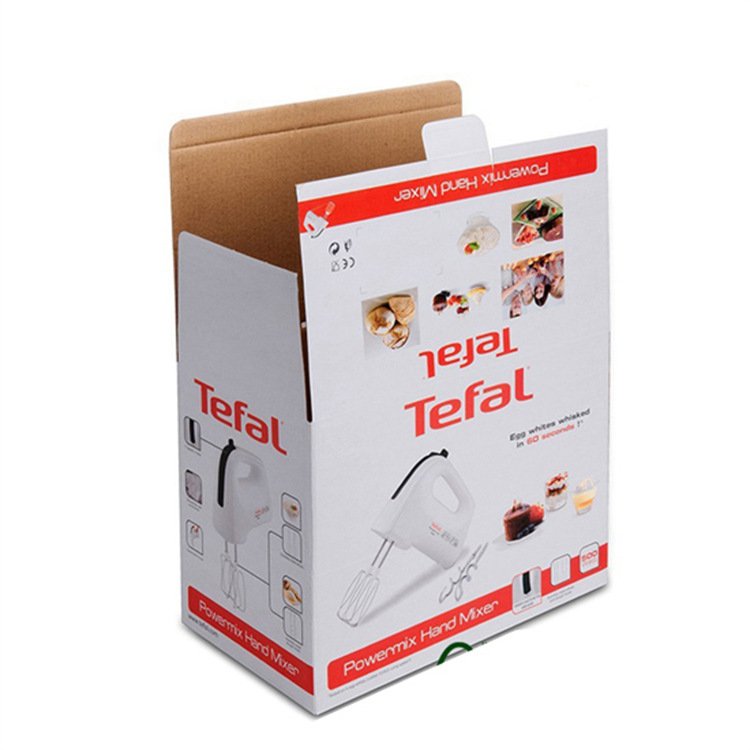
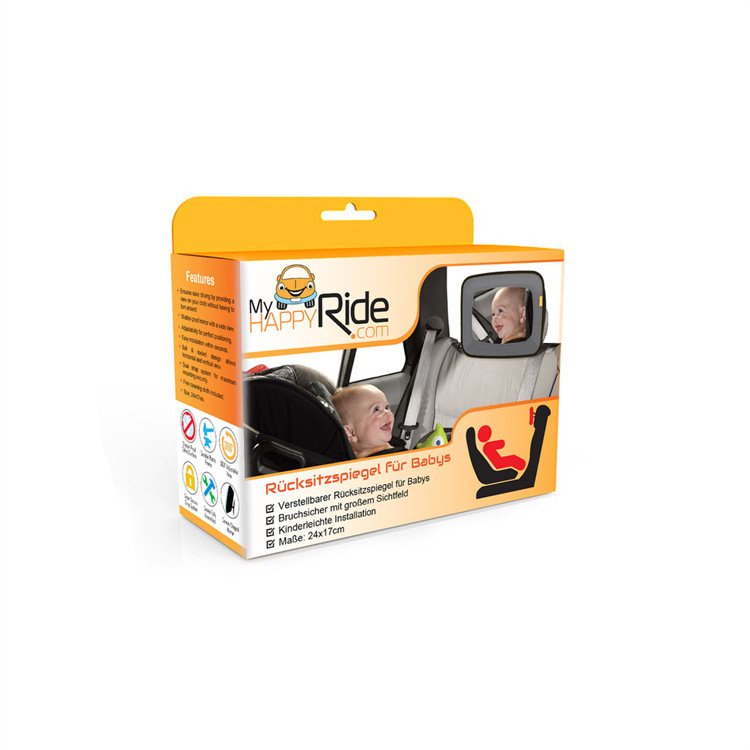
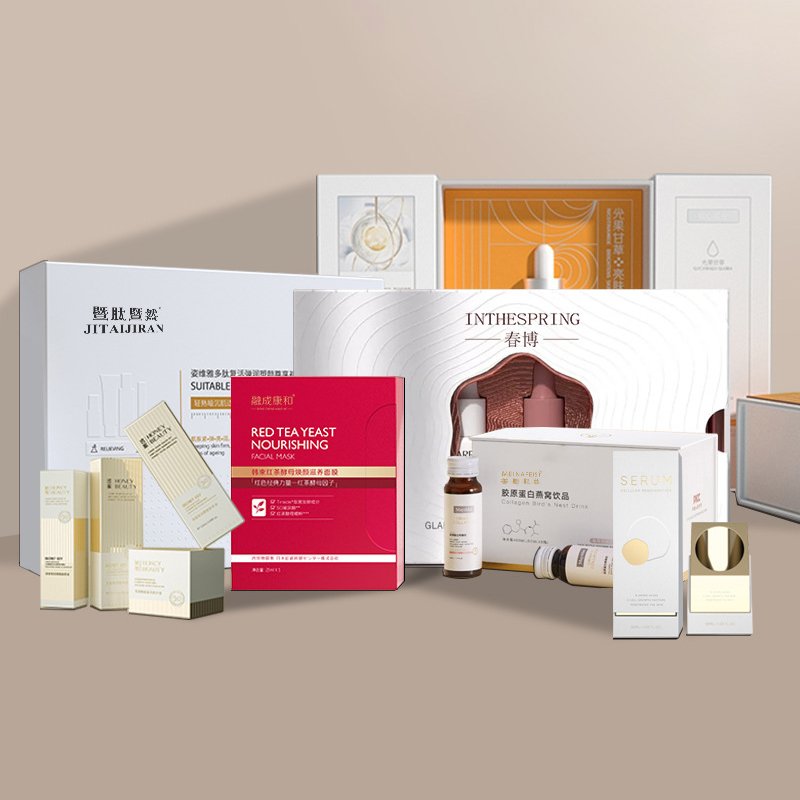
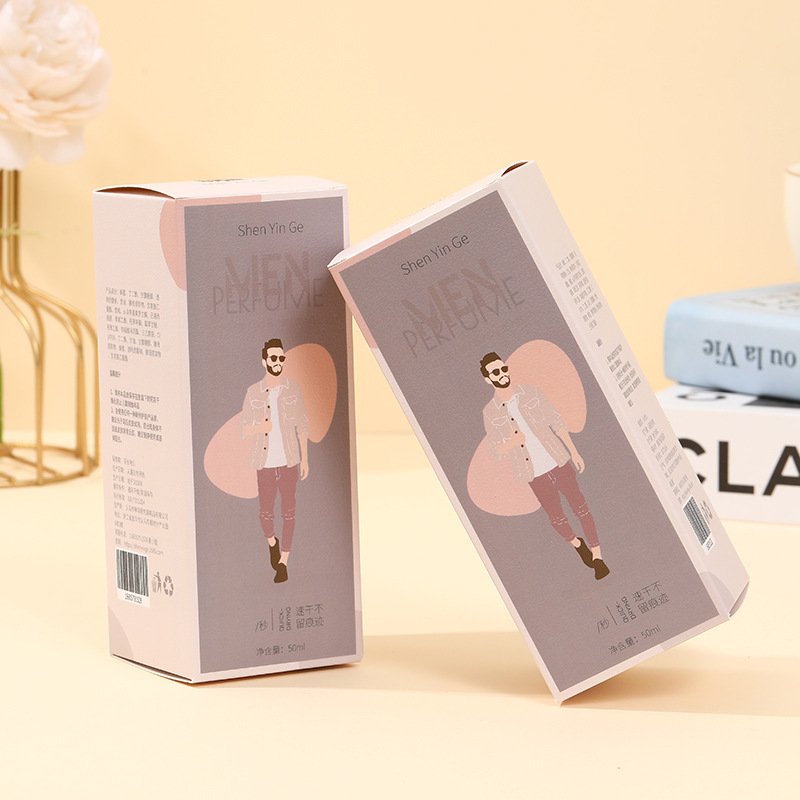
In the world of packaging, the old adage applies: you can’t cut cost by cutting quality. But you can reduce costs while still delivering high-quality custom packaging boxes—if you apply the right strategies. As a paper box manufacturer with many years of experience helping brands design and produce custom packaging solutions, we’ve seen what works (and what doesn’t). This blog will walk through actionable, practical methods your brand can adopt to maintain quality standards while lowering packaging box cost.
1. Why cost reduction matters—without cheapening your brand
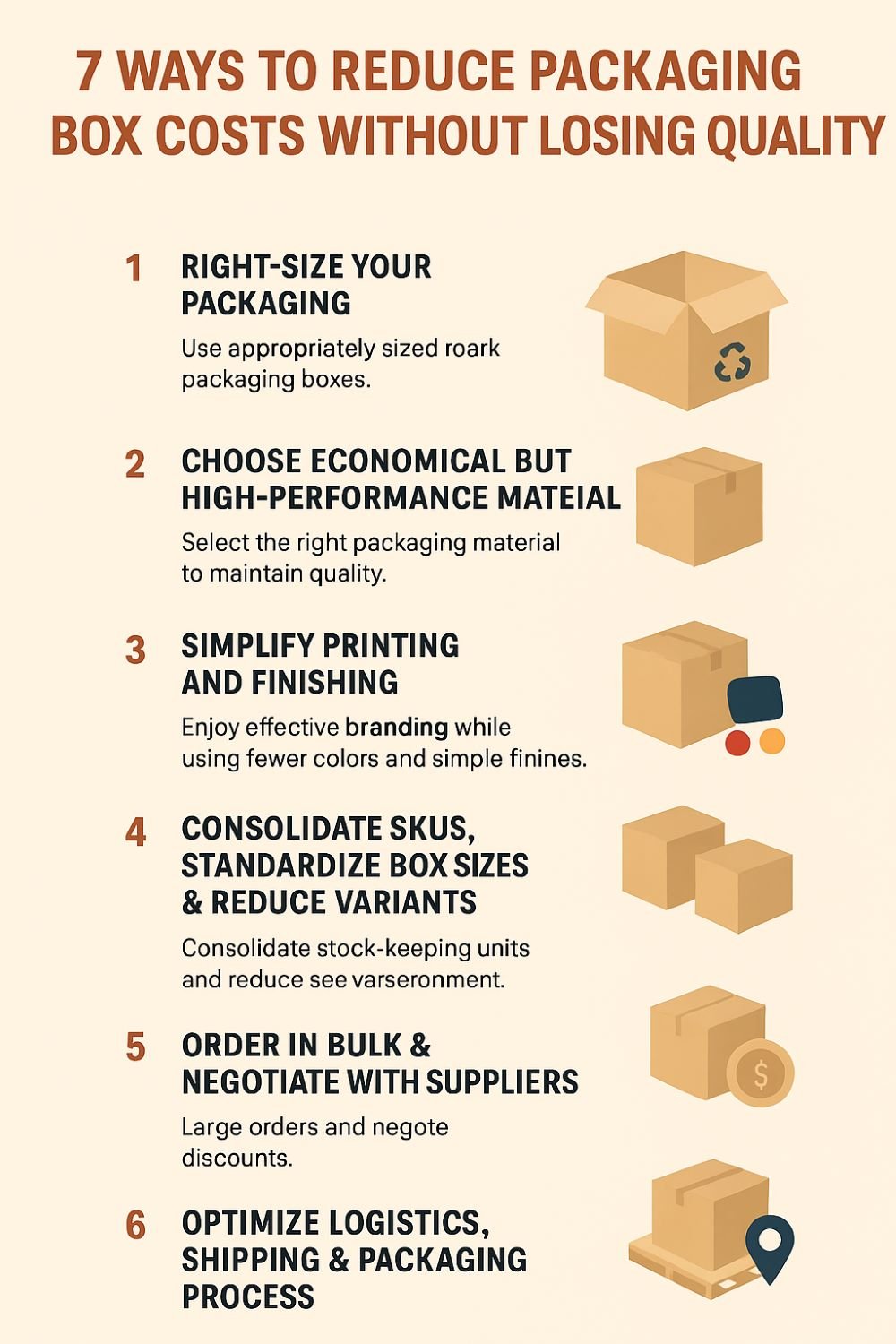
Packaging boxes play multiple roles: protection, branding, presentation, customer experience. If you cheapen the packaging box too much, you risk hurting the brand perception, increasing damage/failures, or losing consumer trust. On the other hand, many brands overspend on packaging because they haven’t optimized. According to recent guidance, right-sizing, simplifying prints, and bulk ordering are viable ways to reduce cost without dropping quality.
So the goal is: keep quality and appearance (and structural integrity) high, but cut waste, excess materials, inefficient processes, over-engineering or unnecessary features.
2. Right-size your packaging: fit the box to the product
One of the fastest ways to reduce cost is ensuring your packaging box is proportional to your product—not oversized. Oversized boxes use more board material, need more filler, weigh more (shipping cost increases) and often look under-finished (product looks small inside big box). Several sources emphasise this.
What to do:
Audit your current SKUs: measure internal void space, how much extra room exists in the box.
Reduce internal extra space, adjust board cut sizes.
Use insert cushions or partitions to fit smaller items into tighter boxes rather than defaulting to a large box.
Consider consolidating multiple product lines into standardized box sizes to reduce tooling and board variation.
Benefits:
Less material cost (board, adhesive, glue flaps)
Lower shipping / freight cost because dimensional weight is less
Paper Boxes Factory Wholesale High-end Paper Packaging Boxes
Rated 0 out of 5
3. Choose economical but high-performance materials
Material cost is a major driver of packaging box expense. But that doesn’t mean you have to go for the cheapest board and compromise structural quality. It means select the right grade. Insights from industry sources say: use lighter board if appropriate, avoid over-engineering, use recyclable materials that also cost less.
Practical steps:
Evaluate your product weight and risk: maybe you currently use a heavy rigid board when a solid paperboard would suffice.
Use recycled or eco-board options: these sometimes cost less and offer sufficient performance.
Use one wall vs. double wall corrugated where shipping conditions allow.
Skip unnecessary coatings or laminates if they add board weight or cost.
Where the box surface doesn’t face heavy abrasion or heavy loads, you can use lighter board with smart design for strength.
Why this keeps quality:
By ensuring the board still meets strength, durability and appearance requirements, you maintain protection and perception while reducing material cost.
4. Simplify printing and finishing—keep visual impact, reduce cost
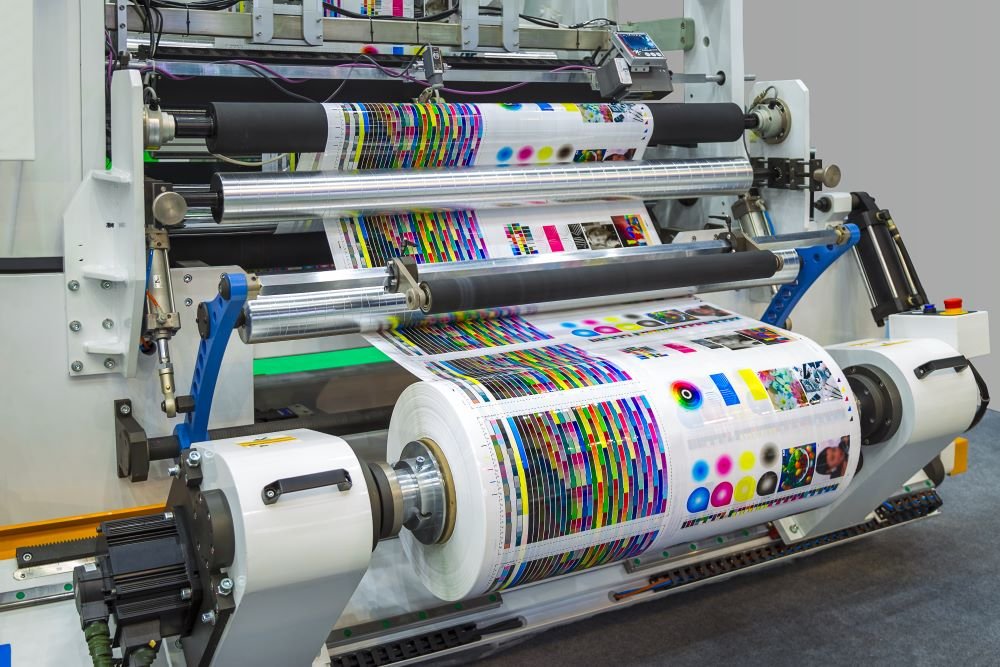
Heavy printing, many colors, full-coverage coatings, complex finishes (foil stamping, embossing, multi-layer varnish) all add cost. But you don’t need all of these to make a premium impact. Several sources highlight that using simpler prints or fewer colors maintains quality while trimming cost.
Tips for printing & finishing:
Use spot colors (1-2 colors) rather than full CMYK where possible.
Limit printing to essential faces or panels rather than full exterior coverage.
Use clean, strong designs rather than busy patterns that require heavy ink.
Evaluate finishes: maybe skip full foil/embossing on all SKUs and reserve them for premium lines; for standard lines you can use matte lamination or simple varnish.
Use digital printing for smaller runs (reduces setup/plate cost) and offset for larger runs.
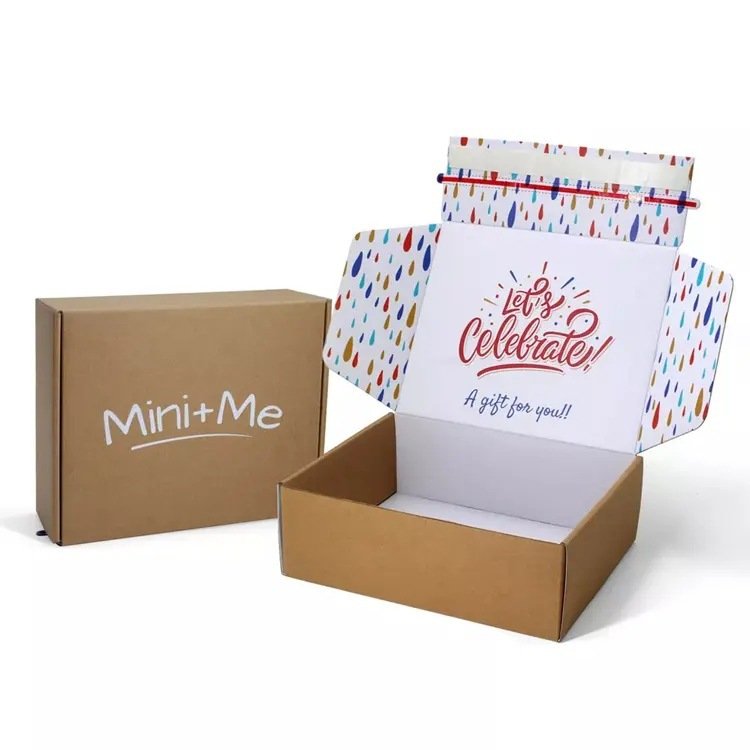
Print inside the box (hidden surface) instead of outside where less visible—this can be a luxury touch without extra cost.
Result:
You retain brand visuals and perceived quality (good printing, strong graphics) but reduce cost from ink, plates, finishing steps, rejects.
One hidden cost driver is a large number of box variants (sizes, styles) and small batch runs. Each variant introduces unique tooling, board size, die cut, printing setup. According to industry sources, consolidating SKUs is a major cost reducer.
Approach:
Review your product portfolio and packaging variants.
Identify where multiple sizes exist but the product could fit a standardized dimension with insert or partition.
Standardize on a few box sizes that cover 80 %+ of SKUs, and manage larger or smaller SKUs as exceptions.
Use common board grades, common printing templates across sizes.
Colorful Packaging Boxes For OEM Electronic Cardboard Boxes
Rated 0 out of 5
7. Optimize logistics, shipping & packaging process
Packaging cost isn’t just material and print—it includes shipping, handling, assembly, returns due to damage, waste from mis-ship. Reducing those indirect costs enhances cost efficiency without sacrificing box quality. Sources confirm that packaging process efficiency is key.
Strategies:
Optimize outer dimensions to reduce dimensional weight (D-weight) in shipping.
Design boxes that ship flat, fold at packing—reducing warehouse space and freight cost.
Use inserts/partitions only where needed, avoid bulky fillers.
Automate assembly or choose simpler structures that reduce labour cost (auto-bottom boxes, pre-glued cartons).
Track and monitor damage/rejection rates: A box that fails in transit costs far more than the extra board.
Choose manufacturers close to your production or shipping hubs to reduce freight from packaging supplier.
Outcome:
You keep the box quality (good board, good printing) but reduce handling, logistics, and labour cost.
8. Use smart protective inserts and avoid over-packaging
Sometimes packaging box cost rises because of over-engineering—excessive inserts, multiple boxes, redundant protection. While protection is critical, you can tailor inserts to actual need. This is emphasized in case studies of cost reduction.
Best practices:
For each product, evaluate the actual damage risk and choose minimal viable protection (e.g., molded pulp instead of foam, or paper cushion instead of large plastic mold).
Right-size inserts to the product rather than generic large insert.
Where possible combine structural and protective functions: e.g., use board partitions inside the box instead of separate foam.
Use recycled or lower-cost insert materials if they meet protection standards.
Quality remains:
Because the protective function remains—product arrives intact—your brand quality perception remains intact, while the cost associated with over-packaging goes down.
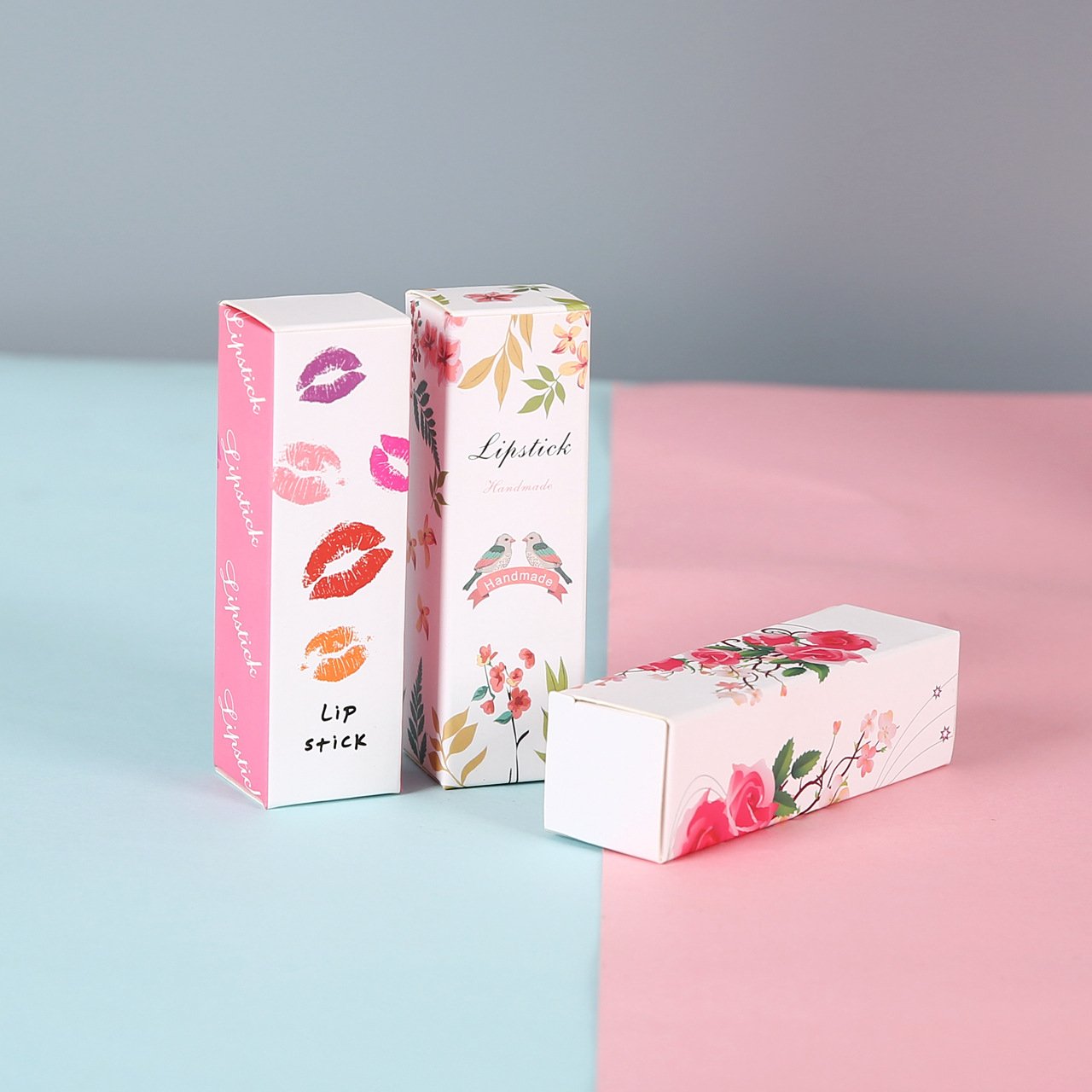
Packaging Boxes For Custom UV Colorful Lipsticks Paper Boxes
Rated 0 out of 5
9. Monitor metrics, measure waste and continuously improve
Cost reduction is not a one-time initiative; it requires data, measurement and continuous improvement. Several sources point that tracking packaging spend, waste, rejects, and variants helps unlock savings.
What to measure:
Cost per box unit (board + print + finishing + inserts + labour + shipping).
Inventory of box stock and variants (how many sizes, how many unused SKUs).
Rejection rate / damage rate of boxes (both manufacturing defects and transit failures).
Shipping cost per package (dimensional weight vs actual weight).
Supplier lead times, tooling reuse costs, setup downtime.
How to use data:
Identify top-cost SKUs and target them for redesign.
Find board grades or finishes that yield high cost but low incremental benefit and consider alternatives.
Review variant proliferation and retire under-performing box sizes.
Use data to negotiate with suppliers and justify bulk orders or standardization.
Quality is maintained because you identify weak points (e.g., boxes failing in transit) and fix them rather than blind cost cutting.
10. Case Example: Achieving cost savings while maintaining premium feel
Here’s a simplified example inspired by real-world cases:
A brand selling mid-luxury electronics had a custom rigid box with heavy board, full-color print interior and exterior, foil stamping, magnetic closure, oversized box with lots of padding. Cost per box was USD $4.20.
They applied these steps:
Reduced box size by ~10% (right-sizing)
Switched board to slightly lighter but still strong board (material optimization)
Reduced print to two colors, moved full-color to only top panel, interior minimal printing (simplified finishing)
Consolidated SKUs: launched new models into same box size with adjustable insert (SKU consolidation)
Increased order quantity to benefit from scale, negotiated better rate (bulk purchasing)
Reviewed insert design and replaced heavy foam with molded pulp cushion (insert optimization)
Result: cost per box reduced to USD $2.45 ( ~42% reduction ) while the finished box looked premium, had same structural integrity, and customer feedback on unboxing remained positive. The brand preserved its image, saved cost, and improved margin.
11. Implementation roadmap for your brand
Here’s a suggested roadmap to implement cost-efficient quality packaging:
Audit current packaging – gather full cost breakdown per SKU.
Never compromise on protection: Cost reduction should not mean product damage or returns. Always test strength.
Manage brand perception: Even with cost-efficient materials, design matters. Good box look + right fit + good finish = premium feel.
Partner with your manufacturer (like us): We can provide detailed options, samples, cost/benefit comparisons.
Think long-term: Investing in tooling, standardization, larger orders pays off over time.
Embed sustainability: Many cost-reducing practices (lighter board, fewer finishes, recycled materials) also support eco-goals—winning multiple fronts.
Avoid “cheapened” look: If you remove luxury finishes, compensate with good print, clean design, strong structural board—so it still feels premium.
Use cost-saving as design brief: When designing boxes, set cost-targets explicitly and work within those constraints—not design first then cost later.
how to Reduce packaging box cost
Reducing packaging boxcost doesn’t have to mean lowering quality. On the contrary, with smart design, material choice, process optimization, standardization and data-driven decision making, you can maintain (even enhance) quality while lowering cost. For brands selling with custom paper boxes, these strategies matter more than ever—because packaging is not just expense, it’s an investment in brand, protection, and experience.
As a manufacturer with extensive experience in custom paper box production and brand packaging solutions, we’re ready to help you map your cost-optimized yet high-quality packaging strategy—from structuring, materials, prints, through to logistics. Reach out to explore how we can apply these cost-savings without compromising your brand’s standard.
About BM Paper Box Manufacturer
We are a professional paper packaging box customization factory with ten years of industry experience. We focus on providing customers with high-quality customized packaging solutions, covering consumer electronics, medical equipment consumables, cosmetics and other fields, with ingenious design and exquisite technology, to add infinite charm to customers’ products.
As a professional paper packaging box customization factory, our service range is wide, covering consumer electronics, medical equipment consumables, cosmetics and other fields. Whether it is the exquisite gift box of high-end consumer electronics, the professional packaging of medical equipment, or the fashion outer box of cosmetics, we can tailor the most suitable packaging solution according to the needs of customers and the characteristics of the product. Our professional strength has been recognized by many brand customers and become their trusted partner.
Why Choose BM Paper Box Factroy
HIGH END QUALITY:As one of the best customized paper box manufacturer in china, our QC team will ensure every single product you receive are best quality. We have professional quality testing machine.
PRODUCT DESIGN:Our sampling department has complete process of making drawings into reality. We also improve your product design based on our years of working experience.Tell us what you think.
STABLE DELIVERY TIME:As the best gift box manufacturer & supplier,we have sufficient manufacturing capacity, big orders won’t beat us, we can still deliver the order for you in time.
BEST PRICE:We are source factory of paper boxes and the best manufacturer in China, that’s why we can provide high quality bags with best price.
PRECISE MANAGEMENT:Nothing can be achieved if we don’t implement precise management. We are a company with complete management system.
7-24 SERVICE:As the best paper box manufacturer, 24-7 immediate response: We’ll receive your feedback to make us a better supplier.contact us(+86 18925520049)
FAQs About BM Paper Box
Are you a manufacturer or a trader?
We are a Chinese top manufacturer and our factory is located in Dongguan. Welcome to visit our factory!
What is your product range?
• We are a professional paper packaging product provider, especially in the gift packaging field. We can produce kinds of paper boxes and paper bags for multi-purpose. • We provide one-stop services and accept custom designs as your requirements.
Can you provide samples?
•Of course, usually we will provide free samples, and you only need to cover the freight. For custom printed samples, pls send your requirements to us for checking the sample cost. • It takes about 7 days for sample production.
Can you provide a free design for my box?
Yes, we provide free design services, structural design and simple graphic design.
Can I have my custom logo , design or size?
Sure. We can do any packaging with your design. Now we open a ODM packaging which is for small quantity from 100pc to 500pc,but you can still have your own logo.
What's the delivery time?
Depending on the order quantity and production details, it will take about 15 to 20 days.
How can we guarantee quality?
Always a pre-production sample before mass production; Always final Inspection before shipment
What information should I provide for a quotation?
• Size, material, printing details, quantity, shipping destination, etc. • You can also just tell us your requirements and we will recommend products to you.
How to ship goods?
• By sea, by air or by express. • If you have your own freight forwarder in China, it is the ex-factory or FOB price. •CFR or CIF, etc., if you need us to ship on your behalf. • DDP and DDU can also be used. • More choices, we will consider your choices.
How much is it?
• The price is determined by the quantity, material, processing method, size and other factors. In addition, due to our continuous technological innovation, the prices of some of our products are extremely competitive, please contact us to quote.
EVE-Designed Paper Box expert
Foreign trade business director
13 years of business experience
Serve well-known brand customers
Any questions, please feel free to contact me immediately!