






Wine boxes packaging matters. A bottle of wine is more than just liquid in a glass container — it carries brand image, occasion value, and often emotional or gifting significance. The right packaging not only protects the bottle, but also communicates quality, brand identity, and enhances unboxing or gifting experience.
As a seasoned paper-box (and general packaging) manufacturer, you know how important it is to offer a variety of wine-box styles — some affordable and practical, some luxurious and presentation-oriented. Over time, certain box styles have emerged as “classic” or “go-to” solutions for different needs: single-bottle gifts, multi-pack shipping, premium gifting, display, eCommerce shipping, and more.
This blog walks you through 10 of the most common (and commercially useful) wine box packaging styles — what they are, their pros and cons, ideal use-cases, and design/structural considerations.
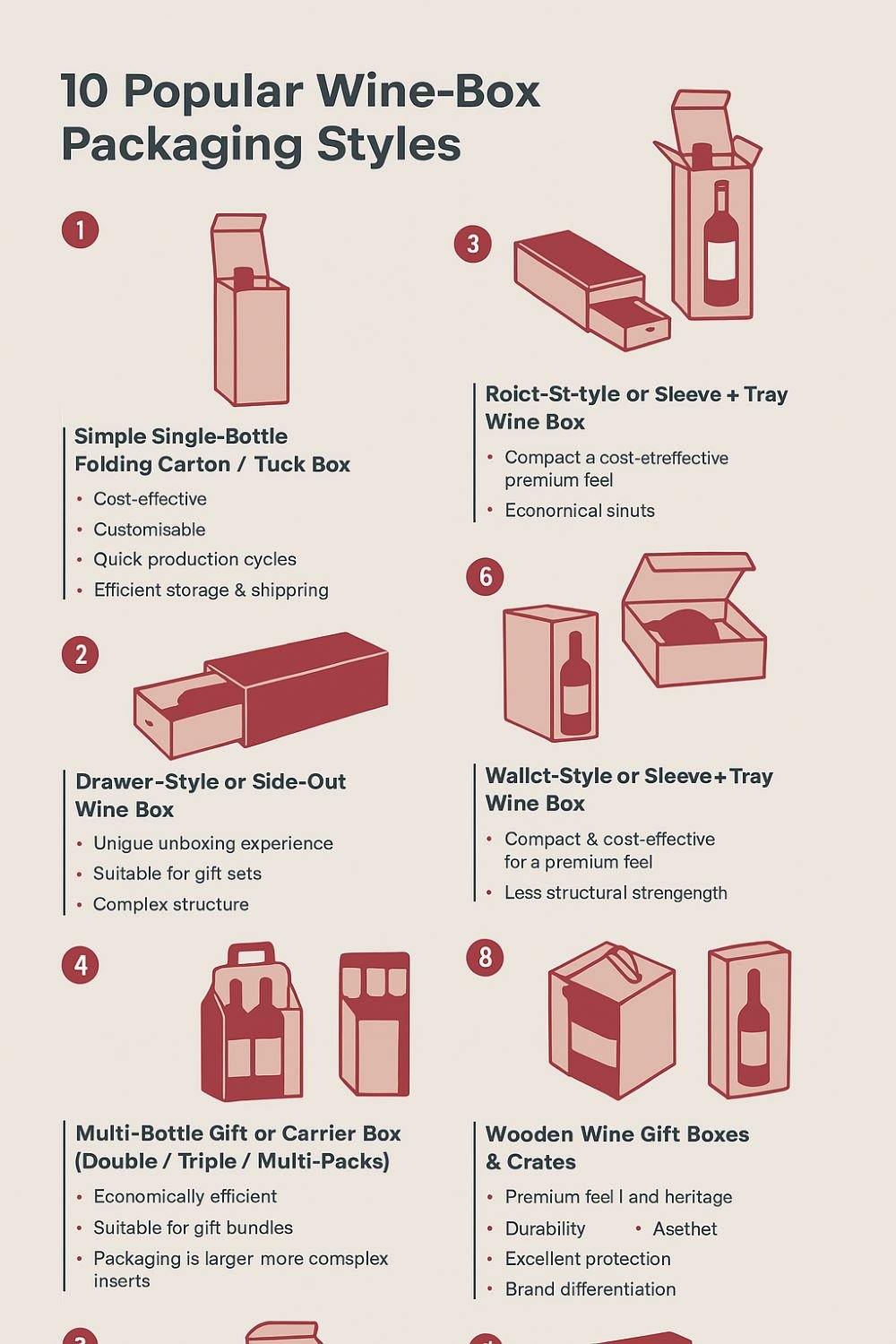
1. Simple Single wine boxes-Bottle Folding Carton / Tuck Box
Description
This is the most straightforward wine boxes style: a folding carton designed to hold one bottle, often with a tuck-top or tuck-bottom closure. The box is shipped flat — die-cut, scored, printed, and ready for folding — which makes it easy to store in bulk before filling.
This kind of box is typically made with paperboard or cardboard, with optional inserts to secure the bottle. Many vendors use it as a standard, low-cost packaging option.
Pros
Cost-effective: Less material, simple structure, minimal finishing required.
Efficient storage & shipping (pre-assembly): Flat shipping reduces storage volume and inbound logistics cost.
Customizable: Easy to print labels, graphics, brand logos; can use matte/gloss lamination, etc.
Quick production cycles: Simple die, easy folding — good for small to medium orders.
Cons
Less premium feel — may not be ideal for high-end gifting.
Less protective — may need internal padding to prevent bottle breakage in transit.
Standard sizing may not suit all bottle shapes (some wine bottles are taller/larger than standard).
Best Use Cases
Entry-level wine products or value lines
Retail bottles for everyday consumption
E-commerce direct-to-consumer orders (with protective inserts)
Bulk packing when cost per unit is critical
Design & Manufacturing Tips
Use a snug internal dimension — avoid too much empty space that requires extra filler.
Add internal cardboard partition or molded pulp insert for bottle neck and base support.
Use strong paperboard (e.g. 350–500gsm) for sturdiness.
Offer optional finishes (matte lamination, spot UV, embossing) for upgraded SKUs.
2. Rigid Gift Wine Boxes with Lid & Base (Two-Piece Box)
Description
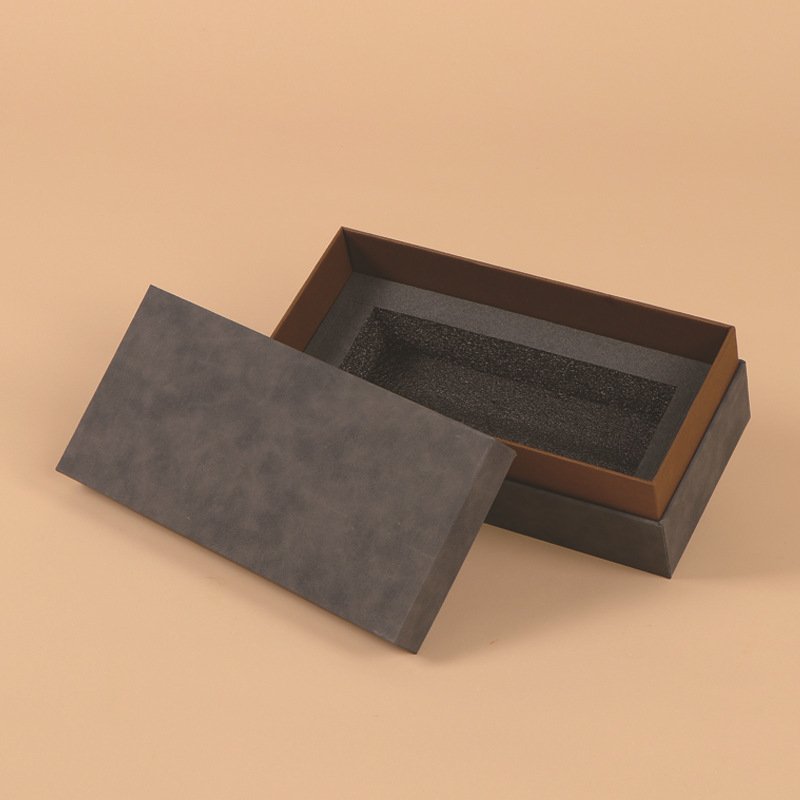
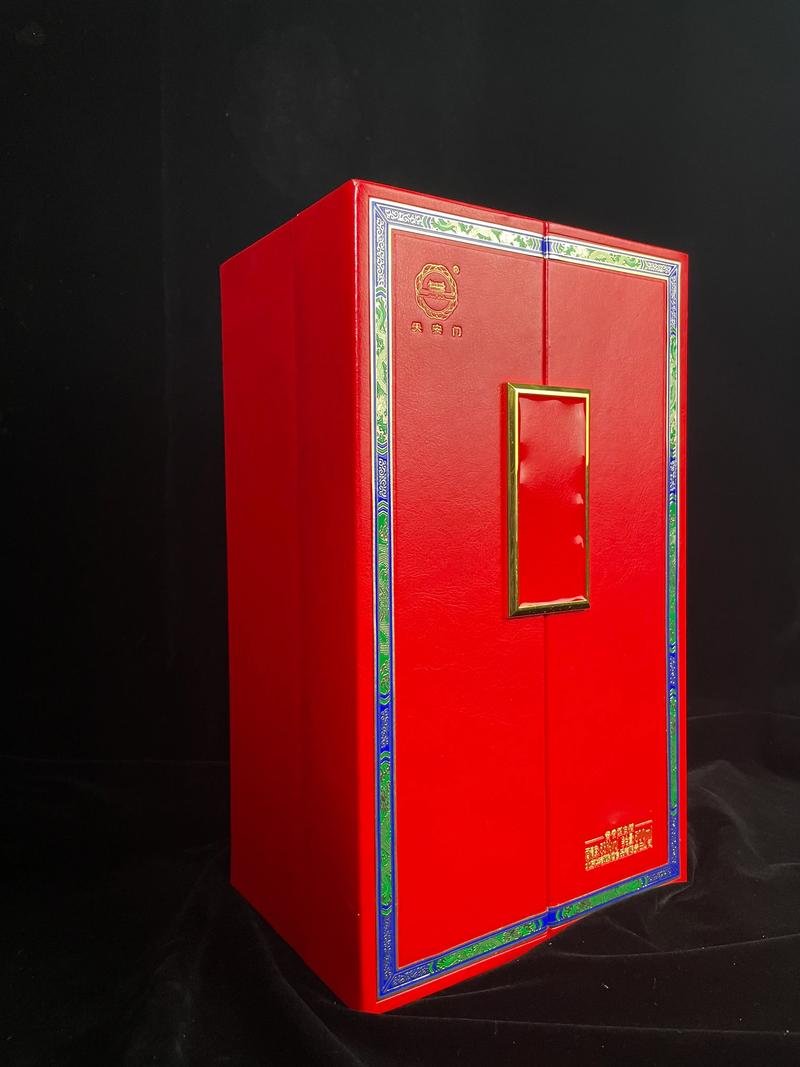
A two-piece rigid box: solid base + separate lid. Commonly used for premium gift wine boxes packaging. The structure is similar to luxury gift boxes, giving sturdiness, elegance, and a premium feel. Some versions include built-in cushioning inserts (foam, molded pulp, or paper) to cradle the bottle securely.
Pros
Premium presentation: High perceived value — ideal for gifting, holidays, corporate gifts.
Excellent protection: Thick board + insert cushioning reduces breakage risk.
Reusable: Customer may reuse the box as storage or display — adding perceived value.
Branding & finishing opportunities: You can use foil stamping, embossing, special papers, soft-touch finishes, etc.
Cons
Higher production cost (materials, board, inserts, finishing).
Larger storage volume (for empty boxes).
Longer production lead times (die, board sourcing, finishing).
Best Use Cases
Premium / luxury wines, limited-edition bottles
Corporate gifting, holiday packaging, gift bundles
Wines targeted at premium retail channels or boutique shops
Design & Manufacturing Tips
Use strong rigid board (e.g. greyboard / chipboard) for structure; thickness should handle bottle weight plus insert.
Customize insert internal layout — bottle snug fit, maybe secondary compartment for accessories (e.g. corkscrew, stopper).
Allow for consistent tolerances (bottle diameter varies by region/brand).
Add finishing touches — ribbon pull, magnetic closure, foil logo — while ensuring production feasibility.
3. Drawer-Style or Slide-Out Wine Boxes
Description
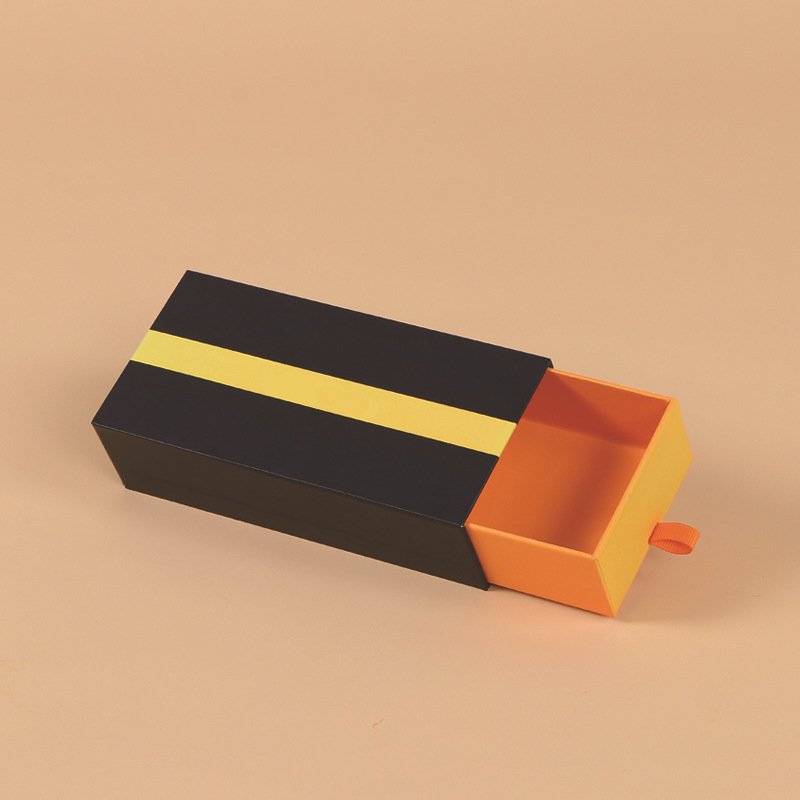
A drawer box (or slide-out box) features an outer shell and an inner tray (drawer) that slides out. Often used for wine bottles plus accessories (wine opener, stopper, glasses) or for elegant presentation when gifting. Many folding-box suppliers list drawer-style wine boxes among their custom packaging offerings.
Pros
Unboxing experience: Sliding drawer offers a sense of luxury and anticipation.
Suitable for gift sets: Can include multiple items (bottle + accessories), making it great for gift or promotional sets.
Good protection: The tray helps stabilize the bottle; outer shell gives rigidity and protection.
Differentiation: Provides unique experience, can help brand stand out on shelf or during gifting.
Cons
More complex die lines and assembly — higher cost than simple folding cartons.
Insert/tray must be carefully engineered to avoid too loose / too tight fit.
Not always suitable for mass shipping (bulk), especially if weight or size increases.
Best Use Cases
Premium gift sets (wine + accessories)
Single-bottle premium wines targeted at gifting, anniversaries, holidays
Seasonal limited editions or special retail packaging
Design & Manufacturing Tips
Design inner tray to securely hold bottle — maybe with neck cradle + base support + cushioning.
Ensure smooth sliding mechanism — avoid friction or tearing by scoring/folding correctly.
Consider finishes: foil stamping, spot UV, embossing for outer shell.
Provide clear dielines and assembly instructions — drawer boxes are more sensitive to die/ crease alignment.
4. Magnetic-Closure Wine Boxes (Rigid with Flip / Lid + Magnetic Flap)
Description
A step up from traditional rigid boxes, magnetic-closure wine boxes offer a sleek, premium unboxing experience. These boxes use embedded magnets in the lid and body so the box closes securely and opens with a satisfying “click.” Often used for high-end gift bottles, corporate gifts, or premium wines. Many custom packaging manufacturers list “magnetic wine gift boxes” as top luxury packaging options.
Pros
Premium feel: The magnetic closure gives a sense of luxury and quality.
Usability: Easy to open/close, reusable, sturdy structure — presents well on shelf or as gift.
Brand perception: Great for high-end wine brands; enhances perceived value.
Protection & security: Box stays closed, reducing risk of accidental opening during shipping or storage.
Cons
Higher cost (materials, magnetic hardware, finishing).
Heavier and bulkier — may increase shipping cost.
More complex manufacturing and assembly process.
Best Use Cases
Luxury wines, limited vintages, collector’s editions
Corporate gifts, holiday gift packs, premium retail lines
Wines sold as gifts rather than everyday consumption
Design & Manufacturing Tips
Embed magnets accurately — tolerance must be tight for smooth closing.
Use quality rigid board (minimum thickness, good lamination) to handle repeated opening/closing.
Combine with premium finishing — e.g. matte lamination + foil stamping, embossing — to maximize perceived value.
Test closure and durability during prototyping stage.
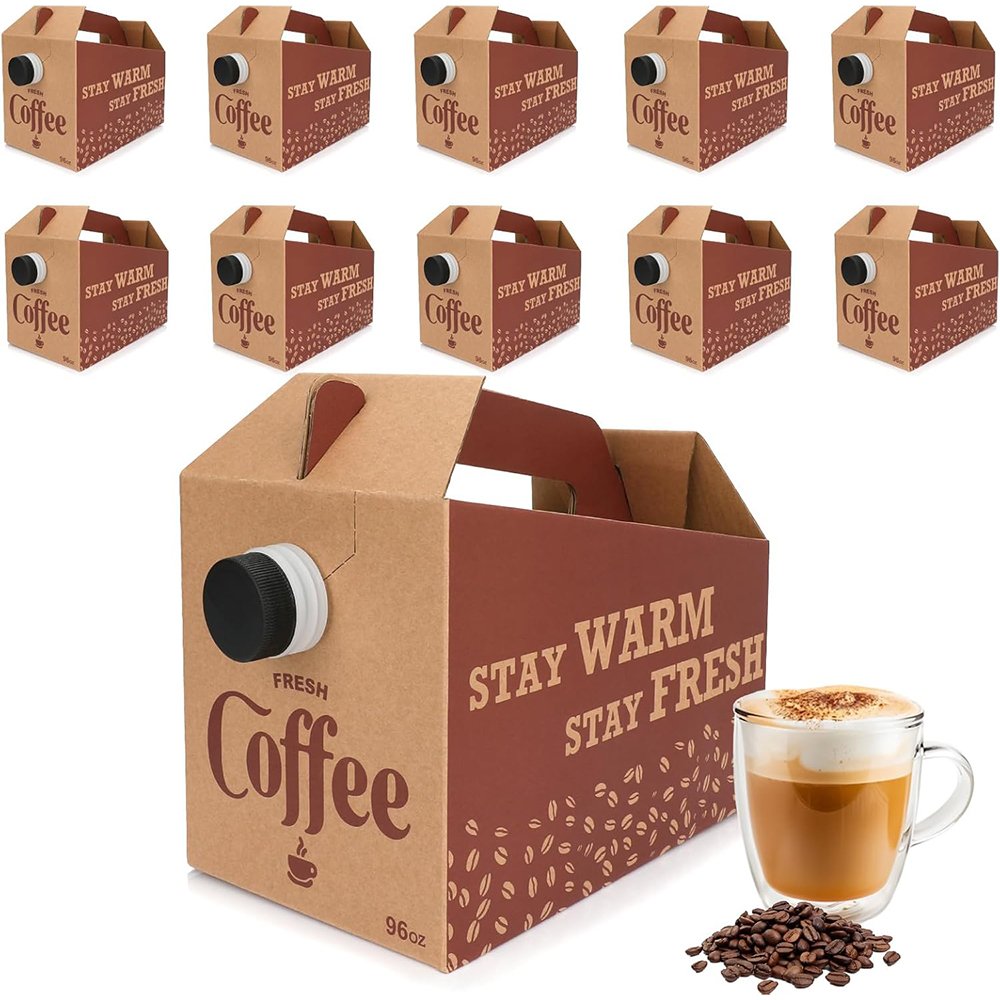
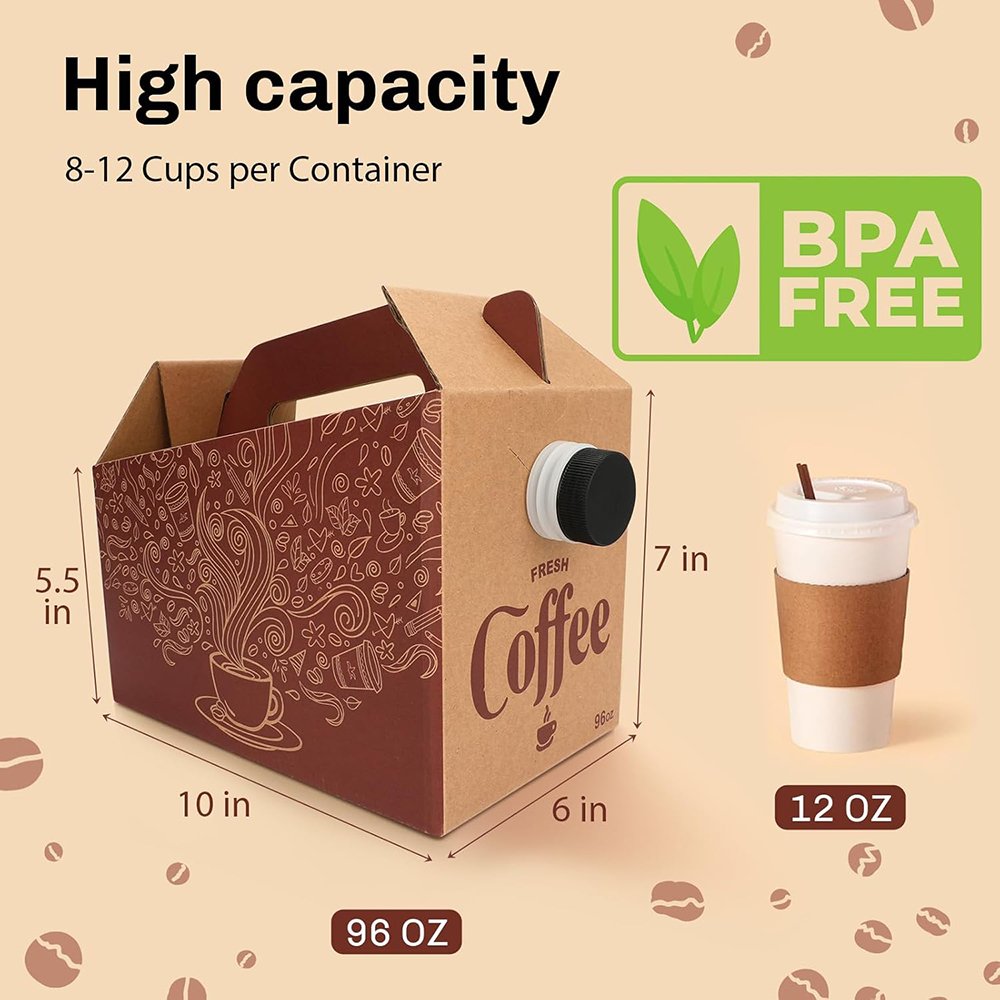
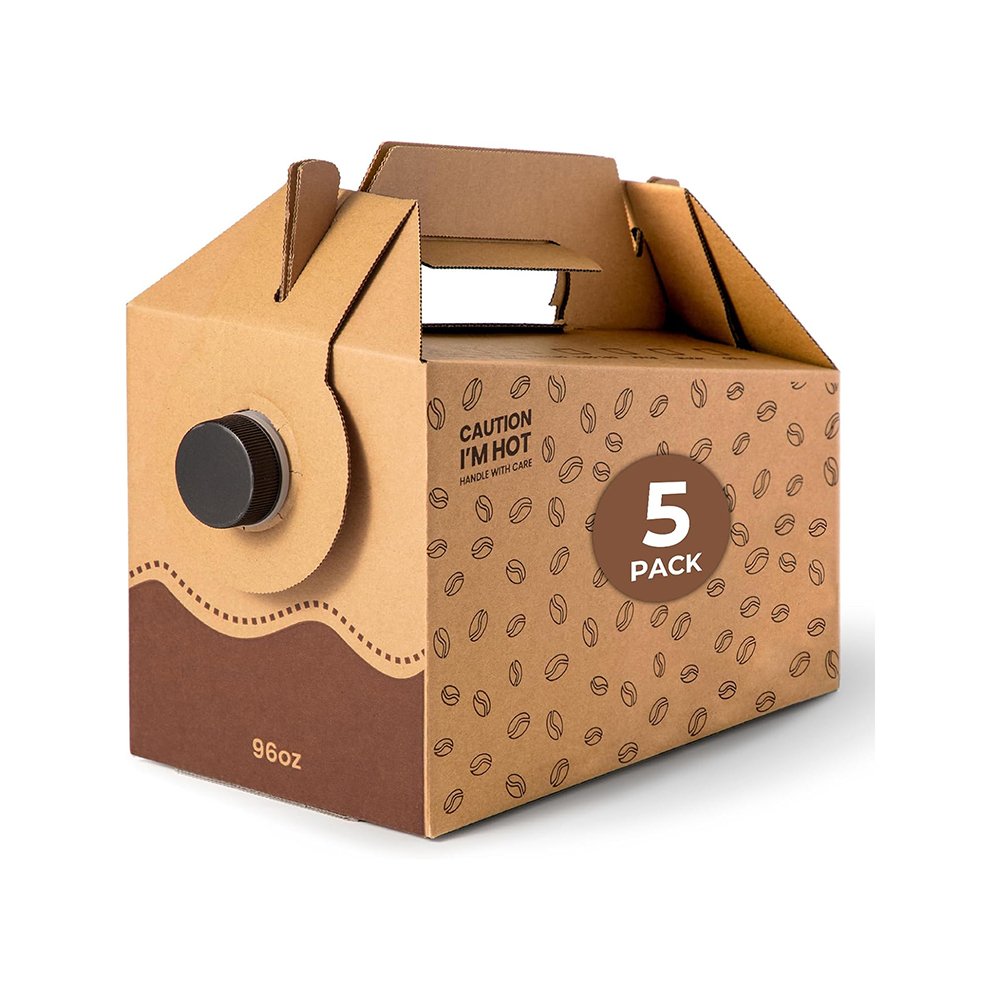
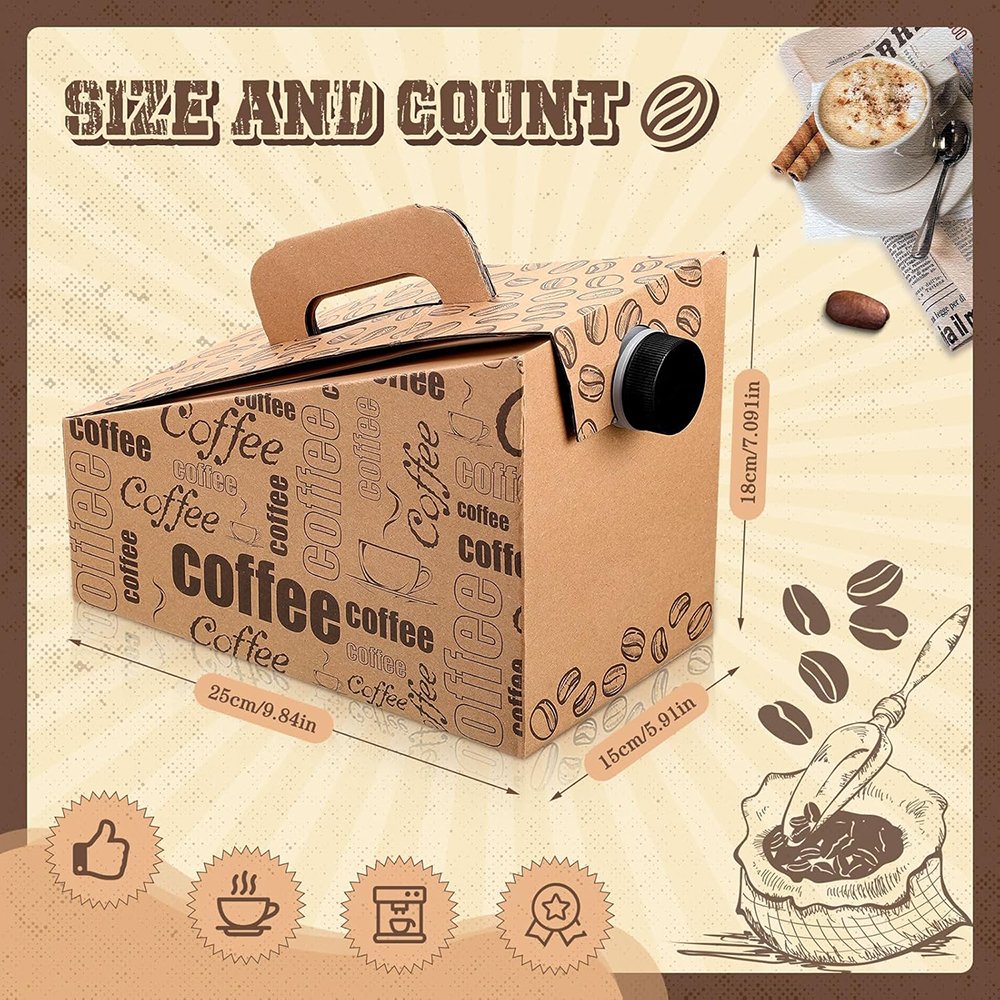
5. Multi-Bottle Gift or Carrier Box (Double / Triple / Multi-Packs)
Description
Boxes designed to hold two or more bottles — e.g., double-wine boxes, triple-packs, or multi-bottle gift sets. These can be folding cartons with dividers/partitions, rigid boxes with inserts, or even corrugated cases for shipping larger quantities. Many packaging suppliers categorize these as “case packs,” “double wine boxes,” or “set boxes.”
Pros
Economic efficiency: One box houses multiple bottles, reducing material use per bottle and simplifying packaging.
Gifting / value packs: Popular for gift bundles, holiday promotions, or retail multi-packs.
Transport efficiency: Easier to handle/ship multi-units, less packing complexity per bottle.
Marketing opportunity: Great for limited edition multi-packs, mixed-varietal sets, holiday bundle sales.
Cons
Higher box weight and size — increases shipping cost and may require stronger board / internal reinforcement.
More complex inserts/dividers needed to prevent bottles clinking or breaking.
Packaging design and die are more complex — higher tooling and production cost than single-bottle boxes.
Best Use Cases
Holiday or promotional bundles (e.g. “Red & White set,” “Celebration gift box”)
Retail multi-packs, mixed-wine sets, subscription boxes
Bulk gift orders, hospitality industry, corporate gifting
Design & Manufacturing Tips
Design sturdy internal partitions; consider molded pulp or cardboard dividers that cradle bottles.
Use strong board or corrugated construction — ensure bottom and side strength for full weight.
Account for shipping stress: cushioning, moisture resistance (if needed), secure closures.
Label and brand outside — possibly with windows or cutouts to display bottle labels without opening.
6. Wallet-Style or Sleeve + Tray Wine Boxes
Description
This design uses a sleeve (outer jacket) and inner tray (slide-out or pull-out). The bottle sits in the tray; the sleeve wraps around. This is similar to drawer-style, but often more compact and usually uses thinner materials (paperboard) — often called “sleeve + tray” or “wallet-style” packaging. Some are used for single bottles, others for multi-packs or accessory sets. Custom wine boxes suppliers list sleeve + tray among their options.
Pros
Compact & slim: Good shelf presence, easier for retail display, less bulky than rigid box + lid.
Cost-effective for premium feel: Offers presentation benefits without full rigid-box cost.
Flat shipping & storage pre-assembly: Sleeves and trays ship flat before assembly → reduces logistics cost.
Customizable insert/tray design: Can include molded pulp, velvet/fabric padding, or simple cardboard cradle.
Cons
Less structural strength compared to rigid boxes — may perform worse under heavy load or rough shipping.
Sleeve wear or tear over time if sleeve is too tight or friction is high.
Depending on materials/finishing, perceived as less premium than rigid box.
Best Use Cases
Mid-range wines where brands want a touch of elegance without high cost
Retail bottles where shelf appearance matters
Gift-with-accessories sets (e.g. wine + opener + stopper), with compact carrying size
Design & Manufacturing Tips
Use quality paperboard, strong tray/cardboard base — avoid too thin material.
Ensure sleeve/tray tolerances are correct — avoid too tight fit which makes opening/closing hard or damages sleeve.
For inserts — consider molded pulp or die-cut cardboard cradle with cushioning.
For graphics — use your printing and finishing options strategically (spot UV, foil on sleeve) to elevate perceived value.

7. Corrugated Shipping & Multi-Pack Wine Cases (Bulk / Distributor Boxes)
Description
These are more “functional” than decorative: corrugated cardboard boxes or cases used for bulk shipments, wholesale distribution, or transport of multiple bottles. Often includes dividers / partitions, cushioning, and structural reinforcement to handle weight, stacking, and handling during transit.
Pros
Strong protection: Corrugated board handles weight, stacking, transport stress.
Cost-efficient for bulk shipping or wholesale: Cheap per-unit packaging cost when amortized over many bottles.
Stackable and pallet-ready: Good for logistics, distribution centers, and bulk orders.
Recyclable / sustainable: Corrugated cardboard is often recyclable; cost-effective for large volumes.
Cons
Less aesthetic appeal — not suitable for gift or retail display on its own.
Larger physical volume — increases shipping or warehousing footprint.
Usually requires secondary packaging (inner gift box) if sold directly to consumers.
Best Use Cases
Wholesale distribution, export shipments
Multiple-bottle packs for retailers, restaurants, bars
E-commerce direct shipments (when paired with cushioning)
Base packaging for wine producers shipping bulk orders
Design & Manufacturing Tips
Use sturdy corrugated flutes (e.g. B, C, or BC flute) depending on load and shipping conditions.
Include internal dividers or partitions; consider molded pulp or honeycomb inserts for extra protection.
Test stacking and compression strength (especially if palletized).
For sustainability — use recycled corrugated board; consider moisture-resistant coatings if shipping internationally or through humid zones.
8. Wooden gift Wine Boxes & Crates
Description
Not strictly “paper-box,” but many wine brands (especially premium or collector-oriented) choose wooden wine boxes or crates — using plywood, pine, hardwood, or other solid wood — to give a rustic, elegant, or vintage feel. Wooden boxes often feature sliding lids, hinged lids, engraved or laser-etched logos, and even compartments for multiple bottles or accessories.
Pros
Premium feel & heritage: Conveys craftsmanship, luxury, and longevity — ideal for collectible wines or limited-edition bottles.
Durability & reusability: Wooden boxes can be reused, stored, or repurposed by customers (e.g. as wine racks, decorative crates).
Excellent protection: Solid structure shields bottles well; good for long-term storage, aging wines, shipment over long distance.
Brand differentiation: Unique look — appeals to customers looking for premium presentation or as gifts.
Cons
High cost: Material and production cost significantly higher than paper-based boxes.
Heavier & expensive shipping: Weight adds to freight cost.
Not flat-packable: Occupies storage space; not space-efficient before filling.
Sourcing and sustainability concerns: Depending on wood type, may raise sustainability or environmental regulatory issues.
Best Use Cases
Collector wines, limited-edition releases, high-end gift sets
Anniversary gifts, corporate gifts, luxury retail lines
Wines meant for aging or premium display
Markets where heritage, quality and packaging value heavily influence perception
Design & Manufacturing Tips
Use hardwood or quality plywood with smooth finish; avoid splinters or rough edges.
Provide protective inserts or foam padding to cradle the bottle inside wood box.
Consider engraving or laser-etching for logos instead of printed labels — adds class and durability.
Balance between wood thickness (for protection) and weight (for shipping); avoid over-engineering.
9. Innovative or Alternative Wine boxes Packaging: Cylinders, Tubes, Bags / Non-traditional Materials
Description
Beyond traditional boxes, some brands explore alternative packaging styles: cylindrical paperboard tubes, cardboard sleeves, bag-in-box systems, even non-traditional materials (metal or composite containers). While less common for premium wines, they serve niche markets or modern branding — especially for retail, festivals, or eco-conscious consumers.
Examples:
Paperboard tubes or cylinder gift boxes — a long tubular box for one bottle, sometimes with padding.
Bag-in-Box (BIB) — used more often for bulk wine, but increasingly popular in wine packaging for convenience and portability.
Sleeves with minimalist tubes or flat packaging — creative designs targeting younger or urban consumers.
Pros
Differentiation: Stand out from conventional wine boxes — good for marketing or niche branding.
Eco-friendly / lightweight (depending on materials): Some tube/paper options use less material; bag-in-box uses less glass and may reduce environmental impact.
Convenient / portable: Easier to carry, lighter, sometimes re-usable.
Cost-effective (in some cases): Tube packaging may be cheaper to produce than rigid boxes; BIB is efficient for large volumes.
Cons
Limited market acceptance — many buyers expect traditional wine boxes.
Perceived value may be lower (less “luxury” feel).
Protection levels vary — need careful design to avoid bottle damage.
Regulatory and shelf-presentation constraints (especially for BIB or non-glass containers).
Best Use Cases
Budget-friendly wines, mass-market products
Brands targeting eco-conscious or younger demographics
Events, festivals, casual consumption markets
Bulk wine promotions, boxed wine, or alternative distribution formats
Design & Manufacturing Tips
If using tube packaging — ensure interior padding (foam, molded pulp) to avoid bottle damage.
For BIB — ensure high-quality bag lining, safe seals, and box structure able to hold weight.
Clearly communicate packaging type and concept to consumers (since it’s non-traditional).
For batch orders — ensure compliance of materials (food-grade, recyclability, labeling).
10. Hybrid & Custom Wine Boxes Solutions — Mix of Protection, Aesthetics & Functionality
Description
Sometimes one box style is not enough. For many brands, a hybrid approach — combining features from multiple packaging styles — offers the best balance of cost, protection, and brand positioning. Examples:
Rigid box + magnetic closure + internal foam insert — for premium gifting with protection.
Sleeve + insert + outer corrugated shipping box — great for eCommerce: inner box for presentation, outer box for logistics.
Multi-bottle rigid crate with removable dividers + carry handle — for wine sets or gift bundles.
Cardboard tube + soft-touch coating + printed sleeve — for trendy or modern-brand wines.
Pros
Flexible & adaptable: Can match a wide range of products and needs.
Balanced cost-performance-value: Mix of affordability and premium feel depending on components.
Brand differentiation & versatility: Easier to customize per SKU, customer segment, or season.
Scalable for different channels: Retail, gifting, eCommerce — can tailor packaging accordingly.
Cons
More complex to design and produce — requires careful engineering and quality control.
Higher tooling and assembly cost compared to basic boxes.
May lead to higher minimum order quantities or more complex supply chain.
Best Use Cases
Brands with multiple SKUs (standard, premium, gift, multi-pack) needing different packaging tiers
Gift sets, seasonal collections, limited editions
Wines sold across retail, online, and wholesale channels
Design & Manufacturing Tips
Work with experienced packaging manufacturer (like you) — proper dieline design, prototype, testing essential.
Standardize internal modules (inserts, trays) to reuse across variants — reduces cost and complexity.
For mixed packaging (inner + outer), ensure outer box protects inner presentation during shipping / handling.
Use finishes strategically — e.g. soft-touch on inner box, protective corrugated outer for transit.
Wine boxes are not one size fits all
Wine boxes packaging is not “one size fits all.” Because wine bottles vary in shape, weight, target market, and price positioning — and because brands have different distribution channels (premium retail, eCommerce, gifting, wholesale) — having multiple packaging solutions is critical.
Here are strategic recommendations for you (as a packaging manufacturer) and for clients / brands:
Offer a diversified “portfolio” of box styles — from economical folding cartons to premium rigid gift boxes, wooden crates, hybrid solutions: this gives maximum flexibility for your clientele.
Segment by product tier: Use simple cartons or sleeve-boxes for standard products; rigid/magnetic/wood boxes for premium wines; multi-pack or corrugated cases for wholesale and shipping.
Modularize your offering: Build standardized inserts, trays, dividers or cores that can be reused across different SKUs, to reduce cost and complexity.
Use variable finishing and customization wisely: Reserve expensive finishes (foil, embossing, soft-touch) for premium SKUs; use simple finishes for mass-market lines; maintain consistent quality across finishing levels.
Always prototype & test: For bottles of different shapes/dimensions or special pack types (drawer, slide, hybrid), pre-production samples are crucial.
Balance protection and presentation: For wines shipped long distance or overseas, ensure interior cushioning and structural strength; for retail or gifting, emphasize aesthetic and unboxing feel.
Educate clients / brands: Provide them with packaging style guidance — helping them match packaging design to product positioning, price point, and market channel.
Be ready for custom requests: Some clients may ask for unique or non-traditional packaging (tube, bag-in-box, etc.). As a flexible manufacturer, being able to support these expands your market reach.
Optimize cost vs value: Use material and structural selection wisely to avoid over-engineering — expensive wood boxes for inexpensive wines devalue margin; simple cartons for premium wines may hurt brand perception.
Sustainability & eco-appeal: Offer recycled/eco-friendly materials (SBS board, corrugated, recycled rigid board) — especially popular for modern consumers.
From Your Perspective as a Packaging Manufacturer
Because you’ve been working for many years in paper-box manufacturing and customization, you are in a unique position to:
Provide clients full consultation — matching their wine product, target customers, price tier, distribution channel to the right box style.
Offer one-stop solutions — from structural design, dieline development, materials, inserts, printing, finishing to delivery.
Use economies of scale and standardization — by standardizing certain modules (inserts, trays, dividers), you reduce tooling and production cost, while maintaining flexibility for custom orders.
Cater to multiple segments — from budget-friendly to luxury, from single bottle to multi-pack, from domestic retail to export shipping.
Differentiate your offering by combining function, aesthetics and sustainability, thereby attracting clients who value quality as well as responsible packaging.
As wine markets evolve — from traditional retail to eCommerce, gifting, subscription boxes, corporate gifting, and diversified consumption — the demand for versatile, well-designed, cost-effective, and appealing wine packaging boxes continues to grow. By mastering (and offering) a broad set of wine packaging styles, you position your company for long-term success.
BMペーパーボックスメーカーについて
当社は、10年の業界経験を持つ、紙製パッケージボックスのカスタマイズを専門とする工場です。独創的なデザインと卓越した技術を駆使し、家電製品、医療機器消耗品、化粧品など、幅広い分野に対応した高品質なカスタマイズパッケージソリューションを提供することで、お客様の製品に無限の魅力を添えます。.
プロの紙製パッケージボックスカスタマイズ工場として、当社は家電製品、医療機器消耗品、化粧品など幅広い分野に対応しています。高級家電製品の洗練されたギフトボックス、医療機器のプロフェッショナルなパッケージ、化粧品のファッショナブルな外箱など、お客様のニーズと製品の特性に合わせて最適なパッケージソリューションをご提案いたします。当社の専門性は多くのブランド顧客から高く評価され、信頼できるパートナーとして認められています。.
BMペーパーボックスファクトリーを選ぶ理由
最高品質:中国有数のカスタム紙箱メーカーとして、当社の品質管理チームは、お客様にお届けするすべての製品が最高品質であることを保証します。当社はプロ仕様の品質検査機を保有しています。.
製品設計:当社のサンプル部門は、図面を実際の製品に仕上げる全工程を網羅しています。また、長年の経験に基づき、お客様の製品設計を改善いたします。ぜひご意見をお聞かせください。.
安定した納期:最高のギフトボックスメーカーおよびサプライヤーとして、当社は十分な製造能力を有しており、大量注文でも対応可能です。お客様のご注文を期日通りにお届けいたします。.
最安値:当社は紙箱の製造工場であり、中国で最高のメーカーです。そのため、最高品質の袋を最安値で提供できます。.
精密な管理:精密な管理を実施しなければ、何も達成できません。当社は、包括的な管理システムを備えた企業です。.
24時間365日対応:最高の紙箱メーカーとして、24時間365日迅速に対応いたします。お客様からのフィードバックを参考に、より良いサプライヤーを目指します。お問い合わせください。(+86 18925520049)
BMペーパーボックスに関するよくある質問
当社は中国の大手メーカーであり、工場は東莞市にあります。ぜひ工場見学にお越しください!
• 当社は、特にギフト包装分野において、紙製包装製品の専門サプライヤーです。多目的に使用できる様々な種類の紙箱や紙袋を製造できます。.
・当社はワンストップサービスを提供しており、お客様のご要望に応じたカスタムデザインも承ります。.
・もちろん、通常は無料サンプルをご提供いたしますので、送料のみご負担ください。カスタム印刷サンプルをご希望の場合は、サンプル費用を確認するため、ご要望をお送りください。.
・サンプル製作には約7日かかります。.
はい、弊社では無料のデザインサービス、構造設計、簡単なグラフィックデザインを提供しています。.
もちろんです。お客様のデザインでどんなパッケージでも製作可能です。現在、100個から500個までの少量生産に対応したODMパッケージサービスを開始しており、もちろんお客様独自のロゴを入れることもできます。.
注文数量と生産内容によって異なりますが、約15日から20日程度かかります。.
量産前には必ず試作品を作成し、出荷前には必ず最終検査を実施する。
・サイズ、素材、印刷の詳細、数量、配送先など.
・お客様のご要望をお聞かせいただければ、弊社から最適な製品をご提案いたします。.
・海上輸送、航空輸送、または速達便による輸送。.
• 中国国内に自社輸送業者をお持ちの場合、それは工場出荷価格またはFOB価格となります。.
•CFRまたはCIFなど。当社がお客様の代理で発送する必要がある場合。.
• DDPおよびDDUも使用できます。.
•より多くの選択肢をご用意いたします。ご希望に合わせて対応させていただきます。.
• 価格は数量、材質、加工方法、サイズなどの要因によって決まります。さらに、当社は継続的に
技術革新により、当社の製品の一部価格は非常に競争力があります。お見積もりをご希望の場合は、お問い合わせください。.