








1. Why an Electronics Packaging Box Is More Than Just a Box
An 電子機器の包装箱 is not simply an outer container used to transport a product from a factory to a customer. For modern electronics brands, packaging has become part of the product experience.
A well-designed electronics packaging box needs to perform several functions simultaneously. It must protect sensitive electronic products during transportation, communicate the brand identity, organize accessories, support an efficient unboxing experience, and increasingly meet sustainability expectations.
This makes electronic product packaging considerably more complex than selecting a standard carton.
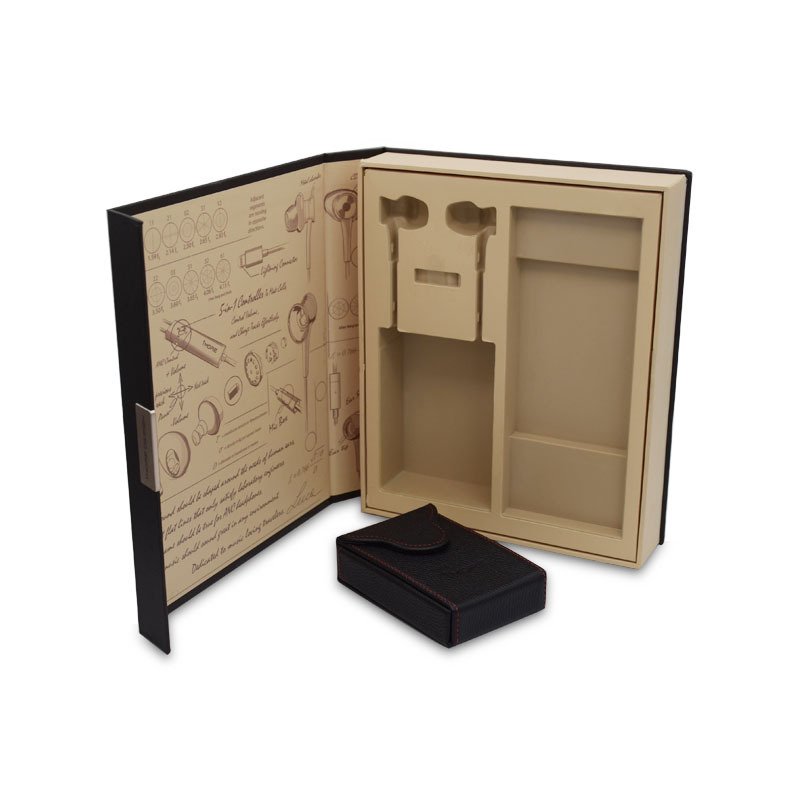
A smartphone accessory, wireless speaker, smart home device, power adapter, electronic component, wearable device, or consumer electronic product may require a completely different packaging structure. The package may need custom inserts, compartments, protective cushioning, cable organization, instruction-manual storage, and tamper-resistant construction.
For brands, the challenge is therefore not simply:
“How do we put our electronics into a box?”
The better question is:
“How do we create an electronics packaging box that protects the product, strengthens the brand, improves the customer experience, and uses materials efficiently?”
This guide explains the key considerations from product analysis and structural design to printing, inserts, sustainability, manufacturing, quality control, and supplier selection.
2. Electronics Packaging Box: The Three Core Objectives
A successful 電子機器の包装箱 normally needs to balance three major objectives:
1. Protection
Electronics can be vulnerable to impact, vibration, compression, moisture, dust, scratching, and movement inside the package.
2. Unboxing Experience
The packaging is often the customer’s first physical interaction with a brand. Opening the package should feel organized, intuitive, and consistent with the product’s positioning.
3. Sustainability
Brands are under increasing pressure to reduce unnecessary materials, avoid excessive plastic, optimize packaging dimensions, and use recyclable or responsibly sourced materials.
These objectives can sometimes conflict.
More protective material may increase packaging weight. A highly elaborate structure may create a better unboxing experience but increase manufacturing complexity. A minimalist package may reduce material consumption but provide insufficient protection.
An experienced custom paper box manufacturer therefore needs to optimize the entire packaging system rather than maximize only one characteristic.
3. Electronics Packaging Box Protection Starts with Product Analysis
Before designing a custom electronics packaging box, the first step should be understanding the product.
Important parameters include:
Product dimensions
Product weight
Product shape
Fragile components
Surface finish
Screen or lens protection requirements
Cable and accessory quantity
Battery configuration
Shipping method
Expected transportation distance
Retail or e-commerce distribution
Stacking conditions
Environmental conditions
For example, a compact electronic device with a smooth painted surface may require a soft protective insert to prevent scratches. A heavier device may require stronger structural support.
If the product includes multiple accessories, simply increasing the size of the outer box is usually not the best solution. A better approach is to create an internal organization system using partitions, trays, sleeves, or custom inserts.
This is why an effective electronics packaging solution begins with product engineering rather than graphic design.
4. Custom Electronics Packaging Box Design and Structure
The structure of the box determines how the package opens, closes, protects the product, and accommodates accessories.
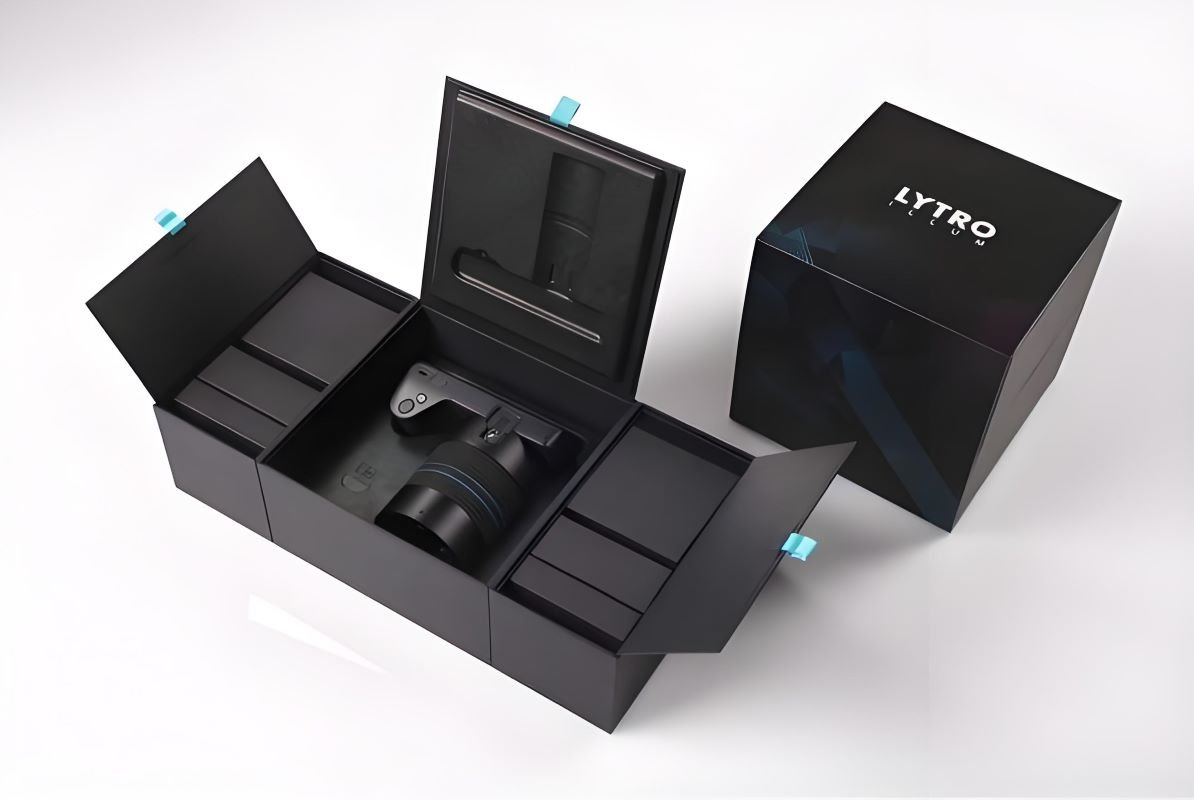
Common structures for an 電子機器の包装箱 include:
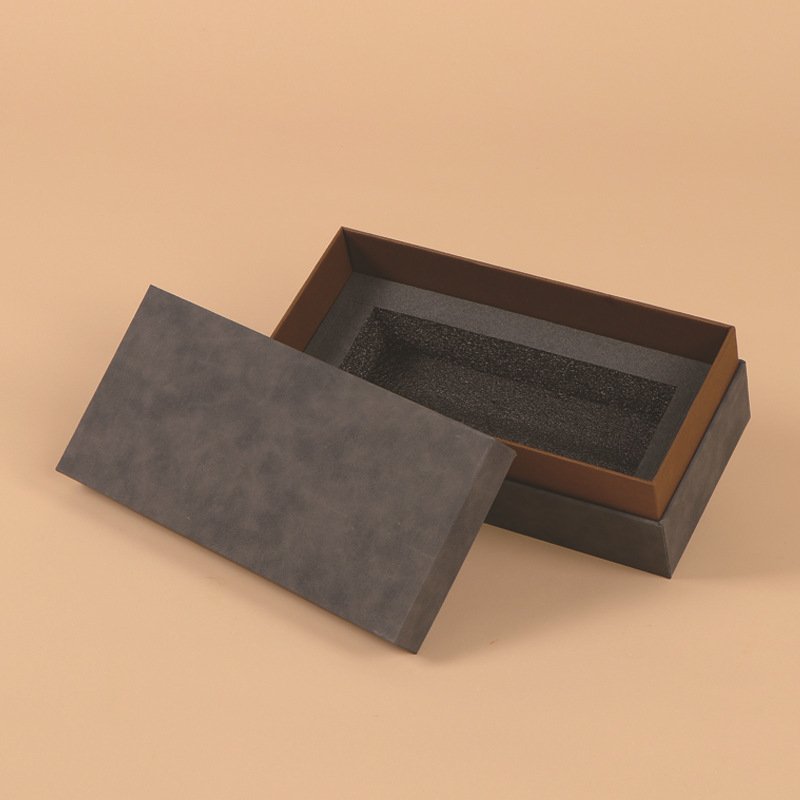
- Two-piece rigid-style boxes
- Folding carton boxes
- Magnetic closure boxes
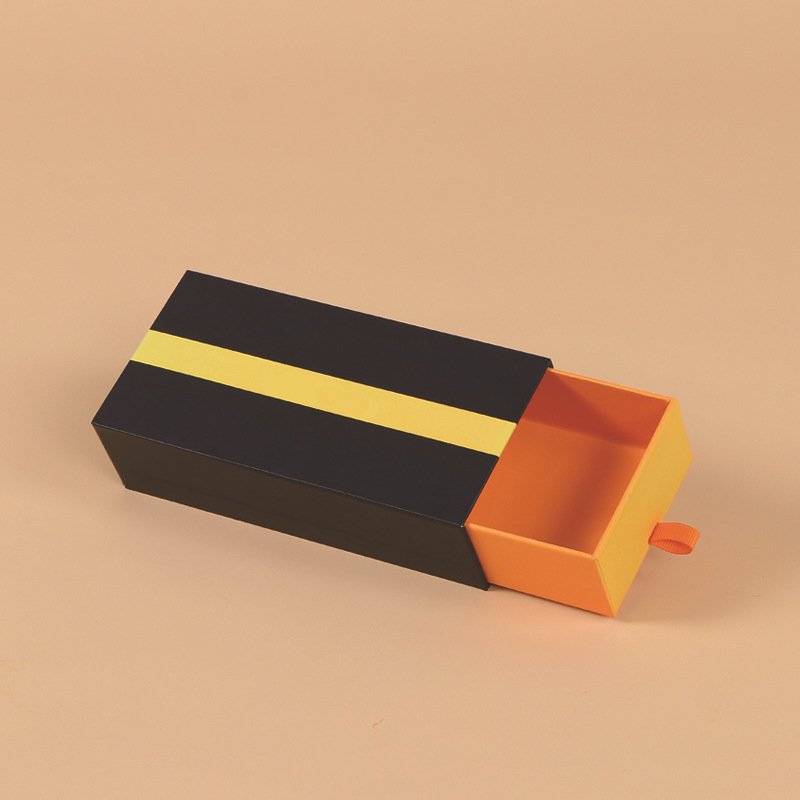
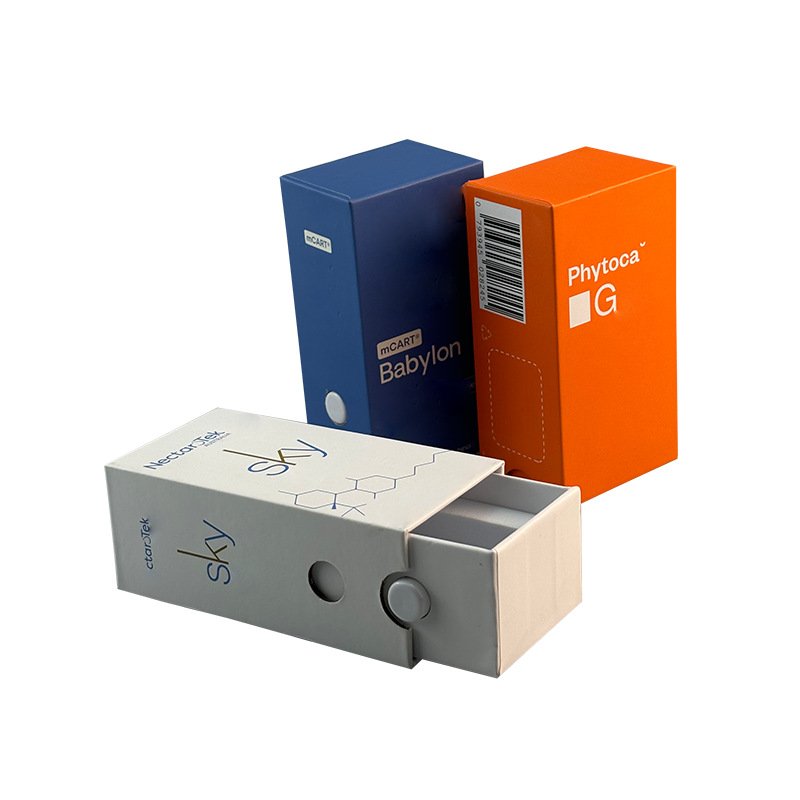
- Drawer-style boxes
- 蓋が取り外し可能な箱
- Tuck-end boxes
- Auto-lock bottom boxes
- Sleeve-and-tray packaging
- Multi-compartment boxes
- Custom die-cut folding boxes
The appropriate structure depends on the product, target market, packaging budget, logistics requirements, and desired brand positioning.
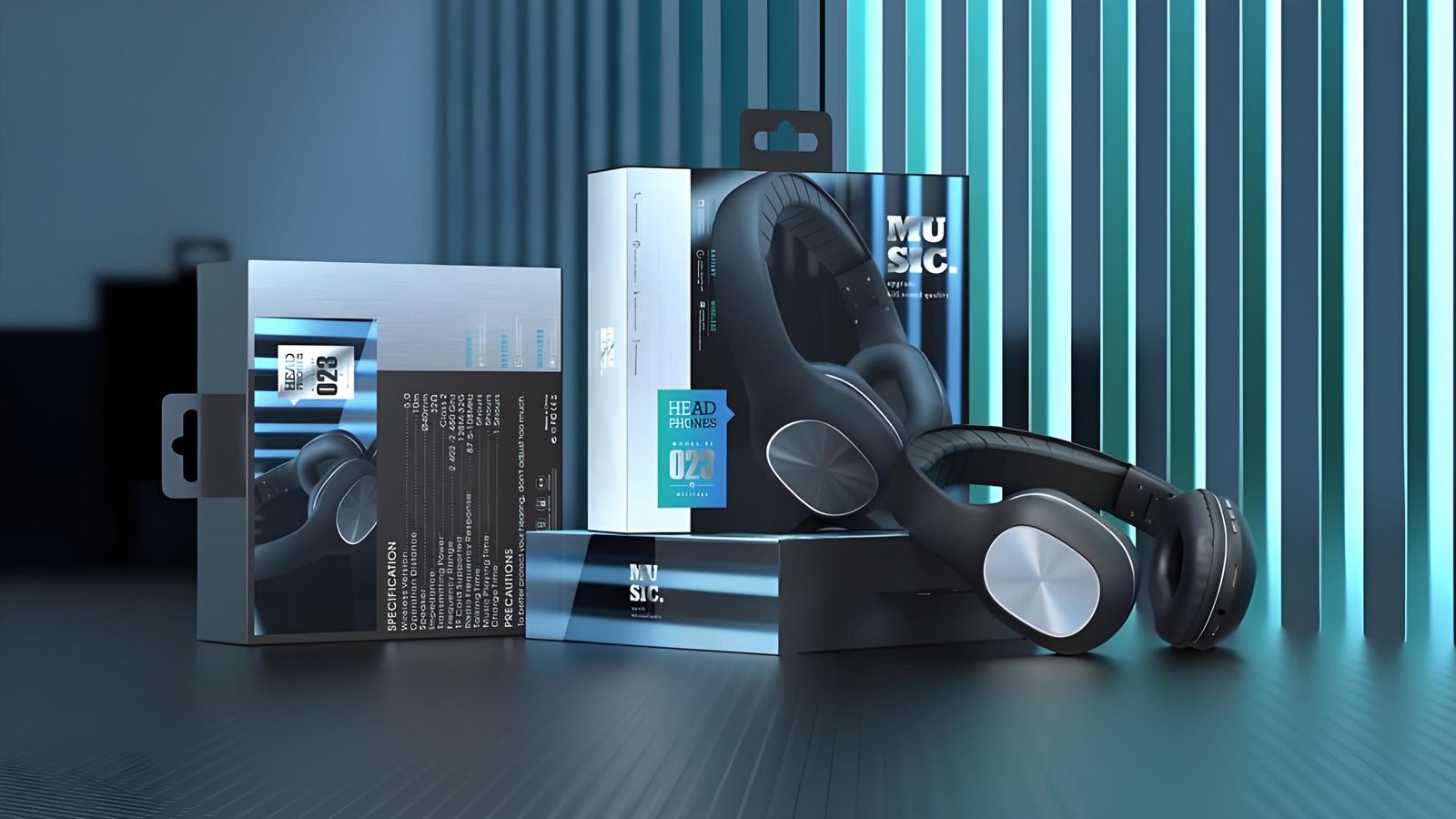
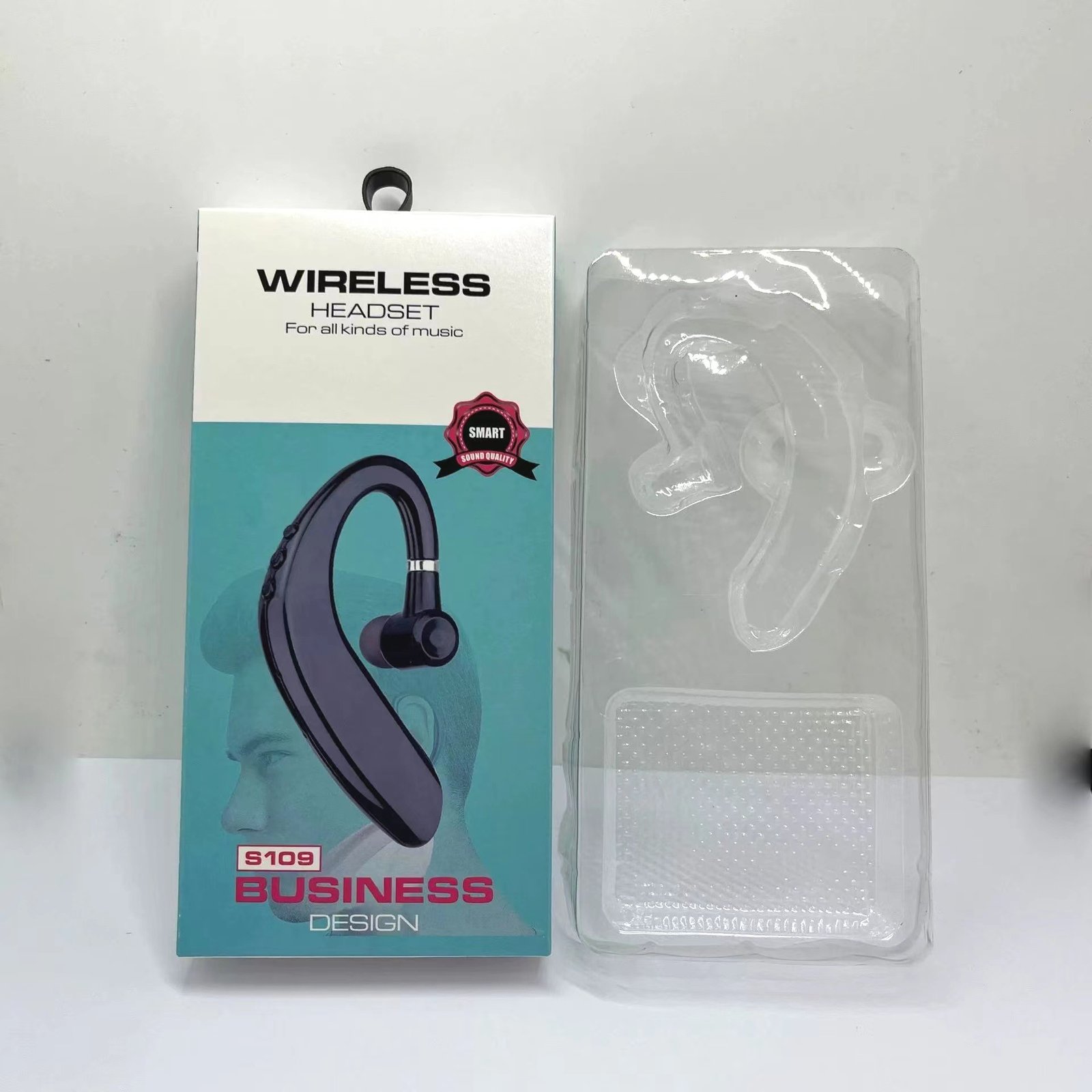
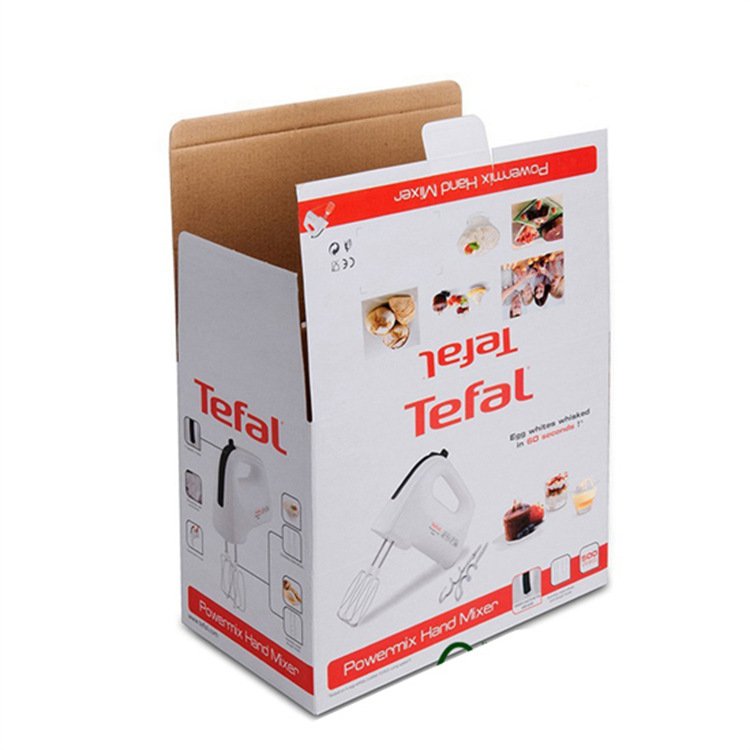
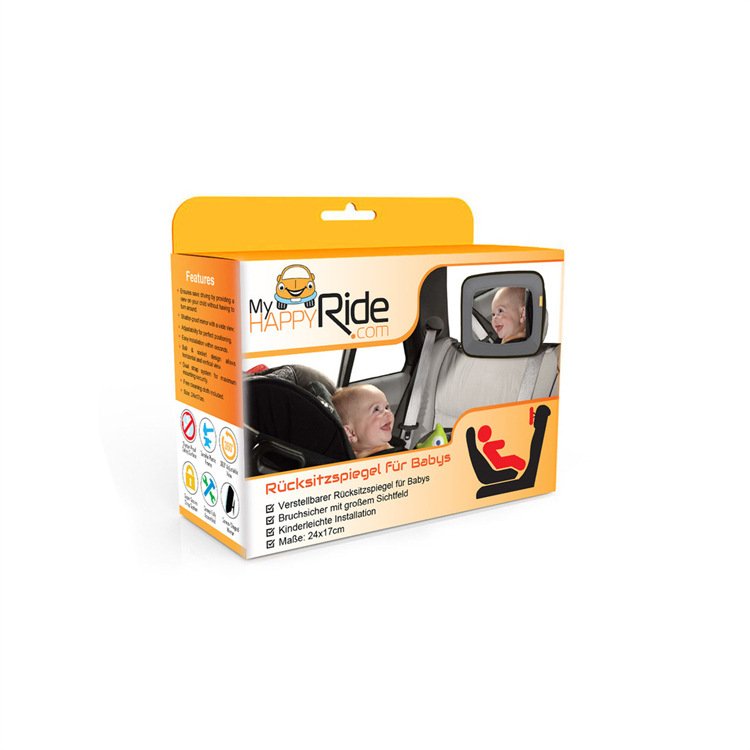
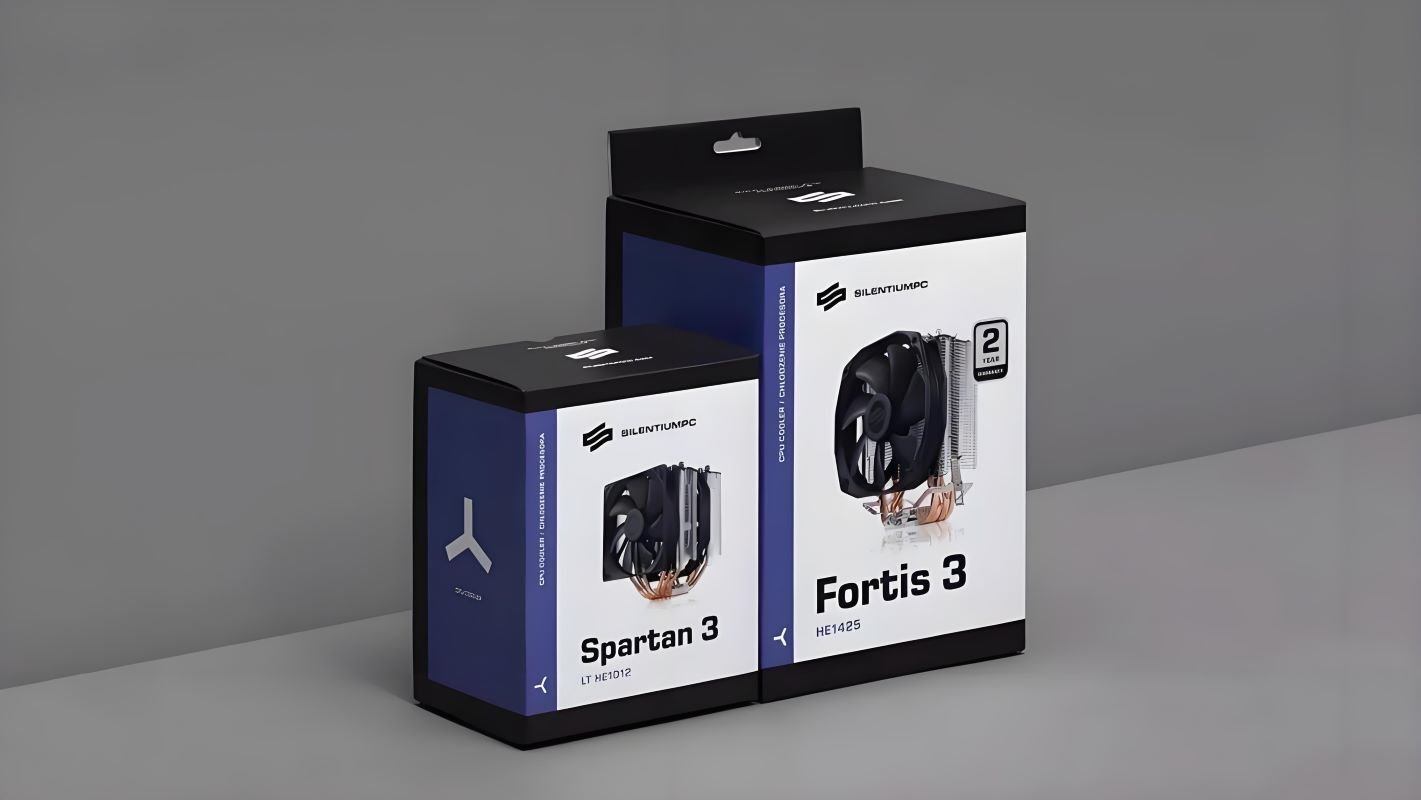
For mass-market electronics, a folding paper packaging box may provide a practical combination of cost efficiency, printability, and shipping performance.
For premium electronics, a rigid-style or drawer structure may create a more luxurious presentation.
The key principle is that packaging structure should serve the product rather than simply follow a visual trend.
5. Electronics Packaging Box Inserts: Controlling Product Movement
The internal insert is one of the most important parts of an electronics packaging solution.
Even when the outer box is strong, a product that moves freely inside the package can experience repeated impact during transportation.
Custom inserts can:
- Hold the product in position
- Separate accessories
- Protect sensitive surfaces
- Prevent component-to-component contact
- Create organized compartments
- Improve the unboxing sequence
- Reduce unnecessary empty space
Depending on the application, manufacturers may consider paperboard inserts, molded pulp, corrugated inserts, EVA or other cushioning materials.
For brands focusing on sustainable packaging, paper-based or molded-fiber solutions can be evaluated where technically appropriate.
The objective should not simply be to eliminate every plastic component. Instead, the goal is to determine which materials provide the required protection with the lowest reasonable environmental impact.
6. Electronics Packaging Box and the Unboxing Experience
Protection gets the product safely to the customer. The 電子機器の包装箱 then has another important job: presenting the product.
A good unboxing experience typically follows a logical sequence.
The customer opens the outer package, encounters the main product, discovers accessories in an organized manner, and finds documentation or branding information where expected.
This sequence can be deliberately designed.
For example, a custom electronics package may use:
Outer Box → Brand Message → Product Tray → Main Device → Accessories → User Guide
Instead of simply placing everything inside one large cavity.
This approach makes the packaging feel more intentional.
For consumer electronics brands, this is particularly valuable because customers frequently photograph and share premium unboxing experiences online. Packaging can therefore become part of the brand’s communication strategy.
7. Electronics Packaging Box Printing and Brand Identity
A custom 電子機器の包装箱 is also a major branding surface.
The package can communicate:
- Brand logo
- Product name
- Product model
- Product features
- Technical specifications
- Usage information
- Certification information
- Barcode and QR code
- Recycling information
- Contact information
Color selection is particularly important.
Technology brands often use minimalist designs, controlled typography, high-contrast graphics, and clean layouts to communicate precision and reliability.
Premium electronics may use techniques such as:
- Matte or gloss lamination
- スポットUV
- 箔押し
- Embossing
- Debossing
- Special coatings
- High-resolution offset printing
However, premium packaging does not necessarily require excessive finishing.
A skilled custom paper box manufacturer can help determine which finishing processes actually contribute to the desired brand image and which ones simply increase cost.
8. Electronics Packaging Box Size Optimization
One of the most overlooked aspects of electronic product packaging is dimensional optimization.
An oversized box creates several problems:
- More paper or board consumption
- Higher transportation volume
- Increased storage requirements
- More internal movement
- Higher logistics costs
- Potentially more cushioning material
An undersized package creates another set of problems:
- Difficult product insertion
- Compression against sensitive components
- Poor presentation
- Increased assembly difficulty
- Insufficient protection
The ideal electronics packaging box provides enough clearance for manufacturing tolerances and protective materials without creating unnecessary empty space.
For large-volume electronics brands, even a small dimensional improvement can generate significant savings when multiplied across thousands or millions of units.
This is one reason why packaging engineering should be considered part of the product development process.
9. Sustainable Electronics Packaging: Reduce, Replace, Optimize
Sustainability is now a major consideration when developing an 電子機器の包装箱.
However, sustainable packaging should not be defined simply as “using paper.”
A more practical framework is:
Reduce → Optimize → Replace → Recycle
Reduce
Remove unnecessary packaging layers and excessive empty space.
Optimize
Use the right board thickness and structural design rather than automatically choosing the heaviest material.
Replace
Where technically appropriate, replace difficult-to-recycle materials with paper-based or fiber-based alternatives.
Recycle
Design the package with material separation and recycling pathways in mind.
Paper boxes and paper packaging can offer strong sustainability advantages because fiber-based packaging is widely established in global recycling systems. However, actual recyclability depends on the specific material combination, coatings, adhesives, inks, local recycling infrastructure, and packaging construction.
Therefore, responsible sustainability claims should always be based on the complete packaging design.
10. Choosing Materials for an Electronics Packaging Box
Material selection directly affects packaging strength, appearance, cost, and sustainability.
Common materials for custom paper boxes include:
- クラフト紙
- White cardboard
- Coated paperboard
- Corrugated board
- Duplex board
- Specialty paper
- Recycled paperboard
The choice depends on the product and packaging structure.
For lightweight consumer electronics, paperboard may be sufficient. For heavier products or products requiring additional shipping protection, corrugated structures may be more appropriate.
Surface appearance is another consideration.
A premium electronics brand may prefer smooth coated paperboard for high-quality printing, while an environmentally positioned brand may prefer natural kraft paper or recycled-content materials.
There is no universal “best” material. The correct material is the one that meets the required combination of strength, appearance, cost, production efficiency, and environmental objectives.
11. Electronics Packaging Box Design Process: From Concept to Production
A professional electronics packaging solution normally follows a structured development process.
Step 1: Product Analysis
The manufacturer evaluates product dimensions, weight, accessories, fragility, and distribution requirements.
Step 2: Packaging Concept
The brand and packaging engineer define the desired structure, opening experience, materials, and visual direction.
Step 3: Structural Design
Die lines, dimensions, folds, inserts, closures, and internal compartments are developed.
Step 4: Prototype
A physical sample is produced to evaluate product fit, appearance, assembly, and functionality.
Step 5: Testing and Optimization
The structure may be adjusted based on handling, transportation, stacking, compression, or drop-test requirements.
Step 6: Graphic Design
Brand artwork, product information, barcodes, instructions, and regulatory markings are incorporated.
Step 7: Pre-Production Sample
A production-representative sample helps confirm colors, materials, structure, and finishing.
Step 8: Mass Production
After approval, the paper boxes move into large-scale manufacturing.
This systematic process helps reduce expensive changes after mass production begins.
12. Electronics Packaging Box Quality Control
A reliable electronics packaging box requires more than good printing.
Quality control should consider the entire package.
Typical checkpoints include:
- Board thickness
- Material consistency
- Dimensions
- Die-cut accuracy
- Folding accuracy
- Adhesive strength
- Printing quality
- Color consistency
- Surface finishing
- Insert positioning
- Closure performance
- Product fit
- Packaging assembly
For repeat orders, color and structural consistency are particularly important.
A packaging supplier should also maintain clear specifications so that the approved sample can serve as a production reference.
For international brands, this consistency becomes even more important because packaging may be manufactured repeatedly over months or years.
13. Why Work with an Experienced Paper Box Factory?
Choosing a paper box factory instead of simply purchasing standard packaging can provide significant advantages for electronics brands.
A professional factory can evaluate the relationship between:
Product → Structure → Material → Printing → Insert → Assembly → Logistics
This integrated perspective can identify problems that may not be obvious during the initial design stage.
For example, a packaging concept may look excellent on a computer screen but prove difficult to assemble at high speed. Another design may provide excellent protection but consume excessive material.
An experienced manufacturer can identify these issues before mass production.
This is particularly valuable for brands launching new electronic products because packaging development often involves multiple rounds of engineering decisions.
14. Why Choose BM as Your Custom Paper Box Manufacturer?
With more than ten years of experience in customized paper packaging, BM has developed packaging solutions for brands across multiple industries, including electronics, food, gifts, cosmetics, and other consumer products.
As an experienced custom paper box manufacturer, BM focuses on customized packaging rather than simply supplying standard boxes.
The company can support customers through different stages of development, including:
- Packaging concept development
- Structural customization
- Material selection
- Graphic printing
- Surface finishing
- カスタムインサート
- Sampling
- Production
- Quality inspection
- Packaging optimization
BM’s experience with different product categories also provides an important advantage: packaging requirements can be considered from both structural and commercial perspectives.
For an electronics brand, this means the packaging can be developed not only to protect the product but also to communicate the brand and improve the customer’s experience.
15. Electronics Packaging Box for Different Electronic Products
Different electronics require different packaging strategies.
Small Electronic Accessories
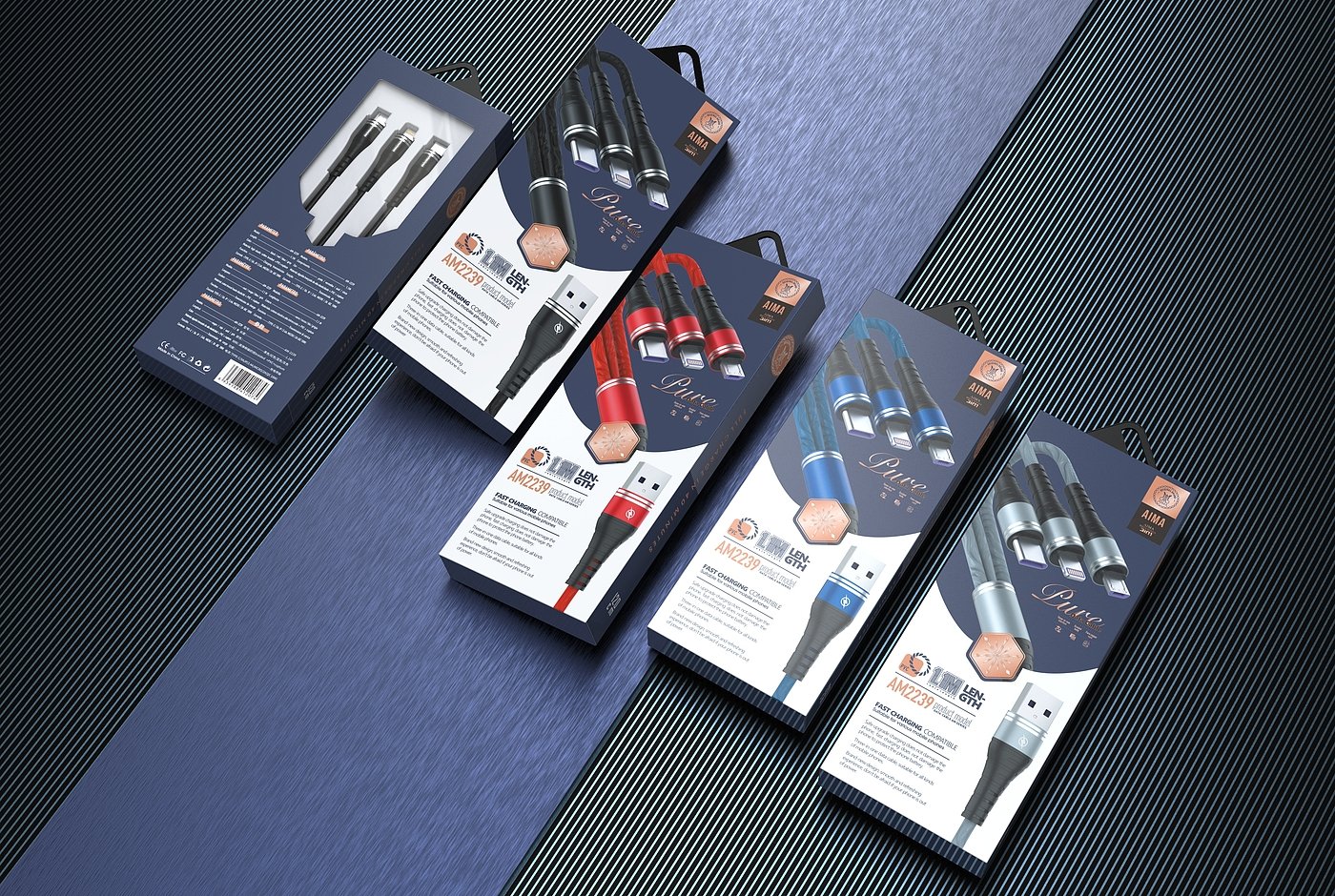
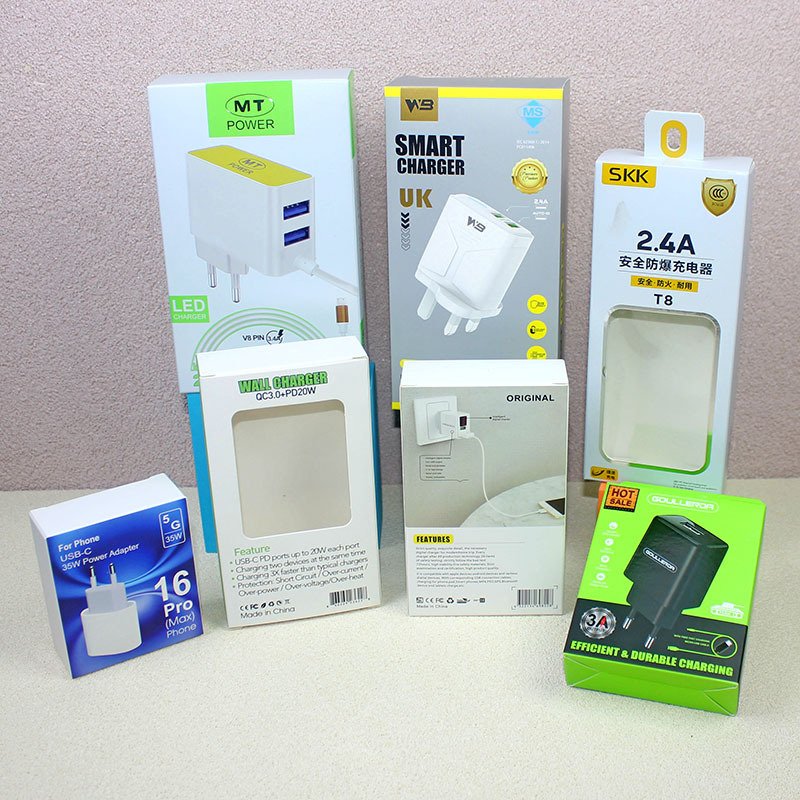
Chargers, adapters, cables, sensors, and small accessories can use compact folding cartons with internal compartments.
Smart Home Devices
Smart sensors, controllers, hubs, and connected devices often require organized compartments for the main device, cables, manuals, and accessories.
Consumer Electronics
Headphones, speakers, electronic tools, and other consumer products may benefit from presentation-focused trays combined with protective inserts.
Electronic Components
Components may require more emphasis on organization, identification, anti-static considerations, and logistics efficiency.
Premium Electronic Products
High-end products can use rigid-style paper boxes, magnetic closures, custom trays, and sophisticated printing finishes to create a premium presentation.
The important point is that an 電子機器の包装箱 should be designed around the actual product and distribution environment rather than using a generic packaging template.
16. Electronics Packaging Box and E-Commerce Shipping
E-commerce creates additional challenges for electronics packaging.
A retail package may look attractive on a store shelf, but it also needs to survive the distribution chain.
The package can encounter:
- Repeated handling
- Drops
- Compression
- Vibration
- Warehouse stacking
- Temperature variation
- Long-distance transportation
Therefore, an electronics packaging box intended for e-commerce may require stronger structural engineering than a package used primarily for controlled retail distribution.
Brands should communicate their shipping environment to the packaging manufacturer during the design stage.
This allows the manufacturer to balance presentation and transportation protection.
17. How to Select the Right Electronics Packaging Solution
When selecting an electronics packaging supplier, buyers should evaluate more than the quoted unit price.
Consider these questions:
- Does the supplier have experience with custom electronics packaging?
- Can the supplier develop custom structures?
- Can the supplier provide prototypes?
- Can the supplier recommend appropriate paperboard or corrugated materials?
- Can the supplier create custom inserts?
- Can the supplier support high-quality printing?
- Can the supplier maintain consistency during repeat production?
- Can the supplier handle large-volume orders?
- Can the supplier optimize packaging dimensions?
- Can the supplier communicate clearly during product development?
A low initial quotation may not represent the lowest total packaging cost.
Poor structural design, inconsistent production, excessive material consumption, or packaging damage during shipping can create much higher downstream costs.
The best supplier is therefore usually the one that can provide a complete and reliable electronics packaging solution.
18. Electronics Packaging Box Cost: What Determines the Price?
The cost of a custom electronics packaging box depends on multiple variables.
The major factors include:
- Box dimensions
- Paper or board material
- Material thickness
- Box structure
- Insert design
- Printing colors
- Surface finishing
- Special effects
- Order quantity
- Sampling requirements
- Assembly requirements
- Packaging complexity
- Shipping method
Higher production volumes can often reduce the unit cost because tooling, setup, and production expenses are distributed across more units.
However, cost optimization should not mean simply selecting the cheapest material.
A better strategy is to optimize the total packaging cost, including material consumption, manufacturing efficiency, logistics, storage, assembly, and product protection.
19. The Future of Electronics Packaging: Smarter, Simpler, and More Sustainable
The electronics packaging industry is moving toward more efficient and purpose-driven designs.
Future packaging trends are likely to include:
- More paper-based protective structures
- Reduced unnecessary packaging
- Smaller package footprints
- More efficient inserts
- Digital printing for short runs
- Personalized packaging
- QR-code-based product information
- Improved recycling communication
- More efficient e-commerce packaging
- Greater integration between packaging engineering and product development
At the same time, premium brands will continue to use packaging as part of their customer experience.
This means the future of electronics packaging is not necessarily about making boxes more elaborate. It is about making them more intelligent.
A successful package should use materials efficiently, protect the product effectively, communicate the brand clearly, and create a positive customer experience.
20. FAQ: Custom Electronics Packaging Box
What is an electronics packaging box?
An electronics packaging box is a customized packaging structure designed to protect, organize, present, and transport electronic products and their accessories. It may include paperboard, corrugated board, custom inserts, trays, sleeves, or other protective components.
What materials are commonly used for electronics packaging?
Common materials include paperboard, kraft paper, coated paperboard, recycled paperboard, and corrugated board. The appropriate choice depends on product weight, protection requirements, printing requirements, budget, and sustainability goals.
Can paper boxes protect electronic products?
Yes. Properly engineered 紙箱 can provide effective protection when combined with suitable structural design and internal inserts. Protection depends on the complete packaging system rather than the outer paper box alone.
Can an electronics packaging box be fully customized?
Yes. A custom packaging manufacturer can customize dimensions, structure, compartments, inserts, printing, finishing, opening method, and branding according to the product and application.
Is paper packaging sustainable for electronics?
Paper-based packaging can provide sustainability advantages, particularly when packaging is designed to reduce material use and unnecessary components. However, recyclability depends on the complete material structure, coatings, adhesives, inks, and local recycling infrastructure.
How do I choose a custom paper box manufacturer?
Look for a supplier with proven experience in structural design, prototyping, material selection, printing, quality control, and mass production. For electronics, experience with protective packaging and custom inserts is particularly valuable.
Building a Better Electronics Packaging Box
A high-quality 電子機器の包装箱 is the result of balancing multiple requirements rather than optimizing only one.
It must protect the electronic product during transportation, organize accessories, create an intuitive unboxing experience, communicate the brand, control manufacturing costs, and respond to growing sustainability expectations.
The most effective approach is to treat packaging as an integrated engineering and branding project:
Product Analysis → Structural Design → Material Selection → Protective Insert → Branding → Prototype → Testing → Production → Quality Control
For brands looking for a reliable electronics packaging solution, working with an experienced custom packaging manufacturer can simplify this process and reduce development risks.
With more than ten years of experience in customized paper packaging, BM provides custom paper boxes, packaging displays, paper bags, and other paper packaging solutions for brands across multiple industries.
For electronic products, BM can help transform product requirements and brand concepts into practical, customized electronics packaging boxes designed around protection, presentation, production efficiency, and sustainability.
BM — Your Custom Paper Box Manufacturing Partner for Professional, Branded, and Sustainable Electronics Packaging.
BMペーパーボックスメーカーについて
当社は、10年の業界経験を持つ、紙製パッケージボックスのカスタマイズを専門とする工場です。独創的なデザインと卓越した技術を駆使し、家電製品、医療機器消耗品、化粧品など、幅広い分野に対応した高品質なカスタマイズパッケージソリューションを提供することで、お客様の製品に無限の魅力を添えます。.
プロの紙製パッケージボックスカスタマイズ工場として、当社は家電製品、医療機器消耗品、化粧品など幅広い分野に対応しています。高級家電製品の洗練されたギフトボックス、医療機器のプロフェッショナルなパッケージ、化粧品のファッショナブルな外箱など、お客様のニーズと製品の特性に合わせて最適なパッケージソリューションをご提案いたします。当社の専門性は多くのブランド顧客から高く評価され、信頼できるパートナーとして認められています。.
BMペーパーボックスファクトリーを選ぶ理由
最高品質:中国有数のカスタム紙箱メーカーとして、当社の品質管理チームは、お客様にお届けするすべての製品が最高品質であることを保証します。当社はプロ仕様の品質検査機を保有しています。.
製品設計:当社のサンプル部門は、図面を実際の製品に仕上げる全工程を網羅しています。また、長年の経験に基づき、お客様の製品設計を改善いたします。ぜひご意見をお聞かせください。.
安定した納期:最高のギフトボックスメーカーおよびサプライヤーとして、当社は十分な製造能力を有しており、大量注文でも対応可能です。お客様のご注文を期日通りにお届けいたします。.
最安値:当社は紙箱の製造工場であり、中国で最高のメーカーです。そのため、最高品質の袋を最安値で提供できます。.
精密な管理:精密な管理を実施しなければ、何も達成できません。当社は、包括的な管理システムを備えた企業です。.
24時間365日対応:最高の紙箱メーカーとして、24時間365日迅速に対応いたします。お客様からのフィードバックを参考に、より良いサプライヤーを目指します。お問い合わせください。(+86 18925520049)
BMペーパーボックスに関するよくある質問
当社は中国の大手メーカーであり、工場は東莞市にあります。ぜひ工場見学にお越しください!
• 当社は、特にギフト包装分野において、紙製包装製品の専門サプライヤーです。多目的に使用できる様々な種類の紙箱や紙袋を製造できます。.
・当社はワンストップサービスを提供しており、お客様のご要望に応じたカスタムデザインも承ります。.
・もちろん、通常は無料サンプルをご提供いたしますので、送料のみご負担ください。カスタム印刷サンプルをご希望の場合は、サンプル費用を確認するため、ご要望をお送りください。.
・サンプル製作には約7日かかります。.
はい、弊社では無料のデザインサービス、構造設計、簡単なグラフィックデザインを提供しています。.
もちろんです。お客様のデザインでどんなパッケージでも製作可能です。現在、100個から500個までの少量生産に対応したODMパッケージサービスを開始しており、もちろんお客様独自のロゴを入れることもできます。.
注文数量と生産内容によって異なりますが、約15日から20日程度かかります。.
量産前には必ず試作品を作成し、出荷前には必ず最終検査を実施する。
・サイズ、素材、印刷の詳細、数量、配送先など.
・お客様のご要望をお聞かせいただければ、弊社から最適な製品をご提案いたします。.
・海上輸送、航空輸送、または速達便による輸送。.
• 中国国内に自社輸送業者をお持ちの場合、それは工場出荷価格またはFOB価格となります。.
•CFRまたはCIFなど。当社がお客様の代理で発送する必要がある場合。.
• DDPおよびDDUも使用できます。.
•より多くの選択肢をご用意いたします。ご希望に合わせて対応させていただきます。.
• 価格は数量、材質、加工方法、サイズなどの要因によって決まります。さらに、当社は継続的に
技術革新により、当社の製品の一部価格は非常に競争力があります。お見積もりをご希望の場合は、お問い合わせください。.