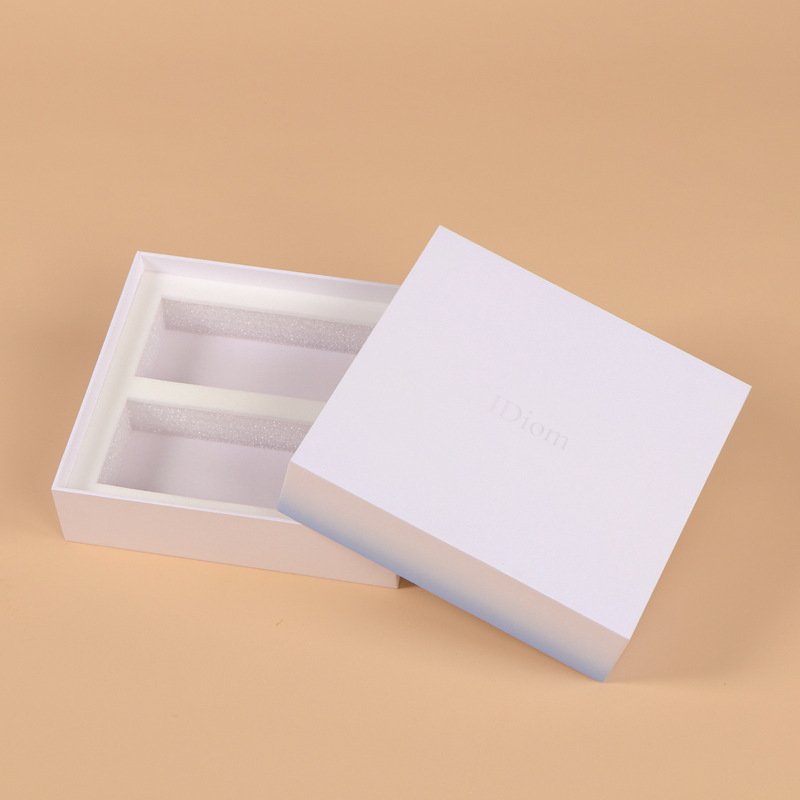









In recent years, digital printing has become an increasingly important part of packaging: for brands wanting flexibility, quick turnaround, personalization, small runs, and more sustainable options. For a paper-box packaging manufacturer like you, understanding digital printing in depth helps you advise clients better, choose the right jobs, manage cost/quality trade-offs, and stay competitive.
1. What is Digital Printing for Packaging
Digital printing in packaging refers to printing methods that accept digital files as source (e.g. a PDF, image, vector) and print directly onto packaging substrates (paperboard, folding carton stock, some corrugated board, etc.) without needing printing plates or printing forms for each job. This is unlike offset or flexographic printing which require physical plates or cylinders.
Some features of digital printing for packaging:
It allows variable data printing (changing artwork, graphics, text per piece — e.g., SKU variations, names, promotional codes) within a single run.
It has lower setup overhead because no plates or forms are needed, which leads to faster proofs, sample runs, prototyping.
It is suitable for short to medium production runs. As volumes increase, per-piece cost often becomes higher compared to more traditional printing methods.
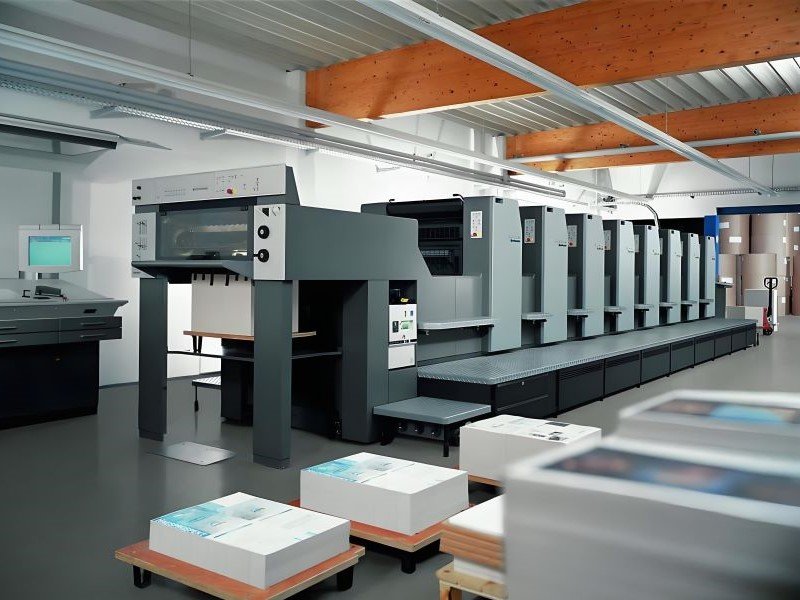
2. How Digital Printing Works (Processes & Technologies)
Digital printing isn’t just one single method; there are multiple technologies and workflow steps. Knowing them helps you decide what equipment, what substrates, what finishing, and what cost you can offer.
Technologies
Electrophotographic / Toner-based Printing: Similar in concept to laser printing. Uses toner that is fused to the substrate using heat. Good for many paperboard or coated boards. Less liquid ink, often faster.
Inkjet Printing: Print heads shoot droplets of ink onto the substrate. There are variations (piezoelectric heads, thermal, etc.). Inkjet offers flexibility, wide color gamut, and increasingly good resolution. Some inkjet presses are flatbed, some roll-to-roll.
UV-Cured or UV Ink Digital Printing: Uses UV inks that cure quickly (via UV lamps) once printed. Useful for faster drying, sometimes more resistant to smudge or moisture. Also allows for special substrates or coatings.
Hybrid Presses / Imprinting Systems: Some systems combine conventional printing (offset, flexo) with digital imprinting for variable data or personalization. For example, adding digital printing heads to flexo/offset lines.
Workflow / Steps
Artwork Preparation
Digital files (PDF, TIFF, vector) prepared with correct color space, bleed, die‐lines, etc.
If variable data is required, prepare templates and data sources.
Substrate Selection & Pre-Treatment
Choose paperboard, folding carton, corrugated, etc., with coatings or finishes compatible with digital inks (absorption, curl, rigidity).
Sometimes pre-coating or primer needed to help ink adhesion.
Printer Setup & Calibration
Configure printer with correct ink settings, color profiles, resolution.
Ensure substrate feed, registration (alignment), and drying/curing are properly tuned.
Proof / Sample Run
It’s often possible (and useful) to do sample runs or proofs to check color, registration, substrate behavior.
Production Run
Run printing. Track metrics like throughput, ink usage, substrate waste, color drift.
Finishing
After printing: die-cutting, folding, gluing, lamination or varnish if required, possibly additional embellishments.
Quality Control
Check for print defects (banding, color bleed, smearing, registration error), substrate issues (curl, warping), finishing alignment.

3. Key Advantages of Digital Printing in Packaging
Digital printing offers several benefits that are especially relevant in today’s packaging market. Here are the major ones:
| Advantage | What It Enables / Why It Matters |
|---|---|
| Low Setup Cost | Because no plates/forms are needed, the cost to start is much lower. This means small or medium production runs, test runs, seasonal SKUs, or customized designs are more affordable. |
| Fast Turnaround Time | Artwork changes, proofs, approvals, and printing can happen faster. Good for tight deadlines, product launches, or changes in branding/design. |
| Variable Data & Personalization | Ability to print different graphics, text, codes, or other variable data on each package. Useful for promotions, personalization, region-specific designs, etc. |
| Flexibility in Design | Because the setup phase is quicker and less costly, designers can experiment more. Versions, small design tweaks, limited editions, packaging tests are more feasible. |
| Lower Waste / More Eco Friendly Potential | Less waste in prepress (no plates), less overproduction, more precise runs. Some digital systems use eco-friendly inks. Can match production to demand more closely to avoid excess inventory. |
| Good Quality for Many Applications | While sometimes not as precise as offset in extremely demanding scenarios, digital printing quality has improved a lot. For many packaging needs, the visual difference is minimal. |
4. Limitations / Trade-Offs of Digital Printing
No method is perfect. Digital printing has trade-offs and limitations that manufacturers and brands need to be aware of, so as to choose wisely or manage client expectations.
| Limitation | Why It Happens / What Effects It Causes |
|---|---|
| Higher Per-Unit Cost for Large Volumes | Because digital printing cost doesn’t fall dramatically with volume (unlike offset or flexo when plates are spread out), for large production runs digital becomes comparatively more expensive. |
| Substrate / Material Limitations | Not all materials are compatible: thick rigid boards, very textured or unusual finishes, heavy coatings may not absorb ink well or may cause issues (smudging, curling, poor adhesion). |
| Color Matching / Spot Colors Limitations | Digital usually works in CMYK or other limited color sets; exact brand spot or Pantone colors may be hard to match precisely, esp. over different print runs or when comparing digital vs offset. |
| Durability / Finish Constraints | Some finishes (UV varnish, foils, embossing) or certain coatings are harder or more expensive to integrate. Printed inks may be more prone to scratching or fading depending on the ink used and the substrate. |
| Size / Format Constraints | Some digital presses have limitations: maximum sheet size, maximum board thickness, or limitations in handling certain die-cuts or windows. Very large box faces or unusual structures may challenge some digital presses. |
| Consistency over Very Long Runs | For very large volume or for reorders over time, offset provides more stable color consistency. Digital color may drift or vary more, unless well managed. |
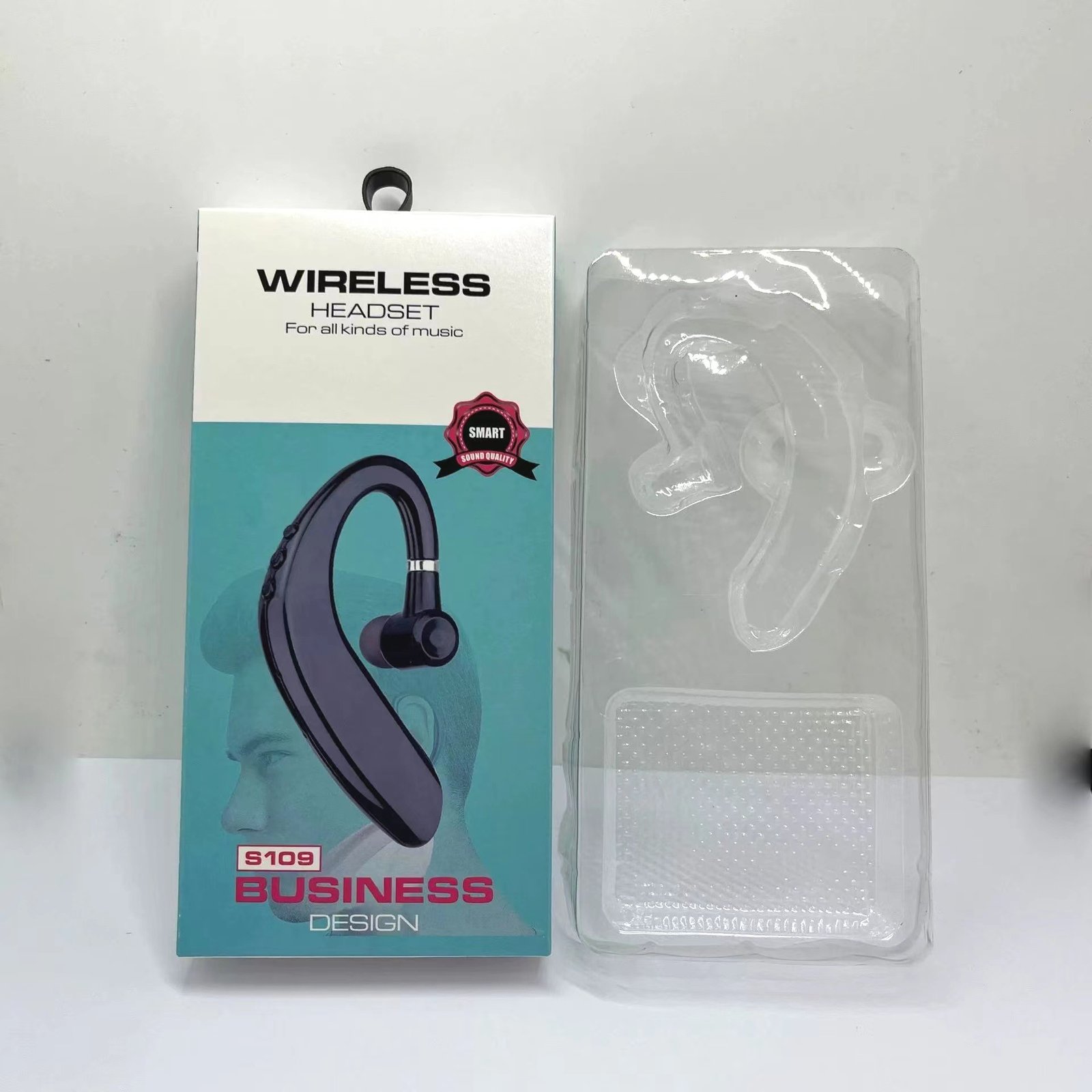
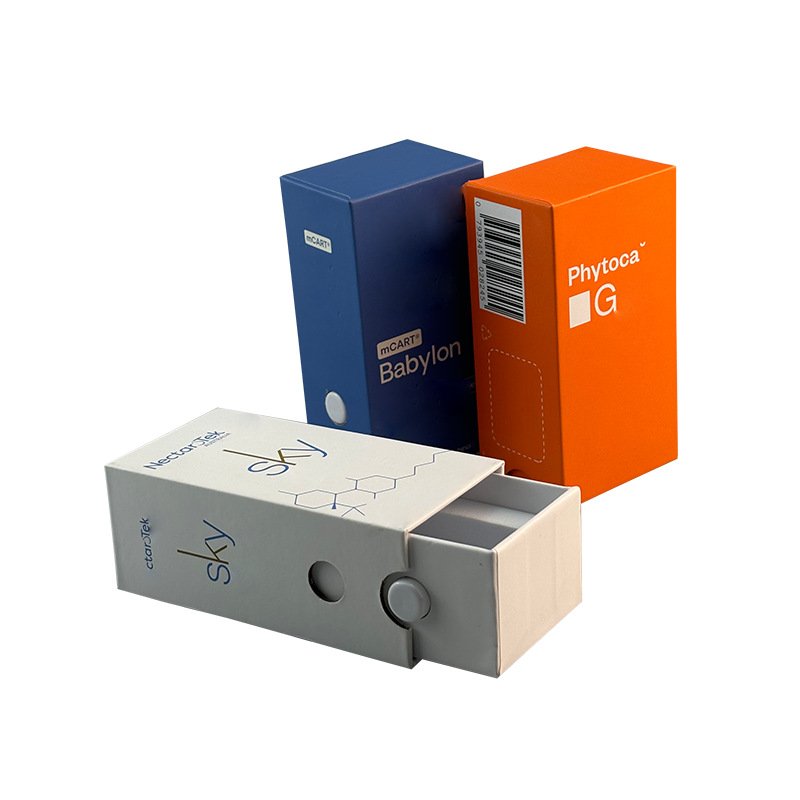
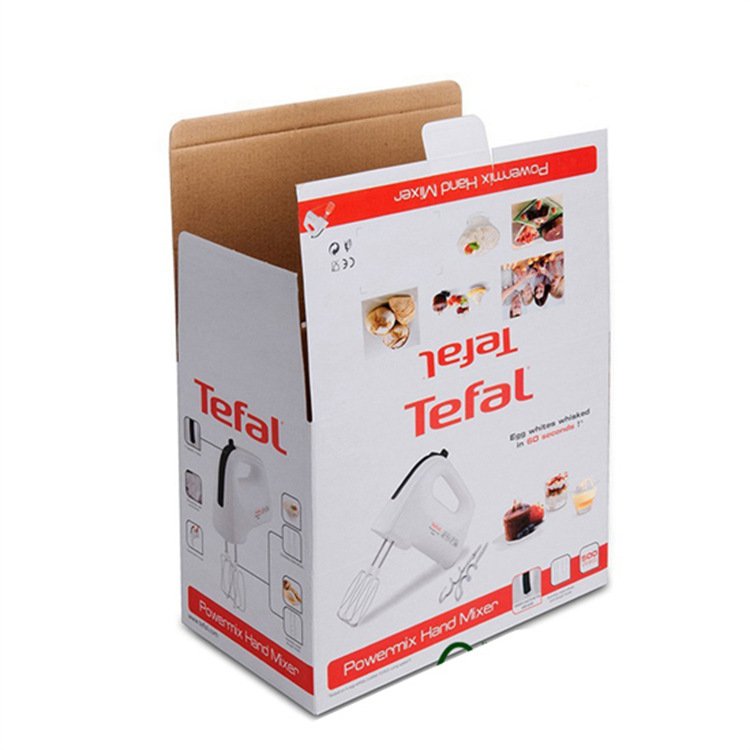
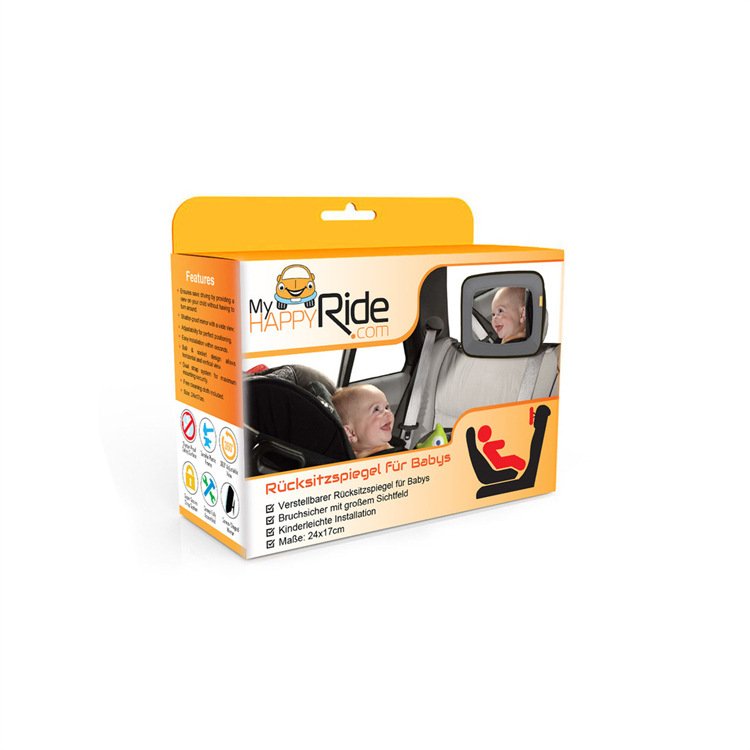
5. Digital vs Traditional (Offset, Flexo, etc.) – Comparison
To choose which printing method is best for a particular packaging job, it helps to compare digital vs traditional methods along key dimensions.
| Feature | Digital Printing | Offset Printing / Flexo / Traditional |
|---|---|---|
| Setup / Prepress | Minimal: no plates, fast proofing and adjustments. | High: plates/forms, setup time, alignment etc. |
| Cost for Small Runs | More cost-efficient: low MOQ, less fixed cost. | Expensive upfront, cost per unit high for small runs. |
| Cost for Large Runs | Per unit cost remains relatively higher; may not scale down enough. | Excellent economies of scale; cost per unit drops significantly. |
| Variable Data & Customization | Strong: supports personalization, multiple SKUs, frequent design changes. | Weak: changing artwork means new plates; not ideal for lots of variants. |
| Color Matching & Spot Colors | Less precise for spot/Pantone; mostly CMYK or less flexible color sets. | Better support for spot colors, consistent color fidelity, richer gamut. |
| Speed / Turnaround | Fast: less setup, quick proofs, possible same-day or 1-2-day in many cases. | Slower: setup, drying, finishing etc. Takes more time. |
| Material & Format Flexibility | Good with many paperboard/folding carton stocks; limited with heavy texture, extreme thickness. | Broader range of substrates and finishes; better for thick/rigid boards. |
| Finish / Embellishment Options | Some finishing available; but complex embellishments more costly or limited. | More finishing options integrated; easier to combine finishes, special coatings, foils etc. |
| Sustainability | Lower waste with setup; less waste of plate/form; ability to produce on demand; but depends on inks, substrate, finish. | Potential higher waste in setup; but many traditional printers using eco-coatings, recycling, etc. |
6. When to Choose Digital Printing / Use Case Scenarios
Knowing when digital printing is the better choice helps you decide for your clients which jobs to pitch as digital, which as offset/traditional, or possibly hybrid.
Ideal Scenarios for Digital Printing
Short Runs / Prototypes / Test Packaging: When a brand needs to test designs, packaging concepts, or make limited edition versions. Digital allows cheaper and faster prototyping.
Seasonal Promotions / Limited Editions: Special packaging, holiday themes, regional variations, or gift packs where only a limited number are needed.
Personalized & Variable Data Packaging: When each package may need different text, name, code, or design (e.g. gifts, commemorative editions).
Tight Deadlines / Quick Turnarounds: When timing is critical and delays from plate setup etc. are unacceptable.
Low Minimum Order Quantities: For startups, small brands, or SKUs with low demand. Digital helps avoid high minimums.
Multiple SKUs / Design Iterations: If a product line has many variants (flavors, colors, sizes) and frequent design changes.
When Digital May Not Be the Best Match
Very large order volumes where cost per unit is crucial.
When precise brand color matching or spot colors (Pantone) are required across large batches.
When substrates are very thick, textured, or unusual, and the digital press cannot handle them well.
When high durability, advanced finishing (foil, emboss, deep UV varnish, etc.) is required that digital printing or finishing may not support or may make costly.
Hybrid Strategy
Many brands and manufacturers adopt hybrid strategies: use digital for small runs, proofing, promotions or variant SKUs; use offset or traditional printing for core product lines and high-volume SKUs. This lets you combine the advantages: flexibility + lower per-unit cost for mass quantities.

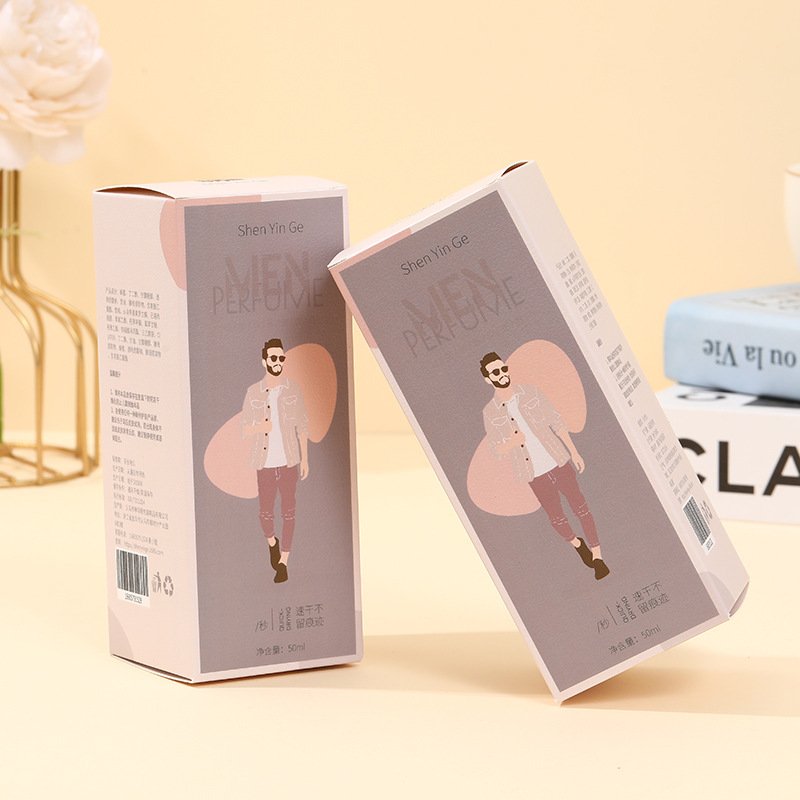
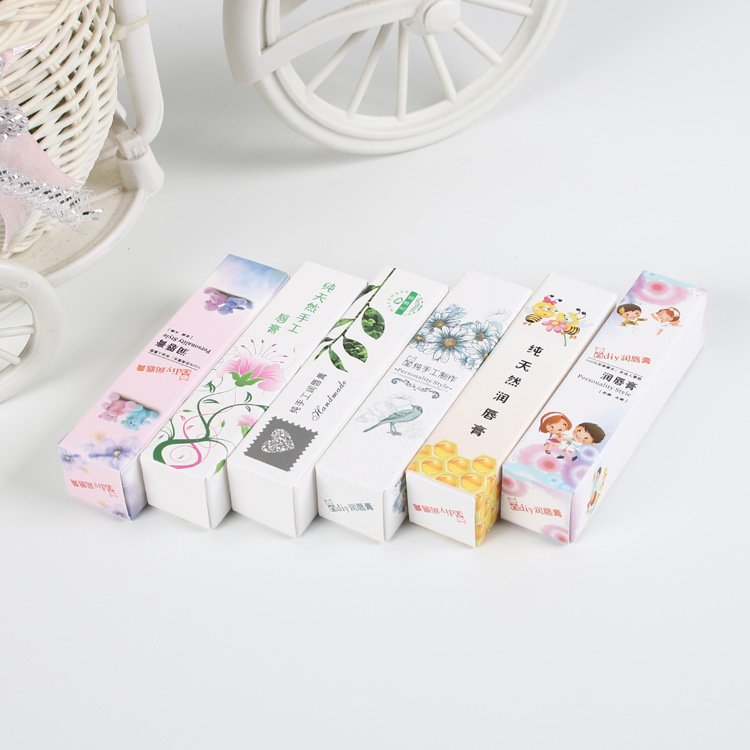
7. Technical & Material Considerations / Best Practices
As a manufacturer, ensuring top quality in digital printing involves several technical and material details. Below are best practices you can follow (and advise clients to support).
Prepare High-Quality Artwork & Proofs
Use high res image files; correct color profiles; check bleed, margins, die lines.
Proof on the actual substrate if possible. Digital print proofs help catch color drift or paper texture issues.
Choose Appropriate Substrate / Paperboard Stock
Surface finish: coated vs uncoated; gloss or matte. Coated boards tend to handle ink better in digital.
Board weight and rigidity: ensure board is flat enough, doesn’t warp after printing.
Thickness: ensure the digital press and finishing operations (die-cutting, folding, etc.) can handle the thickness.
Ink Types & Drying / Curing
Use inks suited for digital printing: water-based, UV curable, pigment or dye inks depending on effect.
Drying or curing is crucial: poor drying leads to smudging, blocking (ink sticking), or scratches.
Color Management
Use calibration, ICC profiles, test prints. Color consistency across batches is a challenge.
Be transparent with clients about what color fidelity can be expected vs ideal.
Finishing & Post-Print Handling
Cutting, folding, gluing operations must account for ink density (areas of heavy ink may crack at folds).
Consider that sometimes finishing (lamination, varnish, UV coat) is needed to protect the print.
Quality Control
Inspect for banding, registration issues, color variation, substrate defects.
Sample boxes / early run checks to catch defects early.
Equipment Capabilities
Know the limitations of your digital presses: maximum sheet size, thickness, speed, color gamut.
Maintain the presses: regular cleaning, calibration, maintenance to keep print quality high.
8. Finishing, Color, Substrate & Quality Control
Having covered general considerations, here are more advanced or specific areas that often make the difference between “good digital-printed box” and “great”.
Substrate & Surface Interaction
Gloss vs Matte Coated Boards: Coated surfaces help with crispness, saturation, brilliant color; matte or textured surfaces may absorb ink more, causing softer look.
Uncoated / Natural Boards: For eco or rustic looks; but require careful selection and sometimes pre-treatment.
Special Effects & Embellishments
Partial or Full UV Varnish
Spot Lamination or Gloss / Matte varnish for contrast
Foil or Metallic Elements: sometimes more challenging or expensive with digital workflows; may require hybrid finishing.
Raised/Embossed Effects: less common directly in digital, but possible via post-print finishing or hybrid presses.
Color Accuracy & Consistency
Use consistent color profiles. ICC profiles per substrate type help.
For important brand colors, run test prints; compare to physical color standards.
Expect some variation; manage client expectations, especially if reorders are spread over time.
Handling & Durability
Ink adhesion: ensure inks are well adhered so scratches or abrasion during shipping/handling are minimized.
Resistance to moisture, fading under light (if packaging to be exposed).
Size, Layout & Imposition
Efficient layout to minimize waste: imposition that nests box dielines to reduce substrate waste.
Consider bleed / safe area in designs to avoid white edges.
9. Sustainability, Cost & Lead Time
These are often key concerns for clients, and digital printing has interesting profiles in these areas.
Sustainability
Digital printing generally has less waste in setup: no plates, fewer proof sheets, less idle press time.
Potential for print-on-demand or small batches means less overproduction / obsolete inventory.
Some digital presses use eco-friendly inks (water-based or UV curable) and offer practices that reduce volatile organic compounds (VOCs).
Cost
Upfront costs are lower: no plates, less setup labor.
Per unit cost is higher compared to offset for large volumes. There’s often a “break-even point” in quantity where offset becomes more cost-efficient. For many packaging jobs this may be in the thousands of units.
Also consider finishing, substrate, shipping, and waste costs.
Lead Time
Digital printing allows much faster turnaround: proofs to printed packaging in hours or a few days rather than many days/weeks.
Change orders / design tweaks are cheaper and faster.
10. Case Studies & Examples
To make the abstract concrete, here are illustrative examples of how digital printing has been used successfully, and what lessons they provide.
Example A: Startup Product Launch with Multiple SKUs
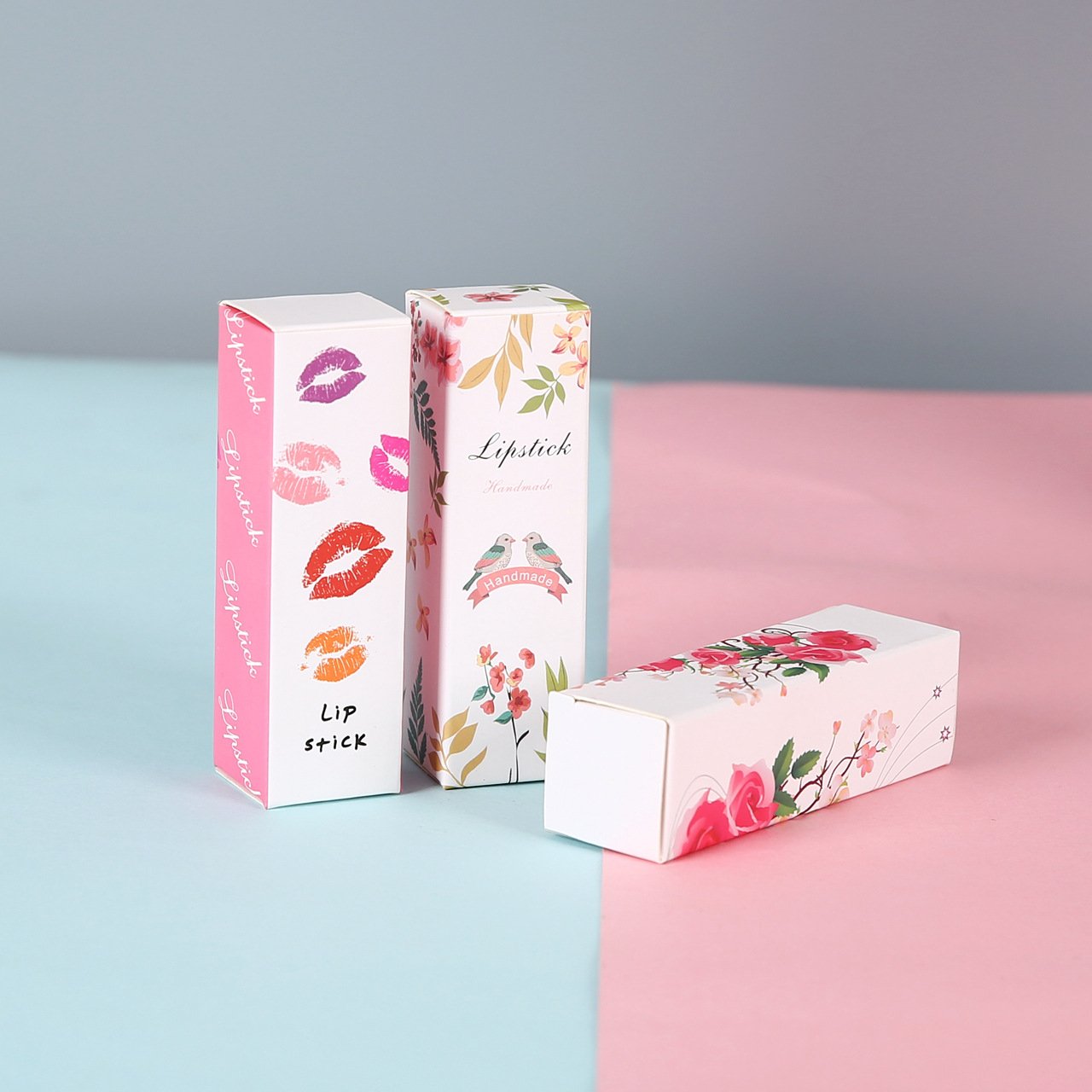
A small cosmetics brand is launching three scent variants in limited test markets. They want to test packaging designs, get feedback, not commit too much upfront cost.
Chosen Approach: Digital printing for all three variants in a small batch (say a few hundred boxes of each). Use CMYK; no spot colors. Use a coated board that is compatible with digital inks.
Outcome: They able to get prototypes quickly, test shelf appeal, tweak designs in next batch. Because quantity is small, digital is cost-effective; brand feedback helps refine packaging before investing in larger volumes.
Example B: Personalized / Limited Edition Packaging
A tea brand wants to offer gift boxes with names or custom messages (for holidays, gifts).
Approach: Digital printing to allow variable copy per box (e.g. recipient’s name), maybe small design elements that vary.
Benefit: Adds value, emotional connection, can charge premium; allows scalable personalization without separate plates per design.
Example C: Seasonal or Promotional Packaging
A snack food company needs a holiday-edition folding carton for a limited season.
Approach: Digital printing for special holiday graphics; using digital allows them to order a smaller quantity, reduce risk of leftover inventory.
Lesson: For this use, digital reduces waste and cost risks; finish and substrate selection matter to ensure appearance remains premium.
Example D: Hybrid Packaged Runs
A larger brand may use offset printing for its core SKUs which sell regularly in high volume, but use digital for regional variants, promotions, or new product testing. This mix lets them get cost efficiency plus flexibility.
11. Practical Advice & Tips for Manufacturers & Clients
Given your manufacturing experience, here are practical recommendations to make digital printing perform well in your operations, and to help clients make good decisions.
Invest in high-quality digital presses: Presses that can handle thick boards, good substrate feeds, high resolution, reliable ink types (including UV / eco-friendly inks) will reduce defects.
Maintain a portfolio of substrate types pre-tested for your digital presses: coated, uncoated, textured, various board thicknesses. This lets you quickly quote jobs and avoid surprises.
Standardize artwork / color profiles: Build profile libraries per substrate, so that when a client orders, you can reference proven profiles that deliver acceptable color results.
Offer proofs / samples: Especially for first runs or color critical jobs, giving a sample box printed under final materials helps manage client expectations and reduce complaints.
Think finishing early in design: Cuts, folds, varnish, coatings etc. affect digital printing. Plan dielines, ensure finishing operations align with printed artwork.
Educate clients / set expectations: Some may expect digital to look identical to offset. Be transparent about what differences may appear in gloss, spot color matching, durability.
Control production costs: Efficient imposition, nesting of dielines, minimizing waste, optimizing ink usage, etc.
Manage logistics & scheduling: Digital printing helps reduce lead time, but finishing, shipping, and secondary operations may still add delay—ensure overall project planning accounts for that.
Sustainability practices: Use eco-friendly inks, source recycled or FSC-certified substrates, minimize waste, recycle offcuts, offer printing options that align with client’s environmental goals.
Digital printing for packaging boxes is powerful
Digital printing for packaging boxes is a powerful, flexible option that is especially attractive for:
small to medium runs, prototypes, seasonal/promotional or limited edition packaging
packaging with variable data or customization
clients who want fast turnaround or who expect design changes
those with strong sustainability goals or who prefer lower upfront costs
However, digital printing is not always the best for every job: when volumes are large, when exact color matching / spot color / premium finishing is essential, or where substrate or finish requirements are beyond what digital presses can reliably handle, more traditional methods (offset, flexo, etc.) may be better.
BMペーパーボックスメーカーについて
当社は、10年の業界経験を持つ、紙製パッケージボックスのカスタマイズを専門とする工場です。独創的なデザインと卓越した技術を駆使し、家電製品、医療機器消耗品、化粧品など、幅広い分野に対応した高品質なカスタマイズパッケージソリューションを提供することで、お客様の製品に無限の魅力を添えます。.
プロの紙製パッケージボックスカスタマイズ工場として、当社は家電製品、医療機器消耗品、化粧品など幅広い分野に対応しています。高級家電製品の洗練されたギフトボックス、医療機器のプロフェッショナルなパッケージ、化粧品のファッショナブルな外箱など、お客様のニーズと製品の特性に合わせて最適なパッケージソリューションをご提案いたします。当社の専門性は多くのブランド顧客から高く評価され、信頼できるパートナーとして認められています。.
BMペーパーボックスファクトリーを選ぶ理由
最高品質:中国有数のカスタム紙箱メーカーとして、当社の品質管理チームは、お客様にお届けするすべての製品が最高品質であることを保証します。当社はプロ仕様の品質検査機を保有しています。.
製品設計:当社のサンプル部門は、図面を実際の製品に仕上げる全工程を網羅しています。また、長年の経験に基づき、お客様の製品設計を改善いたします。ぜひご意見をお聞かせください。.
安定した納期:最高のギフトボックスメーカーおよびサプライヤーとして、当社は十分な製造能力を有しており、大量注文でも対応可能です。お客様のご注文を期日通りにお届けいたします。.
最安値:当社は紙箱の製造工場であり、中国で最高のメーカーです。そのため、最高品質の袋を最安値で提供できます。.
精密な管理:精密な管理を実施しなければ、何も達成できません。当社は、包括的な管理システムを備えた企業です。.
24時間365日対応:最高の紙箱メーカーとして、24時間365日迅速に対応いたします。お客様からのフィードバックを参考に、より良いサプライヤーを目指します。お問い合わせください。(+86 18925520049)
BMペーパーボックスに関するよくある質問
当社は中国の大手メーカーであり、工場は東莞市にあります。ぜひ工場見学にお越しください!
• 当社は、特にギフト包装分野において、紙製包装製品の専門サプライヤーです。多目的に使用できる様々な種類の紙箱や紙袋を製造できます。.
・当社はワンストップサービスを提供しており、お客様のご要望に応じたカスタムデザインも承ります。.
・もちろん、通常は無料サンプルをご提供いたしますので、送料のみご負担ください。カスタム印刷サンプルをご希望の場合は、サンプル費用を確認するため、ご要望をお送りください。.
・サンプル製作には約7日かかります。.
はい、弊社では無料のデザインサービス、構造設計、簡単なグラフィックデザインを提供しています。.
もちろんです。お客様のデザインでどんなパッケージでも製作可能です。現在、100個から500個までの少量生産に対応したODMパッケージサービスを開始しており、もちろんお客様独自のロゴを入れることもできます。.
注文数量と生産内容によって異なりますが、約15日から20日程度かかります。.
量産前には必ず試作品を作成し、出荷前には必ず最終検査を実施する。
・サイズ、素材、印刷の詳細、数量、配送先など.
・お客様のご要望をお聞かせいただければ、弊社から最適な製品をご提案いたします。.
・海上輸送、航空輸送、または速達便による輸送。.
• 中国国内に自社輸送業者をお持ちの場合、それは工場出荷価格またはFOB価格となります。.
•CFRまたはCIFなど。当社がお客様の代理で発送する必要がある場合。.
• DDPおよびDDUも使用できます。.
•より多くの選択肢をご用意いたします。ご希望に合わせて対応させていただきます。.
• 価格は数量、材質、加工方法、サイズなどの要因によって決まります。さらに、当社は継続的に
技術革新により、当社の製品の一部価格は非常に競争力があります。お見積もりをご希望の場合は、お問い合わせください。.