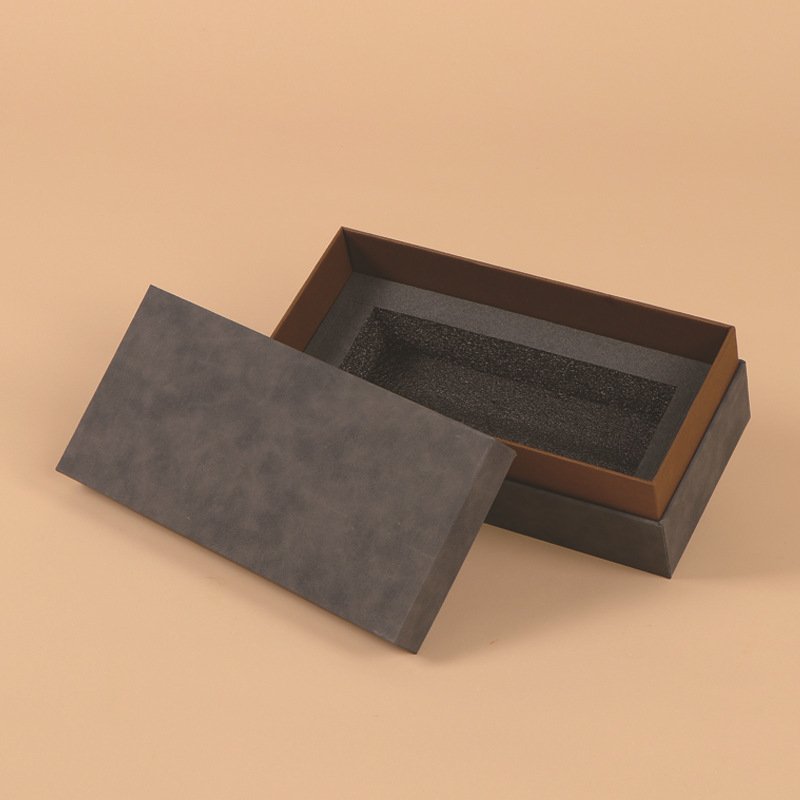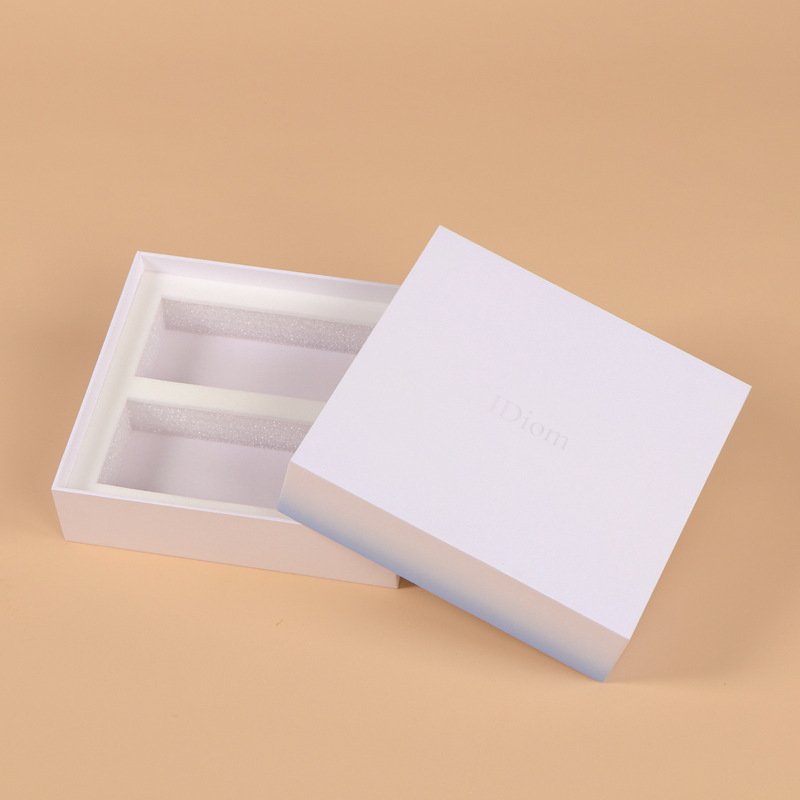








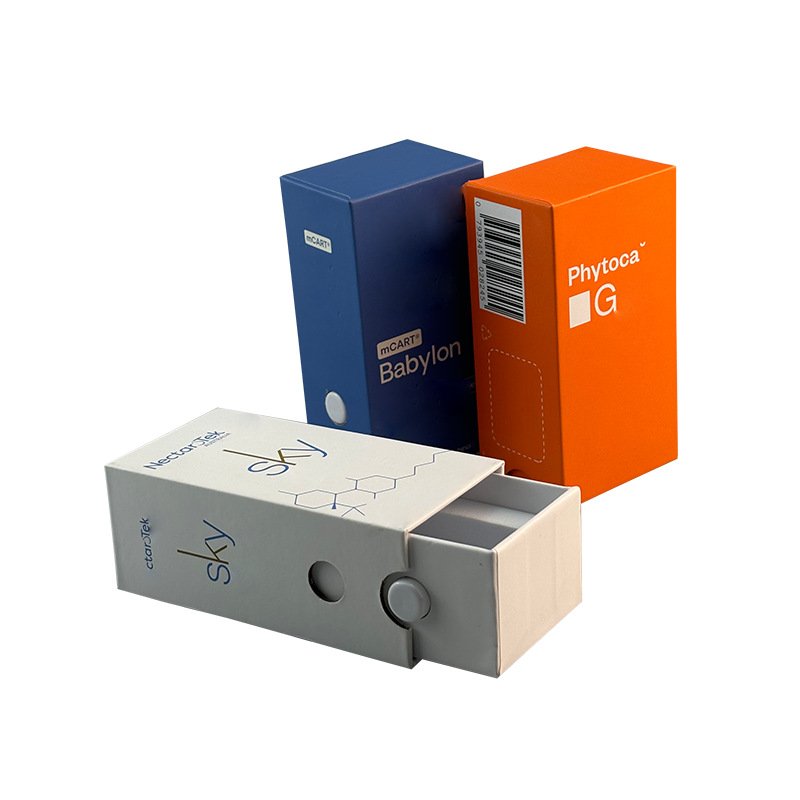
In today’s premium packaging market, brands are no longer satisfied with standard folding cartons. Instead, they demand innovative, complex packaging boxes with magnetic closures, drawer systems, hidden flaps, and multi-layer opening experiences.
These advanced structures elevate brand value—but they also introduce a critical risk:
👉 What happens if the box doesn’t close properly after production? Who is responsible?
This is one of the most common disputes between brands, designers, and manufacturers.
At BM, with over 10 years of experience in custom packaging boxes, display stands, and paper-based solutions, we help clients bridge the gap between creative design and manufacturable reality.
This guide explains:
- What dieline setup means for complex packaging boxes
- Why closure issues happen
- Who is responsible in different scenarios
- How to prevent problems before production

What Is a Dieline in Packaging Boxes Design?
A dieline is the technical blueprint of packaging boxes. It defines:
- Cut lines
- Fold lines
- Glue areas
- Structural dimensions
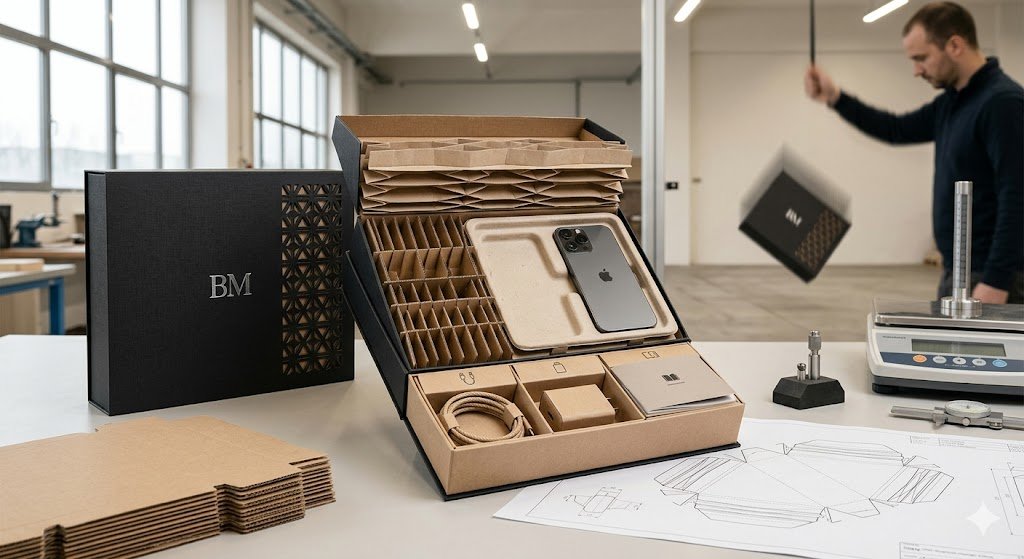
For simple packaging boxes, dielines are straightforward. But for complex structures, they become engineering documents that determine whether the box will function correctly.
Why Complex Packaging Boxes Often Fail to Close Properly
Closure issues are rarely caused by a single factor. They usually result from a combination of design and production variables.
1. Incorrect Dieline Dimensions
Even a 1–2 mm error can cause:
- Misalignment
- Loose or tight closures
- Structural instability
2. Material Thickness Miscalculation
Designers often forget:
- Paper thickness
- Lamination layers
- Board stiffness
This leads to inaccurate folding behavior.
3. Overly Complex Structure Design
Innovative packaging boxes may include:
- Multiple folds
- Hidden locks
- Magnetic closures
Without proper engineering, these features can fail.
4. Poor Tolerance Control
Manufacturing tolerances must be considered:
- Cutting deviation
- Folding variation
- Glue positioning
5. Lack of Prototyping
Skipping sample testing is one of the biggest risks.
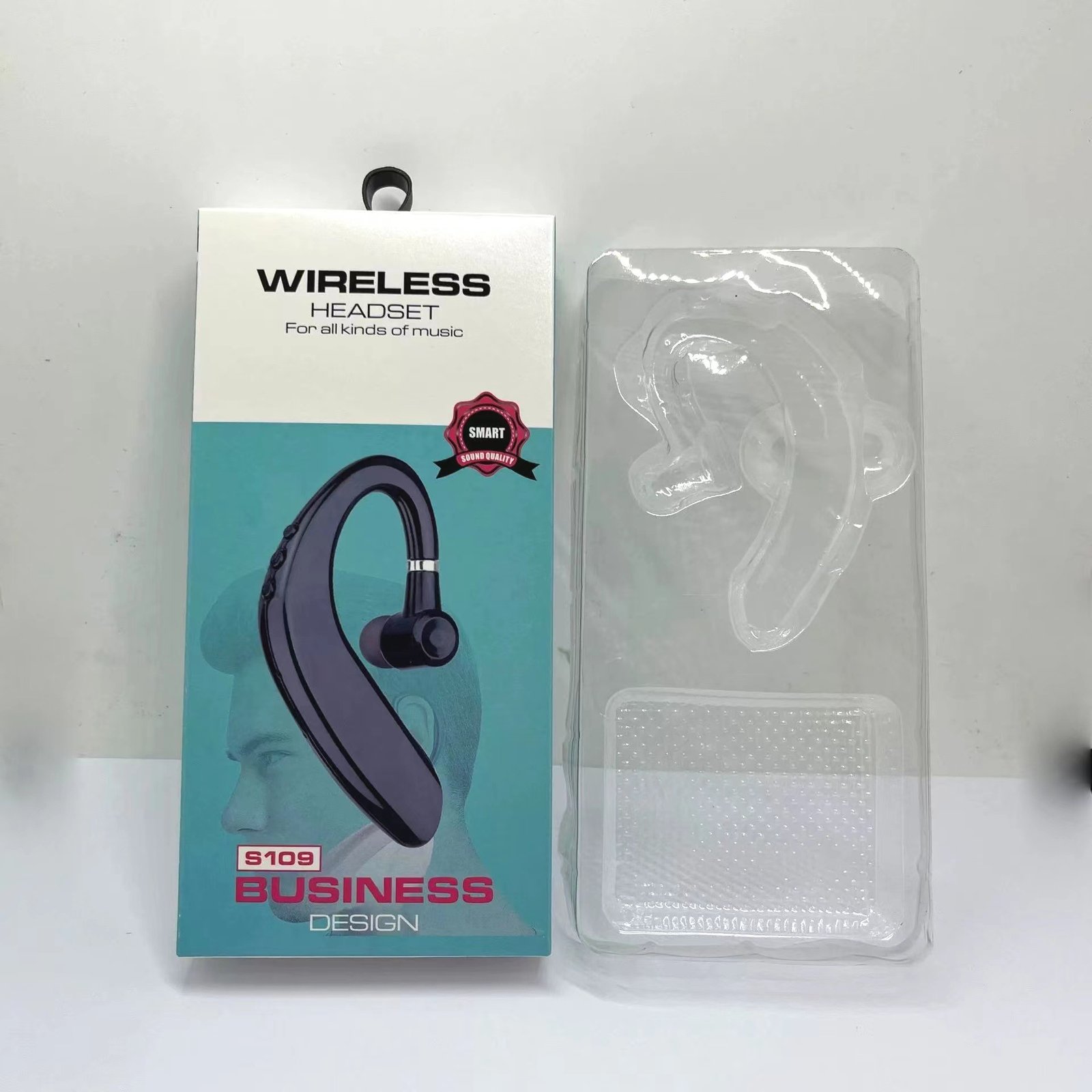
Who Is Responsible When Packaging Boxes Don’t Close Properly?
This depends on project workflow and responsibilities.
Scenario 1: Client Provides the Dieline
Responsibility: Client / Designer
If the client supplies the dieline:
- Manufacturer follows provided design
- Structural errors originate from the design
👉 In this case, responsibility typically lies with the client or design agency.
Scenario 2: Manufacturer Creates the Dieline
Responsibility: Manufacturer
If BM or another supplier designs the dieline:
- We are responsible for structural accuracy
- We must ensure functionality
👉 Responsibility lies with the manufacturer.
Scenario 3: Collaborative Development
Shared Responsibility
Most real-world projects fall into this category.
- Client provides concept
- Manufacturer refines structure
- Both approve samples
👉 Responsibility is shared, depending on approval stages.
Scenario 4: Approved Sample vs Mass Production
Critical Rule
👉 If the sample is approved, the sample becomes the standard.
If mass production differs from the approved sample:
- Manufacturer is responsible
If production matches the sample but the design fails:
- Responsibility shifts to design/approval side
Key Insight: Responsibility Depends on Approval, Not Just Design

How to Prevent Closure Issues in Complex Packaging Boxes
1. Start with Structural Engineering, Not Just Design
Creative concepts must be translated into:
- Realistic structures
- Manufacturable designs
2. Account for Material Thickness
Always consider:
- Paper GSM
- Board thickness
- Coating layers
3. Define Tolerances Clearly
Specify acceptable variations:
- ±0.5 mm for critical areas
- Glue positioning tolerance
4. Conduct Physical Prototyping
Never skip:
- White samples (structure testing)
- Printed samples (final validation)
5. Use 3D Simulation Tools
Modern tools allow:
- Virtual folding tests
- Structural validation
6. Test Real Use Conditions
Simulate:
- Opening/closing cycles
- Transportation stress
- Retail handling
Best Practices for Designing Complex Packaging Boxes
1. Simplify Where Possible
Complexity increases risk.
2. Prioritize Function Over Aesthetics
A beautiful box that doesn’t close is a failure.
3. Use Proven Structures
Adapt existing designs instead of reinventing everything.
4. Collaborate Early with Manufacturer
Involve experts during design phase.
BM’s Approach to Reliable Dieline Setup
At BM, we ensure that every packaging box design works in reality—not just on paper.
Our Process
1. Concept Evaluation
We assess feasibility of design ideas.
2. Structural Engineering
We create optimized dielines considering:
- 재료
- Tolerances
- Production methods
3. Prototyping
We produce:
- White samples
- Functional prototypes
4. Testing
We verify:
- Closure performance
- Durability
- Alignment
5. Production Control
We maintain strict quality standards.

Real Case Study: Magnetic Gift Box Failure
A client designed a luxury magnetic packaging box.
Problem
- Lid did not align
- Magnet failed to close properly
Root Cause
- Incorrect thickness calculation
- Misplaced magnet position
Solution
- Redesigned dieline
- Adjusted board thickness
- Repositioned magnets
Result
- Perfect closure
- Improved user experience
Common Mistakes to Avoid
1. Ignoring Material Impact
Paper is not rigid—it bends and compresses.
2. Skipping Sample Approval
Leads to unexpected failures.
3. Overcomplicating Design
More features = more risk.
4. Poor Communication
Misalignment between client and manufacturer causes errors.

Future Trends in Complex Packaging Boxes Design
1. Digital Twin Simulation
Virtual testing before production.
2. AI-Assisted Structural Design
Optimized dielines automatically.
3. Precision Manufacturing
Improved accuracy reduces errors.
Who Is Responsible and How to Avoid the Problem
Responsibility Summary
- Client-provided dieline → Client responsibility
- Manufacturer-designed dieline → Manufacturer responsibility
- Approved sample → Benchmark for accountability
Final Takeaway
👉 The best way to avoid responsibility disputes is to prevent problems before they happen.
Final Insight
Complex packaging boxes require more than creativity—they require engineering, testing, and collaboration.
At BM, we help brands turn innovative ideas into functional, reliable, and premium packaging solutions.
BM 종이 상자 제조업체 소개
We are a professional paper packaging box customization factory with ten years of industry experience. We focus on providing customers with high-quality customized packaging solutions, covering consumer electronics, medical equipment consumables, cosmetics and other fields, with ingenious design and exquisite technology, to add infinite charm to customers’ products.
저희는 전문 종이 포장 상자 맞춤 제작 업체로서, 가전제품, 의료기기 소모품, 화장품 등 다양한 분야에 걸쳐 폭넓은 서비스를 제공합니다. 고급 가전제품을 위한 정교한 선물 상자부터 의료기기 전문 포장, 세련된 화장품 외관 상자까지, 고객의 요구와 제품 특성에 맞춰 최적의 포장 솔루션을 맞춤 제작해 드립니다. 저희의 전문성은 수많은 브랜드 고객들에게 인정받아 신뢰할 수 있는 파트너로 자리매김했습니다.
BM 종이 상자 공장을 선택해야 하는 이유
최고급 품질: 중국 최고의 맞춤형 종이 상자 제조업체 중 하나로서, 당사의 품질 관리팀은 고객님께서 받으시는 모든 제품이 최상의 품질임을 보장합니다. 당사는 전문적인 품질 검사 장비를 보유하고 있습니다.
제품 디자인: 저희 샘플링 부서는 도면을 실제 제품으로 구현하는 완벽한 공정을 갖추고 있습니다. 또한, 오랜 경험을 바탕으로 고객님의 제품 디자인을 더욱 개선해 드립니다. 의견을 들려주세요.
안정적인 배송 시간: 최고의 선물 상자 제조업체 및 공급업체로서, 저희는 충분한 생산 능력을 갖추고 있어 대량 주문에도 문제없이 제시간에 배송해 드릴 수 있습니다.
최저가 보장: 저희는 종이 상자 제조 전문 공장이자 중국 최고의 제조업체로서, 최고 품질의 가방을 최저가로 제공할 수 있습니다.
정밀한 관리: 정밀한 관리가 없으면 아무것도 이룰 수 없습니다. 저희 회사는 완벽한 관리 시스템을 갖추고 있습니다.
24시간 연중무휴 서비스: 최고의 종이 상자 제조업체로서 24시간 연중무휴 즉각적인 응답을 제공합니다. 더 나은 공급업체가 되기 위해 고객님의 의견을 경청하겠습니다. 지금 바로 문의하세요.(+86 18925520049)
BM 종이 상자 관련 FAQ
저희는 중국 최고의 제조업체이며 공장은 동관에 위치하고 있습니다. 공장 방문을 환영합니다!
• 저희는 특히 선물 포장 분야에서 전문적인 종이 포장 제품 공급업체입니다. 다양한 용도의 종이 상자와 종이 봉투를 생산할 수 있습니다.
• 저희는 원스톱 서비스를 제공하며, 고객의 요구사항에 따라 맞춤 디자인도 가능합니다.
•물론, 일반적으로 샘플은 무료로 제공해 드리며, 배송비만 부담하시면 됩니다. 맞춤 인쇄 샘플의 경우, 샘플 비용 확인을 위해 요구 사항을 보내주시기 바랍니다.
• 샘플 제작에는 약 7일이 소요됩니다.
네, 저희는 구조 설계 및 간단한 그래픽 디자인을 포함한 무료 디자인 서비스를 제공합니다.
물론입니다. 고객님의 디자인으로 어떤 포장이든 제작해 드릴 수 있습니다. 현재 100개에서 500개까지의 소량 주문에 적합한 ODM 포장 서비스를 제공하고 있으며, 로고도 그대로 넣으실 수 있습니다.
주문 수량 및 생산 세부 사항에 따라 약 15~20일이 소요됩니다.
대량 생산 전에는 항상 시제품을 제공하고, 출하 전에는 항상 최종 검사를 실시합니다.
• 크기, 재질, 인쇄 세부 사항, 수량, 배송지 등.
• 또한, 고객님의 요구사항을 알려주시면 저희가 적합한 제품을 추천해 드리겠습니다.
• 해상, 항공 또는 특송으로 운송 가능합니다.
• 중국에 자체 운송업체가 있는 경우, 이는 공장도 가격 또는 FOB 가격입니다.
• CFR 또는 CIF 등, 저희가 대신 운송해 드려야 하는 경우 알려주세요.
• DDP와 DDU도 사용할 수 있습니다.
• 더 많은 선택지가 있다면, 귀하의 선택 사항을 고려해 보겠습니다.
• 가격은 수량, 재질, 가공 방법, 크기 및 기타 요인에 따라 결정됩니다. 또한, 당사의 지속적인 노력으로 인해
기술 혁신 덕분에 일부 제품의 가격 경쟁력이 매우 뛰어납니다. 견적 문의는 언제든지 연락 주십시오.