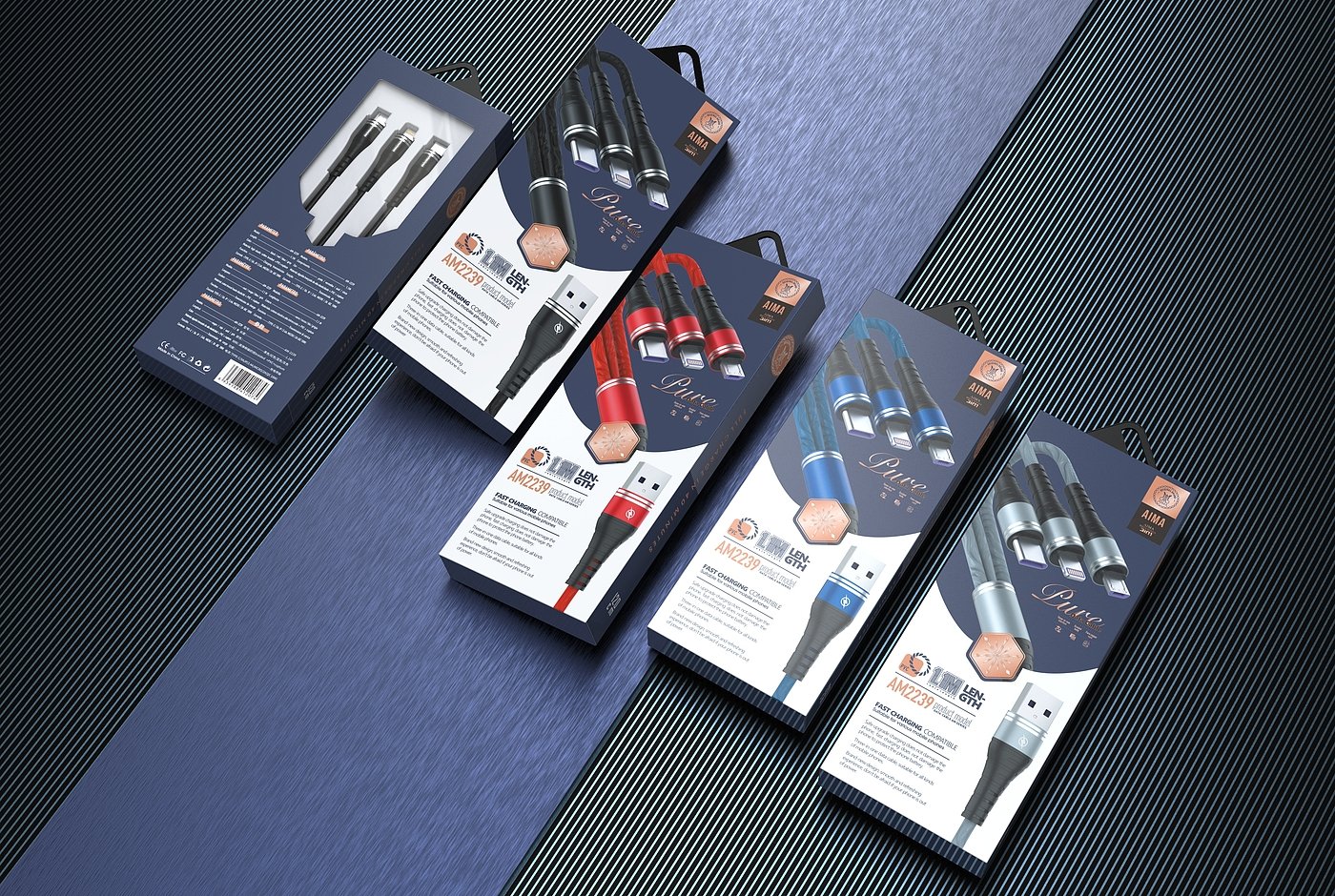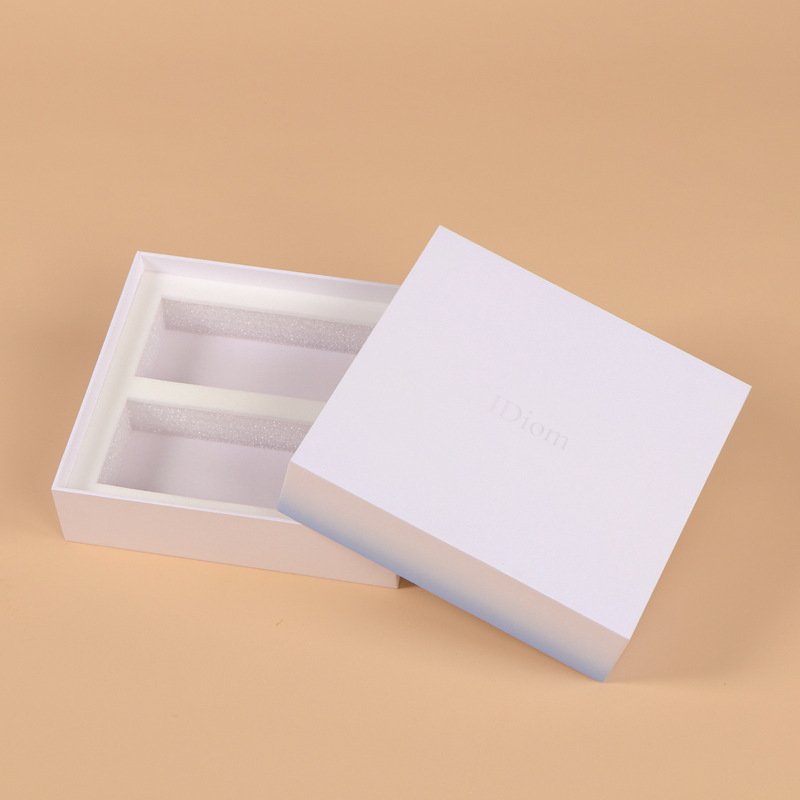






In an era when consumers are inundated with choices, paper boxes packaging is not just a protective shell — it is a strategic asset. For brands, paper boxes offer a tangible interface with customers: they convey value, communicate identity, and serve as a potent marketing tool. For manufacturers like you, with deep experience in producing custom paper boxes, understanding the deeper impacts of packaging gives you not only a production advantage but also strategic vision: you are not just a box-maker, but a partner in a brand’s market success.
This article explores in detail how paper boxes influence branding, market positioning, and marketing — with real-world examples, best practices, and actionable insights for both packaging suppliers and brands.
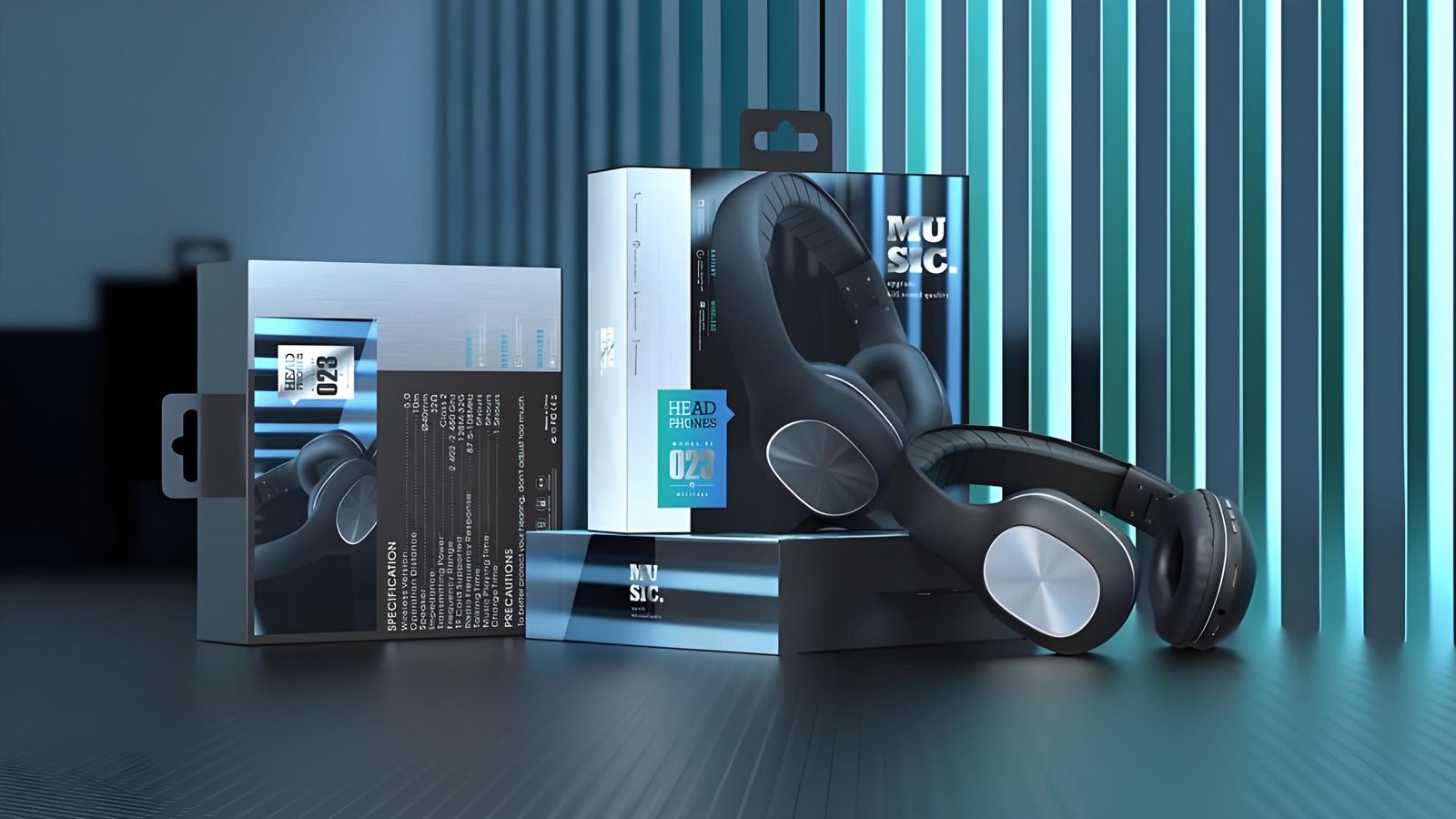
1. Paper boxes Packaging as Brand Identity
1.1. First physical touchpoint
When a customer first receives or sees a product, their first tangible interaction is often with the paper boxes packaging. That “first impression” carries enormous weight. People tend to “judge a book by its cover” — if the box looks low quality, generic, or uninspiring, consumers may infer the product inside is likewise unremarkable.
Packaging acts as a “silent salesperson” — it can attract, inform, and persuade without a human salesperson present. PakFactory calls it “the first physical touchpoint between your brand and potential customers.”
1.2. Visual consistency & recognition
An effective packaging strategy ensures visual consistency across product lines: logo, colors, typography, layout, materials, finishes. Over time, consistency builds brand recognition — even when your box is on a crowded shelf, loyal customers will pick yours at a glance.
Distinctive packaging helps differentiate — consider how certain premium brands use matte black boxes, embossing, foiling, or custom die-cut shapes to stand out. The packaging becomes part of the brand’s visual language and equity.
1.3. Conveying brand positioning & quality
Not all paper boxes packaging needs to scream “luxury,” but packaging should be aligned with brand positioning. If your brand is affordable and eco-friendly, using heavy gloss lamination or plastic films may send conflicting signals. If your brand is premium, then high-end finishes, rigid paperboard, foil stamping, embossing, soft-touch coatings, or customized structural design can support that premium perception.
A misalignment between paper boxes packaging and brand positioning can undermine trust. BM cites the example of a supplement brand which initially used sleek marble and gold packaging to look premium, but potential buyers perceived it as too upscale (and thus out of their price range) — so the brand repositioned.
1.4. Authenticity, values, and storytelling
Modern consumers care about brand values: sustainability, transparency, social purpose. Packaging offers a direct medium to reflect these values:
Use of recycled or recyclable paper and eco-friendly inks
Minimalist or reduced packaging to reduce waste
Transparency windows or cutouts to show the actual product
Printed stories, QR codes, origin stories, brand mission statements
When packaging choices reflect a brand’s values in a genuine way, it builds authenticity and trust, which in turn fosters brand loyalty.

2. Paper boxes Packaging as a Marketing & Sales Tool
2.1. Differentiation & shelf impact
In retail environments (stores, supermarkets, boutiques), products compete visually. Packaging must grab attention quickly. Bold colors, interesting structural shapes, cutouts, creative use of negative space, textures, or unique visual cues can help a product “pop” on the shelf.
A strong shelf impact helps reduce “search cost” for consumers — they see your product first, rather than having to consciously search. Emotional triggers, contrast, and novelty help a package perform as a mini billboard.
2.2. Emotional connection & storytelling
Beyond just aesthetics, paper boxes packaging can generate emotional resonance. Many brands incorporate narratives, heritage cues, or experiential touches in their packaging. People often form attachment to brands via emotional triggers: nostalgia, exclusivity, humor, or belonging.
Using storytelling on packaging invites customers into the brand’s universe. When customers feel a connection, they remember, trust, and are more motivated to purchase.
2.3. Unboxing & social media virality
In the age of e-commerce, the “unboxing experience” has become a marketing channel in itself. Many consumers post unboxing photos or videos on social platforms like Instagram, TikTok, YouTube. That free exposure becomes word-of-mouth, user-generated content, and viral marketing.
BM notes that 40% of consumers are more likely to share a photo of interesting packaging.
To encourage that, designers use:
Layered opening (boxes inside boxes)
Tissue paper, ribbons, inner graphics
Surprise inserts (thank you card, coupon, sample)
Hidden messages or compartments
Premium finishes that feel “special”
A memorable unboxing can convert casual customers into brand ambassadors.
2.4. Upselling, cross-selling, secondary use
Well-designed paper boxes packaging can facilitate additional marketing tactics:
The inner side of the box or lid can include messaging (upsell, cross-sell, discount codes, QR codes for next purchase)
Packaging can be reusable or repurposable (e.g., jewelry or gift boxes) — prolonging brand exposure
Packaging can be “shareable” (e.g. gift packaging) — spreading brand visibility
Moreover, good packaging reduces product damage, returns, and customer complaints — indirectly improving profitability.
2.5. Pricing power and perceived value
If paper boxes packaging conveys higher perceived value, brands can justify a higher price premium. Consumers are often willing to pay more for “luxury-feel” packaging, improved presentation, or enhanced brand prestige. Packaging can thus be a lever to shift the price-value perception.
BM cites that after improving packaging, 30% of businesses reported increased profits.

3. Market Influence & Competitive Landscape
3.1. Barriers to entry & brand moat
Unique paper boxes packaging is part of a brand’s moat: once a brand’s packaging becomes iconic, it’s harder for competitors to replicate. Especially with structural innovations or patented box designs, the packaging itself can deter copycats.
Entrants with generic or commodity packaging face uphill battles — they lack that sensory edge. Packaging thus contributes to competitive advantage.
3.2. Market segmentation & niche branding
Different market segments respond to different packaging cues. For example:
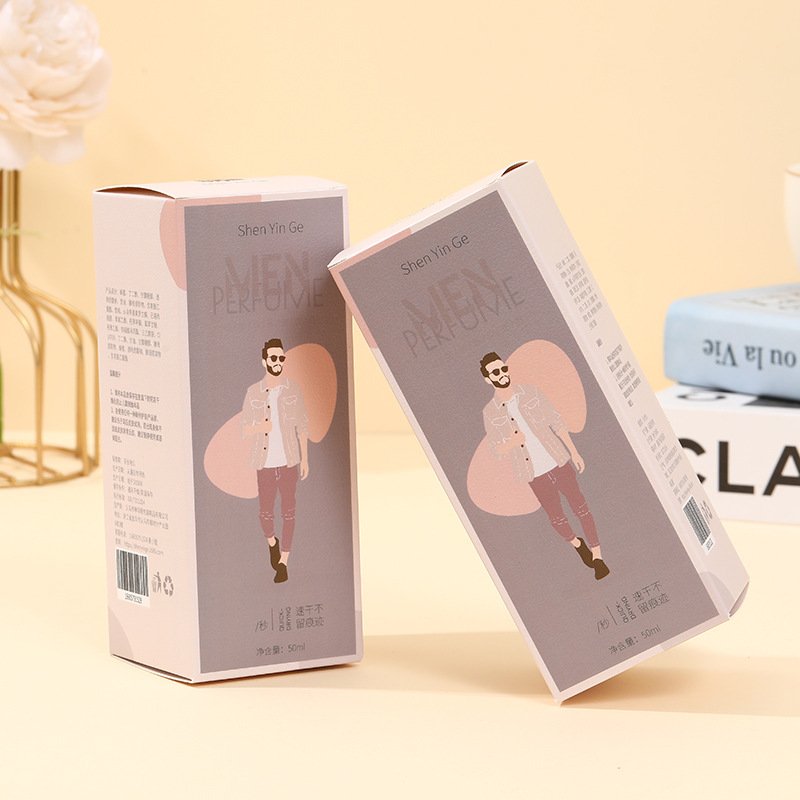
Premium / luxury consumers expect sophistication, texture, and finesse in packaging
Eco-conscious customers respond to minimalist, recycled, compostable packaging
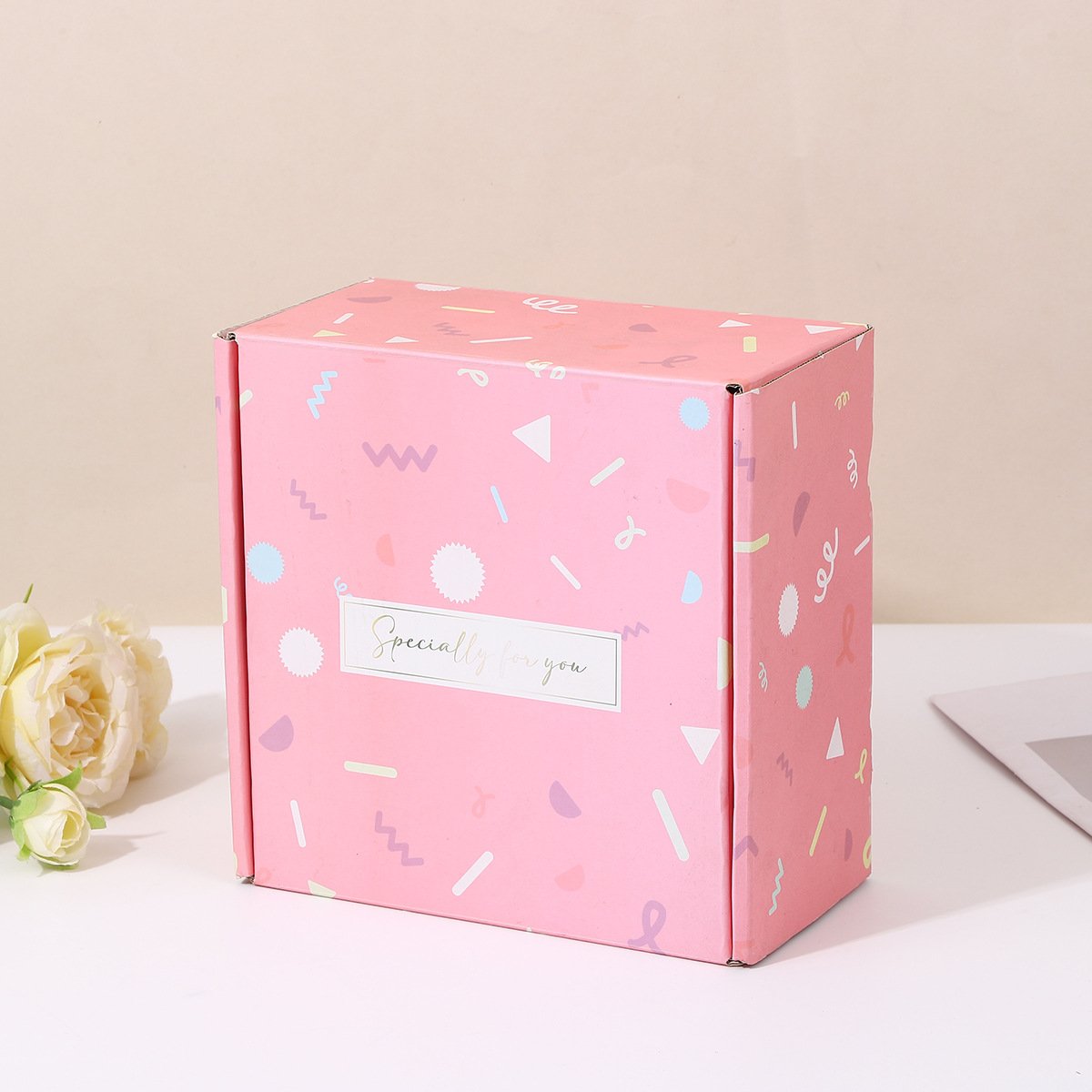
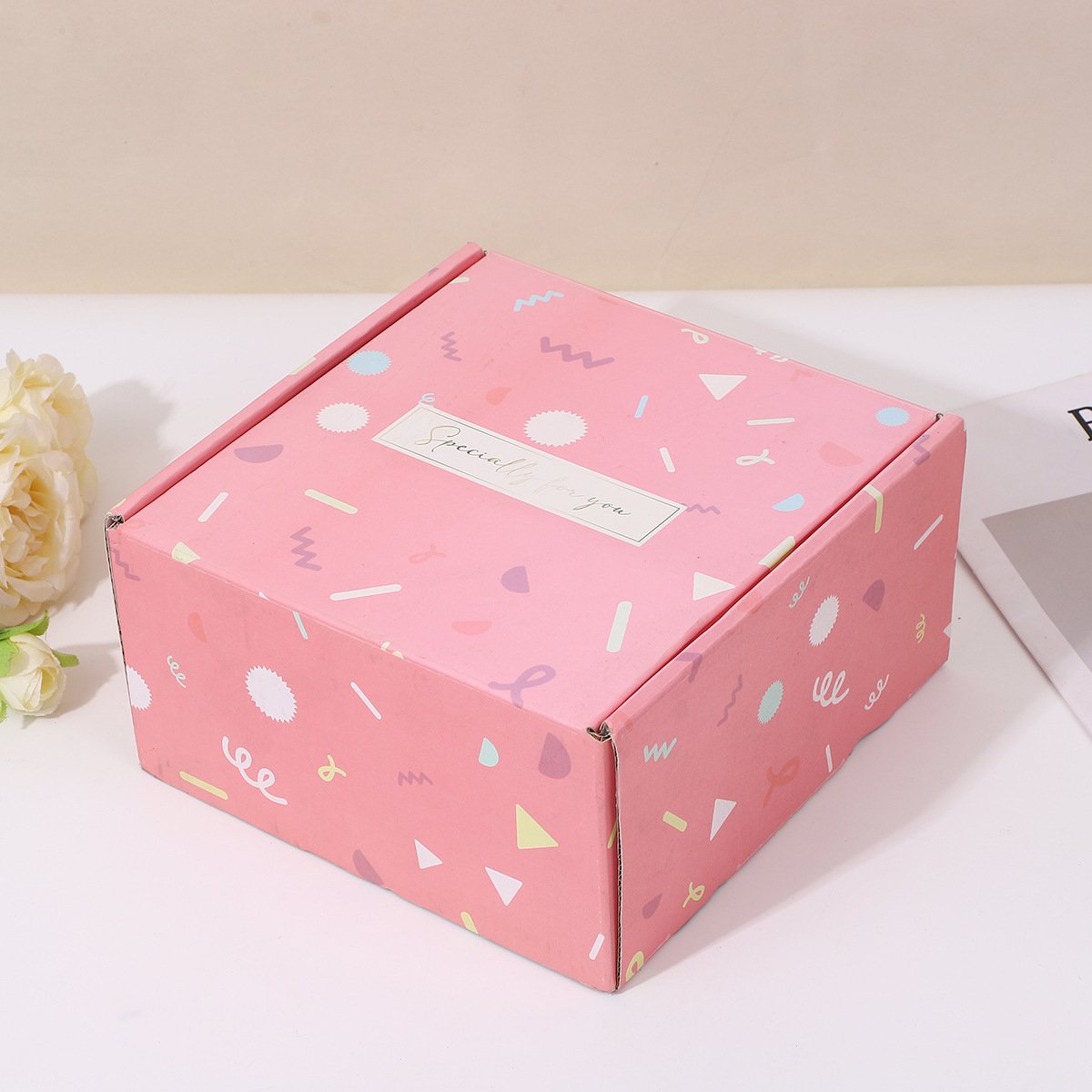
Younger demographics may respond to playful, bold, interactive, or trending designs
By tailoring paper box packaging to distinct niches, a brand can better reach target demographics. Packaging becomes a market communicator.
3.3. Retailer and channel requirements
Retailers often impose paper boxes packaging requirements (size, barcode area, stacking strength, displayability). Good packaging design aligns with these constraints, optimizing shelf space and retailer friendliness.
Also, in e-commerce and omnichannel models, packaging must satisfy shipping durability, damage resistance, and cost efficiency. Brands that balance both aesthetics and logistics requirements gain market advantage.
3.4. Sustainability as market differentiator
Increasingly, sustainability is not just a trend but a market expectation. Consumers and regulators demand lower waste, recycled content, biodegradable materials, and reduced overpackaging. Brands that adopt “green” packaging early can gain positive brand perception, stand out in crowded markets, and potentially anticipate regulatory changes.
Paper boxes (especially recyclable or compostable ones) are favorably positioned in this trend.

4. Best Practices & Strategic Tips for Paper Boxes Packaging
4.1. Know your customer & brand story
Start with clear customer personas: age, preferences, values, behaviors. Understand what they expect or respond to. Then make packaging choices — visual, tactile, structural — that align with that customer profile.
At the same time, ensure the packaging helps tell your brand story (heritage, mission, sustainability, craftsmanship).
4.2. Structural innovation & functionality
Beyond graphics, structural design matters. As a seasoned manufacturer, you can leverage:
Custom die-cut shapes
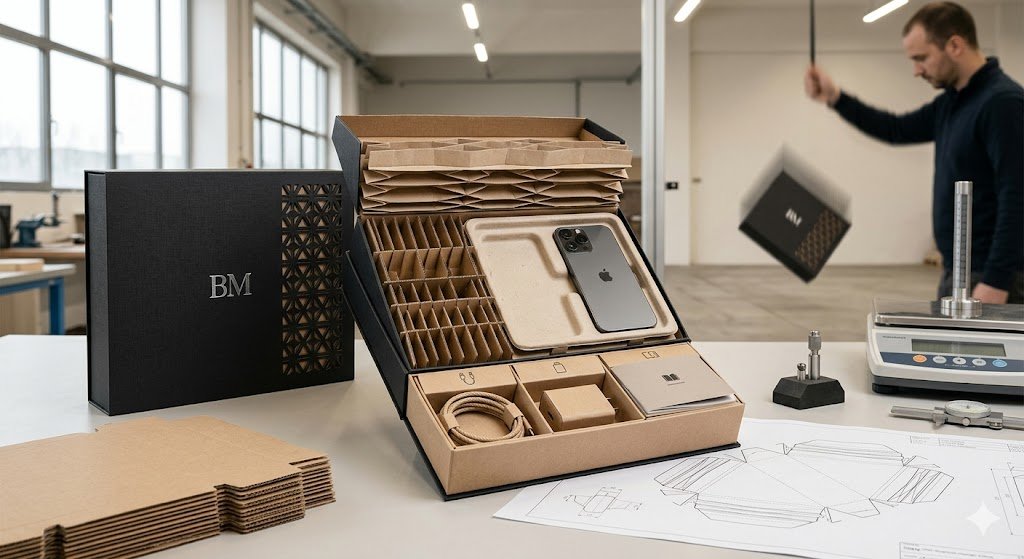
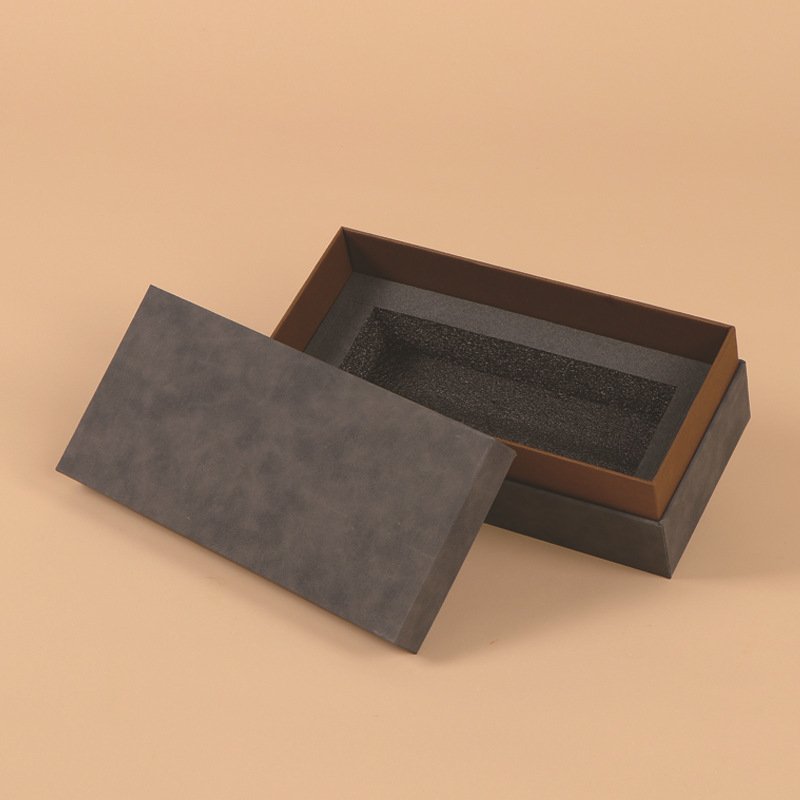
Inserts, compartments, cushioning
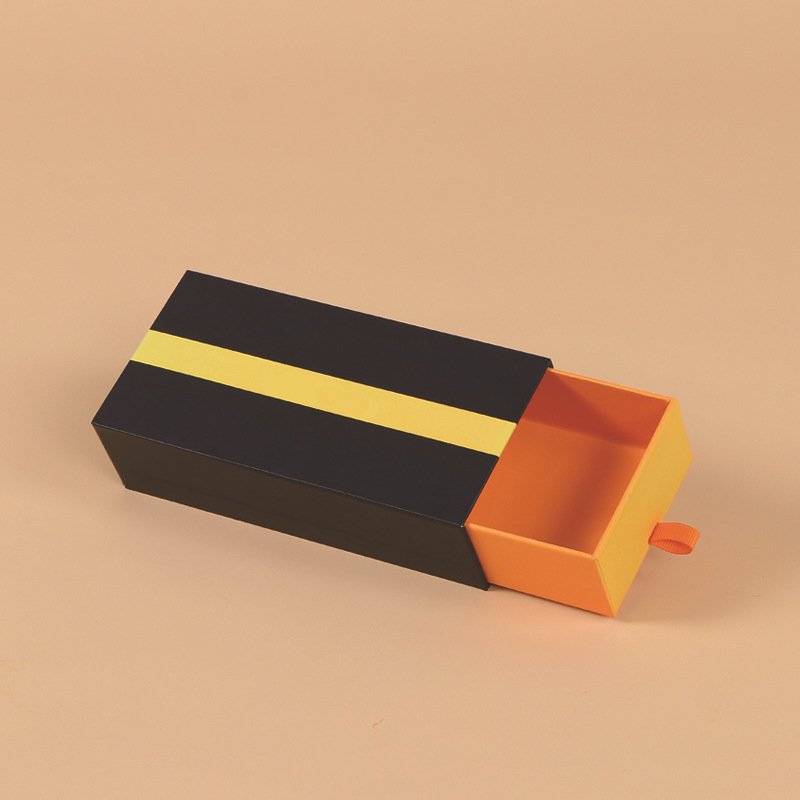
Magnetic closures, fold-outs, sliding boxes
Window cutouts
Nested or stackable designs
Balance novelty with manufacturability, cost, logistics, and robustness.
4.3. Material & finishing selection
Key decisions include:
Paperboard grade, thickness, rigidity
Surface textures or coatings (matte, soft-touch, gloss, UV, lamination)
Specialty features (foil stamping, embossing, debossing, foil stamping)
Printing techniques and inks (water-based, eco-friendly)
Use of sustainable or recycled materials
Structural reinforcement to avoid dents, crushing
Always evaluate cost vs impact trade-offs and whether these finishing touches genuinely deliver brand return.
4.4. Unboxing & multi-sensory experience
Design the unboxing journey deliberately:
Use layers (outer box, inner sleeve, tissue wrap)
Print messaging inside lids
Include branded elements like ribbons, stickers, thank-you cards
Use smell, texture, sound (e.g., crinkle paper)
Encourage social sharing (e.g. “share your unboxing #YourBrand”)
4.5. Prototyping, testing & iteration
Before full production, prototype and test:
Drop tests, stacking, compression, shipping simulations
Consumer / user testing for first impressions
Visual mockups to check shelf presence
Pilot runs and sampling
Feedback cycles help optimize packaging performance and minimize risk.
4.6. Balancing cost & ROI
Paper boxes packaging should not be overdesigned to the point of eroding margin. Always evaluate ROI: which finishing touches or design features truly add perceived value versus which are “nice but superfluous.” For new brands start with high-impact, lower-cost touches; later upgrade.
You can also modularize packaging options — a base structure, with optional premium layers or add-ons.
4.7. Scalability, standardization & logistics integration
As volumes grow, consistent quality, supply chain control, and cost management become vital. Use standard dielines, modular designs, automation where possible. Optimize for efficient stacking, shipping, and warehouse handling.
Consider how your packaging integrates into the brand’s broader operations (e.g. how easy it is for the brand’s fulfillment team to pack, label, stack, ship).
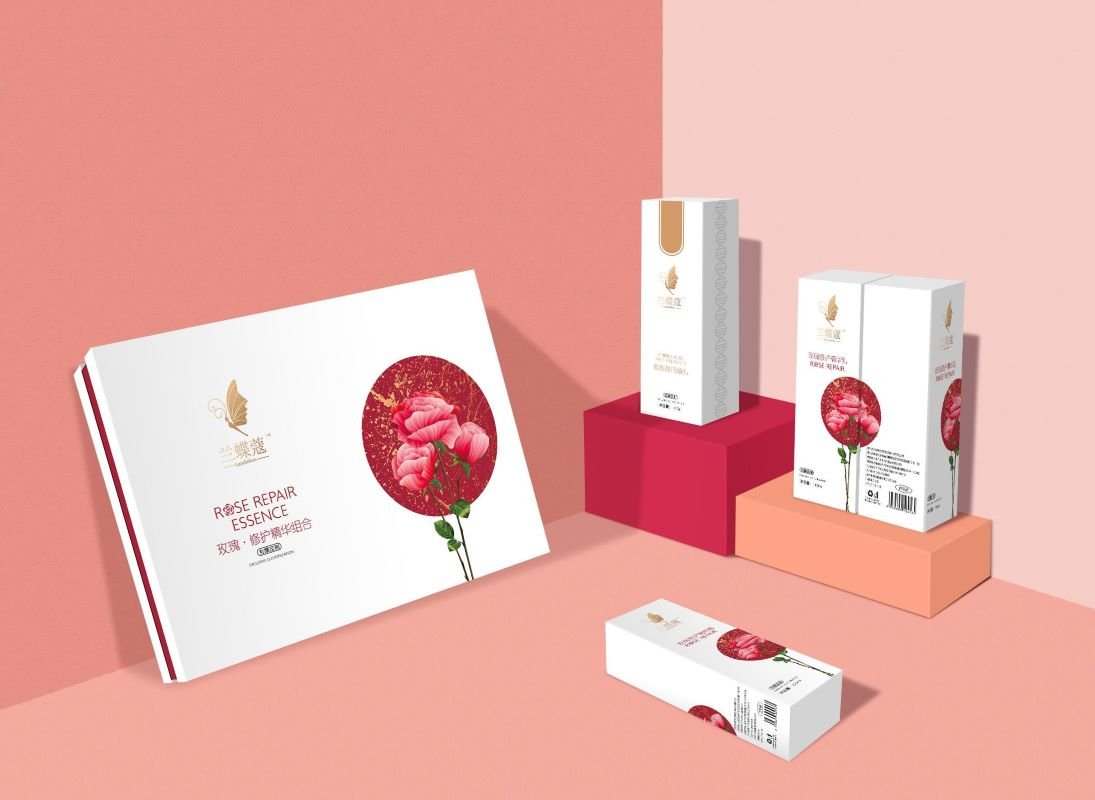
5. Role of the Paper boxes Packaging Manufacturer as Strategic Partner
As a paper boxes manufacturer with a decade-plus experience, you have an opportunity to shift your role upstream — from mere supplier to strategic packaging partner. Here’s how:
5.1. Consultative collaboration
Offer packaging consulting services: help clients define packaging strategy, material choices, cost/benefit trade-offs, structural innovations. Position yourself as part of the brand’s success, not just a vendor.
5.2. Co-creation & prototyping support
Provide early-stage prototyping, mock-ups, testing, mock shelf setups, unboxing simulations. Help clients test with real users and refine. This deep involvement builds stronger client loyalty and fewer surprises later.
5.3. Material R&D and sustainable innovations
Stay ahead by developing or sourcing greener, lighter, more durable paperboard materials, alternative coatings, innovative finishes, or hybrid sustainable materials. Offer these as value-added differentiators to your customers, helping them distinguish their brands.
5.4. Quality control & consistency
Because paper boxes packaging is brand expressive, any defect (misalignment, color shift, dents, weak structure) undermines brand credibility. As manufacturer, ensure rigorous QC, color calibration, tight tolerances, consistency across batches.
5.5. Scalability & cost management
Help clients scale packaging cost-effectively. Use economies of scale, optimize layouts, reduce waste, automate where feasible, negotiate material supply chains. The more efficiently you deliver, the more you deepen client dependency.
5.6. Aftermarket support & lifecycle analytics
You can help clients monitor packaging performance post-launch: returns data, damage rates, customer complaints, social media feedback on unboxing. Use that feedback to recommend improvements in next versions or seasonal refreshes.
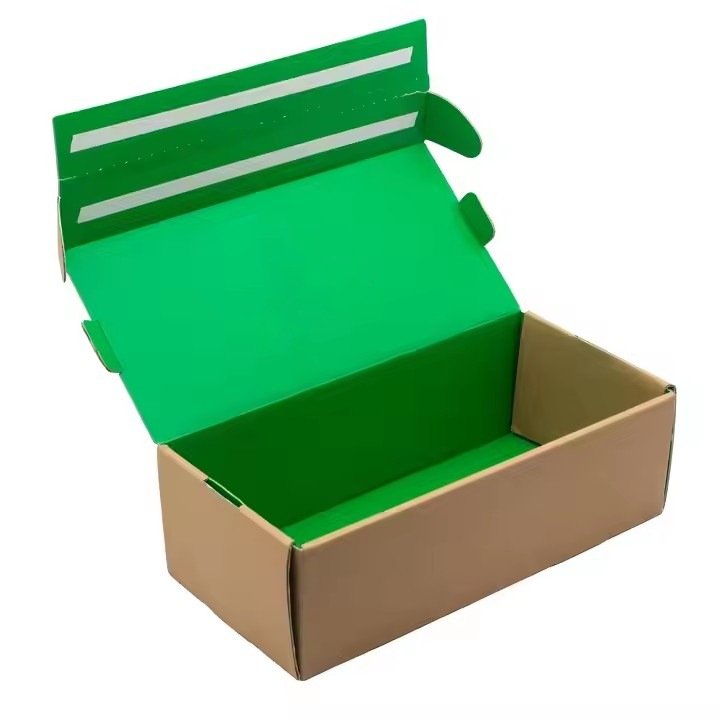
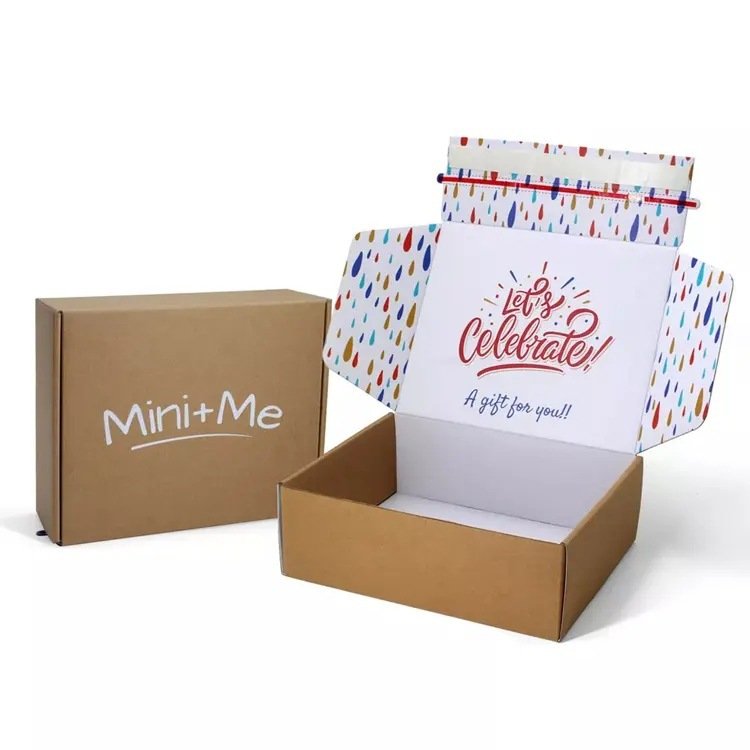
6. Case Studies & Illustrative Examples
Here are a few illustrative cases (some inspired from general packaging industry) to show how effective paper box packaging drives results.
Example A: Beauty / Cosmetics Brand
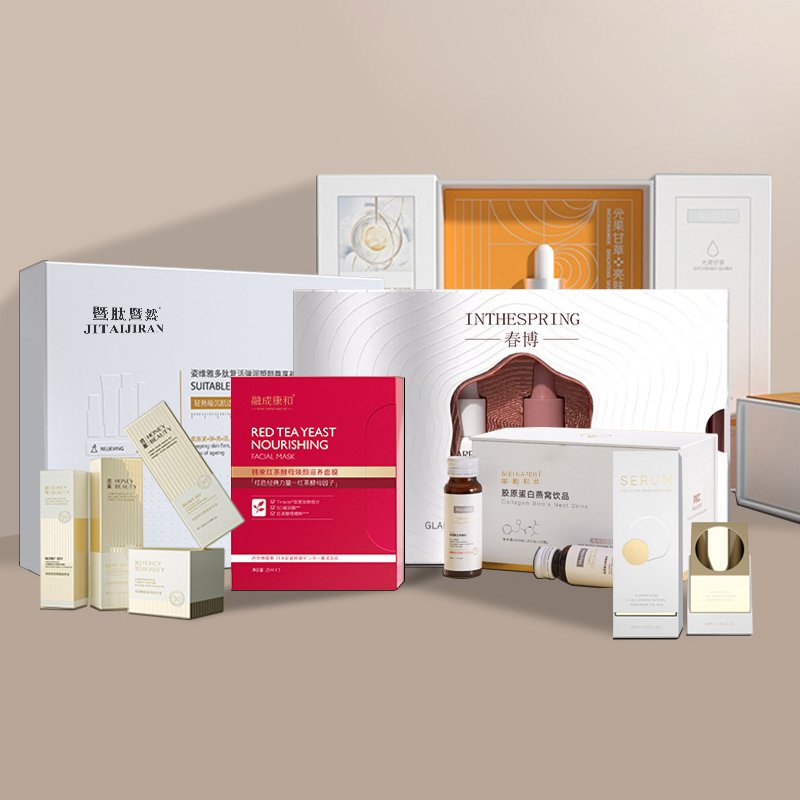
A niche cosmetics brand redesigns its rigid paperboard box with soft-touch matte finishes, foil accents, inner magnetic flap, and embossed logo. The new packaging looks and feels premium; social media influencers highlight the packaging in unboxing posts. The brand sees an increase in perception of value and raises price slightly, while also reducing returns due to sturdier construction. Brand loyalty and word-of-mouth improve.
Example B: Food / Specialty Foods
A premium tea brand uses kraft paper boxes with natural textures and windows to show tea leaves. They include a “story insert” inside the lid about tea origin, brewing tips, and a QR-code video link. The packaging conveys naturalness, authenticity, and craftsmanship. The brand enters boutique stores where shelf impact attracts customers, versus competing in commodity packaging.
Example C: Subscription / E-commerce Box
A direct-to-consumer brand designs a shipping box that doubles as a gift box. The outer box bears minimal branding; once opened, an inner branded box is revealed, with tissue paper and branded inserts. Customers film the unboxing experience and share on social media. The brand integrates QR codes in the box link to loyalty programs and upsells. The packaging becomes a marketing vehicle itself.
7. Challenges, Risks & Trade-Offs
While paper boxes packaging holds tremendous promise, there are pitfalls and constraints:
Cost pressure: Premium finishes, special coatings, and structural complexity cost more. Overdesigning can erode margin.
Logistics & durability: Fancy but flimsy packaging may fail in shipping. Must balance aesthetics with structural integrity.
Sustainability tradeoffs: Some coatings or laminations hamper recyclability. Brands must carefully choose materials.
Copycats & commoditization: Packaging innovations have shorter lifecycles; once copied, differentiation fades.
Changing trends: What’s visually appealing today may look outdated tomorrow. Regular refreshes are necessary.
Regulatory risks: Labeling requirements, material compliance, packaging waste regulations vary by region — must stay informed.
Mitigating these requires careful testing, phased rollouts, modular upgrade paths, and continuous market feedback.
8. Metrics & Evaluation
To ensure paper boxes packaging is adding value, brands and manufacturers should track:
Conversion lift / sales uplift after new packaging
Return or damage rates
Customer feedback / reviews mentioning packaging
Unboxing social shares / UGC (user-generated content) mentions
Cost of goods impact per unit
Reordering frequency / repeat purchase rates
Packaging material waste, recyclability performance
These metrics help connect packaging choices to business outcomes.
9. Future Trends in Paper Boxes Packaging
To stay ahead, consider these ongoing or emerging trends:
Smart / connected packaging: NFC tags, QR codes, AR experiences embedded in boxes
Adaptive / modular packaging: multi-use, customizable interiors
Biodegradable / compostable materials: mycelium, plant-based coatings
Zero-waste / minimalist packaging: less filler, elimination of plastic films
Hybrid materials: combining paper with thin specialty films or coatings to improve barrier or durability
Localized or personalized packaging: small-batch custom branding, localized prints, seasonal variants
AI-driven design: generative design tools to optimize structure, minimize waste, or maximize shelf impact
By investing in R&D and staying attuned to consumer and regulatory shifts, packaging providers and brands can ride the next wave of innovation.
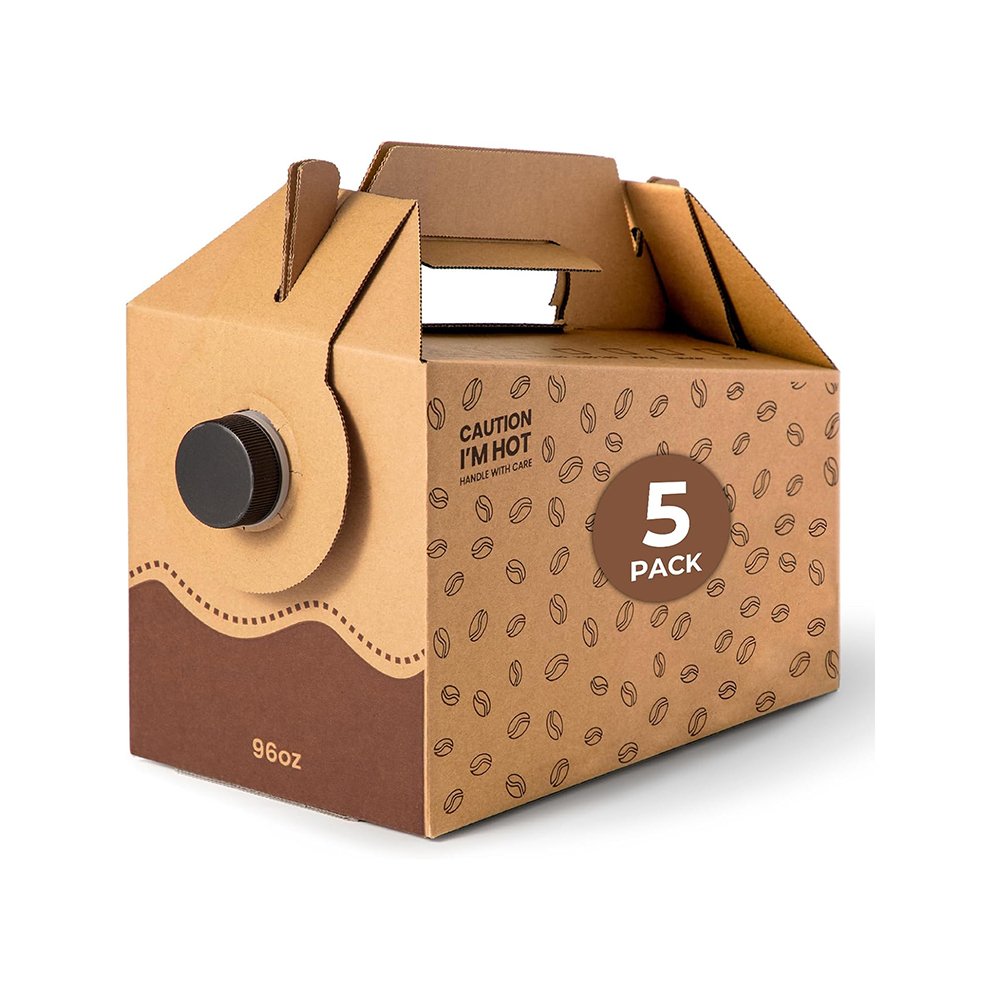
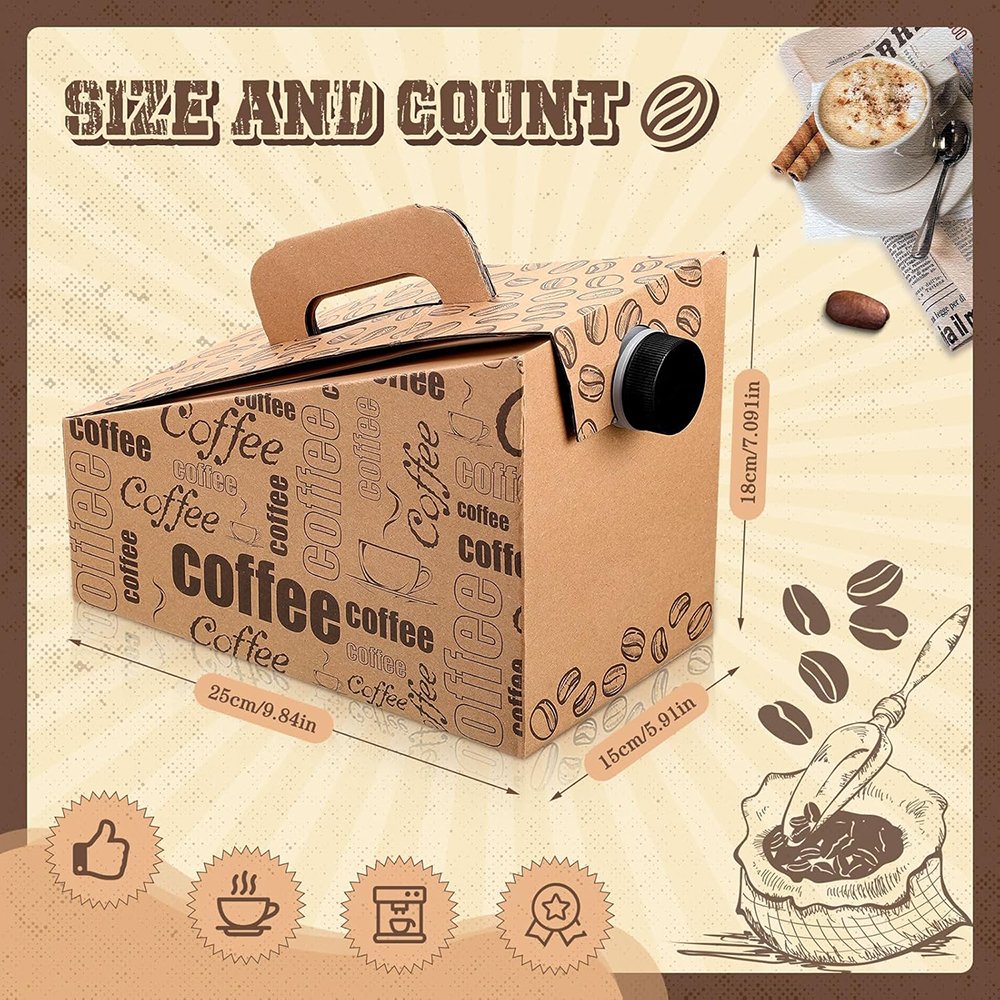
The positive impact of paper boxes packaing on brands
Packaging — especially paper boxes — is far more than a container. It is a multifaceted strategic lever that:
Defines, reinforces, and communicates brand identity
Differentiates products in crowded markets
Serves as a marketing channel (especially via unboxing and social media)
Enables pricing power and customer loyalty
Contributes to sustainability narratives
Demands balancing of design, cost, logistics, and durability
For a paper boxes manufacturer with long experience, your value proposition is evolving: you are not just a producer of boxes, but a strategic partner for brands, helping them translate identity into tangible experiences. By embracing design consultation, prototyping, material innovation, cost management, and performance analytics, you embed deeper into your clients’ success.
Acerca del fabricante de cajas de papel BM
We are a professional paper boxes packaging customization factory with ten years of industry experience. We focus on providing customers with high-quality customized packaging solutions, covering consumer electronics, medical equipment consumables, cosmetics and other fields, with ingenious design and exquisite technology, to add infinite charm to customers’ products.
Como fábrica especializada en la personalización de cajas de cartón, ofrecemos una amplia gama de servicios que abarca electrónica de consumo, consumibles médicos, cosméticos y otros sectores. Ya sea una elegante caja de regalo para productos electrónicos de alta gama, un embalaje profesional para equipos médicos o una moderna caja exterior para cosméticos, podemos diseñar la solución de embalaje más adecuada según las necesidades de cada cliente y las características del producto. Nuestra profesionalidad ha sido reconocida por numerosas marcas, convirtiéndonos en su socio de confianza.
¿Por qué elegir la fábrica de cajas de papel BM?
CALIDAD SUPERIOR: Como uno de los mejores fabricantes de cajas de papel personalizadas en China, nuestro equipo de control de calidad garantiza que cada producto que reciba sea de la mejor calidad. Contamos con maquinaria profesional para pruebas de calidad.
DISEÑO DE PRODUCTO: Nuestro departamento de muestreo cuenta con un proceso integral para convertir los diseños en realidad. Además, mejoramos el diseño de su producto gracias a nuestra amplia experiencia. Cuéntenos su opinión.
PLAZOS DE ENTREGA ESTABLES: Como el mejor fabricante y proveedor de cajas de regalo, tenemos suficiente capacidad de producción, los pedidos grandes no nos detendrán, aún podemos entregarle su pedido a tiempo.
MEJOR PRECIO: Somos la fábrica de origen de cajas de papel y el mejor fabricante en China, por eso podemos ofrecer bolsas de alta calidad al mejor precio.
GESTIÓN PRECISA: Nada se puede lograr sin una gestión precisa. Somos una empresa con un sistema de gestión integral.
SERVICIO 24/7: Como el mejor fabricante de cajas de cartón, ofrecemos respuesta inmediata las 24 horas del día, los 7 días de la semana: Recibiremos sus comentarios para mejorar como proveedor. Contáctenos.(+86 18925520049)
Preguntas frecuentes sobre BM Paper Box
Somos un fabricante chino líder y nuestra fábrica está ubicada en Dongguan. ¡Le invitamos a visitar nuestra fábrica!
Somos un proveedor profesional de productos de embalaje de papel, especialmente en el sector del embalaje para regalos. Podemos producir diversos tipos de cajas y bolsas de papel para múltiples usos.
• Ofrecemos servicios integrales y aceptamos diseños personalizados según sus necesidades.
Por supuesto, normalmente proporcionamos muestras gratuitas y usted solo debe cubrir el costo del envío. Para muestras impresas personalizadas, envíenos sus requisitos para que podamos calcular el costo.
• La producción de muestras tarda aproximadamente 7 días.
Sí, ofrecemos servicios de diseño gratuitos, diseño estructural y diseño gráfico sencillo.
Claro. Podemos hacer cualquier tipo de empaque con tu diseño. Ahora ofrecemos empaques ODM para pequeñas cantidades, de 100 a 500 unidades, pero puedes incluir tu propio logotipo.
Dependiendo de la cantidad del pedido y los detalles de producción, tardará entre 15 y 20 días aproximadamente.
Siempre una muestra de preproducción antes de la producción en masa; siempre una inspección final antes del envío.
• Tamaño, material, detalles de impresión, cantidad, destino de envío, etc.
• También puede simplemente indicarnos sus necesidades y le recomendaremos productos.
• Por mar, por aire o por mensajería urgente.
• Si tiene su propio agente de transporte en China, el precio es el precio de fábrica o FOB.
•CFR o CIF, etc., si necesita que realicemos el envío en su nombre.
• También se pueden utilizar DDP y DDU.
• Cuantas más opciones tenga, más tendremos en cuenta sus preferencias.
• El precio se determina por la cantidad, el material, el método de procesamiento, el tamaño y otros factores. Además, debido a nuestra continua
Gracias a la innovación tecnológica, los precios de algunos de nuestros productos son extremadamente competitivos. Póngase en contacto con nosotros para solicitar un presupuesto.