





In an era when consumers are inundated with choices, paper boxes packaging is not just a protective shell — it is a strategic asset. For brands, paper boxes offer a tangible interface with customers: they convey value, communicate identity, and serve as a potent marketing tool. For manufacturers like you, with deep experience in producing custom paper boxes, understanding the deeper impacts of packaging gives you not only a production advantage but also strategic vision: you are not just a box-maker, but a partner in a brand’s market success.
This article explores in detail how paper boxes influence branding, market positioning, and marketing — with real-world examples, best practices, and actionable insights for both packaging suppliers and brands.
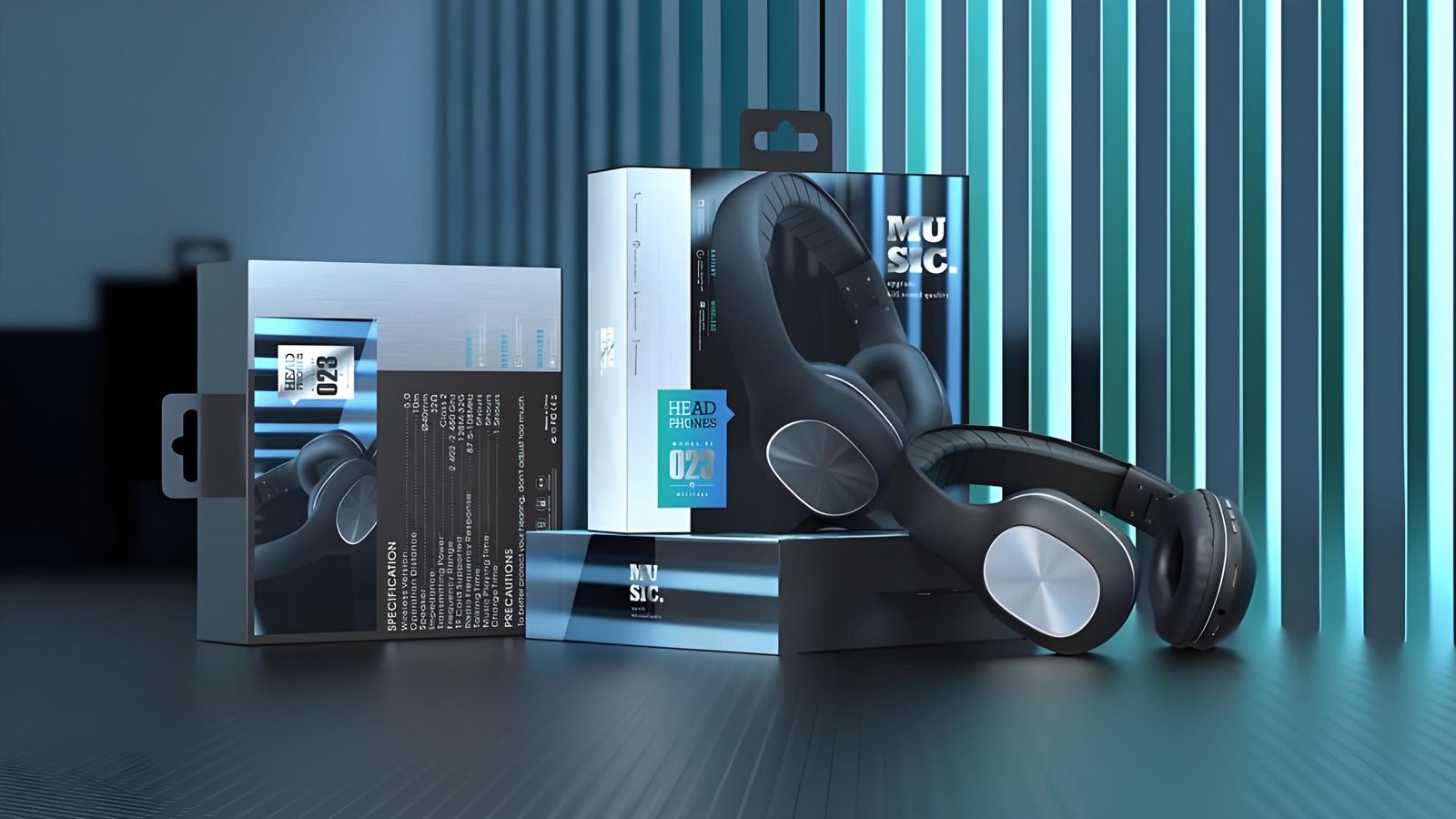
1. Paper boxes Packaging as Brand Identity
1.1. First physical touchpoint
When a customer first receives or sees a product, their first tangible interaction is often with the paper boxes packaging. That “first impression” carries enormous weight. People tend to “judge a book by its cover” — if the box looks low quality, generic, or uninspiring, consumers may infer the product inside is likewise unremarkable.
Packaging acts as a “silent salesperson” — it can attract, inform, and persuade without a human salesperson present. PakFactory calls it “the first physical touchpoint between your brand and potential customers.”
1.2. Visual consistency & recognition
An effective packaging strategy ensures visual consistency across product lines: logo, colors, typography, layout, materials, finishes. Over time, consistency builds brand recognition — even when your box is on a crowded shelf, loyal customers will pick yours at a glance.
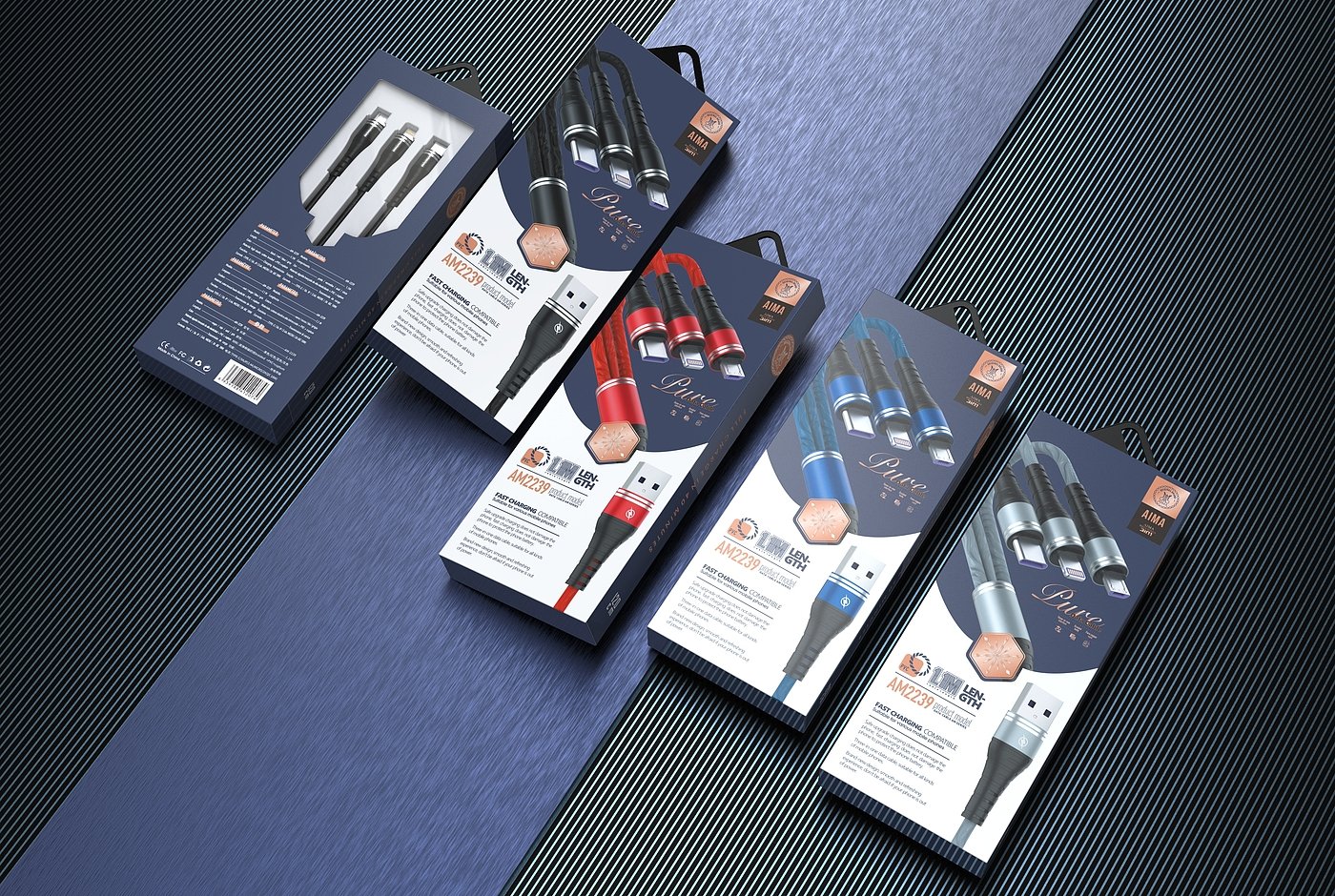
Distinctive packaging helps differentiate — consider how certain premium brands use matte black boxes, embossing, foiling, or custom die-cut shapes to stand out. The packaging becomes part of the brand’s visual language and equity.
1.3. Conveying brand positioning & quality
Not all paper boxes packaging needs to scream “luxury,” but packaging should be aligned with brand positioning. If your brand is affordable and eco-friendly, using heavy gloss lamination or plastic films may send conflicting signals. If your brand is premium, then high-end finishes, rigid paperboard, foil stamping, embossing, soft-touch coatings, or customized structural design can support that premium perception.
A misalignment between paper boxes packaging and brand positioning can undermine trust. BM cites the example of a supplement brand which initially used sleek marble and gold packaging to look premium, but potential buyers perceived it as too upscale (and thus out of their price range) — so the brand repositioned.
1.4. Authenticity, values, and storytelling
Modern consumers care about brand values: sustainability, transparency, social purpose. Packaging offers a direct medium to reflect these values:
Use of recycled or recyclable paper and eco-friendly inks
Minimalist or reduced packaging to reduce waste
Transparency windows or cutouts to show the actual product
Printed stories, QR codes, origin stories, brand mission statements
When packaging choices reflect a brand’s values in a genuine way, it builds authenticity and trust, which in turn fosters brand loyalty.

2. Paper boxes Packaging as a Marketing & Sales Tool
2.1. Differentiation & shelf impact
In retail environments (stores, supermarkets, boutiques), products compete visually. Packaging must grab attention quickly. Bold colors, interesting structural shapes, cutouts, creative use of negative space, textures, or unique visual cues can help a product “pop” on the shelf.
A strong shelf impact helps reduce “search cost” for consumers — they see your product first, rather than having to consciously search. Emotional triggers, contrast, and novelty help a package perform as a mini billboard.
2.2. Emotional connection & storytelling
Beyond just aesthetics, paper boxes packaging can generate emotional resonance. Many brands incorporate narratives, heritage cues, or experiential touches in their packaging. People often form attachment to brands via emotional triggers: nostalgia, exclusivity, humor, or belonging.
Using storytelling on packaging invites customers into the brand’s universe. When customers feel a connection, they remember, trust, and are more motivated to purchase.
2.3. Unboxing & social media virality
In the age of e-commerce, the “unboxing experience” has become a marketing channel in itself. Many consumers post unboxing photos or videos on social platforms like Instagram, TikTok, YouTube. That free exposure becomes word-of-mouth, user-generated content, and viral marketing.
BM notes that 40% of consumers are more likely to share a photo of interesting packaging.
To encourage that, designers use:
Layered opening (boxes inside boxes)
Tissue paper, ribbons, inner graphics
Surprise inserts (thank you card, coupon, sample)
Hidden messages or compartments
Premium finishes that feel “special”
A memorable unboxing can convert casual customers into brand ambassadors.
2.4. Upselling, cross-selling, secondary use
Well-designed paper boxes packaging can facilitate additional marketing tactics:
The inner side of the box or lid can include messaging (upsell, cross-sell, discount codes, QR codes for next purchase)
Packaging can be reusable or repurposable (e.g., jewelry or gift boxes) — prolonging brand exposure
Packaging can be “shareable” (e.g. gift packaging) — spreading brand visibility
Moreover, good packaging reduces product damage, returns, and customer complaints — indirectly improving profitability.
2.5. Pricing power and perceived value
If paper boxes packaging conveys higher perceived value, brands can justify a higher price premium. Consumers are often willing to pay more for “luxury-feel” packaging, improved presentation, or enhanced brand prestige. Packaging can thus be a lever to shift the price-value perception.
BM cites that after improving packaging, 30% of businesses reported increased profits.

3. Market Influence & Competitive Landscape
3.1. Barriers to entry & brand moat
Unique paper boxes packaging is part of a brand’s moat: once a brand’s packaging becomes iconic, it’s harder for competitors to replicate. Especially with structural innovations or patented box designs, the packaging itself can deter copycats.
Entrants with generic or commodity packaging face uphill battles — they lack that sensory edge. Packaging thus contributes to competitive advantage.
3.2. Market segmentation & niche branding
Different market segments respond to different packaging cues. For example:
Premium / luxury consumers expect sophistication, texture, and finesse in packaging
Eco-conscious customers respond to minimalist, recycled, compostable packaging
Younger demographics may respond to playful, bold, interactive, or trending designs
By tailoring paper box packaging to distinct niches, a brand can better reach target demographics. Packaging becomes a market communicator.
3.3. Retailer and channel requirements
Retailers often impose paper boxes packaging requirements (size, barcode area, stacking strength, displayability). Good packaging design aligns with these constraints, optimizing shelf space and retailer friendliness.
Also, in e-commerce and omnichannel models, packaging must satisfy shipping durability, damage resistance, and cost efficiency. Brands that balance both aesthetics and logistics requirements gain market advantage.
3.4. Sustainability as market differentiator
Increasingly, sustainability is not just a trend but a market expectation. Consumers and regulators demand lower waste, recycled content, biodegradable materials, and reduced overpackaging. Brands that adopt “green” packaging early can gain positive brand perception, stand out in crowded markets, and potentially anticipate regulatory changes.
Paper boxes (especially recyclable or compostable ones) are favorably positioned in this trend.

4. Best Practices & Strategic Tips for Paper Boxes Packaging
4.1. Know your customer & brand story
Start with clear customer personas: age, preferences, values, behaviors. Understand what they expect or respond to. Then make packaging choices — visual, tactile, structural — that align with that customer profile.
At the same time, ensure the packaging helps tell your brand story (heritage, mission, sustainability, craftsmanship).
4.2. Structural innovation & functionality
Beyond graphics, structural design matters. As a seasoned manufacturer, you can leverage:
Custom die-cut shapes
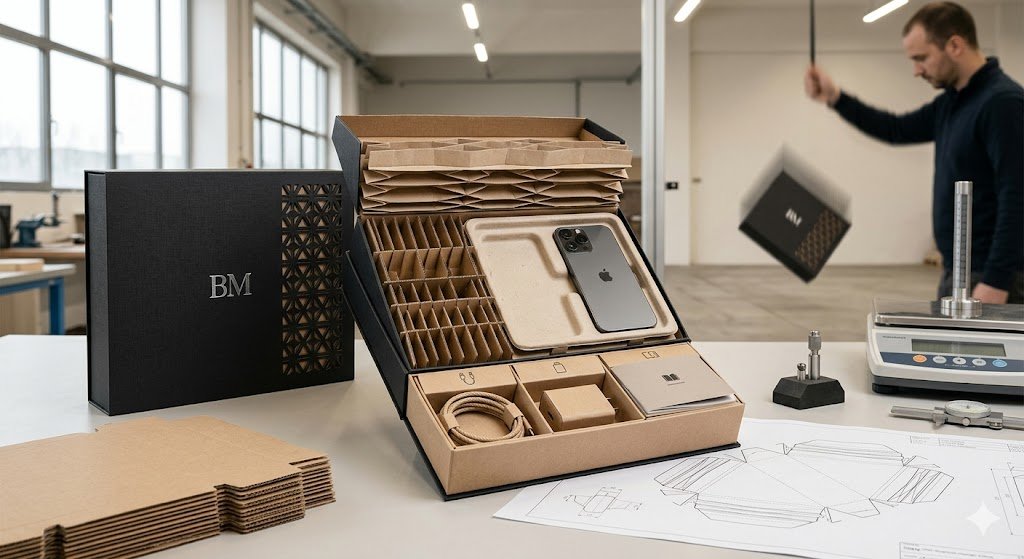
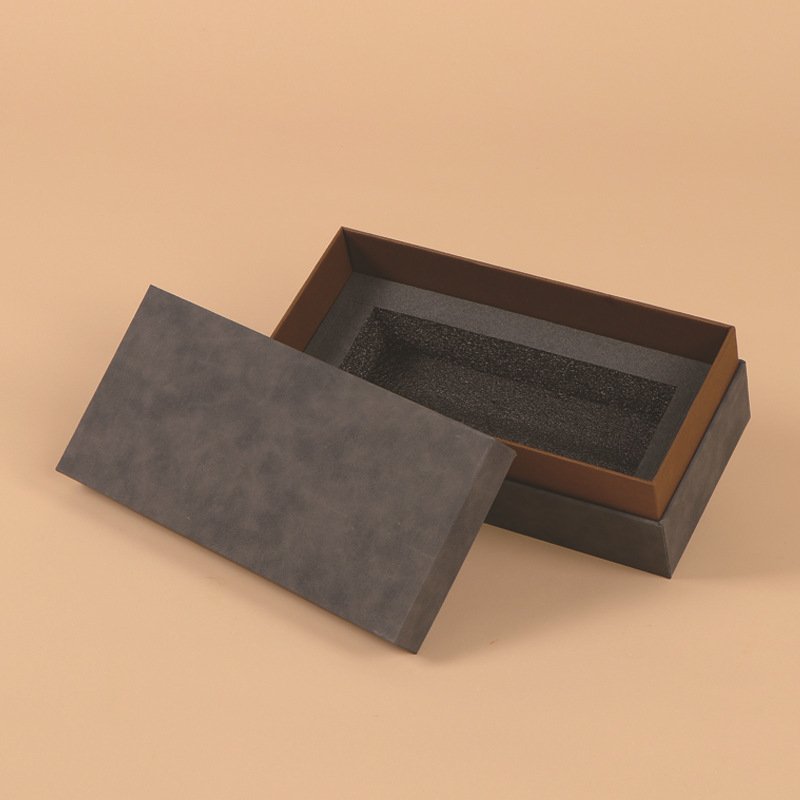
Inserts, compartments, cushioning
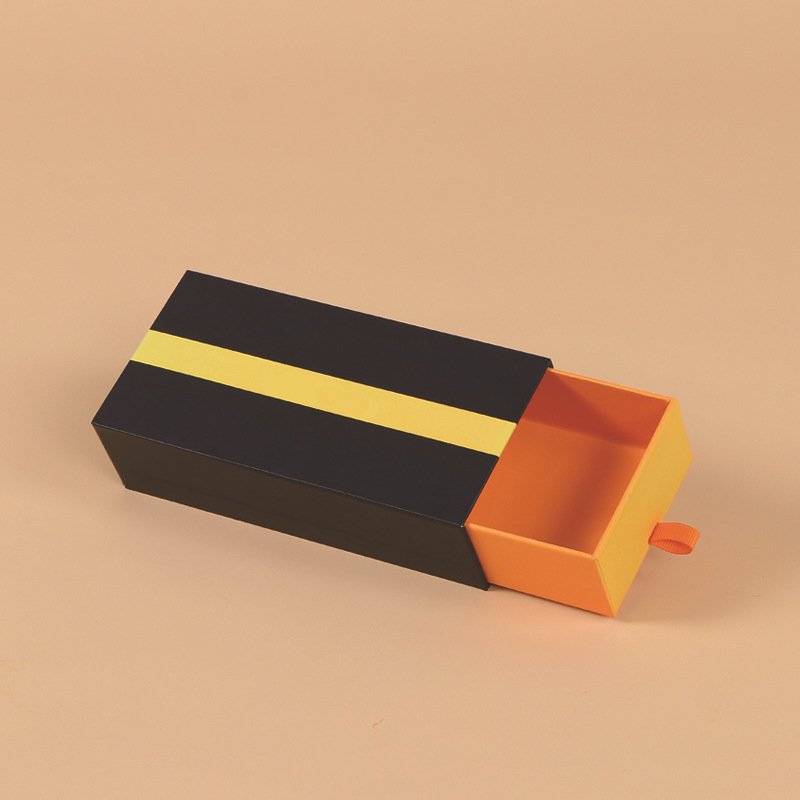
Magnetic closures, fold-outs, sliding boxes
Window cutouts
Nested or stackable designs
Balance novelty with manufacturability, cost, logistics, and robustness.
4.3. Material & finishing selection
Key decisions include:
Paperboard grade, thickness, rigidity
Surface textures or coatings (matte, soft-touch, gloss, UV, lamination)
Specialty features (foil stamping, embossing, debossing, foil stamping)
Printing techniques and inks (water-based, eco-friendly)
Use of sustainable or recycled materials
Structural reinforcement to avoid dents, crushing
Always evaluate cost vs impact trade-offs and whether these finishing touches genuinely deliver brand return.
4.4. Unboxing & multi-sensory experience
Design the unboxing journey deliberately:
Use layers (outer box, inner sleeve, tissue wrap)
Print messaging inside lids
Include branded elements like ribbons, stickers, thank-you cards
Use smell, texture, sound (e.g., crinkle paper)
Encourage social sharing (e.g. “share your unboxing #YourBrand”)
4.5. Prototyping, testing & iteration
Before full production, prototype and test:
Drop tests, stacking, compression, shipping simulations
Consumer / user testing for first impressions
Visual mockups to check shelf presence
Pilot runs and sampling
Feedback cycles help optimize packaging performance and minimize risk.
4.6. Balancing cost & ROI
Paper boxes packaging should not be overdesigned to the point of eroding margin. Always evaluate ROI: which finishing touches or design features truly add perceived value versus which are “nice but superfluous.” For new brands start with high-impact, lower-cost touches; later upgrade.
You can also modularize packaging options — a base structure, with optional premium layers or add-ons.
4.7. Scalability, standardization & logistics integration
As volumes grow, consistent quality, supply chain control, and cost management become vital. Use standard dielines, modular designs, automation where possible. Optimize for efficient stacking, shipping, and warehouse handling.
Consider how your packaging integrates into the brand’s broader operations (e.g. how easy it is for the brand’s fulfillment team to pack, label, stack, ship).
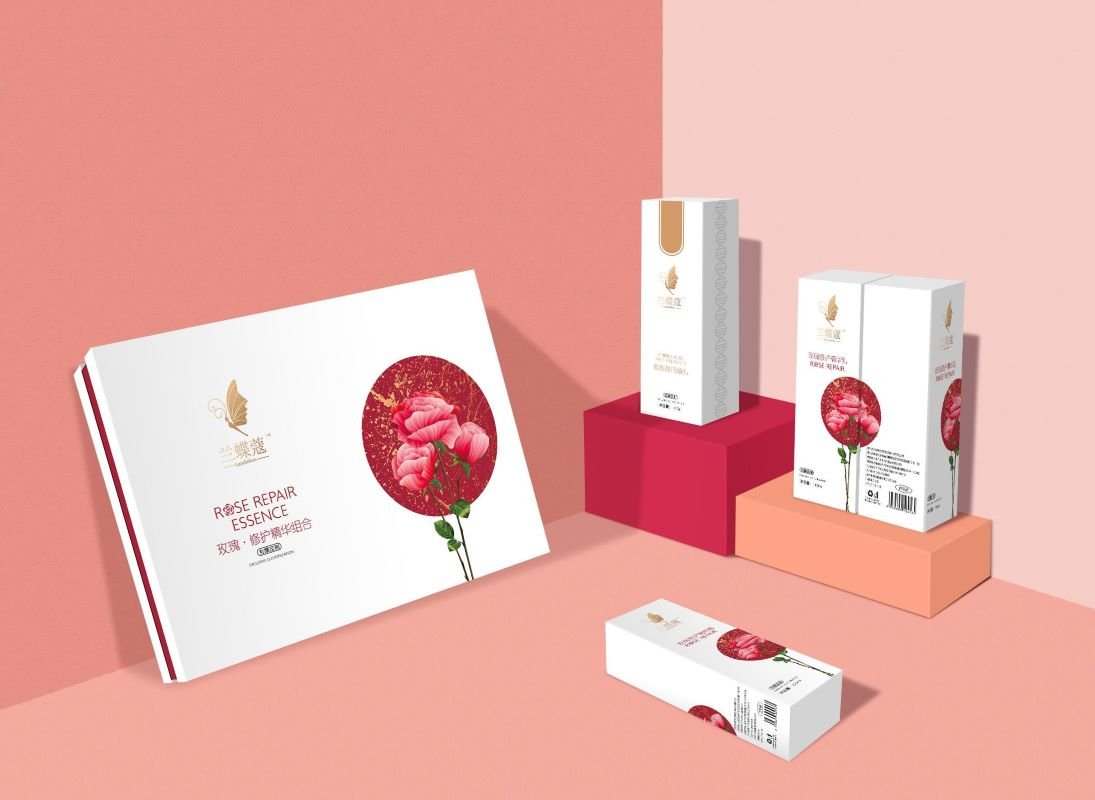
5. Role of the Paper boxes Packaging Manufacturer as Strategic Partner
As a paper boxes manufacturer with a decade-plus experience, you have an opportunity to shift your role upstream — from mere supplier to strategic packaging partner. Here’s how:
5.1. Consultative collaboration
Offer packaging consulting services: help clients define packaging strategy, material choices, cost/benefit trade-offs, structural innovations. Position yourself as part of the brand’s success, not just a vendor.
5.2. Co-creation & prototyping support
Provide early-stage prototyping, mock-ups, testing, mock shelf setups, unboxing simulations. Help clients test with real users and refine. This deep involvement builds stronger client loyalty and fewer surprises later.
5.3. Material R&D and sustainable innovations
Stay ahead by developing or sourcing greener, lighter, more durable paperboard materials, alternative coatings, innovative finishes, or hybrid sustainable materials. Offer these as value-added differentiators to your customers, helping them distinguish their brands.
5.4. Quality control & consistency
Because paper boxes packaging is brand expressive, any defect (misalignment, color shift, dents, weak structure) undermines brand credibility. As manufacturer, ensure rigorous QC, color calibration, tight tolerances, consistency across batches.
5.5. Scalability & cost management
Help clients scale packaging cost-effectively. Use economies of scale, optimize layouts, reduce waste, automate where feasible, negotiate material supply chains. The more efficiently you deliver, the more you deepen client dependency.
5.6. Aftermarket support & lifecycle analytics
You can help clients monitor packaging performance post-launch: returns data, damage rates, customer complaints, social media feedback on unboxing. Use that feedback to recommend improvements in next versions or seasonal refreshes.
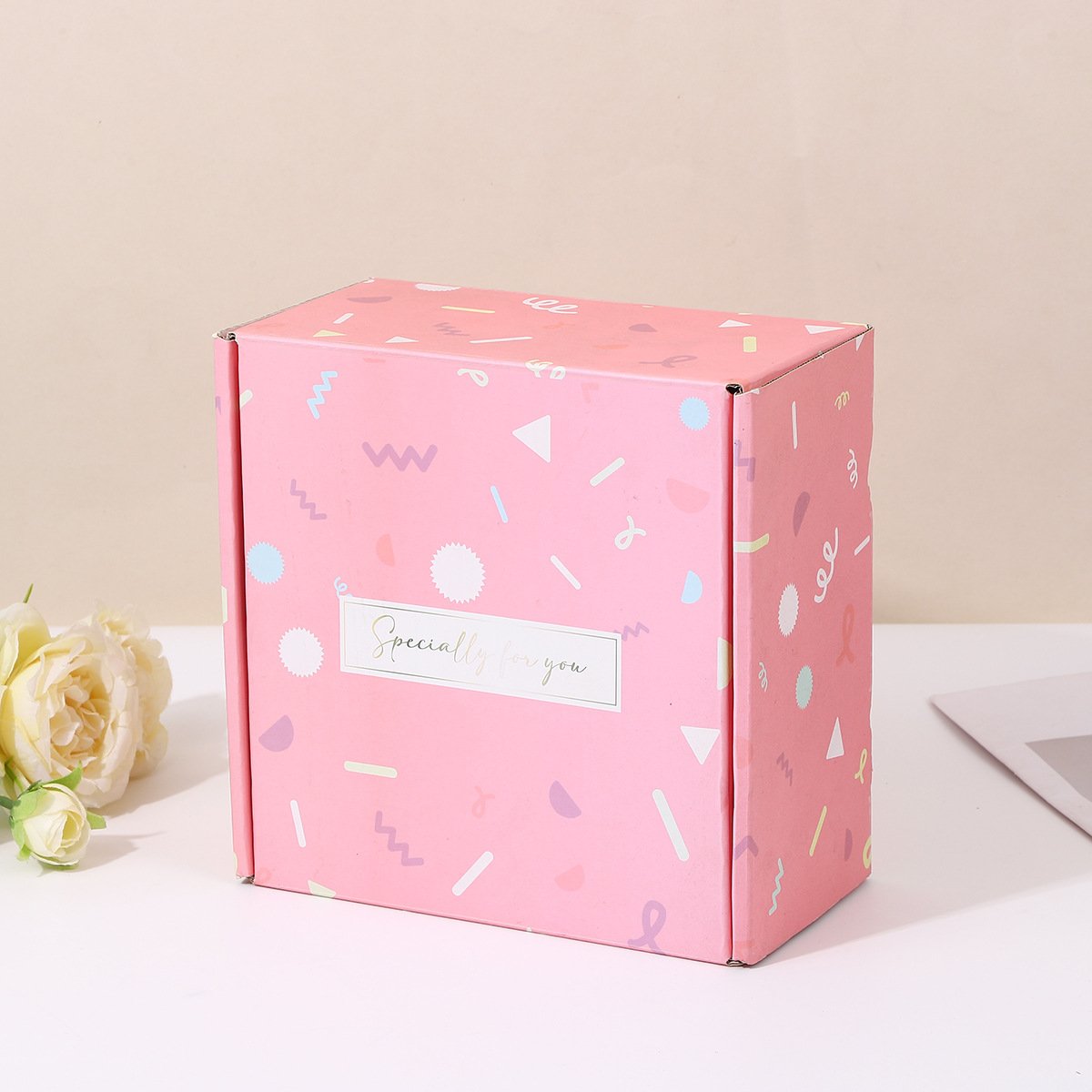
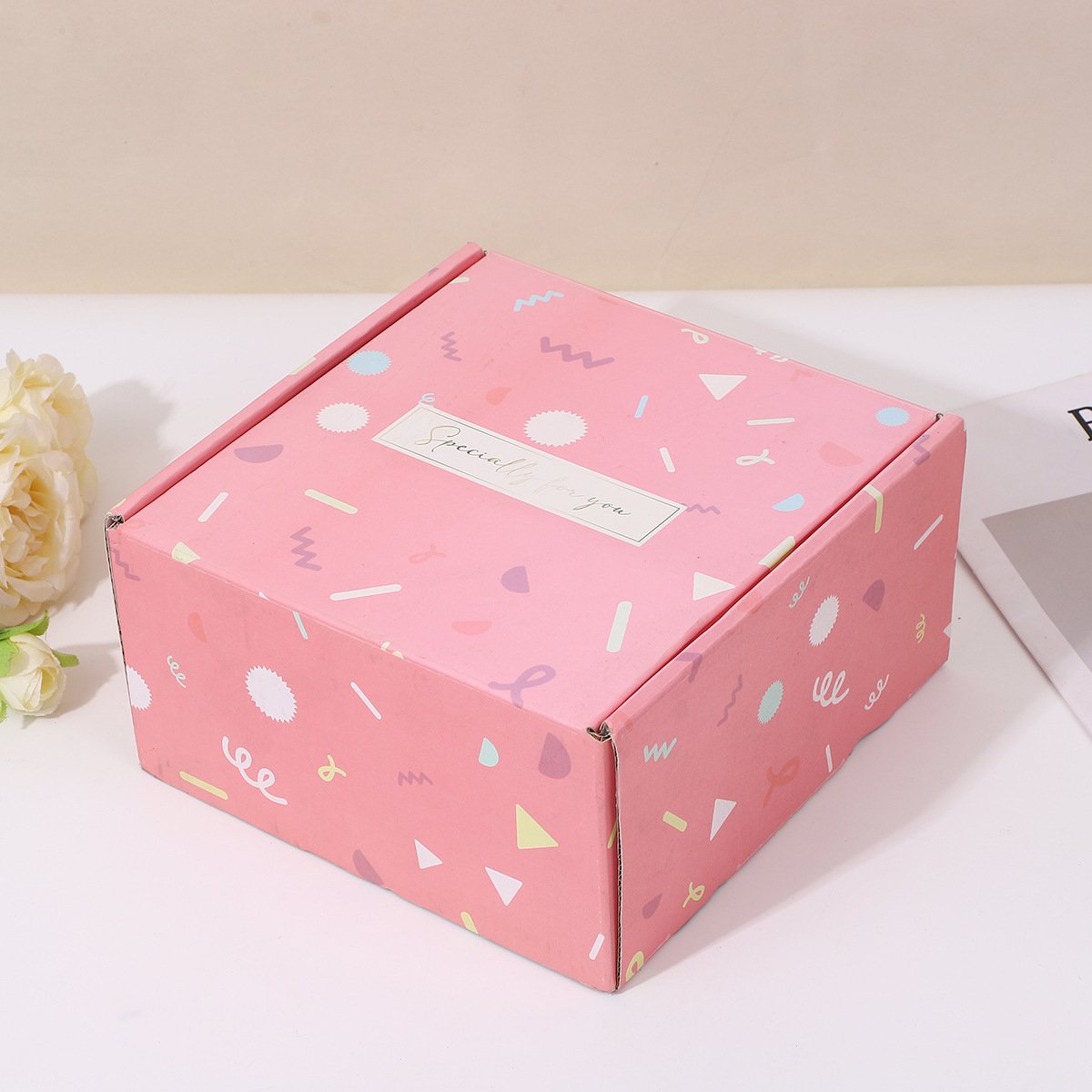
6. Case Studies & Illustrative Examples
Here are a few illustrative cases (some inspired from general packaging industry) to show how effective paper box packaging drives results.
Example A: Beauty / Cosmetics Brand
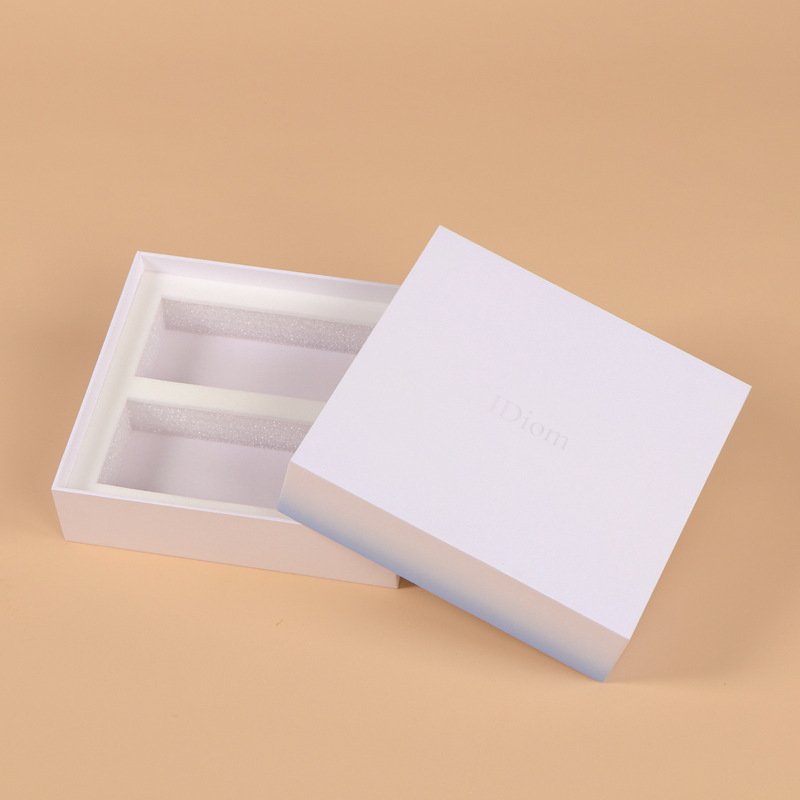
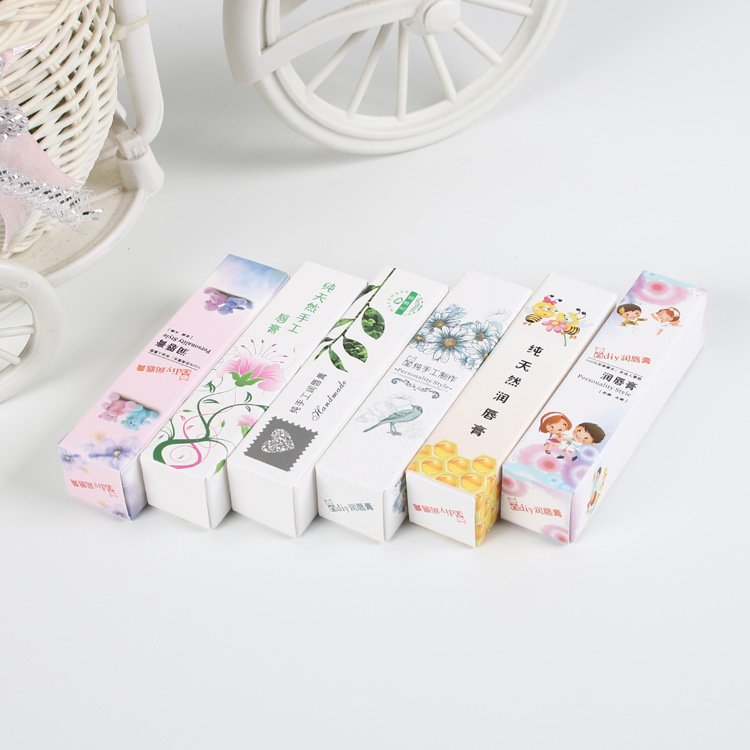
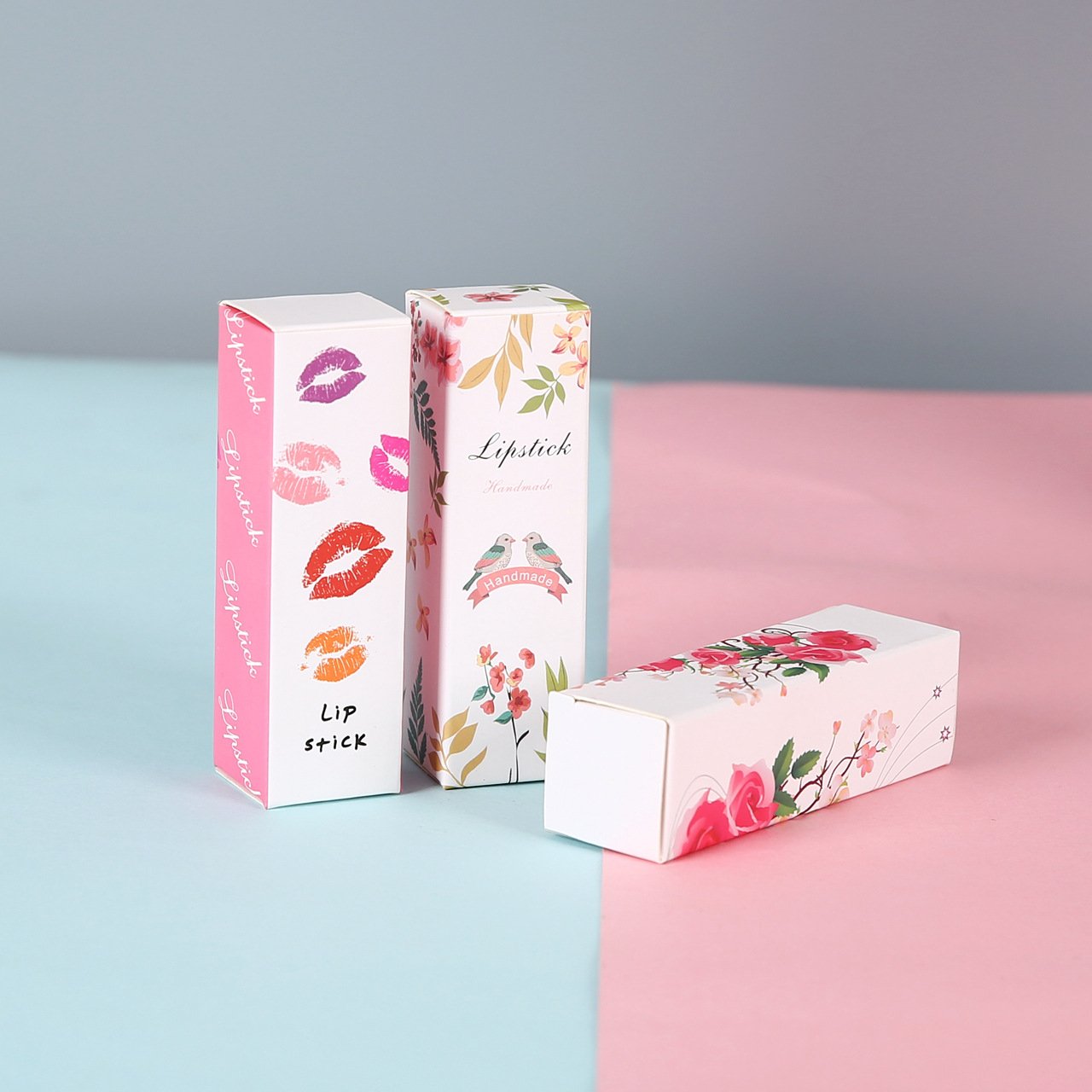
A niche cosmetics brand redesigns its rigid paperboard box with soft-touch matte finishes, foil accents, inner magnetic flap, and embossed logo. The new packaging looks and feels premium; social media influencers highlight the packaging in unboxing posts. The brand sees an increase in perception of value and raises price slightly, while also reducing returns due to sturdier construction. Brand loyalty and word-of-mouth improve.
Example B: Food / Specialty Foods
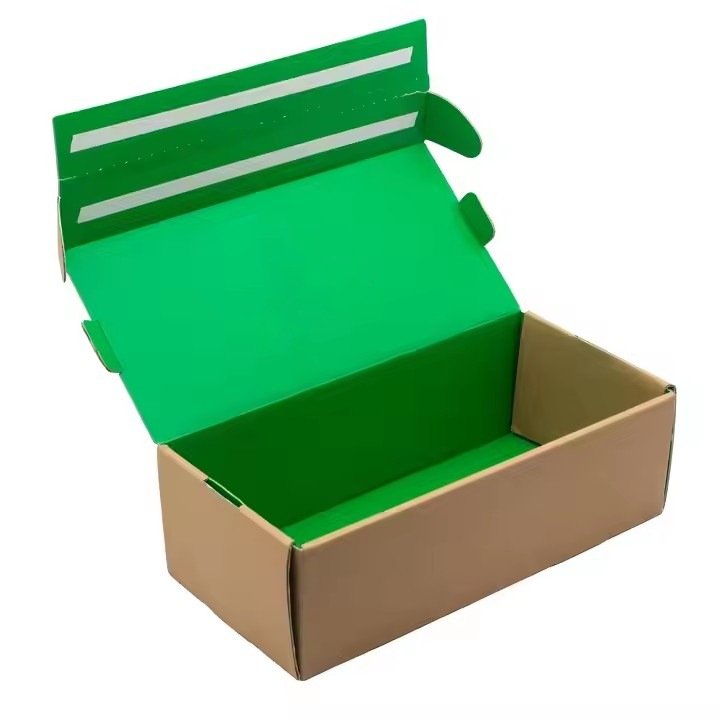
A premium tea brand uses kraft paper boxes with natural textures and windows to show tea leaves. They include a “story insert” inside the lid about tea origin, brewing tips, and a QR-code video link. The packaging conveys naturalness, authenticity, and craftsmanship. The brand enters boutique stores where shelf impact attracts customers, versus competing in commodity packaging.
Example C: Subscription / E-commerce Box
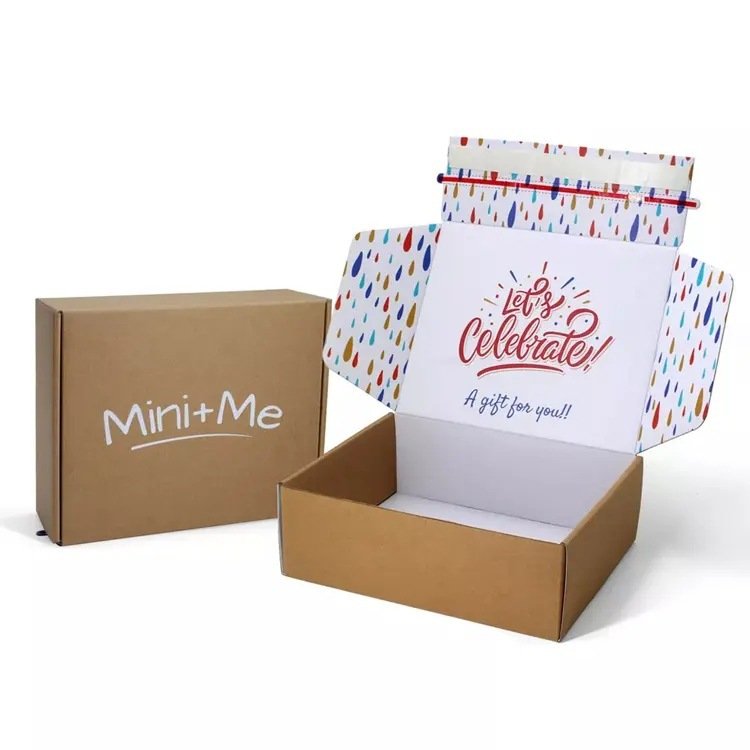
A direct-to-consumer brand designs a shipping box that doubles as a gift box. The outer box bears minimal branding; once opened, an inner branded box is revealed, with tissue paper and branded inserts. Customers film the unboxing experience and share on social media. The brand integrates QR codes in the box link to loyalty programs and upsells. The packaging becomes a marketing vehicle itself.
7. Challenges, Risks & Trade-Offs
While paper boxes packaging holds tremendous promise, there are pitfalls and constraints:
Cost pressure: Premium finishes, special coatings, and structural complexity cost more. Overdesigning can erode margin.
Logistics & durability: Fancy but flimsy packaging may fail in shipping. Must balance aesthetics with structural integrity.
Sustainability tradeoffs: Some coatings or laminations hamper recyclability. Brands must carefully choose materials.
Copycats & commoditization: Packaging innovations have shorter lifecycles; once copied, differentiation fades.
Changing trends: What’s visually appealing today may look outdated tomorrow. Regular refreshes are necessary.
Regulatory risks: Labeling requirements, material compliance, packaging waste regulations vary by region — must stay informed.
Mitigating these requires careful testing, phased rollouts, modular upgrade paths, and continuous market feedback.
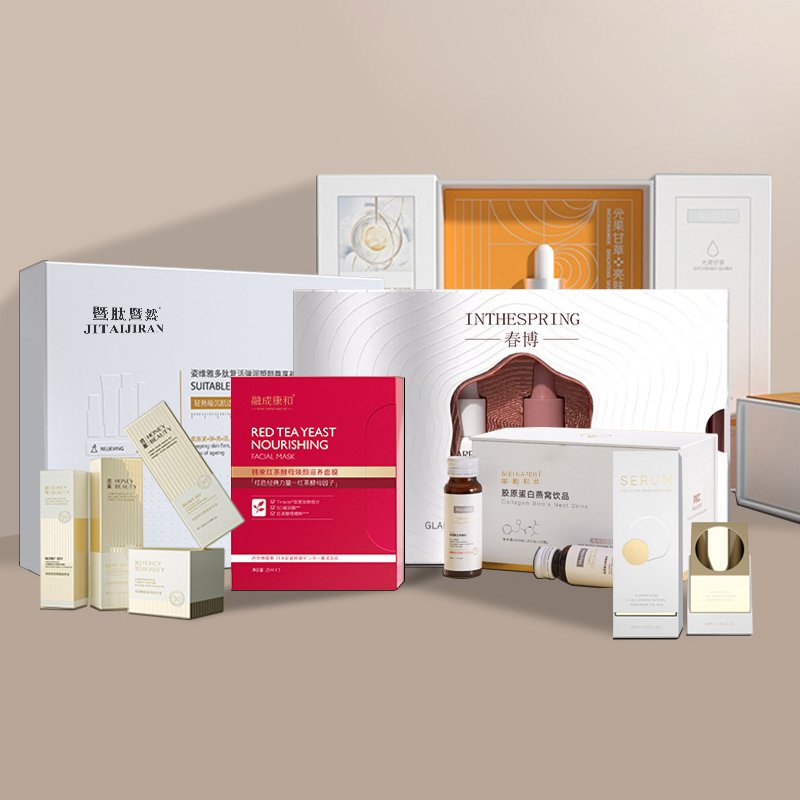
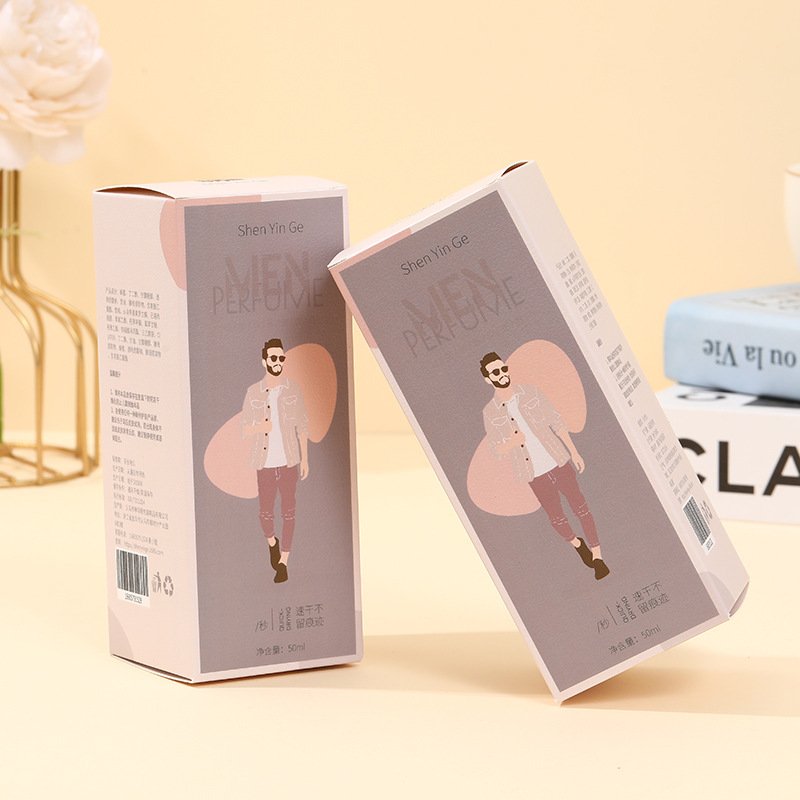
8. Metrics & Evaluation
To ensure paper boxes packaging is adding value, brands and manufacturers should track:
Conversion lift / sales uplift after new packaging
Return or damage rates
Customer feedback / reviews mentioning packaging
Unboxing social shares / UGC (user-generated content) mentions
Cost of goods impact per unit
Reordering frequency / repeat purchase rates
Packaging material waste, recyclability performance
These metrics help connect packaging choices to business outcomes.
9. Future Trends in Paper Boxes Packaging
To stay ahead, consider these ongoing or emerging trends:
Smart / connected packaging: NFC tags, QR codes, AR experiences embedded in boxes
Adaptive / modular packaging: multi-use, customizable interiors
Biodegradable / compostable materials: mycelium, plant-based coatings
Zero-waste / minimalist packaging: less filler, elimination of plastic films
Hybrid materials: combining paper with thin specialty films or coatings to improve barrier or durability
Localized or personalized packaging: small-batch custom branding, localized prints, seasonal variants
AI-driven design: generative design tools to optimize structure, minimize waste, or maximize shelf impact
By investing in R&D and staying attuned to consumer and regulatory shifts, packaging providers and brands can ride the next wave of innovation.
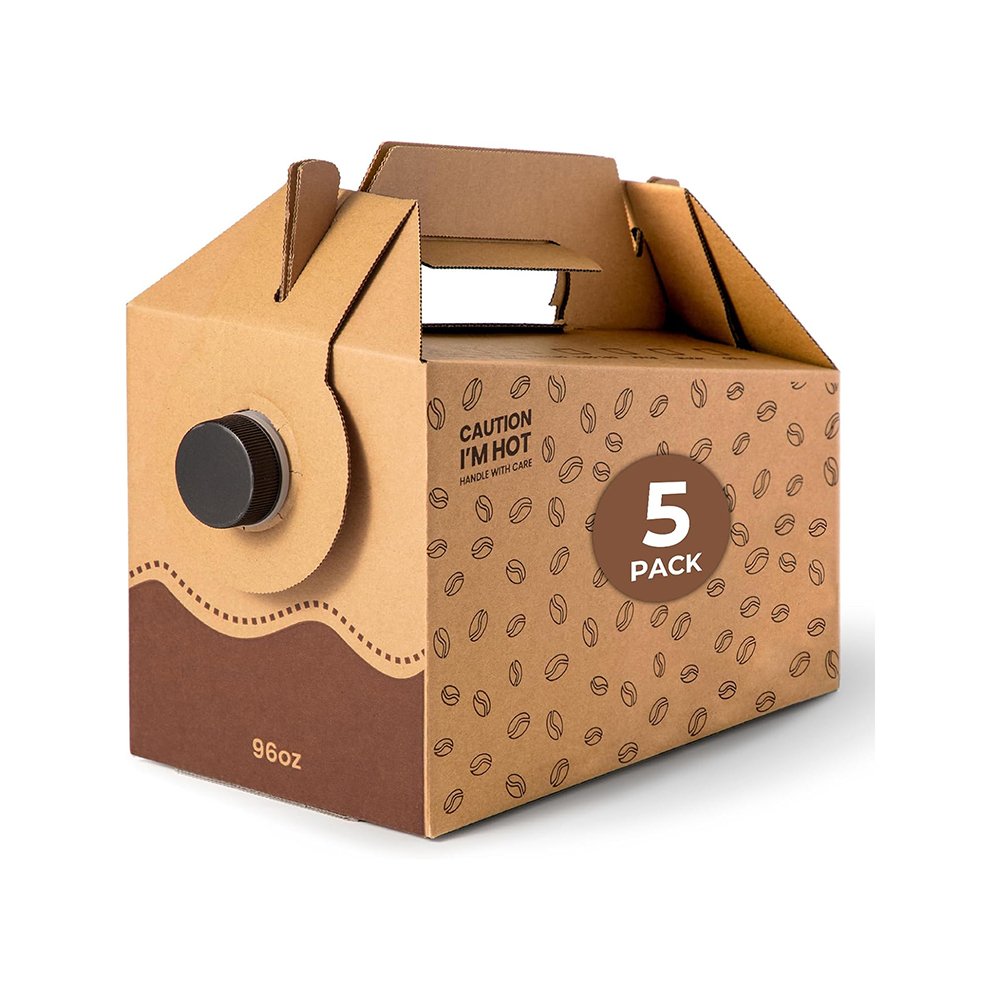
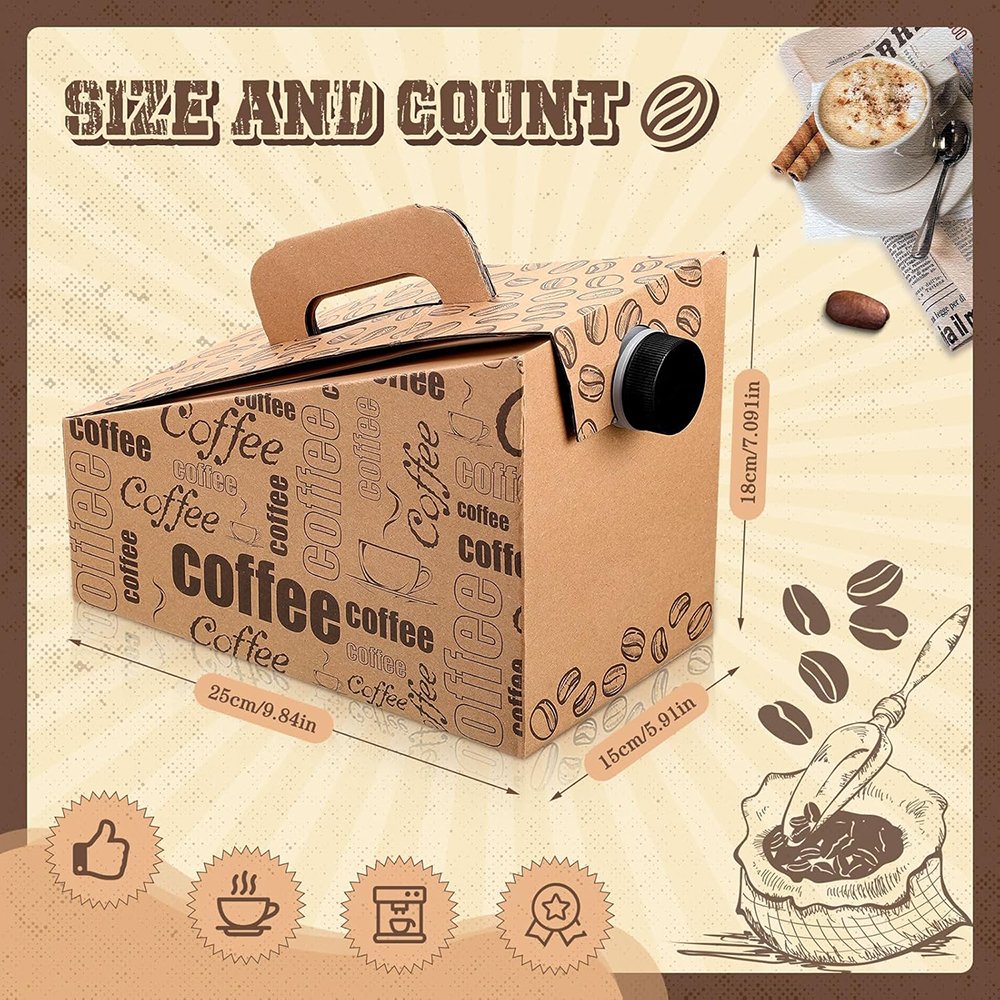
The positive impact of paper boxes packaing on brands
Packaging — especially paper boxes — is far more than a container. It is a multifaceted strategic lever that:
Defines, reinforces, and communicates brand identity
Differentiates products in crowded markets
Serves as a marketing channel (especially via unboxing and social media)
Enables pricing power and customer loyalty
Contributes to sustainability narratives
Demands balancing of design, cost, logistics, and durability
For a paper boxes manufacturer with long experience, your value proposition is evolving: you are not just a producer of boxes, but a strategic partner for brands, helping them translate identity into tangible experiences. By embracing design consultation, prototyping, material innovation, cost management, and performance analytics, you embed deeper into your clients’ success.
О компании BM Paper Box Manufacturer
We are a professional paper boxes packaging customization factory with ten years of industry experience. We focus on providing customers with high-quality customized packaging solutions, covering consumer electronics, medical equipment consumables, cosmetics and other fields, with ingenious design and exquisite technology, to add infinite charm to customers’ products.
Как профессиональная фабрика по изготовлению упаковочных коробок на заказ, мы предоставляем широкий спектр услуг, охватывающий потребительскую электронику, медицинское оборудование, расходные материалы, косметику и другие области. Будь то изысканная подарочная коробка для элитной бытовой электроники, профессиональная упаковка медицинского оборудования или модная внешняя коробка для косметики, мы можем разработать наиболее подходящее упаковочное решение в соответствии с потребностями клиентов и характеристиками продукта. Наш профессионализм был признан многими брендовыми клиентами, и мы стали их надежным партнером.
Почему стоит выбрать фабрику бумажных коробок BM?
ВЫСОКОЕ КАЧЕСТВО: Будучи одним из лучших производителей картонных коробок на заказ в Китае, наша команда контроля качества гарантирует высочайшее качество каждого полученного вами продукта. Мы располагаем профессиональным оборудованием для тестирования качества.
ДИЗАЙН ПРОДУКЦИИ: Наш отдел разработки образцов имеет полный цикл от создания чертежей до воплощения их в жизнь. Мы также совершенствуем дизайн вашей продукции, опираясь на многолетний опыт работы. Поделитесь с нами своим мнением.
СТАБИЛЬНЫЕ СРОКИ ДОСТАВКИ: Будучи лучшим производителем и поставщиком подарочных коробок, мы обладаем достаточными производственными мощностями, и даже крупные заказы не смогут нас остановить, мы всегда сможем доставить ваш заказ вовремя.
ЛУЧШАЯ ЦЕНА: Мы являемся заводом-поставщиком бумажных коробок и лучшим производителем в Китае, поэтому можем предложить высококачественные пакеты по лучшей цене.
ТОЧНОЕ УПРАВЛЕНИЕ: Ничего нельзя достичь без внедрения точного управления. Мы — компания с полностью отлаженной системой управления.
Круглосуточное обслуживание: Как лучший производитель картонных коробок, мы обеспечиваем оперативное реагирование 24/7: мы учтем ваши отзывы, чтобы стать лучшим поставщиком. Свяжитесь с нами(+86 18925520049)
Часто задаваемые вопросы о картонных коробках BM
Мы являемся ведущим китайским производителем, и наш завод расположен в Дунгуане. Приглашаем вас посетить наш завод!
• Мы являемся профессиональным поставщиком бумажной упаковки, особенно в сфере подарочной упаковки. Мы можем производить различные бумажные коробки и пакеты для разных целей.
• Мы предоставляем комплексные услуги и принимаем заказы на разработку индивидуальных проектов в соответствии с вашими требованиями.
• Разумеется, обычно мы предоставляем бесплатные образцы, и вам нужно оплатить только доставку. Для образцов с индивидуальной печатью, пожалуйста, пришлите нам ваши требования для уточнения стоимости образца.
• Изготовление образца занимает около 7 дней.
Да, мы предоставляем бесплатные услуги по проектированию, разработке конструкций и простому графическому дизайну.
Конечно. Мы можем изготовить любую упаковку по вашему дизайну. Сейчас мы предлагаем ODM-упаковку для небольших партий от 100 до 500 штук, но вы все равно можете разместить на ней свой логотип.
В зависимости от объема заказа и особенностей производства, срок выполнения составит от 15 до 20 дней.
Перед массовым производством всегда предоставляется предсерийный образец; перед отгрузкой всегда проводится окончательная проверка.
• Размер, материал, детали печати, количество, место доставки и т. д.
• Вы также можете просто сообщить нам свои требования, и мы порекомендуем вам подходящие товары.
• Морским, воздушным или экспресс-транспортом.
• Если у вас есть собственный экспедитор в Китае, то используется цена «франко-завод» или FOB.
• Условия поставки: CFR или CIF и т.д., если вам необходимо, чтобы мы осуществили доставку от вашего имени.
• Также можно использовать DDP и DDU.
• Если у вас больше вариантов, мы рассмотрим ваши предложения.
• Цена определяется количеством, материалом, методом обработки, размером и другими факторами. Кроме того, в связи с нашим постоянным
Благодаря технологическим инновациям, цены на некоторые наши товары чрезвычайно конкурентоспособны. Для получения ценового предложения, пожалуйста, свяжитесь с нами.