





In an era when consumers are inundated with choices, paper boxes packaging is not just a protective shell — it is a strategic asset. For brands, paper boxes offer a tangible interface with customers: they convey value, communicate identity, and serve as a potent marketing tool. For manufacturers like you, with deep experience in producing custom paper boxes, understanding the deeper impacts of packaging gives you not only a production advantage but also strategic vision: you are not just a box-maker, but a partner in a brand’s market success.
This article explores in detail how paper boxes influence branding, market positioning, and marketing — with real-world examples, best practices, and actionable insights for both packaging suppliers and brands.
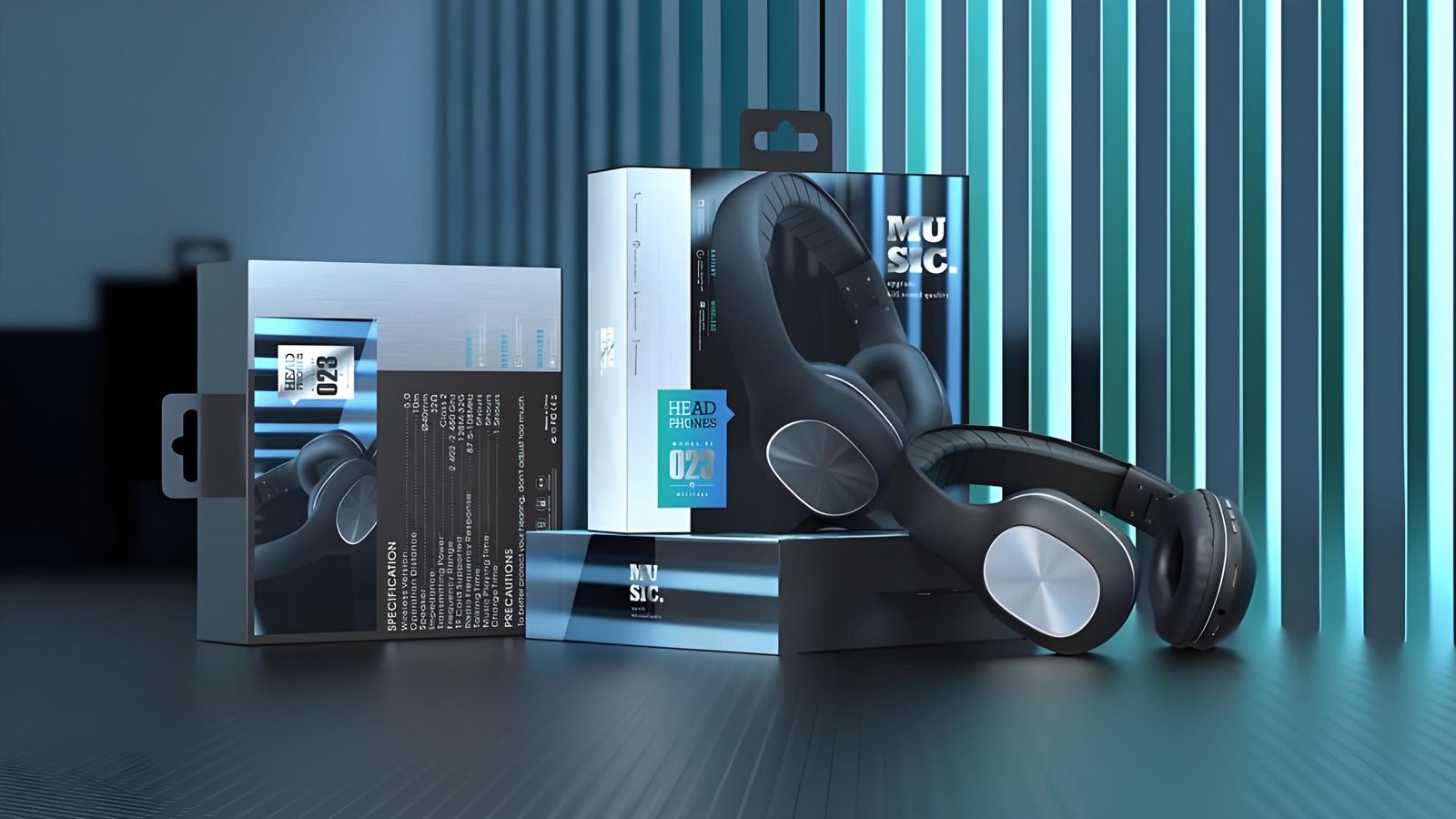
1. Paper boxes Packaging as Brand Identity
1.1. First physical touchpoint
When a customer first receives or sees a product, their first tangible interaction is often with the paper boxes packaging. That “first impression” carries enormous weight. People tend to “judge a book by its cover” — if the box looks low quality, generic, or uninspiring, consumers may infer the product inside is likewise unremarkable.
Packaging acts as a “silent salesperson” — it can attract, inform, and persuade without a human salesperson present. PakFactory calls it “the first physical touchpoint between your brand and potential customers.”
1.2. Visual consistency & recognition
An effective packaging strategy ensures visual consistency across product lines: logo, colors, typography, layout, materials, finishes. Over time, consistency builds brand recognition — even when your box is on a crowded shelf, loyal customers will pick yours at a glance.
Distinctive packaging helps differentiate — consider how certain premium brands use matte black boxes, embossing, foiling, or custom die-cut shapes to stand out. The packaging becomes part of the brand’s visual language and equity.
1.3. Conveying brand positioning & quality
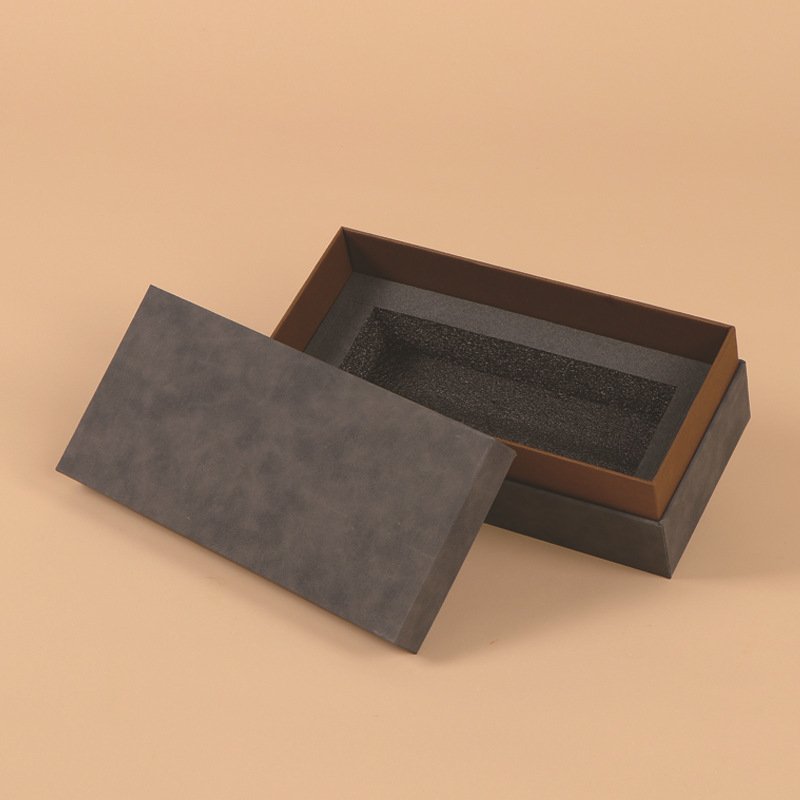
Not all paper boxes packaging needs to scream “luxury,” but packaging should be aligned with brand positioning. If your brand is affordable and eco-friendly, using heavy gloss lamination or plastic films may send conflicting signals. If your brand is premium, then high-end finishes, rigid paperboard, foil stamping, embossing, soft-touch coatings, or customized structural design can support that premium perception.
A misalignment between paper boxes packaging and brand positioning can undermine trust. BM cites the example of a supplement brand which initially used sleek marble and gold packaging to look premium, but potential buyers perceived it as too upscale (and thus out of their price range) — so the brand repositioned.
1.4. Authenticity, values, and storytelling
Modern consumers care about brand values: sustainability, transparency, social purpose. Packaging offers a direct medium to reflect these values:
Use of recycled or recyclable paper and eco-friendly inks
Minimalist or reduced packaging to reduce waste
Transparency windows or cutouts to show the actual product
Printed stories, QR codes, origin stories, brand mission statements
When packaging choices reflect a brand’s values in a genuine way, it builds authenticity and trust, which in turn fosters brand loyalty.

2. Paper boxes Packaging as a Marketing & Sales Tool
2.1. Differentiation & shelf impact
In retail environments (stores, supermarkets, boutiques), products compete visually. Packaging must grab attention quickly. Bold colors, interesting structural shapes, cutouts, creative use of negative space, textures, or unique visual cues can help a product “pop” on the shelf.
A strong shelf impact helps reduce “search cost” for consumers — they see your product first, rather than having to consciously search. Emotional triggers, contrast, and novelty help a package perform as a mini billboard.
2.2. Emotional connection & storytelling
Beyond just aesthetics, paper boxes packaging can generate emotional resonance. Many brands incorporate narratives, heritage cues, or experiential touches in their packaging. People often form attachment to brands via emotional triggers: nostalgia, exclusivity, humor, or belonging.
Using storytelling on packaging invites customers into the brand’s universe. When customers feel a connection, they remember, trust, and are more motivated to purchase.
2.3. Unboxing & social media virality
In the age of e-commerce, the “unboxing experience” has become a marketing channel in itself. Many consumers post unboxing photos or videos on social platforms like Instagram, TikTok, YouTube. That free exposure becomes word-of-mouth, user-generated content, and viral marketing.
BM notes that 40% of consumers are more likely to share a photo of interesting packaging.
To encourage that, designers use:
Layered opening (boxes inside boxes)
Tissue paper, ribbons, inner graphics
Surprise inserts (thank you card, coupon, sample)
Hidden messages or compartments
Premium finishes that feel “special”
A memorable unboxing can convert casual customers into brand ambassadors.
2.4. Upselling, cross-selling, secondary use
Well-designed paper boxes packaging can facilitate additional marketing tactics:
The inner side of the box or lid can include messaging (upsell, cross-sell, discount codes, QR codes for next purchase)
Packaging can be reusable or repurposable (e.g., jewelry or gift boxes) — prolonging brand exposure
Packaging can be “shareable” (e.g. gift packaging) — spreading brand visibility
Moreover, good packaging reduces product damage, returns, and customer complaints — indirectly improving profitability.
2.5. Pricing power and perceived value
If paper boxes packaging conveys higher perceived value, brands can justify a higher price premium. Consumers are often willing to pay more for “luxury-feel” packaging, improved presentation, or enhanced brand prestige. Packaging can thus be a lever to shift the price-value perception.
BM cites that after improving packaging, 30% of businesses reported increased profits.

3. Market Influence & Competitive Landscape
3.1. Barriers to entry & brand moat
Unique paper boxes packaging is part of a brand’s moat: once a brand’s packaging becomes iconic, it’s harder for competitors to replicate. Especially with structural innovations or patented box designs, the packaging itself can deter copycats.
Entrants with generic or commodity packaging face uphill battles — they lack that sensory edge. Packaging thus contributes to competitive advantage.
3.2. Market segmentation & niche branding
Different market segments respond to different packaging cues. For example:
Premium / luxury consumers expect sophistication, texture, and finesse in packaging
Eco-conscious customers respond to minimalist, recycled, compostable packaging
Younger demographics may respond to playful, bold, interactive, or trending designs
By tailoring paper box packaging to distinct niches, a brand can better reach target demographics. Packaging becomes a market communicator.
3.3. Retailer and channel requirements
Retailers often impose paper boxes packaging requirements (size, barcode area, stacking strength, displayability). Good packaging design aligns with these constraints, optimizing shelf space and retailer friendliness.
Also, in e-commerce and omnichannel models, packaging must satisfy shipping durability, damage resistance, and cost efficiency. Brands that balance both aesthetics and logistics requirements gain market advantage.
3.4. Sustainability as market differentiator
Increasingly, sustainability is not just a trend but a market expectation. Consumers and regulators demand lower waste, recycled content, biodegradable materials, and reduced overpackaging. Brands that adopt “green” packaging early can gain positive brand perception, stand out in crowded markets, and potentially anticipate regulatory changes.
Paper boxes (especially recyclable or compostable ones) are favorably positioned in this trend.

4. Best Practices & Strategic Tips for Paper Boxes Packaging
4.1. Know your customer & brand story
Start with clear customer personas: age, preferences, values, behaviors. Understand what they expect or respond to. Then make packaging choices — visual, tactile, structural — that align with that customer profile.
At the same time, ensure the packaging helps tell your brand story (heritage, mission, sustainability, craftsmanship).
4.2. Structural innovation & functionality
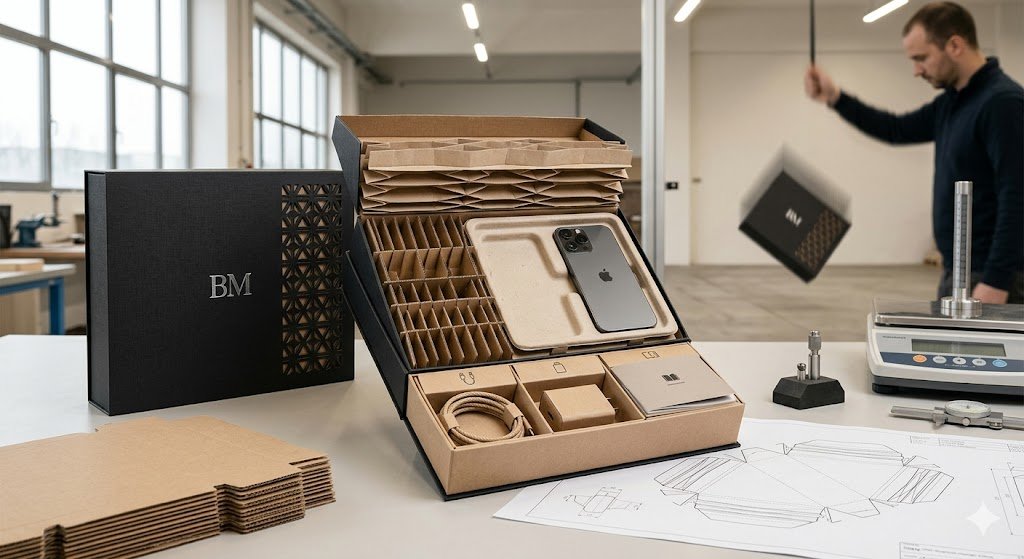
Beyond graphics, structural design matters. As a seasoned manufacturer, you can leverage:
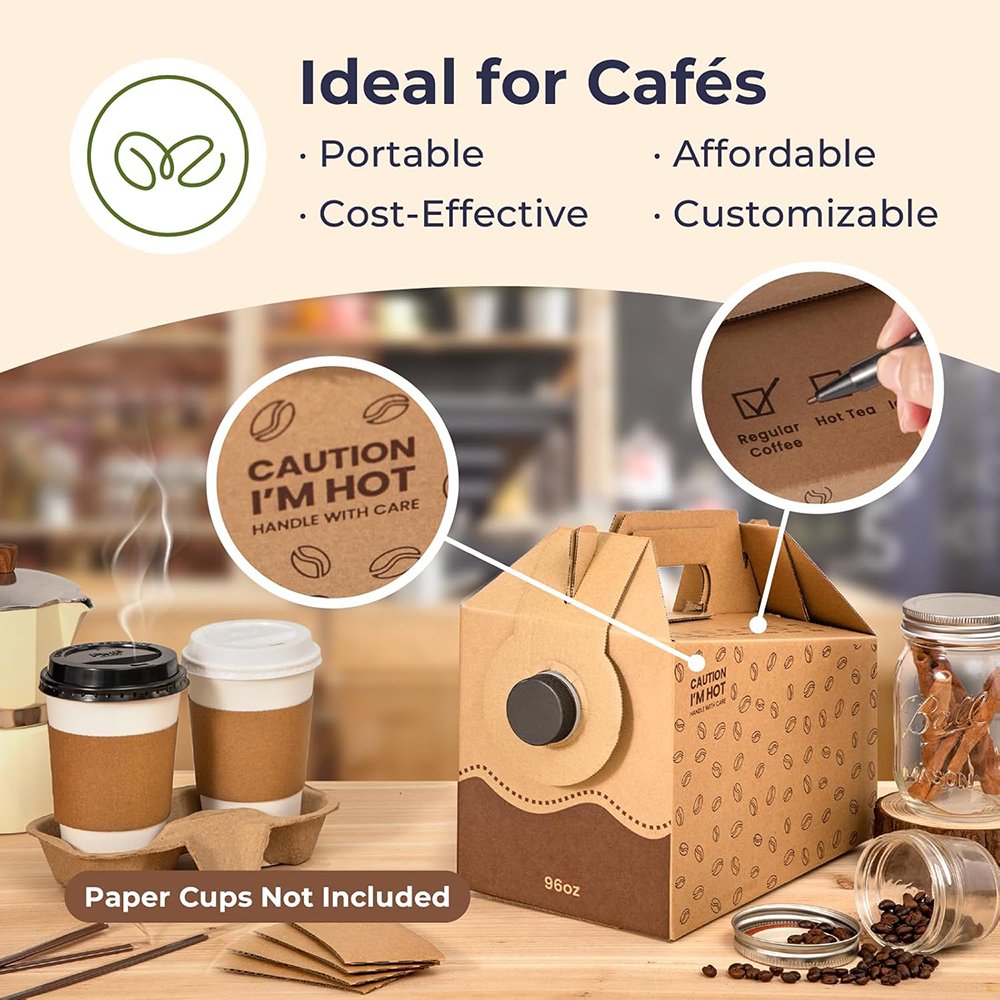
Custom die-cut shapes
Inserts, compartments, cushioning
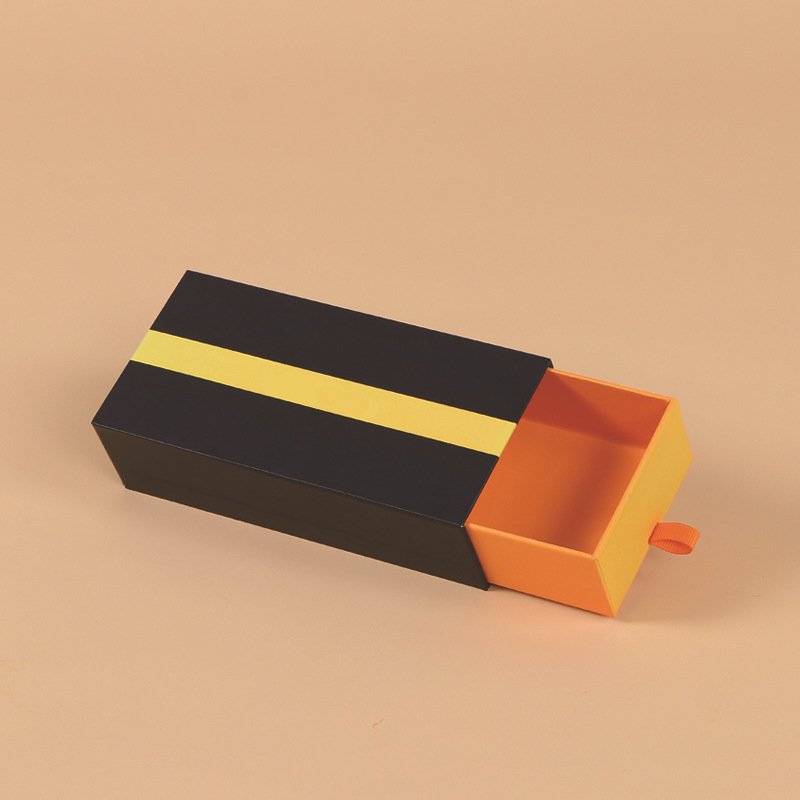
Magnetic closures, fold-outs, sliding boxes
Window cutouts
Nested or stackable designs
Balance novelty with manufacturability, cost, logistics, and robustness.
4.3. Material & finishing selection
Key decisions include:
Paperboard grade, thickness, rigidity
Surface textures or coatings (matte, soft-touch, gloss, UV, lamination)
Specialty features (foil stamping, embossing, debossing, foil stamping)
Printing techniques and inks (water-based, eco-friendly)
Use of sustainable or recycled materials
Structural reinforcement to avoid dents, crushing
Always evaluate cost vs impact trade-offs and whether these finishing touches genuinely deliver brand return.
4.4. Unboxing & multi-sensory experience
Design the unboxing journey deliberately:
Use layers (outer box, inner sleeve, tissue wrap)
Print messaging inside lids
Include branded elements like ribbons, stickers, thank-you cards
Use smell, texture, sound (e.g., crinkle paper)
Encourage social sharing (e.g. “share your unboxing #YourBrand”)
4.5. Prototyping, testing & iteration
Before full production, prototype and test:
Drop tests, stacking, compression, shipping simulations
Consumer / user testing for first impressions
Visual mockups to check shelf presence
Pilot runs and sampling
Feedback cycles help optimize packaging performance and minimize risk.
4.6. Balancing cost & ROI
Paper boxes packaging should not be overdesigned to the point of eroding margin. Always evaluate ROI: which finishing touches or design features truly add perceived value versus which are “nice but superfluous.” For new brands start with high-impact, lower-cost touches; later upgrade.
You can also modularize packaging options — a base structure, with optional premium layers or add-ons.
4.7. Scalability, standardization & logistics integration
As volumes grow, consistent quality, supply chain control, and cost management become vital. Use standard dielines, modular designs, automation where possible. Optimize for efficient stacking, shipping, and warehouse handling.
Consider how your packaging integrates into the brand’s broader operations (e.g. how easy it is for the brand’s fulfillment team to pack, label, stack, ship).
5. Role of the Paper boxes Packaging Manufacturer as Strategic Partner
As a paper boxes manufacturer with a decade-plus experience, you have an opportunity to shift your role upstream — from mere supplier to strategic packaging partner. Here’s how:
5.1. Consultative collaboration
Offer packaging consulting services: help clients define packaging strategy, material choices, cost/benefit trade-offs, structural innovations. Position yourself as part of the brand’s success, not just a vendor.
5.2. Co-creation & prototyping support
Provide early-stage prototyping, mock-ups, testing, mock shelf setups, unboxing simulations. Help clients test with real users and refine. This deep involvement builds stronger client loyalty and fewer surprises later.
5.3. Material R&D and sustainable innovations
Stay ahead by developing or sourcing greener, lighter, more durable paperboard materials, alternative coatings, innovative finishes, or hybrid sustainable materials. Offer these as value-added differentiators to your customers, helping them distinguish their brands.
5.4. Quality control & consistency
Because paper boxes packaging is brand expressive, any defect (misalignment, color shift, dents, weak structure) undermines brand credibility. As manufacturer, ensure rigorous QC, color calibration, tight tolerances, consistency across batches.
5.5. Scalability & cost management
Help clients scale packaging cost-effectively. Use economies of scale, optimize layouts, reduce waste, automate where feasible, negotiate material supply chains. The more efficiently you deliver, the more you deepen client dependency.
5.6. Aftermarket support & lifecycle analytics
You can help clients monitor packaging performance post-launch: returns data, damage rates, customer complaints, social media feedback on unboxing. Use that feedback to recommend improvements in next versions or seasonal refreshes.
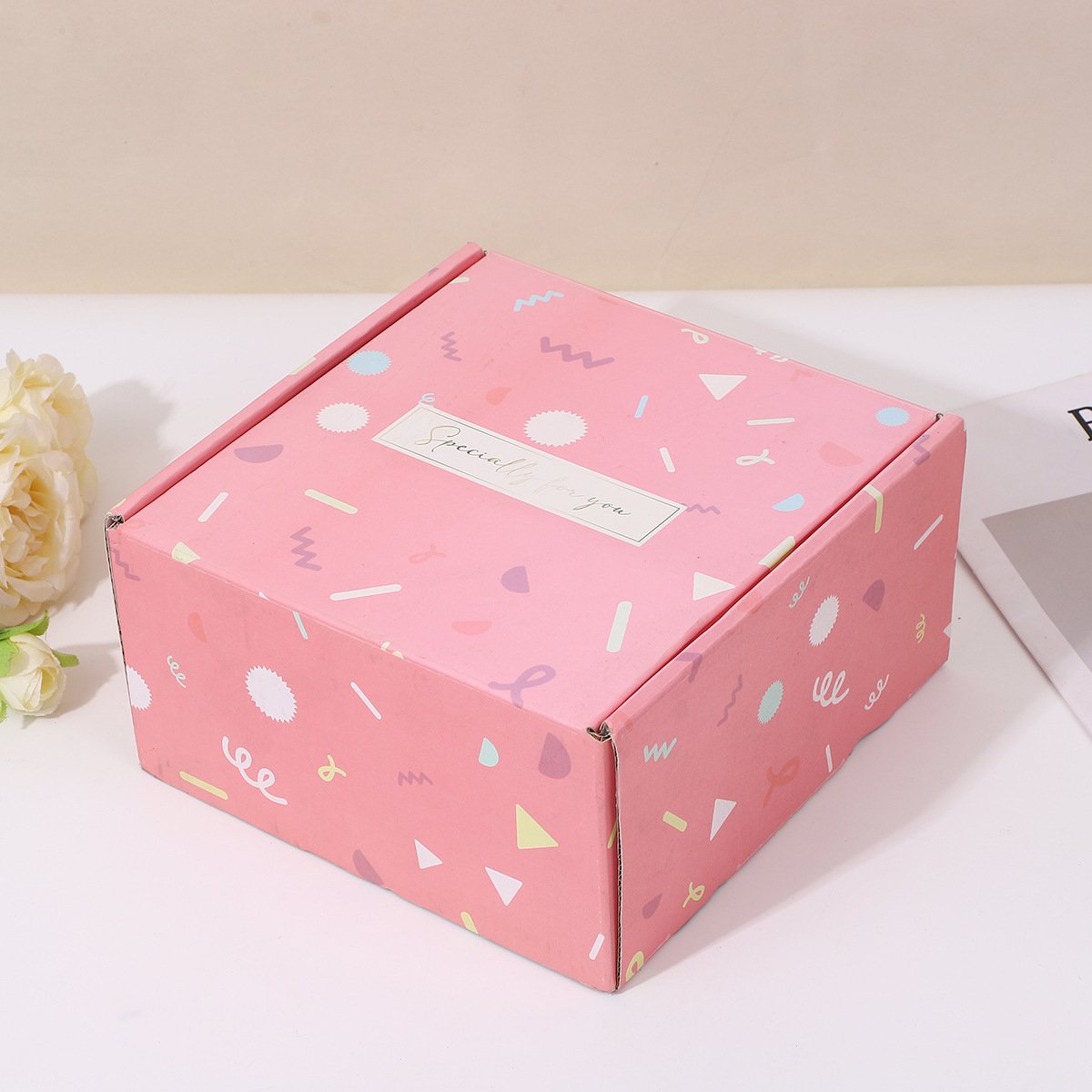
6. Case Studies & Illustrative Examples
Here are a few illustrative cases (some inspired from general packaging industry) to show how effective paper box packaging drives results.
Example A: Beauty / Cosmetics Brand
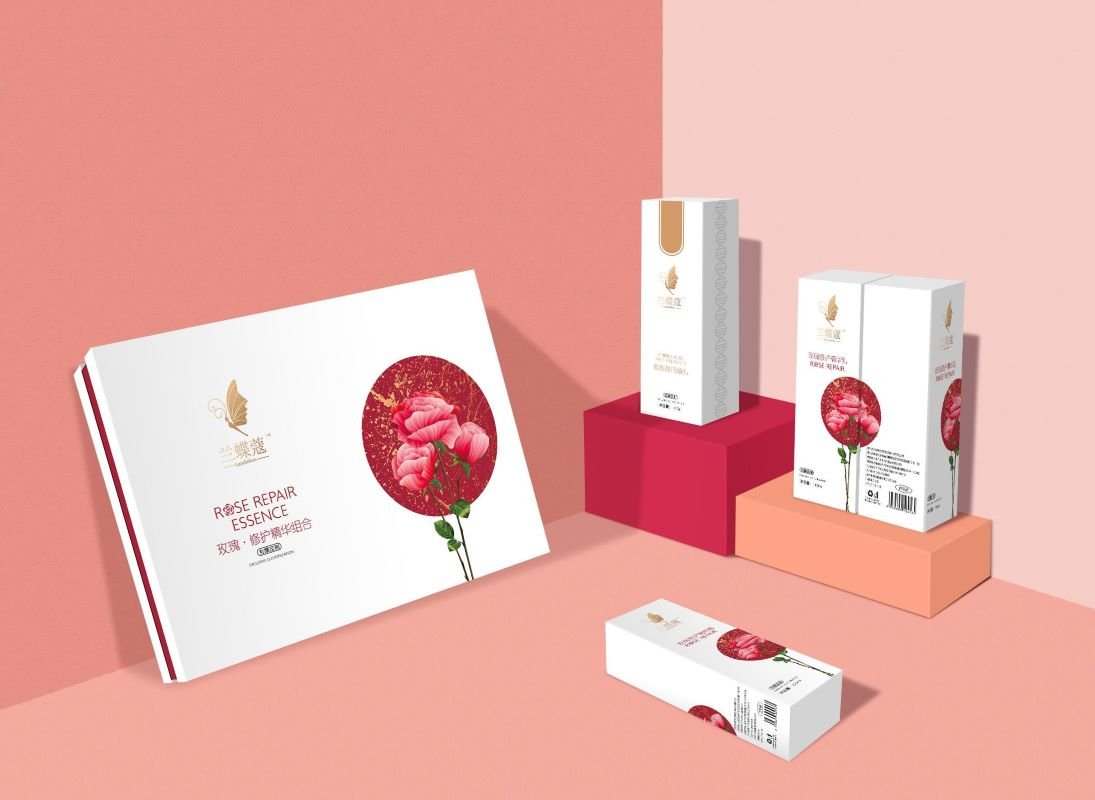
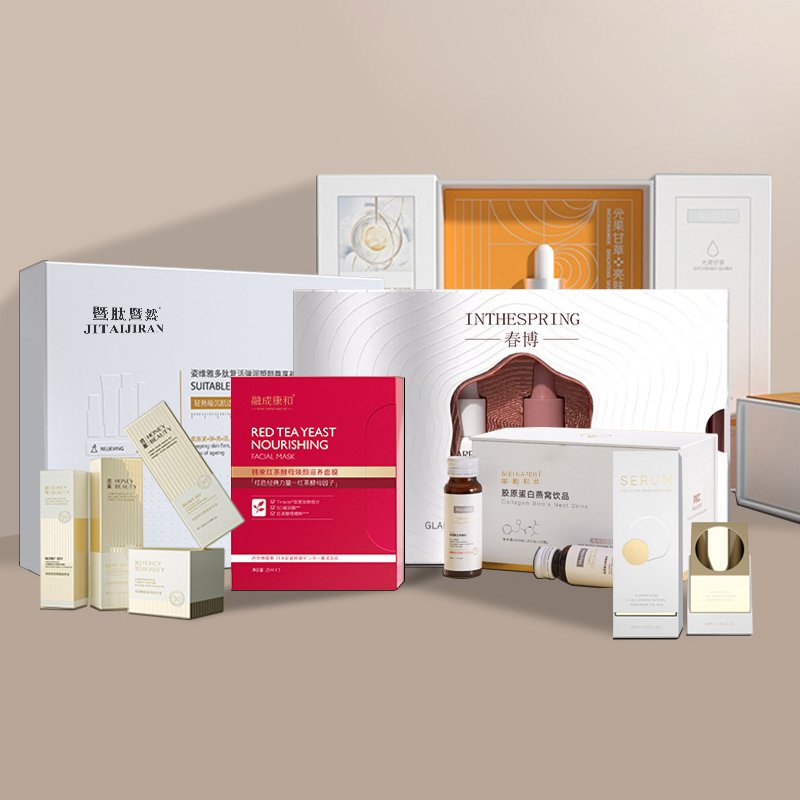
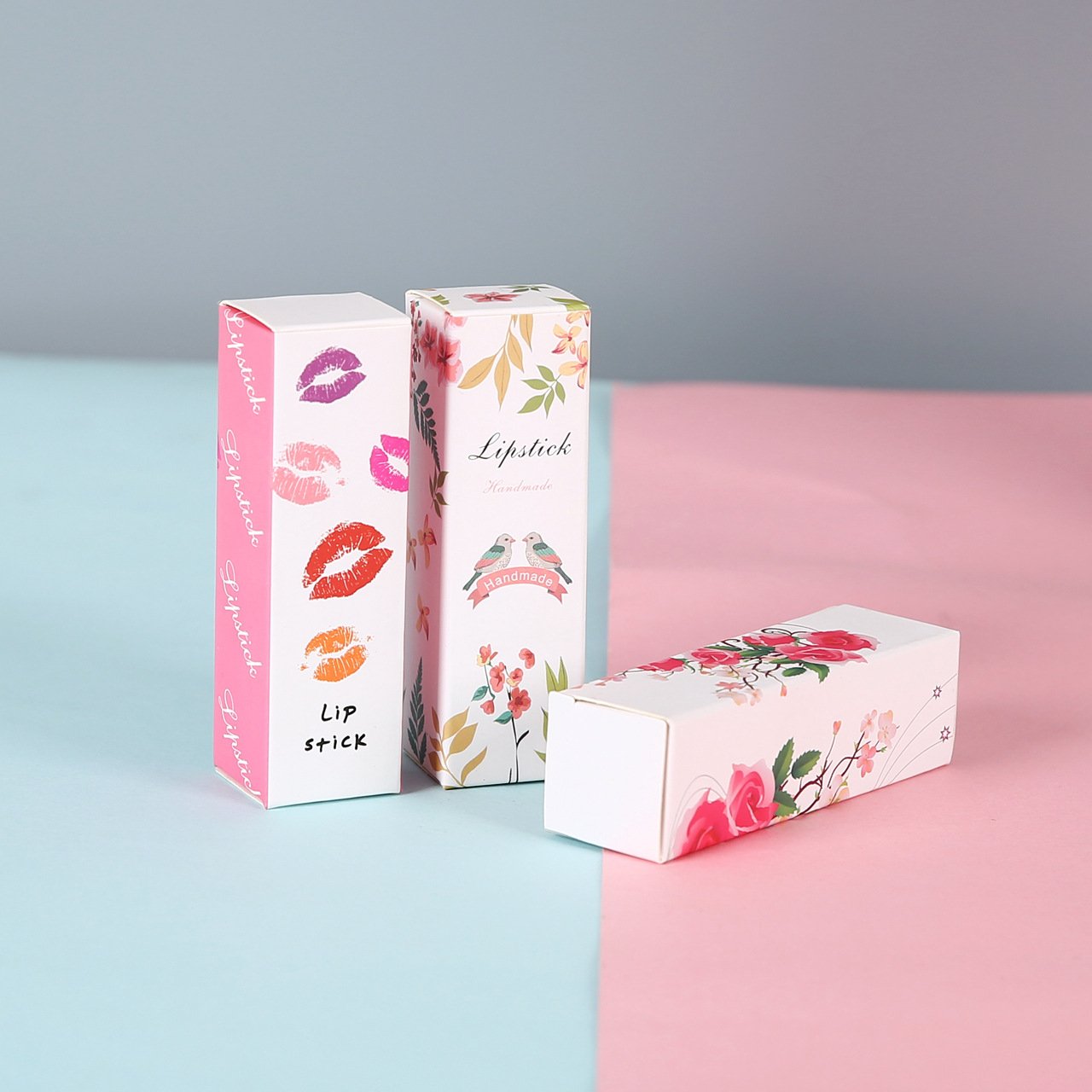
A niche cosmetics brand redesigns its rigid paperboard box with soft-touch matte finishes, foil accents, inner magnetic flap, and embossed logo. The new packaging looks and feels premium; social media influencers highlight the packaging in unboxing posts. The brand sees an increase in perception of value and raises price slightly, while also reducing returns due to sturdier construction. Brand loyalty and word-of-mouth improve.
Example B: Food / Specialty Foods
A premium tea brand uses kraft paper boxes with natural textures and windows to show tea leaves. They include a “story insert” inside the lid about tea origin, brewing tips, and a QR-code video link. The packaging conveys naturalness, authenticity, and craftsmanship. The brand enters boutique stores where shelf impact attracts customers, versus competing in commodity packaging.
Example C: Subscription / E-commerce Box
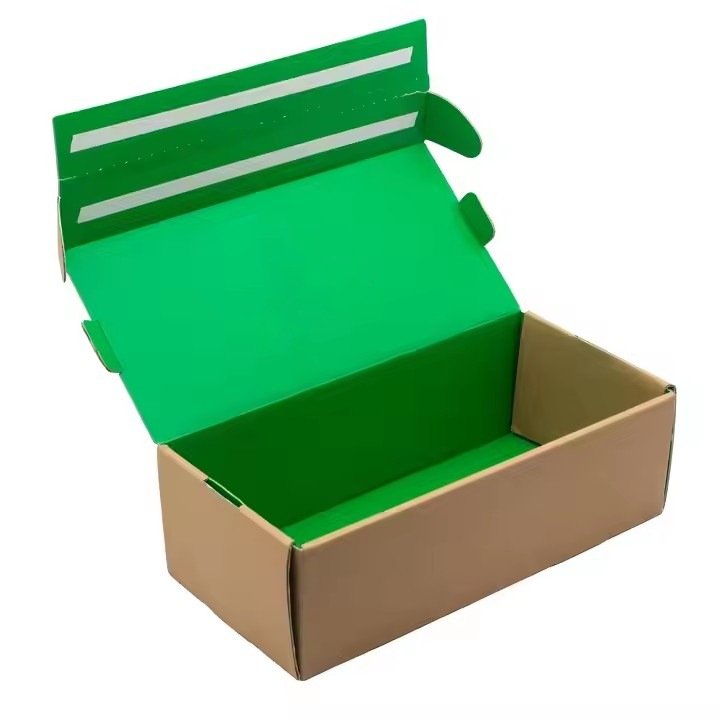
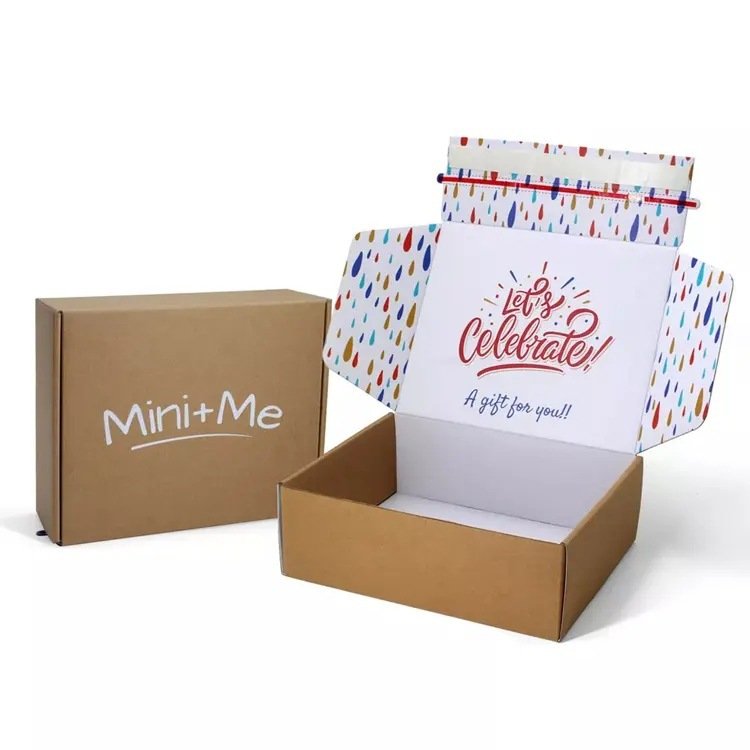
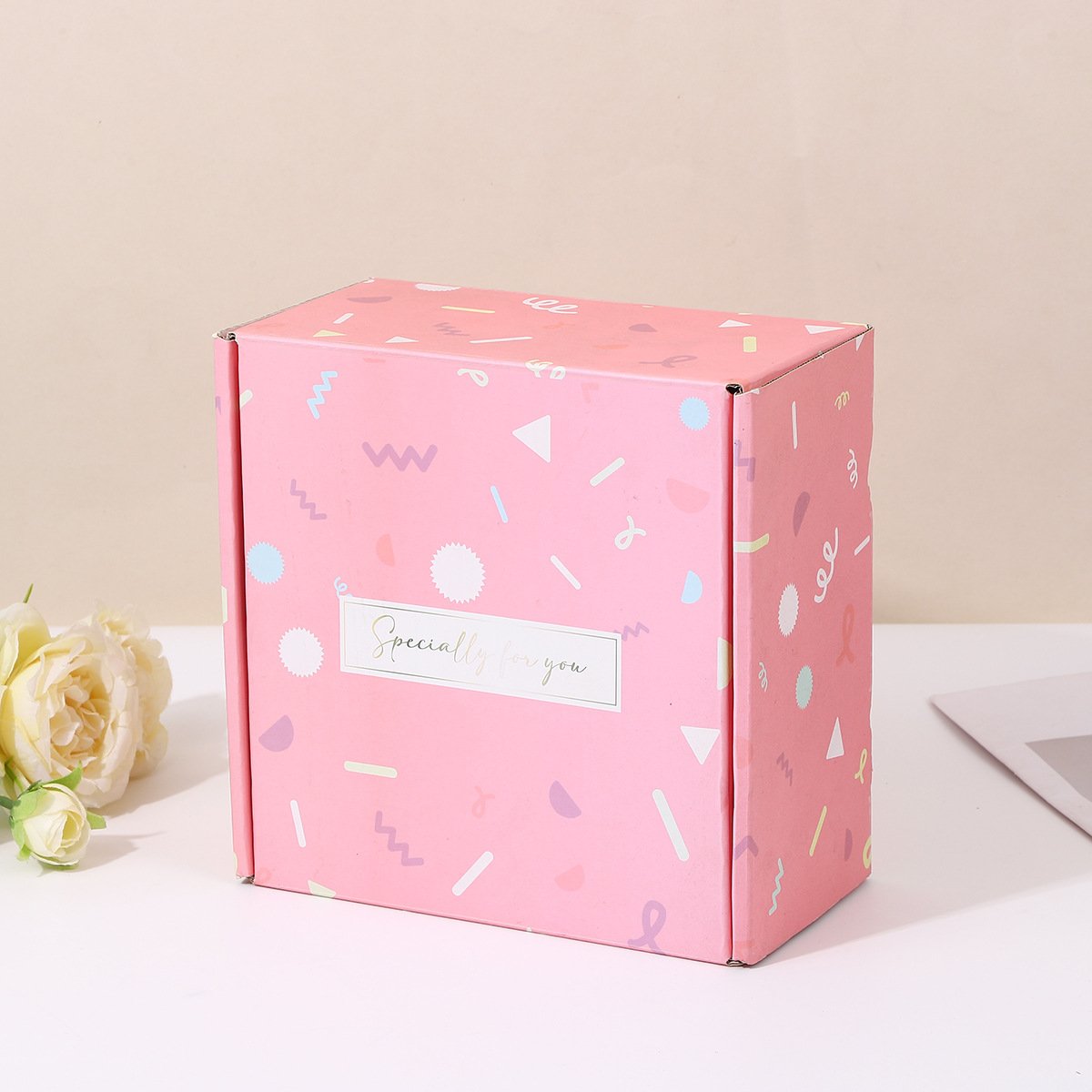
A direct-to-consumer brand designs a shipping box that doubles as a gift box. The outer box bears minimal branding; once opened, an inner branded box is revealed, with tissue paper and branded inserts. Customers film the unboxing experience and share on social media. The brand integrates QR codes in the box link to loyalty programs and upsells. The packaging becomes a marketing vehicle itself.
7. Challenges, Risks & Trade-Offs
While paper boxes packaging holds tremendous promise, there are pitfalls and constraints:
Cost pressure: Premium finishes, special coatings, and structural complexity cost more. Overdesigning can erode margin.
Logistics & durability: Fancy but flimsy packaging may fail in shipping. Must balance aesthetics with structural integrity.
Sustainability tradeoffs: Some coatings or laminations hamper recyclability. Brands must carefully choose materials.
Copycats & commoditization: Packaging innovations have shorter lifecycles; once copied, differentiation fades.
Changing trends: What’s visually appealing today may look outdated tomorrow. Regular refreshes are necessary.
Regulatory risks: Labeling requirements, material compliance, packaging waste regulations vary by region — must stay informed.
Mitigating these requires careful testing, phased rollouts, modular upgrade paths, and continuous market feedback.
8. Metrics & Evaluation
To ensure paper boxes packaging is adding value, brands and manufacturers should track:
Conversion lift / sales uplift after new packaging
Return or damage rates
Customer feedback / reviews mentioning packaging
Unboxing social shares / UGC (user-generated content) mentions
Cost of goods impact per unit
Reordering frequency / repeat purchase rates
Packaging material waste, recyclability performance
These metrics help connect packaging choices to business outcomes.
9. Future Trends in Paper Boxes Packaging
To stay ahead, consider these ongoing or emerging trends:
Smart / connected packaging: NFC tags, QR codes, AR experiences embedded in boxes
Adaptive / modular packaging: multi-use, customizable interiors
Biodegradable / compostable materials: mycelium, plant-based coatings
Zero-waste / minimalist packaging: less filler, elimination of plastic films
Hybrid materials: combining paper with thin specialty films or coatings to improve barrier or durability
Localized or personalized packaging: small-batch custom branding, localized prints, seasonal variants
AI-driven design: generative design tools to optimize structure, minimize waste, or maximize shelf impact
By investing in R&D and staying attuned to consumer and regulatory shifts, packaging providers and brands can ride the next wave of innovation.
The positive impact of paper boxes packaing on brands
Packaging — especially paper boxes — is far more than a container. It is a multifaceted strategic lever that:
Defines, reinforces, and communicates brand identity
Differentiates products in crowded markets
Serves as a marketing channel (especially via unboxing and social media)
Enables pricing power and customer loyalty
Contributes to sustainability narratives
Demands balancing of design, cost, logistics, and durability
For a paper boxes manufacturer with long experience, your value proposition is evolving: you are not just a producer of boxes, but a strategic partner for brands, helping them translate identity into tangible experiences. By embracing design consultation, prototyping, material innovation, cost management, and performance analytics, you embed deeper into your clients’ success.
BMペーパーボックスメーカーについて
We are a professional paper boxes packaging customization factory with ten years of industry experience. We focus on providing customers with high-quality customized packaging solutions, covering consumer electronics, medical equipment consumables, cosmetics and other fields, with ingenious design and exquisite technology, to add infinite charm to customers’ products.
プロの紙製パッケージボックスカスタマイズ工場として、当社は家電製品、医療機器消耗品、化粧品など幅広い分野に対応しています。高級家電製品の洗練されたギフトボックス、医療機器のプロフェッショナルなパッケージ、化粧品のファッショナブルな外箱など、お客様のニーズと製品の特性に合わせて最適なパッケージソリューションをご提案いたします。当社の専門性は多くのブランド顧客から高く評価され、信頼できるパートナーとして認められています。.
BMペーパーボックスファクトリーを選ぶ理由
最高品質:中国有数のカスタム紙箱メーカーとして、当社の品質管理チームは、お客様にお届けするすべての製品が最高品質であることを保証します。当社はプロ仕様の品質検査機を保有しています。.
製品設計:当社のサンプル部門は、図面を実際の製品に仕上げる全工程を網羅しています。また、長年の経験に基づき、お客様の製品設計を改善いたします。ぜひご意見をお聞かせください。.
安定した納期:最高のギフトボックスメーカーおよびサプライヤーとして、当社は十分な製造能力を有しており、大量注文でも対応可能です。お客様のご注文を期日通りにお届けいたします。.
最安値:当社は紙箱の製造工場であり、中国で最高のメーカーです。そのため、最高品質の袋を最安値で提供できます。.
精密な管理:精密な管理を実施しなければ、何も達成できません。当社は、包括的な管理システムを備えた企業です。.
24時間365日対応:最高の紙箱メーカーとして、24時間365日迅速に対応いたします。お客様からのフィードバックを参考に、より良いサプライヤーを目指します。お問い合わせください。(+86 18925520049)
BMペーパーボックスに関するよくある質問
当社は中国の大手メーカーであり、工場は東莞市にあります。ぜひ工場見学にお越しください!
• 当社は、特にギフト包装分野において、紙製包装製品の専門サプライヤーです。多目的に使用できる様々な種類の紙箱や紙袋を製造できます。.
・当社はワンストップサービスを提供しており、お客様のご要望に応じたカスタムデザインも承ります。.
・もちろん、通常は無料サンプルをご提供いたしますので、送料のみご負担ください。カスタム印刷サンプルをご希望の場合は、サンプル費用を確認するため、ご要望をお送りください。.
・サンプル製作には約7日かかります。.
はい、弊社では無料のデザインサービス、構造設計、簡単なグラフィックデザインを提供しています。.
もちろんです。お客様のデザインでどんなパッケージでも製作可能です。現在、100個から500個までの少量生産に対応したODMパッケージサービスを開始しており、もちろんお客様独自のロゴを入れることもできます。.
注文数量と生産内容によって異なりますが、約15日から20日程度かかります。.
量産前には必ず試作品を作成し、出荷前には必ず最終検査を実施する。
・サイズ、素材、印刷の詳細、数量、配送先など.
・お客様のご要望をお聞かせいただければ、弊社から最適な製品をご提案いたします。.
・海上輸送、航空輸送、または速達便による輸送。.
• 中国国内に自社輸送業者をお持ちの場合、それは工場出荷価格またはFOB価格となります。.
•CFRまたはCIFなど。当社がお客様の代理で発送する必要がある場合。.
• DDPおよびDDUも使用できます。.
•より多くの選択肢をご用意いたします。ご希望に合わせて対応させていただきます。.
• 価格は数量、材質、加工方法、サイズなどの要因によって決まります。さらに、当社は継続的に
技術革新により、当社の製品の一部価格は非常に競争力があります。お見積もりをご希望の場合は、お問い合わせください。.